Okay, dust off that VCR head cleaner, maybe grab a Crystal Pepsi if you can find one – tonight, we’re settling in with a film that always felt like a heartfelt reply, a quiet correction whispered across the linoleum floors of the video store: Howard Deutch's Some Kind of Wonderful (1987). For many of us who practically lived inside John Hughes' cinematic universe throughout the 80s, this one landed differently. It possessed a familiar ache, that signature Hughesian sensitivity to the pangs of teenage existence, yet it carried a distinct, almost melancholic gravity, particularly in the unforgettable presence of one character.
More Than Just Another Teen Romance
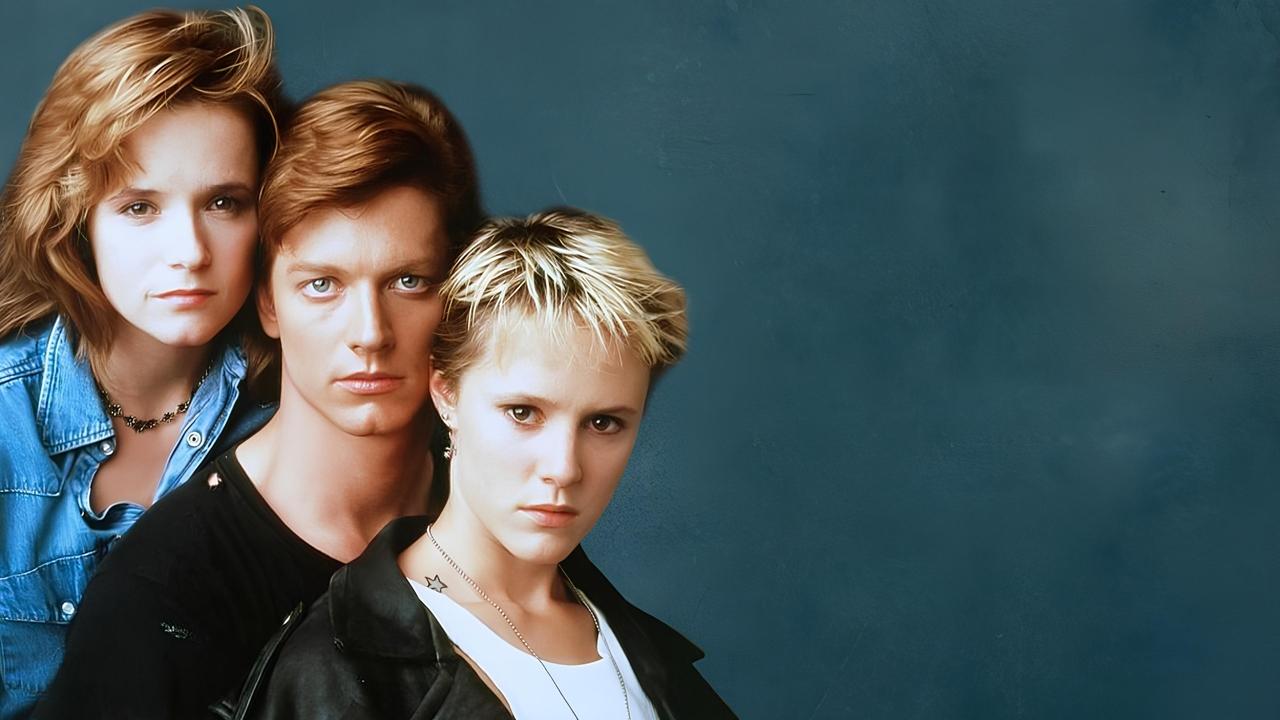
Sure, on the surface, it echoes themes we’d seen before, especially in its spiritual sibling, Pretty in Pink (1986), which Deutch also directed. We have the artistic, working-class dreamer, Keith Nelson (Eric Stoltz), yearning for the seemingly unattainable popular girl, Amanda Jones (Lea Thompson). We have the pressures of high school cliques, the chasm between the perceived "haves" and "have-nots," played out against a backdrop of lockers, house parties, and after-school jobs. But where Some Kind of Wonderful truly carves its own identity is in its third, crucial point: Keith’s best friend, the tough, drumming, utterly captivating Watts, played with career-defining brilliance by Mary Stuart Masterson.
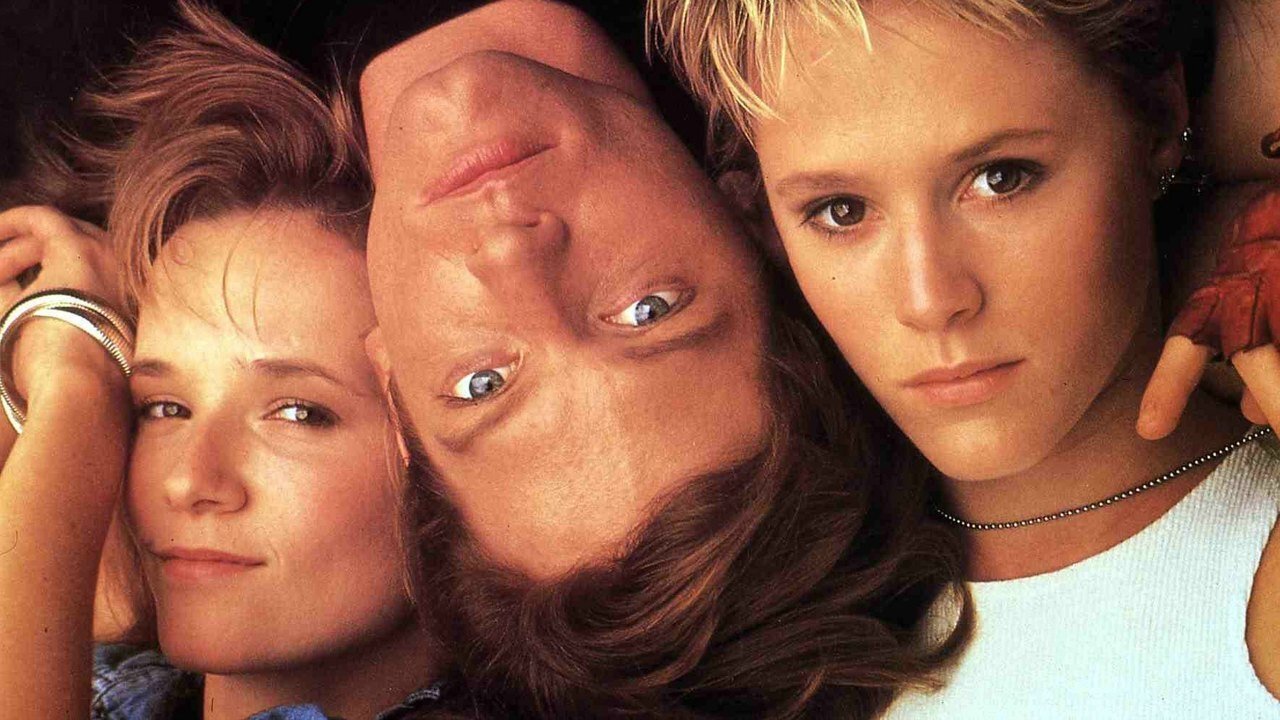
It's impossible to discuss this film without centering on Watts. Masterson's performance is the raw, beating heart of the entire enterprise. Hughes, famously unhappy with the studio-mandated ending of Pretty in Pink where Andie chose Blane over Duckie, seemed determined to give the fiercely loyal best friend their due this time around. Masterson embodies this perfectly. Behind the drum kit (which she reportedly learned to play specifically for the role, adding a layer of authentic commitment), shielded by sarcastic quips and a tomboy exterior, Watts carries the weight of unrequited love with a palpable intensity. Her eyes, often conveying more than dialogue ever could, betray the vulnerability beneath the armor. Remember that scene where she’s driving Keith, silently absorbing his rhapsodies about Amanda? It’s a masterclass in contained emotion, a portrait of quiet heartbreak familiar to anyone who’s ever loved from the sidelines.
Authenticity in the Angst
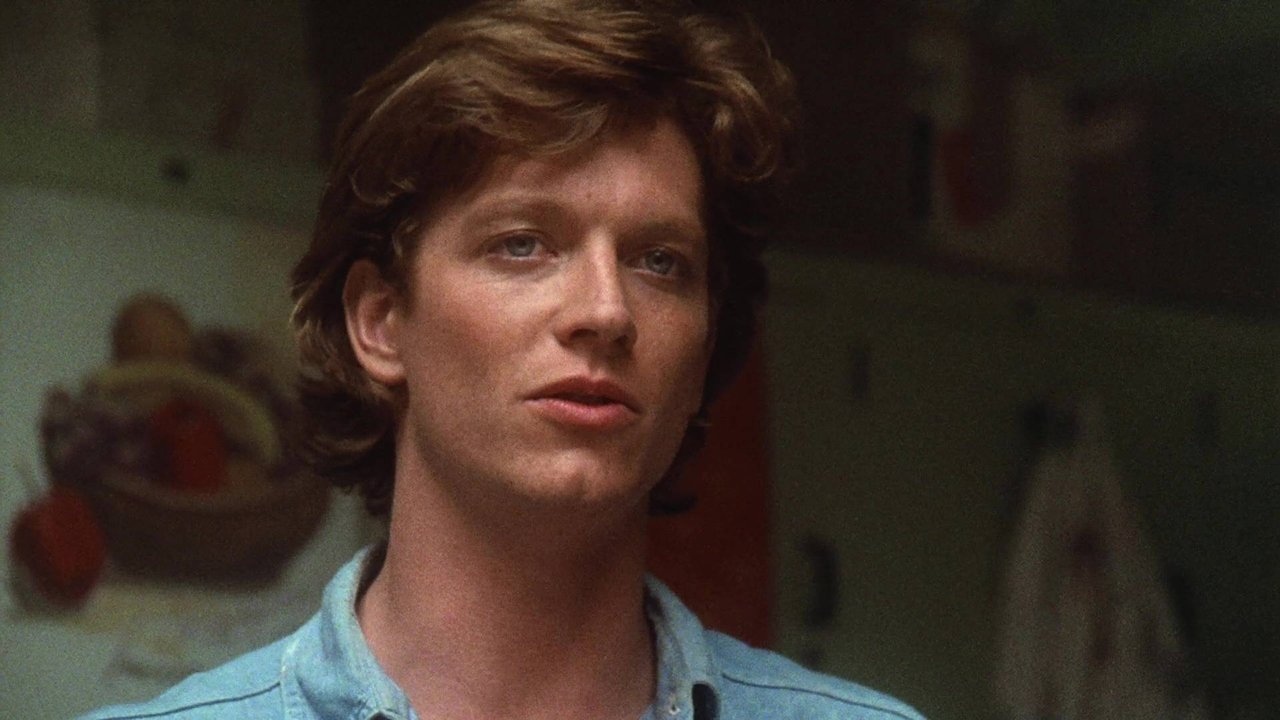
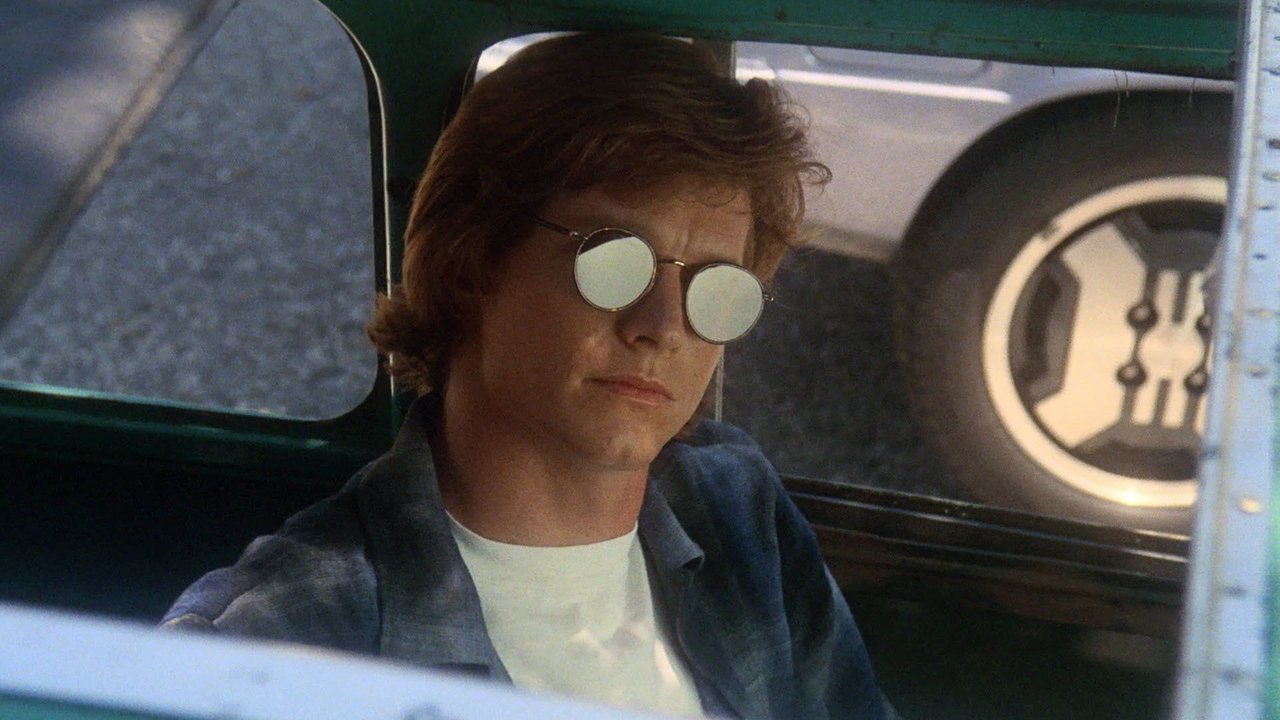
Eric Stoltz, as Keith, brings a sincere, searching quality to the role. Fresh off the undoubtedly bruising experience of being replaced in Back to the Future (1985), his performance here feels grounded and earnest. Keith isn’t just mooning over the popular girl; he’s genuinely grappling with identity, art, and his future, trying to reconcile his blue-collar roots with his artistic ambitions. His obliviousness to Watts' feelings can be frustrating, sure, but Stoltz plays it with a kind of naive sincerity that prevents Keith from becoming unlikeable. He’s a good kid, just… focused elsewhere.
And Lea Thompson, navigating the tricky role of Amanda Jones, avoids making her a simple stereotype. Amanda isn't just the "rich girl"; she’s caught in her own trap of expectations and social pressure, subtly revealing flickers of dissatisfaction with her slick, possessive boyfriend Hardy Jenns (Craig Sheffer, perfectly embodying privileged arrogance). Thompson gives Amanda a soul, making Keith's infatuation understandable, even if we, the audience, are firmly rooting for Watts. There's a quiet sadness to Amanda, a sense that she suspects true connection lies elsewhere.
The Hughesian Touch, Refined
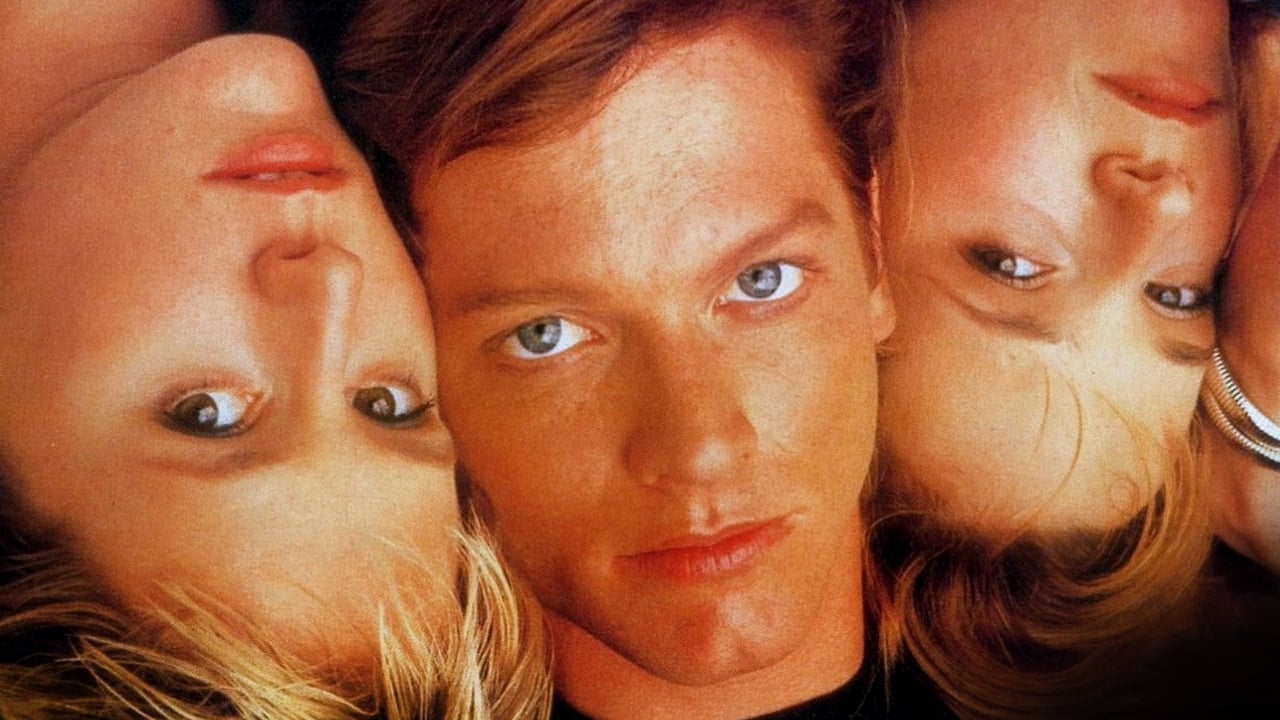
While Hughes wrote the script (reportedly banging it out in a matter of days to process his Pink frustrations), Deutch directs with a slightly less glossy, more grounded sensibility than their previous collaboration. The film feels less about the fashion and more about the feelings. The class dynamics are still present, starkly illustrated in Keith's interactions with his worried, practical father (a warm John Ashton), but they feel woven into the characters' motivations rather than serving as the primary engine of the plot.
Let’s not forget the supporting players who add texture, particularly Elias Koteas as Duncan, the art-appreciating skinhead. It's a potentially jarring character archetype handled with surprising nuance, offering Keith unexpected encouragement and adding another layer to the film's exploration of judging books by their covers. A fun piece of trivia: the film, shot primarily around Los Angeles, carried a modest budget of roughly $8.5 million and while it didn't explode at the box office like some other Hughes productions (grossing around $18.5 million), its reputation grew steadily on home video, cementing its place as a beloved cult classic for those who appreciated its quieter, more emotionally resonant story. It found its audience, perhaps precisely because it felt like a genuine, heartfelt alternative.
Why It Still Resonates
Watching Some Kind of Wonderful today, perhaps on a worn-out VHS tape dug out from the attic or a streaming service that lacks that tactile magic, its power remains remarkably intact. It sidesteps easy answers. It acknowledges the messiness of young love, the pain of unspoken feelings, and the courage it takes to be true to oneself, even when it hurts. Does Keith's journey feel a tad predictable? Perhaps. But the emotional authenticity, particularly from Masterson, elevates it beyond formula.
What lingers most after the credits roll? For me, it's always Watts – her strength, her vulnerability, her unwavering loyalty even in the face of potential heartbreak. The film doesn't offer a fairytale, but it offers something perhaps more valuable: a sense of emotional truth. It reminds us that sometimes the most wonderful connections are the ones right beside us, waiting patiently to be seen. Didn't we all know a Watts, or perhaps even feel like one ourselves at some point?
Rating: 8/10
This score reflects the film's powerful emotional core, driven by an iconic and deeply affecting performance from Mary Stuart Masterson. While some Hughesian tropes are present, the earnestness, the exploration of class and authenticity, and the satisfying (for many) resolution of its central romantic triangle make it a standout of the era. It’s a film with heart, depth, and a quiet integrity that has only deepened with time.
Some Kind of Wonderful remains a poignant testament to friendship, unspoken love, and the often-painful beauty of figuring out who you are – a true gem from the shelves of VHS Heaven.