Amidst the explosion-heavy blockbusters and neon-soaked thrillers lining the video store aisles in 1987, finding a tape like Éric Rohmer's Four Adventures of Reinette and Mirabelle (Quatre aventures de Reinette et Mirabelle) felt like discovering a secret garden. Tucked away, perhaps slightly intimidatingly, in the 'Foreign Films' section, its simple cover art promised something vastly different from the usual VHS fare. This wasn't a film shouting for attention; it was one whispering observations about connection, perception, and the quiet dramas of everyday life. For those willing to lean in, it offered a refreshingly gentle, thoughtful experience, a hallmark of the celebrated French director known for his "Six Moral Tales" and "Comedies and Proverbs" series.
### Conversations in Light and Shadow
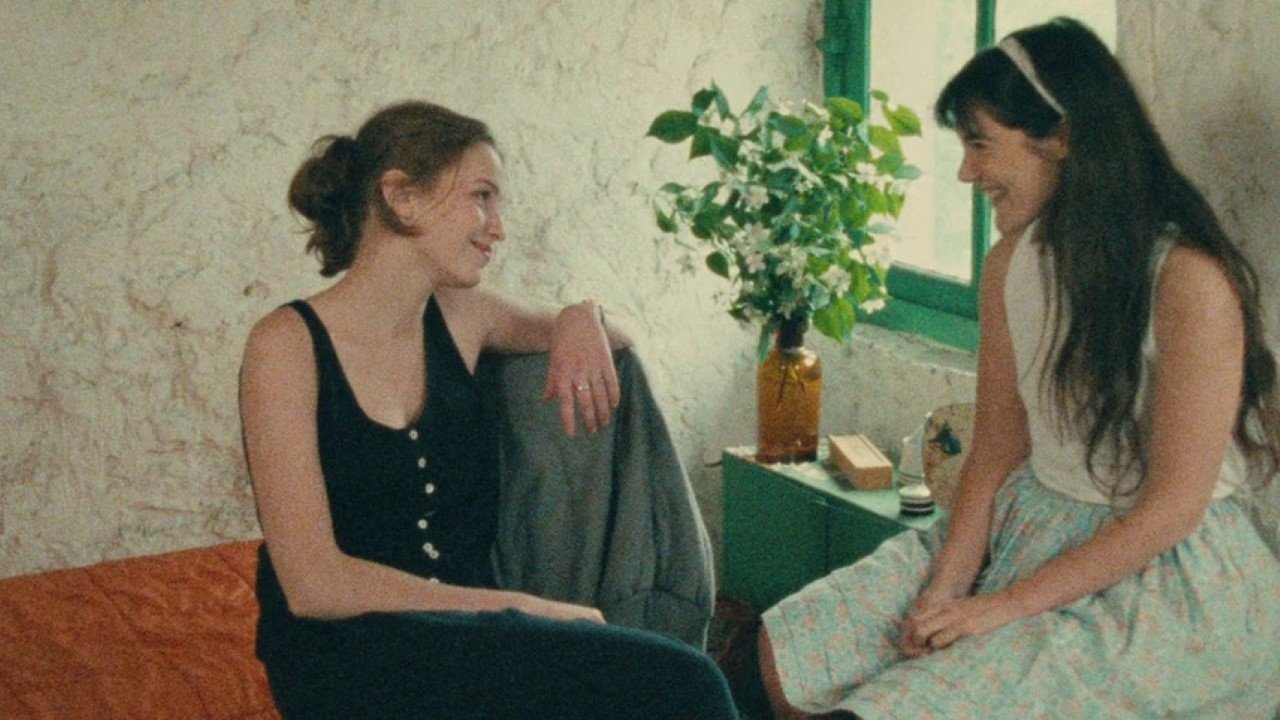
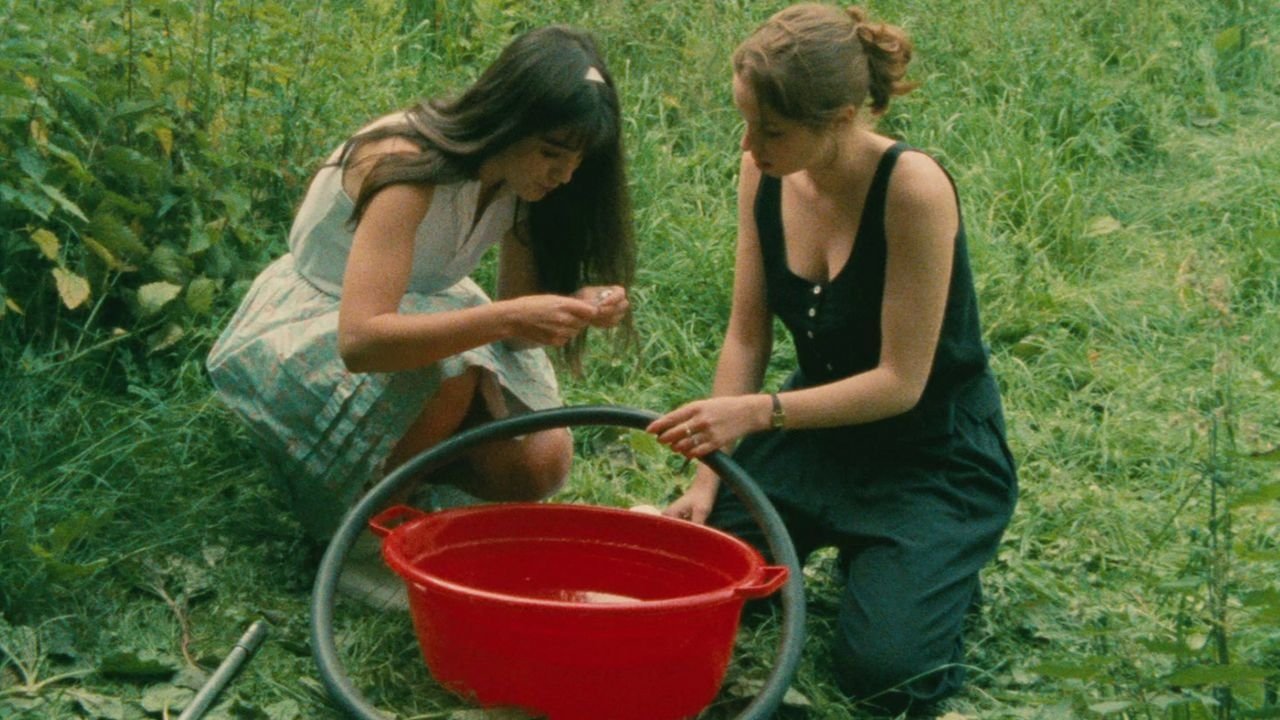
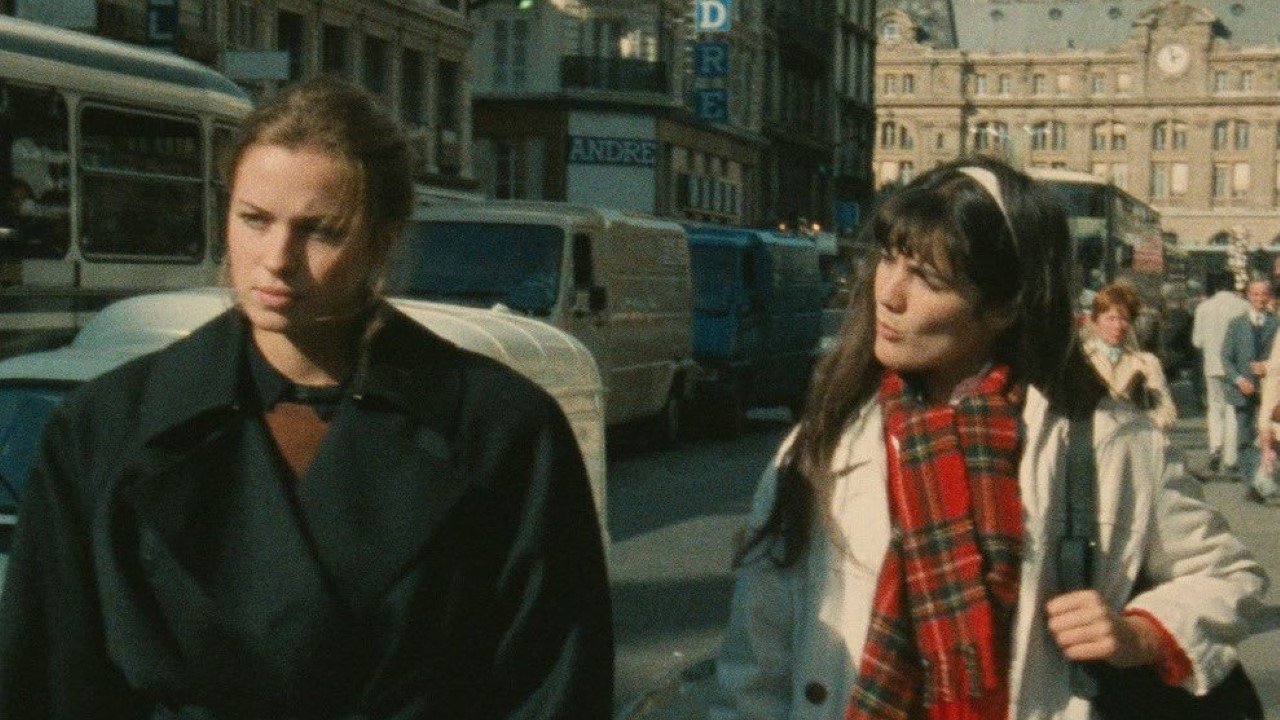
The film presents itself as exactly what the title suggests: four distinct yet interconnected vignettes centered around two young women. Reinette (Joëlle Miquel) is earnest, artistic, and perhaps a touch naive, rooted in the rhythms of the countryside. Mirabelle (Jessica Forde) is a Parisian student – pragmatic, questioning, slightly more cynical, embodying the city's pace. They meet by chance when Mirabelle gets a flat tire near Reinette's rural home, and their unlikely friendship blossoms, forming the delicate thread that ties these adventures together. Rohmer, ever the master of filming conversation, lets their interactions unfold with an unforced naturalism, exploring their differing viewpoints on art, ethics, social interaction, and the simple beauty (or lack thereof) they find in the world.
### The Rohmer Touch
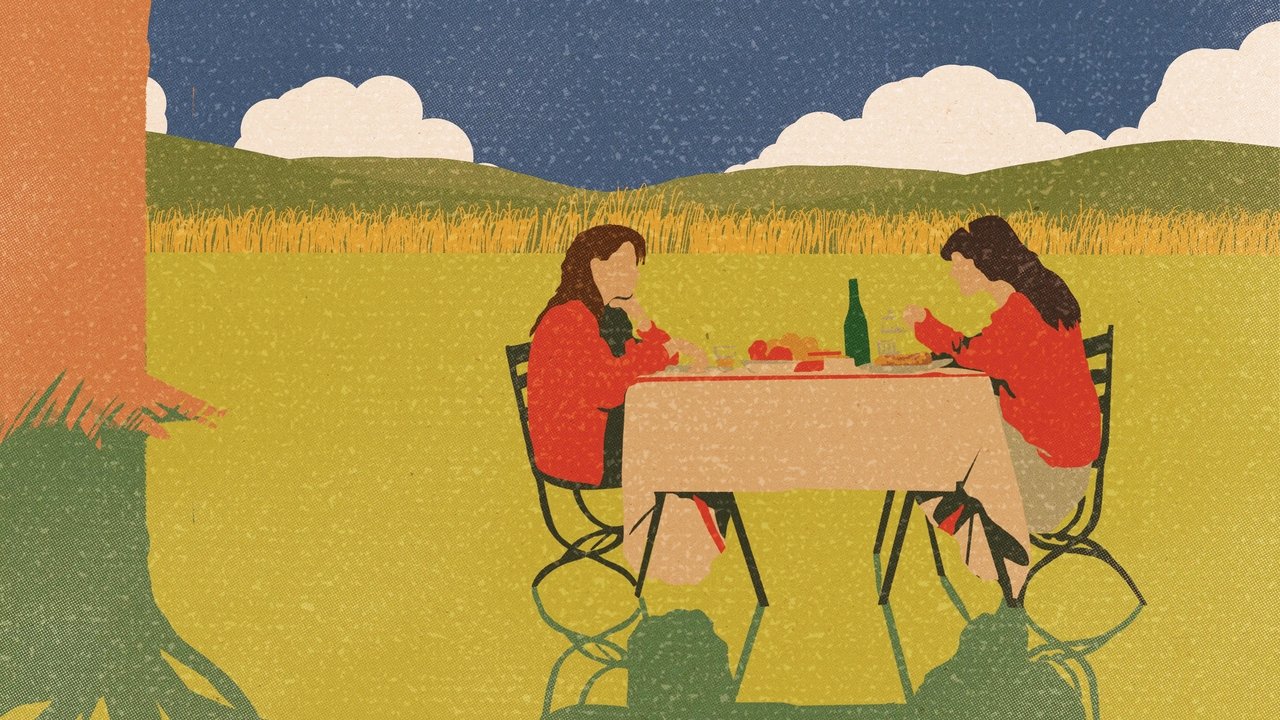
What immediately sets Reinette and Mirabelle apart, even within Rohmer's filmography, is its tangible intimacy. Much of this stems from a fascinating production choice: the film was shot primarily on leftover 16mm film stock from Rohmer's previous feature, The Green Ray (1986). Far from being a mere cost-saving measure, this decision imbues the film with a specific visual texture – slightly grainier, less polished than 35mm, perfectly complementing the spontaneous, almost documentary feel of the encounters. It feels less like watching actors perform scripted lines and more like observing genuine moments captured serendipitously. Rohmer's direction is, as always, deceptively simple. He trusts his actors and his dialogue, framing scenes with minimal fuss, often allowing conversations to play out in long takes. The effect is hypnotic, drawing you into the characters' worlds and their subtle emotional shifts. It's a reminder that cinematic power doesn't always require elaborate camerawork or booming scores; sometimes, the most profound moments are found in quiet observation.
### Finding Truth in Performance
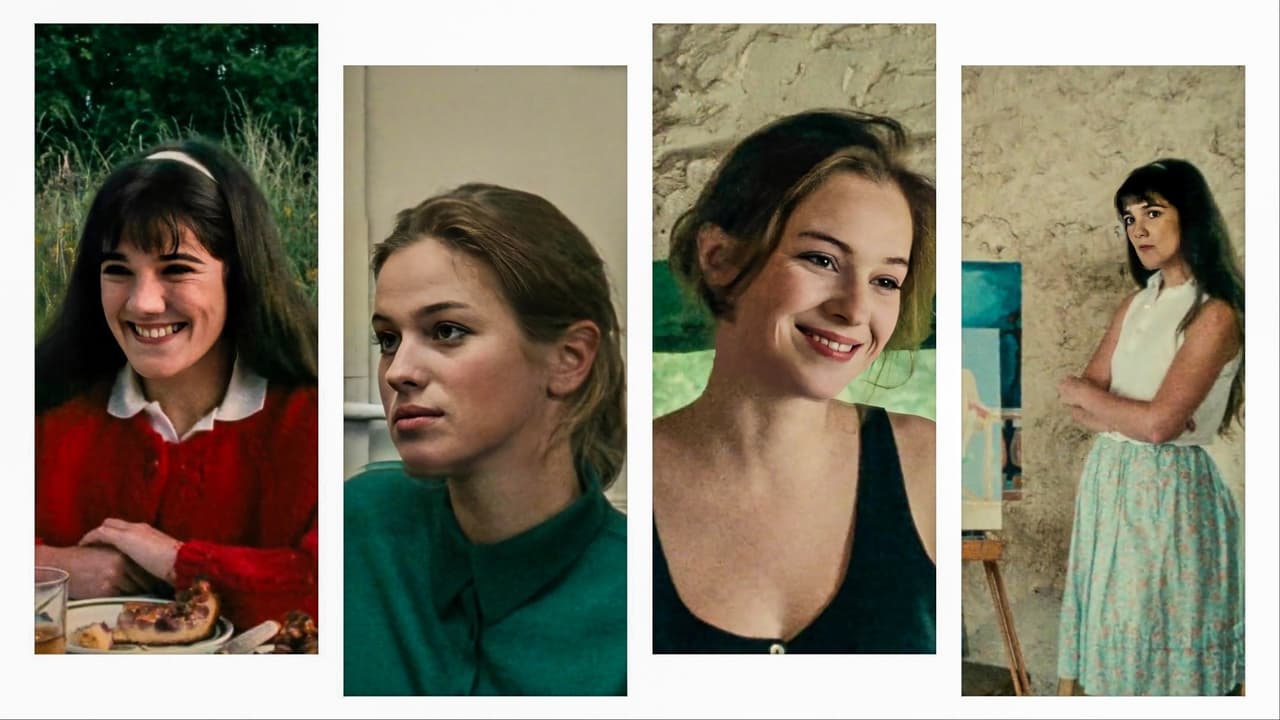
The film rests squarely on the shoulders of its two leads, Joëlle Miquel and Jessica Forde. Miquel, whom Rohmer reportedly discovered after simply seeing her photograph, brings a wide-eyed sincerity to Reinette. Her monologues, particularly about capturing "the blue hour" – that fleeting moment of pure silence and specific light just before sunrise – possess a poetic conviction that makes her character utterly believable, even aspirational. You feel her frustration when the world fails to meet her idealistic standards. Forde's Mirabelle provides the perfect counterpoint. Her city-dweller skepticism and intellectual probing create a gentle friction that fuels their discussions. She isn't unkind, merely grounded in a different reality. Their chemistry feels authentic; you believe in their burgeoning friendship, born from opposing perspectives finding common ground. Their performances lack the mannered polish often seen in mainstream cinema, instead favoring a naturalism that makes their philosophical wanderings feel relatable and human. It's a testament to Rohmer's skill in eliciting truthful portrayals, often from lesser-known or non-professional actors.
### Small Stories, Big Questions
The four vignettes themselves – "The Blue Hour," "The Waiter," "The Beggar, the Kleptomaniac, and the Hustler," and "Selling the Painting" – function almost like philosophical fables set in contemporary France. Each presents a small scenario, often revolving around a minor ethical dilemma or a clash of perceptions. Can Reinette truly capture the ephemeral blue hour? How should one navigate the coded interactions of a Parisian café? What is the 'right' way to respond to poverty or dishonesty on the street? How does the value of art intersect with commerce? Rohmer offers no easy answers. Instead, the film invites contemplation. Doesn't the challenge of communicating our deepest feelings, like Reinette's struggle to articulate the sublime, resonate universally? Aren't the small negotiations and misunderstandings of daily life, as seen in the café or gallery, mirrors to larger societal complexities? The film gently nudges us to consider our own assumptions and judgments.
### A Gentle Gem on the Shelf
Four Adventures of Reinette and Mirabelle might not have been the tape you grabbed for a Friday night adrenaline rush back in the day. It lacks car chases, explosions, or jump scares. Its appeal lies elsewhere – in its quiet intelligence, its charming leads, and its profound appreciation for the nuance of human interaction and the beauty hidden in plain sight. Watching it again now feels like rediscovering a thoughtful friend. It’s a film that rewards patience, offering a calm, observational escape that feels uniquely Rohmer. It stands as a lovely, lighter piece within his significant body of work, proving that compelling cinema can be crafted from conversation, keen observation, and a touch of philosophical curiosity. It’s a reminder of the diverse treasures the VHS era held, if you knew where to look.
Rating: 8/10
This score reflects the film's masterful naturalism, the engaging performances, Rohmer's distinct directorial signature, and its thoughtful charm. It's a beautifully observed slice-of-life that achieves exactly what it sets out to do, even if its deliberately small scale and leisurely pace might not appeal to all viewers seeking high-octane entertainment.
Final Thought: A gentle, intelligent film that lingers, prompting reflection on how we see the world, and how we connect with those who see it differently.