## The Unspoken Bond: Reflecting on Project X (1987)
There’s a particular kind of quiet that settles in after certain films, a thoughtful silence born not of boredom, but contemplation. 1987’s Project X often leaves me in that space. It arrives in a package that feels, initially, like standard 80s fare – a young recruit finding trouble, a potential romance, even moments of levity. But beneath the surface, there's a current, strong and potentially dangerous, pulling towards much deeper, ethically murky waters. It’s this unexpected depth, this pivot from seemingly lighthearted beginnings to a sobering examination of responsibility and communication, that makes it stick in the mind, even decades after the VCR whirred to a stop.
From Pranks to Purpose
We meet Airman Jimmy Garrett, played by a Matthew Broderick fresh off the success of Ferris Bueller's Day Off (1986) and already familiar with tech-gone-awry themes from WarGames (1983). Initially, Jimmy embodies youthful nonchalance bordering on delinquency. Reassigned to a top-secret military project involving chimpanzees as punishment, his primary goal seems to be charming researcher Teri MacDonald (Helen Hunt, radiating intelligence and empathy years before Twister or As Good as It Gets). The early scenes lean into this dynamic, setting us up for perhaps a quirky comedy about monkey business in the military.
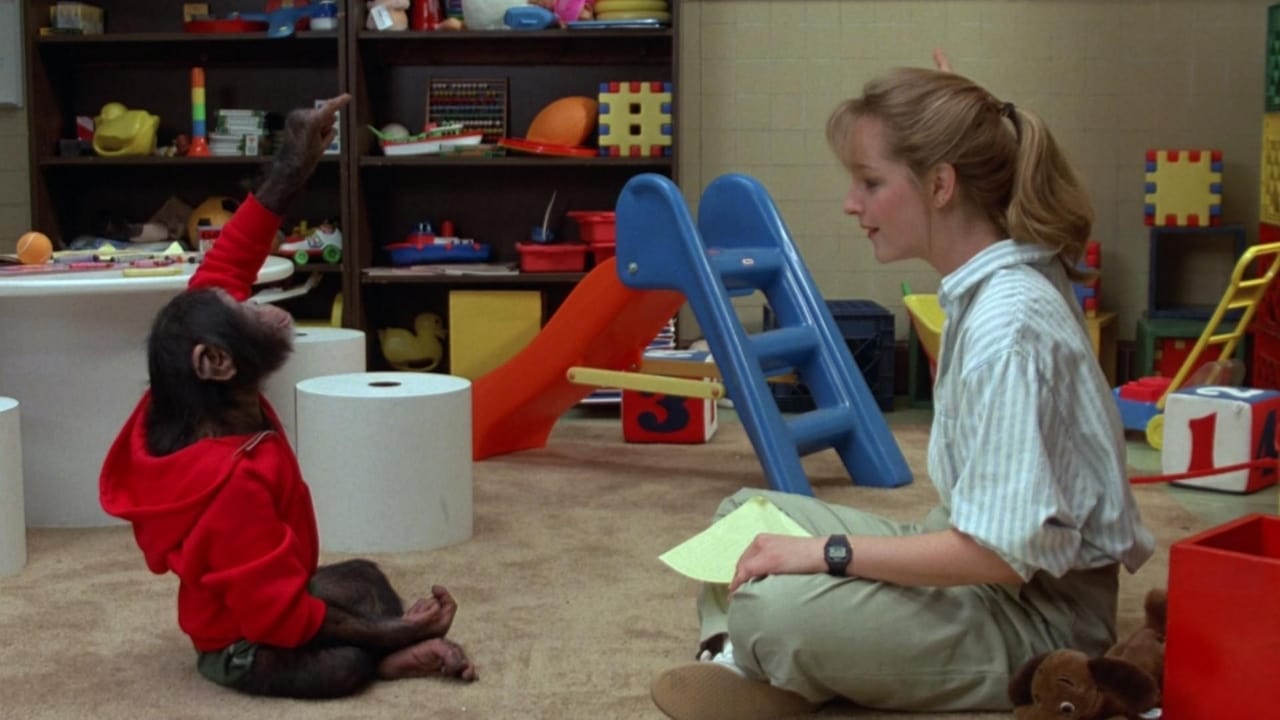
But the film, directed by Jonathan Kaplan (who would tackle even more intense subject matter with The Accused just a year later), cleverly uses this lighter setup to draw us in before revealing the project's true, chilling nature. The chimps aren't just learning tasks; they're being trained in flight simulators, conditioned through increasingly harsh methods, for a mission with potentially lethal consequences involving radiation exposure. The script, penned by WarGames duo Lawrence Lasker and Walter F. Parkes along with Stanley Weiser, doesn't shy away from the grim reality underpinning the 'science'.
More Than Just Animals
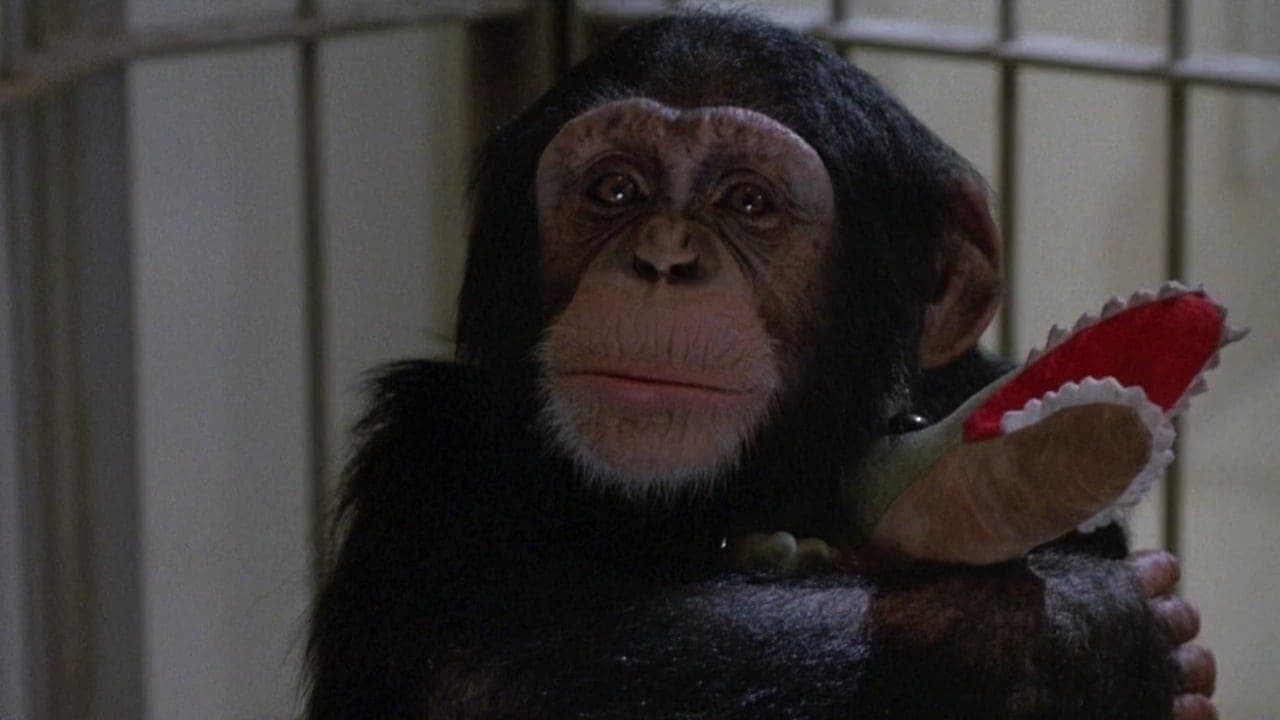
What truly elevates Project X beyond a simple thriller premise is its focus on communication and the burgeoning relationship between Jimmy and Virgil, the exceptionally intelligent chimpanzee at the heart of the project. Virgil, played primarily by a remarkable chimpanzee named Willie under the guidance of dedicated animal trainers, isn't just a plot device; he's a character. His ability to use sign language, learned from Teri, becomes the crucial bridge between the human and animal worlds, transforming Jimmy’s perspective. It's through Virgil's signing, his expressions of fear and understanding, that the film poses its most potent questions: What constitutes intelligence? Where is the ethical line in animal experimentation? How do we define 'personhood'?

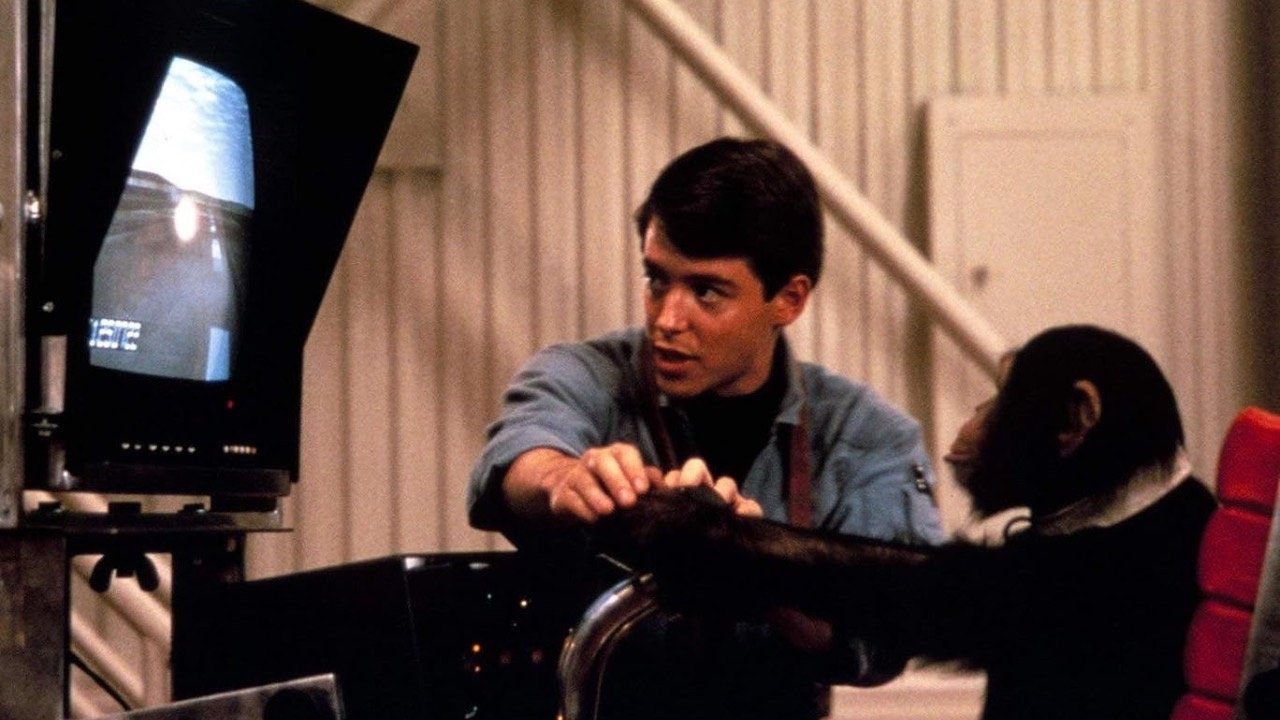
Reportedly, the production involved around a dozen chimpanzees, a logistical and ethical challenge in itself. Willie, as Virgil, delivers a performance layered with nuance, conveying comprehension, affection, and terror in ways that feel utterly authentic. It's a testament to both the animal's intelligence and the skill of the trainers that Virgil becomes the film's emotional anchor. Broderick matches this beat for beat, subtly shifting Jimmy from a self-absorbed kid to a young man grappling with a profound moral dilemma. His growing horror and determination feel earned, making his eventual choice to act believable and compelling. William Sadler, as the project lead Dr. Carroll, provides a necessary counterpoint – not a moustache-twirling villain, but a man convinced of the necessity of his work, blinded perhaps by the perceived greater good.
Retro Reflections and Reality Bites
Watching Project X today brings a wave of that specific 80s cinematic feeling. The slightly grainy film stock, the earnest score, the practical effects used for the flight simulators – it all feels comfortingly familiar. I distinctly remember renting this one, the cover art hinting at something intriguing but not fully revealing the emotional weight within. It wasn't a massive blockbuster (reportedly costing around $18 million and making back roughly $21 million), which might explain why it feels like a treasured find rather than an overplayed classic for many.
The film’s premise, while fictionalized, wasn't entirely pulled from thin air. It was loosely inspired by real accounts of Air Force research involving primates in the 60s and 70s, adding a layer of uncomfortable truth to the proceedings. That grounding, however slight, makes the film's central conflict resonate even more strongly. It avoids easy answers, presenting the military personnel not as uniformly evil, but as individuals operating within a system, forcing us to consider the pressures and justifications that can lead to morally questionable actions. Does the film sometimes struggle with its tonal shifts? Perhaps. The transition from lighthearted banter to serious ethical drama can feel abrupt to some. And yes, certain plot elements might seem a touch convenient under modern scrutiny.
Lingering Questions
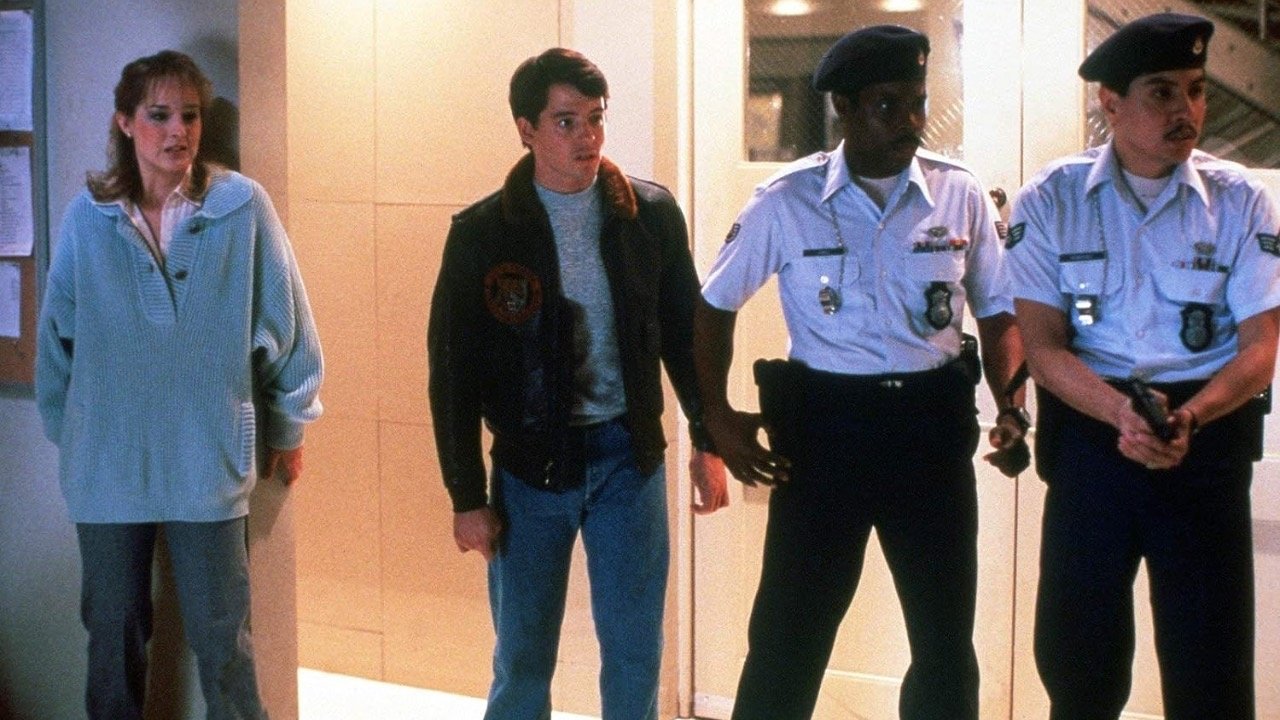
Yet, these minor quibbles don't significantly detract from the film's impact. Project X succeeds because it dares to ask difficult questions within a mainstream framework. It uses the familiar structure of a thriller – the race against time, the daring escape plan – to deliver a powerful message about empathy and the potential cruelty hidden within scientific and military progress. It’s a film that champions the idea that connection can transcend species, that understanding doesn't require shared language, only shared feeling.
Rating: 7/10
This score reflects the film's genuine heart, strong central performances (human and primate), and its courage in tackling a complex ethical theme within an accessible 80s package. While the tonal balance isn't always perfect and the plot has moments of predictability, its core message and the affecting relationship between Jimmy and Virgil leave a significant impression. It earns its place in VHS Heaven not just for nostalgia, but for its enduring, quietly provocative questions.
What stays with you most after the credits roll on Project X isn't just the suspense or the era-specific charm, but the haunting image of Virgil signing, a silent plea for understanding that continues to echo.