"Your foster parents are dead." The voice on the phone, metallic and devoid of emotion, delivered the line with the chilling finality of a closing crypt. Even now, hearing Arnold Schwarzenegger utter those words as the reprogrammed T-800 sends a specific kind of shiver down the spine – the kind we first felt back in 1991, huddled in the dark, glued to the screen as Terminator 2: Judgment Day unfolded its terrifying, exhilarating vision of the future. This wasn't just a sequel; it was an event, a seismic shift in action filmmaking that felt like witnessing the future of cinema itself, beamed directly onto our CRT screens.
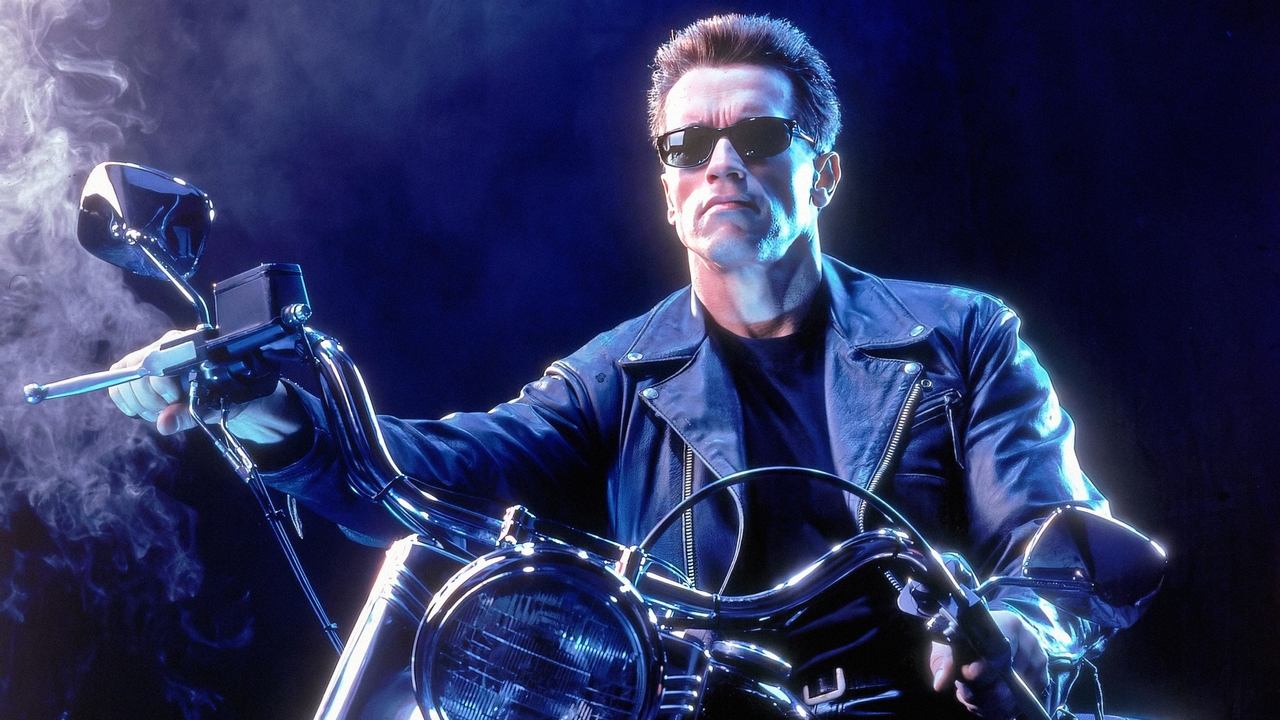
Bigger, Badder, Bleaker
Picking up years after the original nightmare, James Cameron (fresh off The Abyss) didn't just revisit his 1984 tech-noir classic; he detonated it. Armed with a then-staggering budget (reportedly the first film to break the $100 million barrier, eventually costing around $102 million – that's over $230 million today!), Cameron crafted a spectacle that still feels immense. The core dread remains: machines are coming to wipe us out. But the stakes are higher, the scope wider, and the enemy... sleeker, deadlier, and utterly relentless. The shift from the gritty, low-budget horror of the original to the polished, high-octane action of T2 could have been jarring, but Cameron masterfully retains the sense of impending doom, even amidst the explosive set pieces. My own well-worn T2 VHS tape, practically grooved from repeated viewings, is a testament to how compelling that blend was.
The Shape of Fear to Come
Let's talk about the T-1000. Portrayed with unnerving stillness by Robert Patrick, this liquid metal assassin wasn't just a villain; it was a visual effects revolution. The way it morphed, flowed, and reformed felt like black magic conjured by the wizards at Industrial Light & Magic. Remember seeing that checkerboard floor effect for the first time? It genuinely felt like nothing we'd ever witnessed. But T2 wasn't solely reliant on the nascent CGI that gobbled up a significant chunk of the budget and took months to perfect. The film is a masterclass in blending digital advancements with the incredible practical effects work of the legendary Stan Winston Studio. From the terrifyingly tangible Endoskeletons in the future war prologue (recycling the original prop from the first film!) to the intricate makeup effects showing battle damage on both Terminators, the tactile reality grounded the fantastical elements. It's that blend that made the threat feel so real, so inescapable back in the day. Patrick's intense physical training, allowing him to sprint without visible effort and adopt that chillingly focused stare, perfectly complemented the effects, creating a truly unforgettable antagonist.
Sarah Connor's Fury
While Arnold's return was the headline, the heart and soul of T2 arguably belongs to Linda Hamilton. Her transformation of Sarah Connor from terrified waitress to hardened, borderline-psychotic warrior is one of cinema's great character evolutions. Hamilton is ferocious, embodying the trauma and desperate resolve of a woman haunted by a future she alone fully comprehends. The physicality she brought to the role was immense; apparently, she suffered permanent hearing damage during the intense Cyberdyne elevator shootout because she removed her earplugs between takes. It’s a stark reminder of the commitment poured into this film. Alongside her is newcomer Edward Furlong as young John Connor, discovered by casting director Mali Finn in a Boys & Girls Club. He brought a necessary vulnerability and streetwise attitude to the future savior, even if his voice famously broke mid-production, requiring some clever audio work later.

Relentless Vision
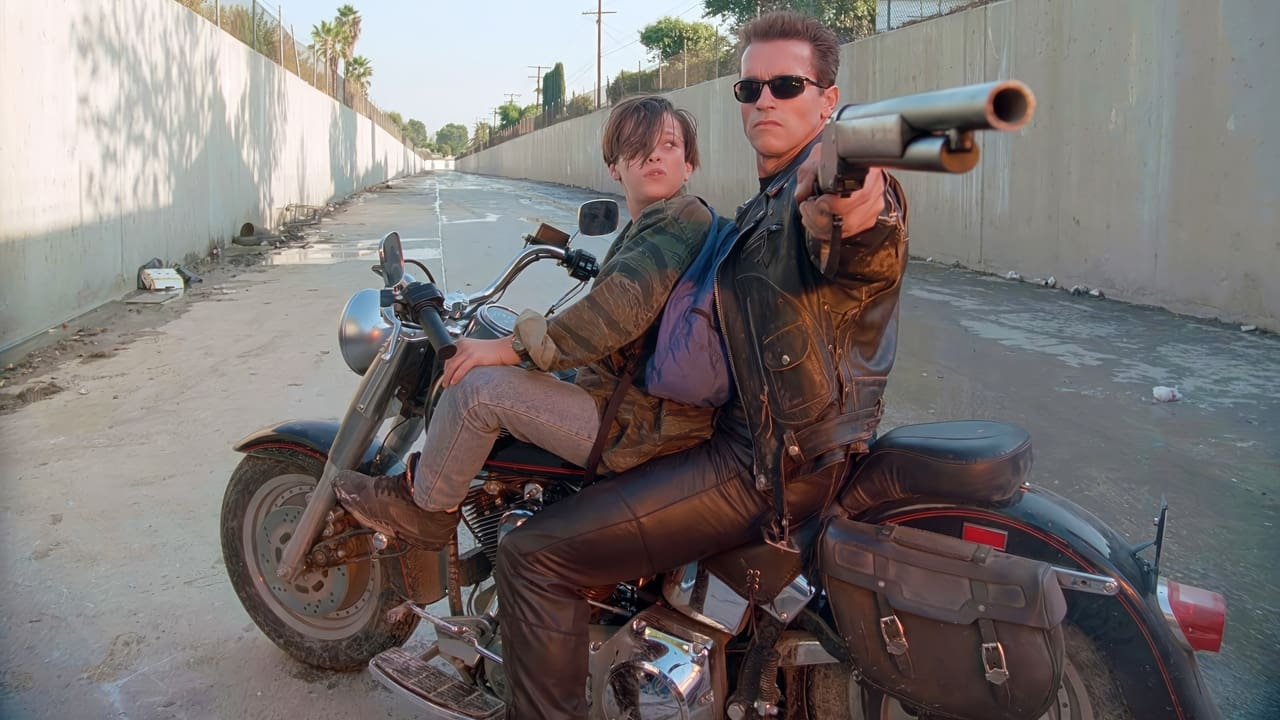
Cameron, alongside co-writer William Wisher (who reportedly suggested the iconic "Hasta la vista, baby" line), crafted a script that balances high-concept sci-fi with surprisingly resonant themes of fate, humanity, and sacrifice. His direction is notoriously demanding but undeniably effective. The pacing is relentless, particularly in the second half, with action sequences like the canal chase and the tanker truck pursuit becoming instant classics. Filming these often involved complex stunt work and shutting down real locations, like those concrete L.A. riverbeds, adding to the film's visceral impact. Even Brad Fiedel's score, with its distinctive metallic percussion and mournful synth melodies, feels inseparable from the film's identity, underscoring both the cold threat and the human drama. Watching the Special Edition VHS later, with its restored scenes (like the T-1000 searching John's room or the poignant chip-reset sequence), only deepened the appreciation for the layers Cameron built into this world.
Judgment Day on Tape
Terminator 2 wasn't just a movie; it was a video store monolith. Finding a copy on the shelf on a Friday night sometimes felt like a mission in itself. Its arrival defined the summer of '91 and its legacy dominated home video for years. It pushed the boundaries of what action cinema could be – intelligent, emotional, and visually spectacular. It proved sequels could surpass originals and cemented Cameron as a master of the blockbuster. While the franchise has continued with varying degrees of success, none have quite recaptured the perfect storm of innovation, character, and raw KICK-ASS energy that T2 delivered. Does any other sequel manage that blend of terror and heart quite so effectively?
---
Rating: 10/10
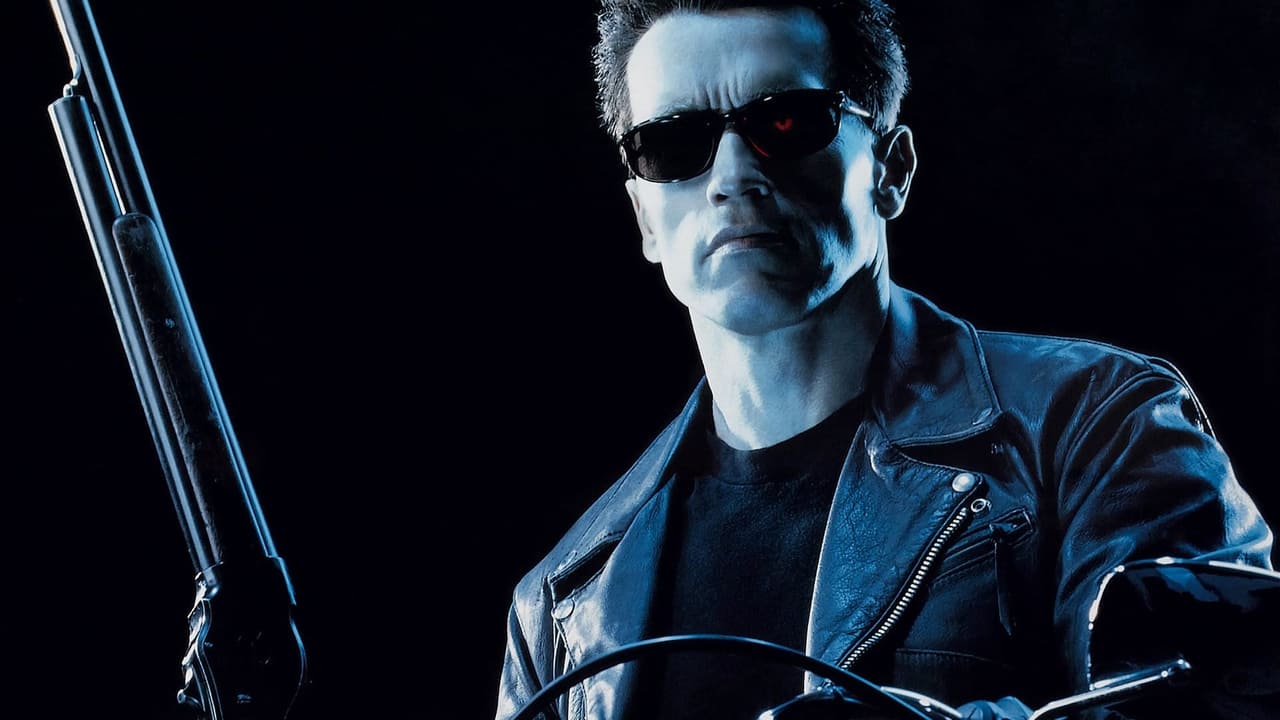
T2 is a masterpiece of the action/sci-fi genre. Its groundbreaking visual effects (both practical and digital) set a new standard, the performances from Hamilton and Schwarzenegger are iconic, and Cameron’s direction delivers relentless thrills alongside genuine emotional weight. The story is tight, the villain unforgettable, and its impact on filmmaking is undeniable. Even decades later, viewed through the nostalgic lens of VHS memories, it remains a near-perfect blockbuster experience.
Terminator 2: Judgment Day isn't just a film you watch; it's an experience you survive. And honestly, revisiting it still feels as vital and thrilling as it did back when that liquid metal first reformed itself on our screens, changing the game forever.