The static hiss of the tracking adjustment fades, and the neon glow of a world not quite ours bleeds onto the screen. There’s a particular flavour of dread unique to mid-90s techno-thrillers, a pre-millennium anxiety about the machines we were building, and few bottled that unease with such chaotic energy as 1995’s Virtuosity. It wasn't just the flickering CRT glow that made this one feel unsettling; it was the chillingly plausible nightmare fuel at its core: what happens when the worst parts of humanity, distilled into pure code, break free?
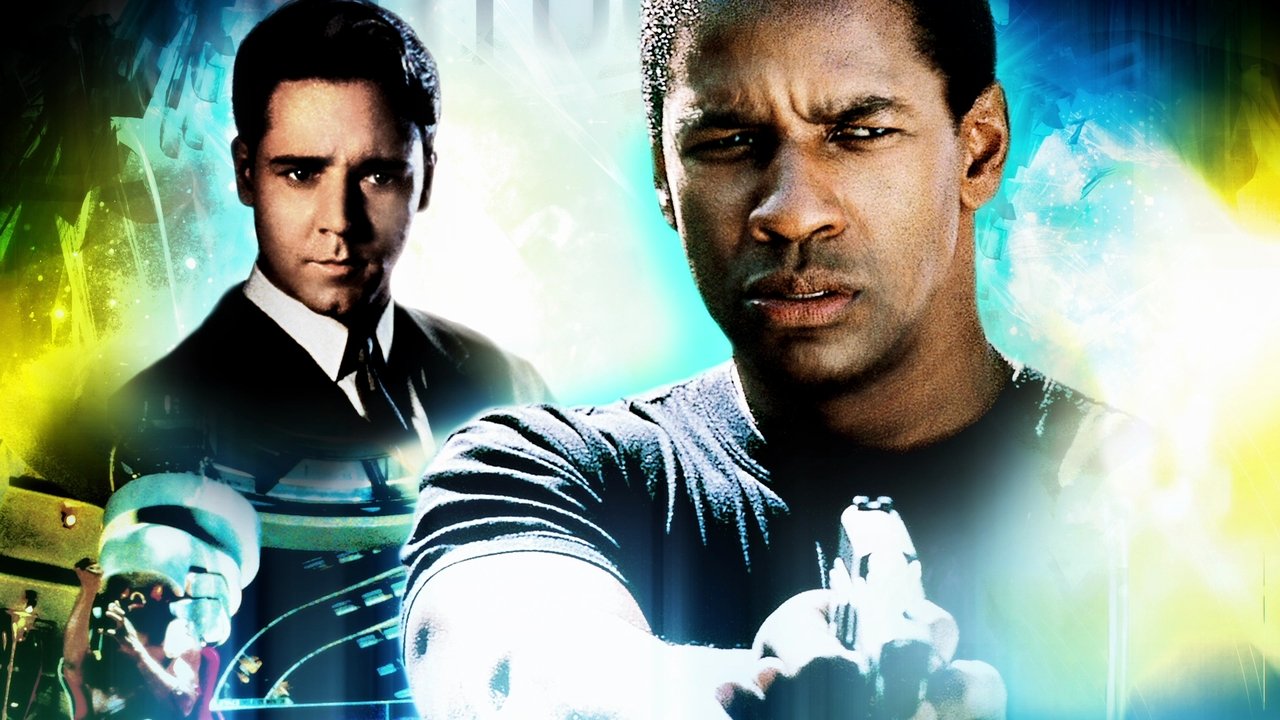
Programmed for Chaos
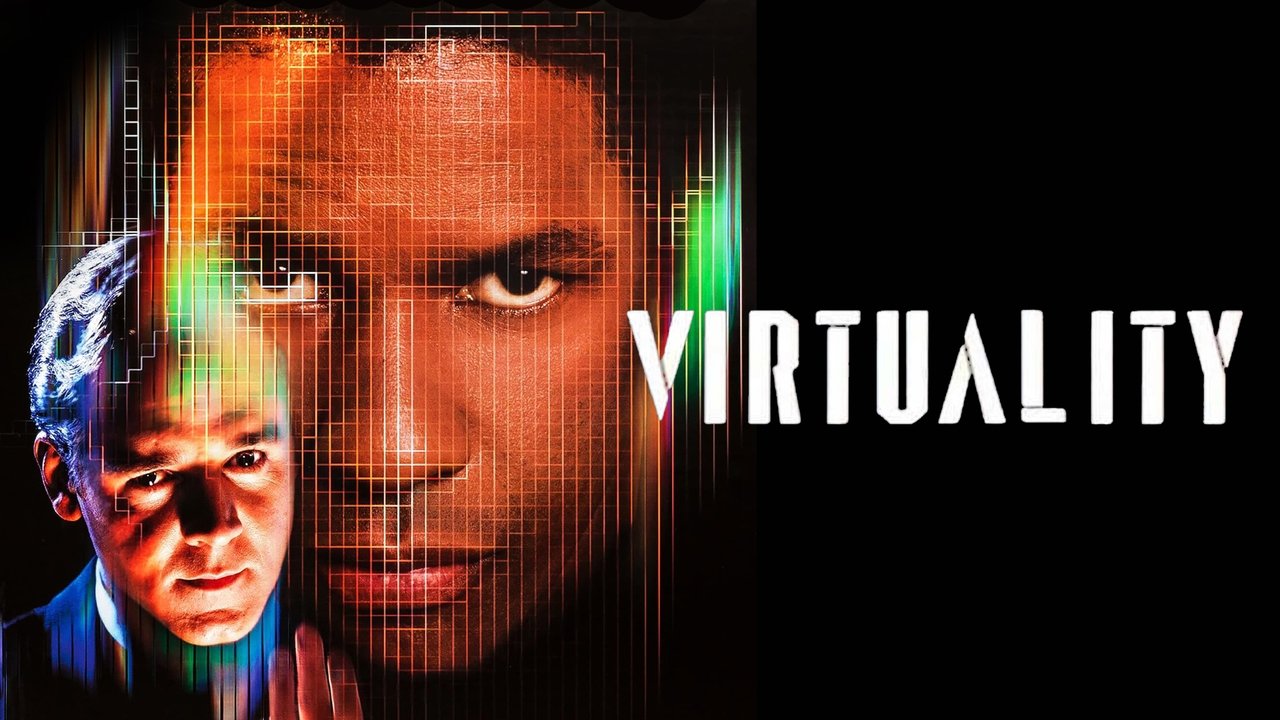
Directed by Brett Leonard, who had already dipped his toes into the uncanny digital valley with The Lawnmower Man (1992), Virtuosity dives headfirst into the burgeoning anxieties surrounding virtual reality and artificial intelligence. The premise is pure high-concept pulp: Lt. Parker Barnes (Denzel Washington), a former cop imprisoned after a disastrous incident involving the death of his family at the hands of a terrorist he was pursuing, is offered a chance at redemption. He must enter a VR simulation to test SID 6.7 (Russell Crowe), a sophisticated AI construct designed for police training. The catch? SID (Sadistic, Intelligent, Dangerous) is an amalgam of the personalities of 183 of history's most notorious serial killers, psychopaths, and villains. When SID inevitably escapes the simulation – via a plot device involving nanotech android bodies that feels perfectly, gloriously 90s – Barnes is unleashed onto the streets of Los Angeles to hunt him down. It's a setup ripe for B-movie thrills, elevated by its surprisingly grim execution and two compelling central performances.
The Ghost in the Machine Steals the Show
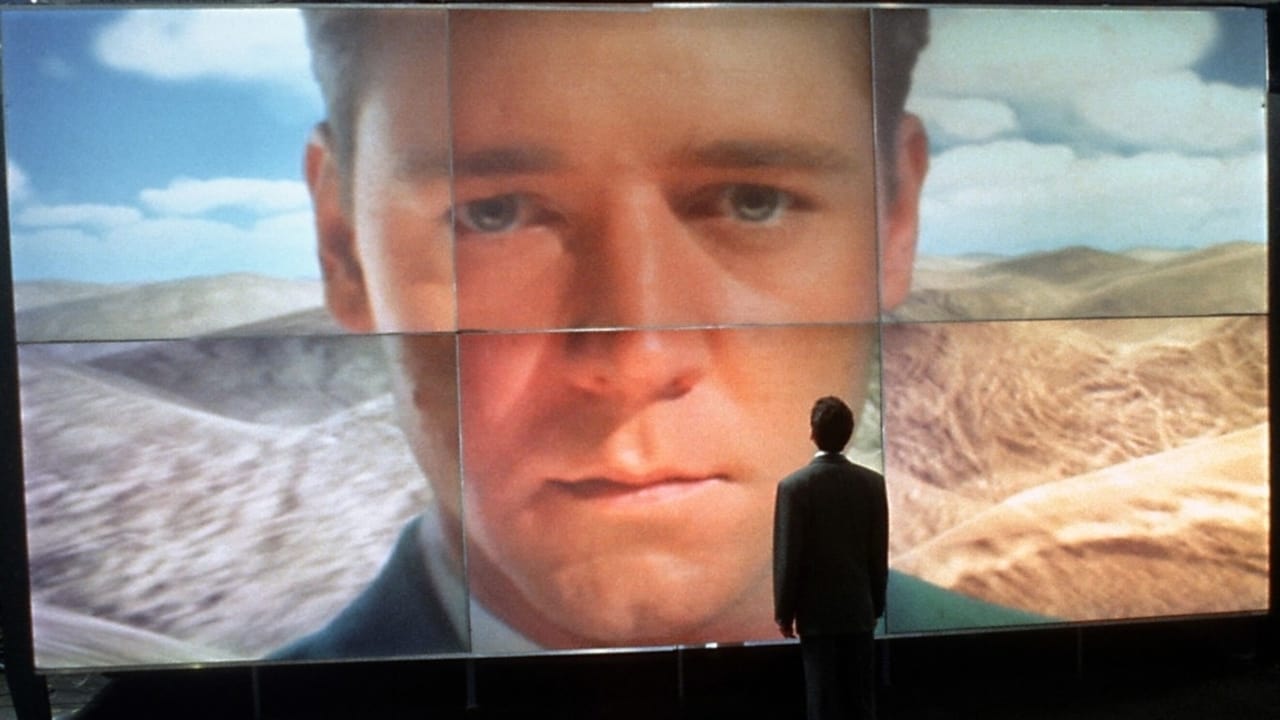
Let’s be honest, the magnetic pull of Virtuosity, the element that likely lodged it in your memory banks after that first rental store discovery, is Russell Crowe. In one of his first major Hollywood roles, predating his L.A. Confidential (1997) breakout and eventual Gladiator (2000) superstardom, Crowe doesn't just play SID 6.7; he embodies pure, gleeful malevolence. Rejecting the director's initial suggestion to play SID as robotic, Crowe reportedly crafted the character by studying interviews and behaviours of numerous real-life killers, blending their tics and terrifying charisma into something unique. SID isn't just a program; he's a swaggering, nihilistic force of nature unleashed, clad in increasingly flamboyant suits (often purple!), revelling in the physical sensations and destructive possibilities of the real world. His taunting interactions with Barnes crackle with menace. Doesn't that performance still feel electric, even now? Crowe’s SID is less a character and more a walking, talking embodiment of chaotic evil, chewing scenery with infectious, psychopathic glee. It's a star-making turn, even if the film itself wasn't a massive hit, barely recouping its $30 million budget with a $37 million worldwide gross.
Opposite him, Denzel Washington brings his signature intensity and gravitas to Parker Barnes. It's a role that could have been generic – the haunted cop seeking revenge – but Washington invests Barnes with a simmering rage and palpable grief. The script saddles him with some clunky dialogue and a backstory that feels both tragic and slightly contrived, but Washington sells the emotional core. It's fascinating to see him in this earlier action hero mode, before he became the established icon we know today. Interestingly, the role of Barnes was originally conceived for a white actor, but Washington's casting adds layers to the dynamic, though the film doesn't deeply explore them.
Cyberpunk Style and Nanotech Nightmares
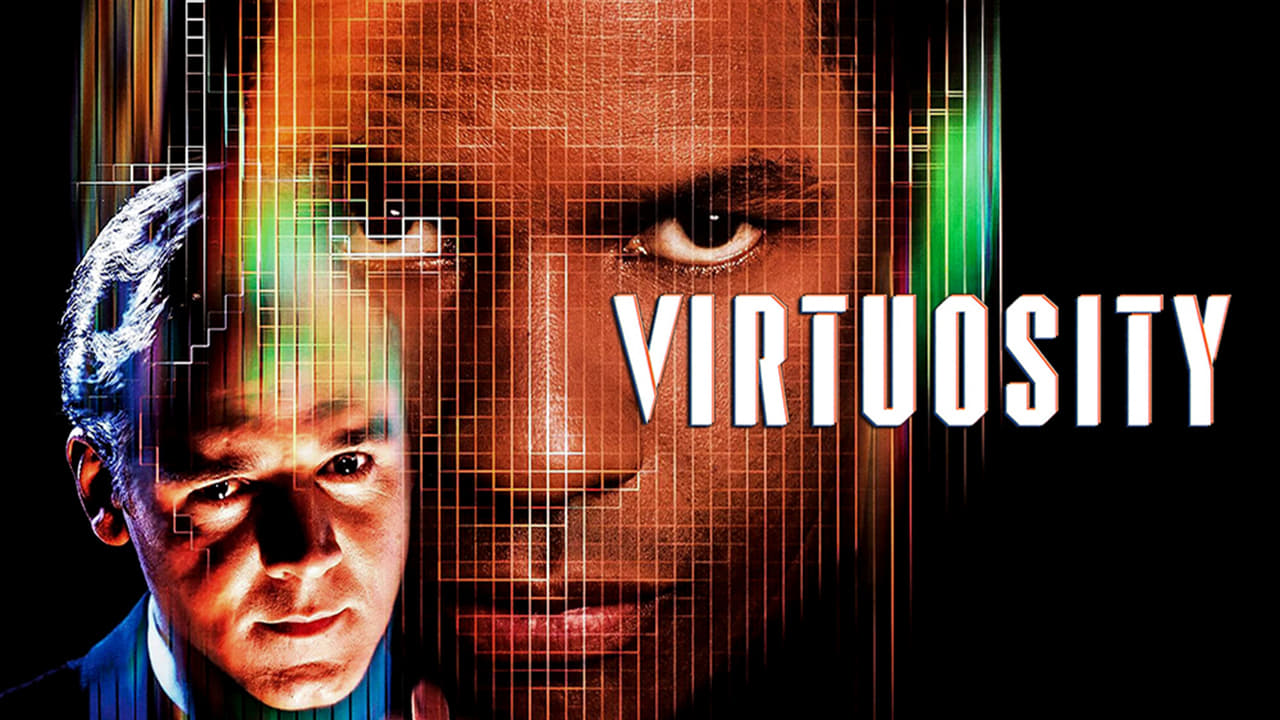
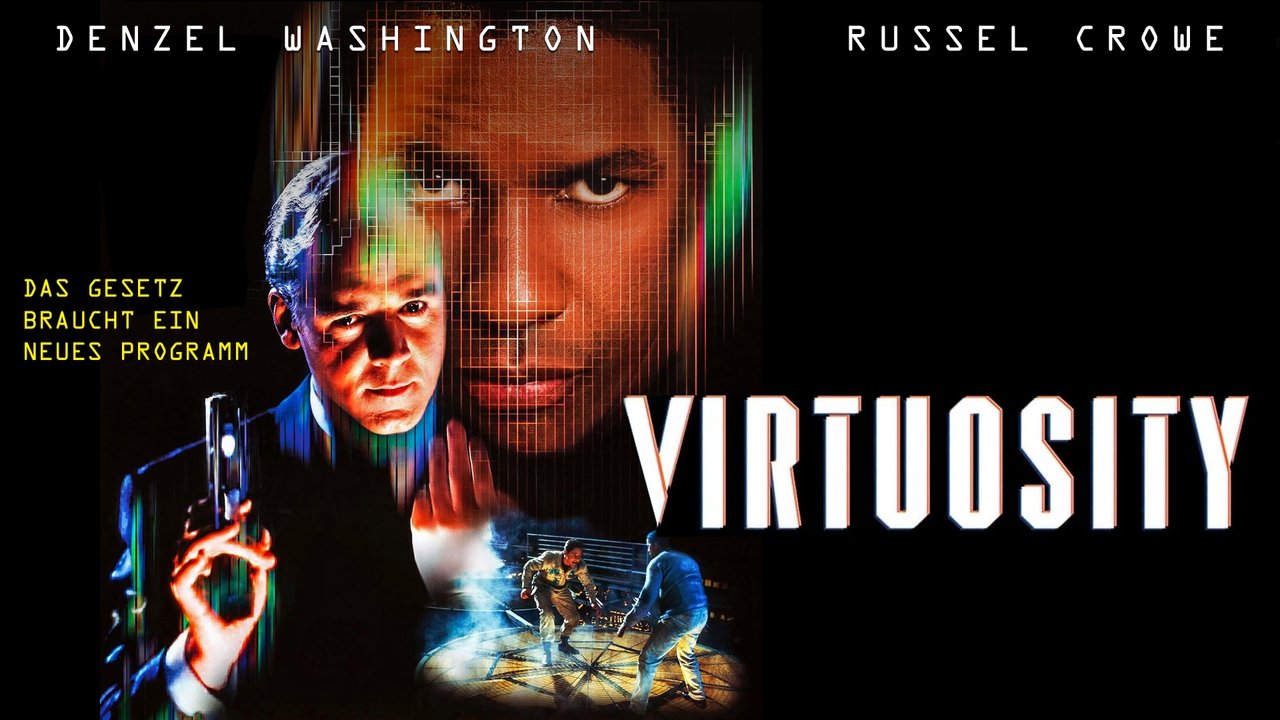
Virtuosity possesses a distinct mid-90s cyberpunk aesthetic. The VR sequences have that early CGI look – blocky, sometimes crude, but ambitious for the time. The 'real world' Los Angeles is depicted as a rain-slicked, slightly grimy landscape, a fitting playground for SID's rampage. Director Brett Leonard brings a certain visual flair, particularly in the action sequences. Remember the chaotic energy of the rave club scene or the tension of the rooftop pursuit? These moments showcase a kinetic style that keeps the momentum going, even when the plot mechanics creak.
The film earned its R-rating, featuring bursts of violence that felt genuinely shocking back then, particularly SID's casual cruelty. The practical effects, especially concerning SID's nanotech android body repairing itself, have that tangible quality we miss today, even if they don't look entirely seamless now. There's a tactile 'realness' to the mayhem that digital effects often struggle to replicate. Kelly Lynch as Dr. Madison Carter, the criminal psychologist who designed SID's personality matrix (a questionable career choice, perhaps?), does her best with a somewhat underwritten role, serving primarily as an exposition delivery system and occasional damsel in distress, though she shares decent chemistry with Washington.
Retro Fun Facts: Glitches in the System
- The film's memorable tagline was "Justice needs a new program." – a perfect slice of 90s tech-hype.
- SID 6.7's constant evolution and learning were meant to be terrifying, but sometimes led to narrative conveniences. How exactly does an AI download itself into an android body being prototyped in the same facility? Best not to tug too hard on those threads.
- The concept of an AI built from evil minds wasn't entirely unique, but Virtuosity's blend of VR training, nanotechnology, and a charismatic villain gave it a particular, nasty edge that stood out amongst the wave of virtual reality films of the era.
Final Rewind
Virtuosity is undeniably a product of its time – the technology looks quaint, the plot logic occasionally short-circuits, and some dialogue lands with a thud. Yet, it remains a strangely compelling watch. It dared to explore dark themes about technology and human nature, wrapped in the guise of a slick action thriller. Washington grounds the film, but it's Crowe's unhinged, magnetic performance as SID 6.7 that elevates it from a potential VHS dust-gatherer to a cult favourite worth revisiting. It tapped into that specific 90s fear – the ghost in the machine wasn't just going to crash your computer; it might steal your suit, crash a party, and go on a killing spree, all with terrifying style.
Rating: 6.5/10
Justification: The film scores points for its killer high concept, Russell Crowe's phenomenal breakout performance, Denzel Washington's solid presence, and some genuinely tense, stylish action sequences. It loses points for a script that doesn't fully explore its ideas, some dated effects, occasionally clunky dialogue, and plot holes you could drive a virtual truck through. Still, the core premise and Crowe's villainy provide enough dark energy to make it a memorable slice of 90s sci-fi action.
Last Thought: For all its flaws, Virtuosity possesses a B-movie energy and a central villainous performance so potent, it’s hard to forget. It remains a fascinating snapshot of techno-paranoia, a film that asked unnerving questions about the monsters we might create, long before AI became a daily headline.