That tagline echoed through video stores, didn't it? "I come in peace." A promise immediately, brutally shattered by the follow-up: "And you go in pieces." That stark contradiction perfectly captures the chaotic energy of Craig R. Baxley's 1990 sci-fi actioner, Dark Angel (or I Come in Peace, depending on which worn VHS box you plucked off the shelf). It’s a film that slams genres together with the subtlety of a car crash – hard-boiled cop thriller meets extraterrestrial splatterfest – and somehow, against the odds, creates something uniquely memorable from the collision. Forget subtlety; this is pure, unfiltered early 90s overdrive, beamed straight from a dimension where explosions are punctuation and aliens bleed neon.

An Unlikely Partnership in Alien Carnage
The setup is delightfully pulpy: Houston cop Jack Caine (Dolph Lundgren, fresh off imposing turns in Rocky IV and Masters of the Universe) is a loose cannon grieving his partner, killed during a drug bust gone wrong involving the city's high-society "White Boys" syndicate. Already wrestling with his own demons and departmental red tape, Caine’s world spirals further when bodies start piling up with inexplicable puncture wounds, drained of something vital. Enter Talec (Matthias Hues), a towering, platinum-blonde alien enforcer harvesting human endorphins (released during heroin overdoses, naturally) to sell as an intergalactic narcotic. He’s pursued by Azeck (Jay Bilas), an alien cop trying to stop him. Caught in the middle are Caine and his new, distinctly unwelcome partner, the by-the-book FBI agent Arwood "Larry" Smith (Brian Benben), alongside resourceful coroner Diane Pallone (Betsy Brantley).
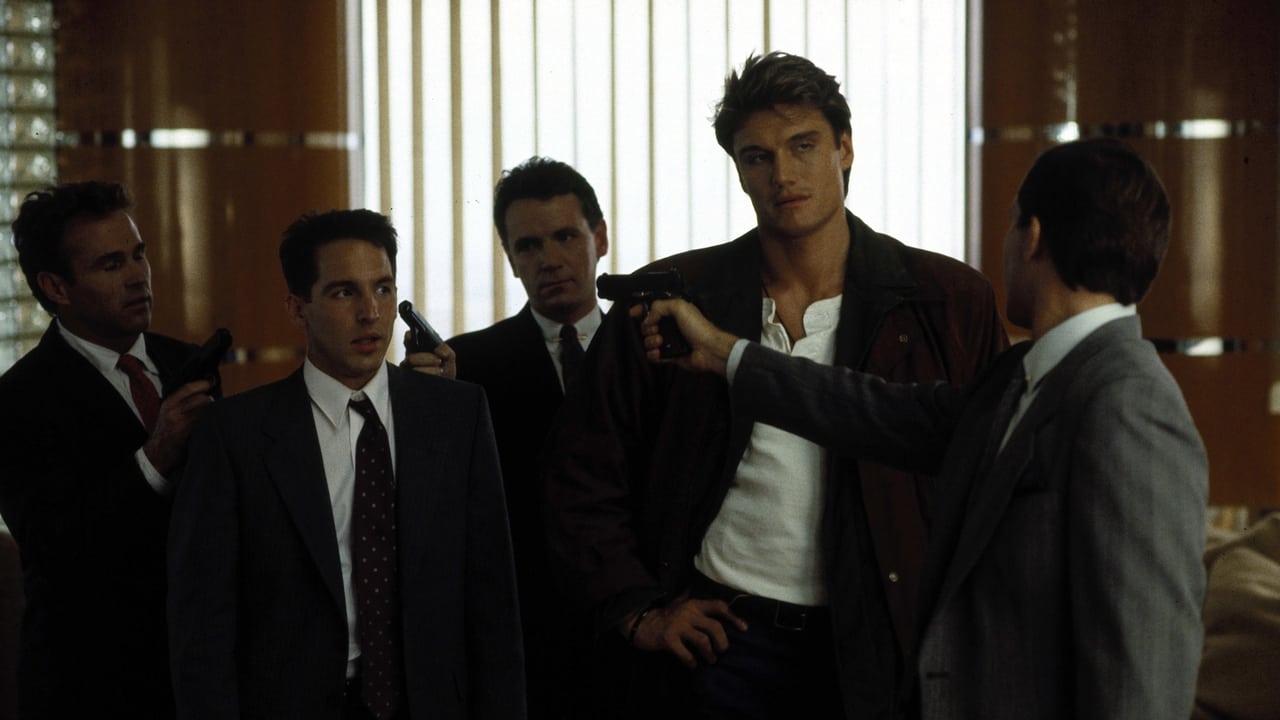
What follows is a relentless chase through the gritty streets and industrial landscapes of Houston. Lundgren delivers exactly what you’d expect: stoic determination, physical intimidation, and a surprisingly effective deadpan delivery that lands lines like "Fuck you, space man!" with genuine conviction. He’s the granite anchor in a sea of escalating absurdity. The real spark, however, comes from his interplay with Benben. Their mismatched buddy-cop dynamic provides much of the film's charm and necessary levity amidst the mayhem. Benben, known more for sitcoms like Dream On, is perfectly cast as the bewildered, uptight federal agent thrown headfirst into extraterrestrial warfare. Their banter feels less like forced comic relief and more like the natural, exasperated reactions of two wildly different individuals facing an impossible situation.
Visceral Thrills and VHS-Era Grit
Director Craig R. Baxley, a former stunt coordinator who helmed the similarly explosive Action Jackson (1988), brings a raw, physical energy to the proceedings. The action sequences are frequent, practical, and pack a satisfying crunch. Car chases feel genuinely dangerous, explosions are suitably fiery, and the hand-to-hand combat leverages Lundgren's imposing physique. Baxley knows how to stage visceral impact, a skill honed through years of making stunt performers look good (and probably hurt). Houston itself becomes a character – not the gleaming metropolis often shown, but its underpasses, warehouses, and rain-slicked streets, providing a grounded, grimy backdrop for the sci-fi chaos.
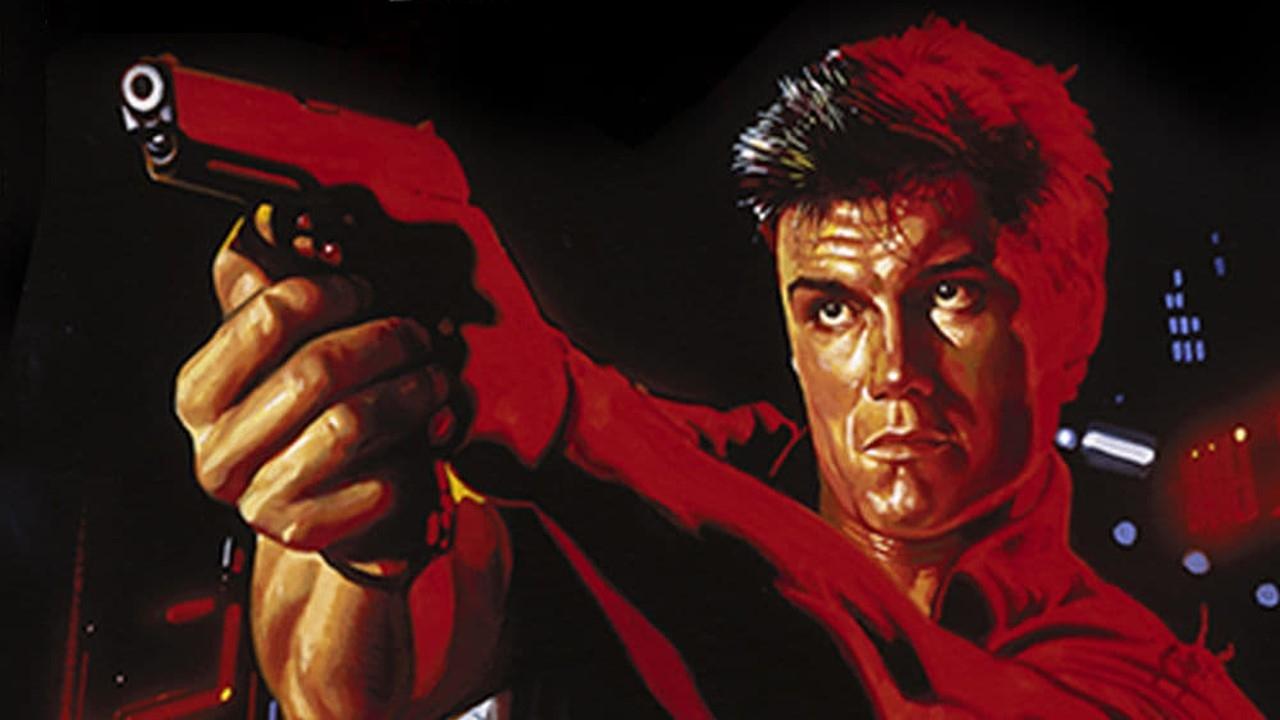
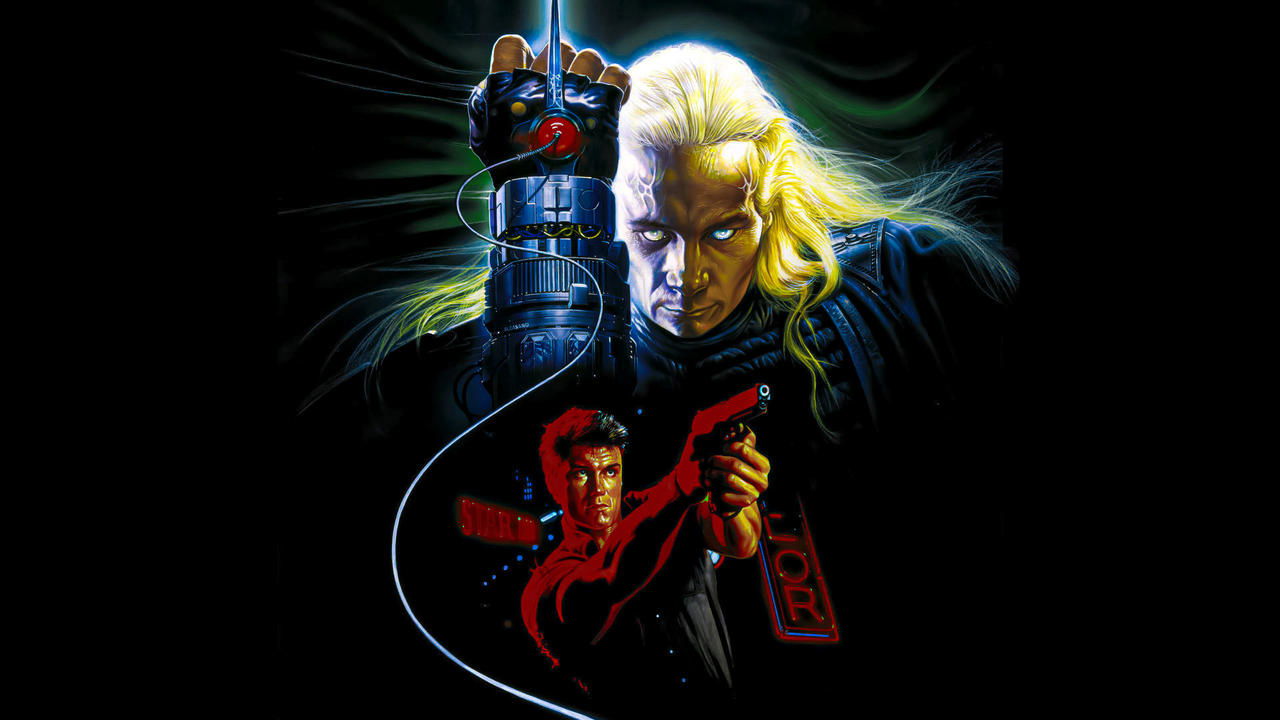
And then there's the alien tech. Talec’s primary weapon – a spinning disc that ricochets off surfaces before homing in on its target with lethal, limb-severing force – is pure nightmare fuel. It was a genuinely unnerving practical effect back in the day, accompanied by a chilling electronic whir that signaled impending doom. Its sheer destructive power felt shocking, contributing significantly to the film's dark edge. The alien design itself, while perhaps simplistic by today's standards, has a certain unsettling quality, particularly Talec's blank, predatory stare. Reportedly, the filmmakers wanted a distinct look, avoiding the common 'man-in-suit' feel, and Matthias Hues's towering frame and piercing eyes certainly helped sell the otherworldly menace.
Behind the Curtain: Cosmic Drugs and Title Fights
Dark Angel arrived at a fascinating intersection of genre filmmaking. Written by a team including a young David Koepp (credited as Leonard Maas Jr.), who would soon pen blockbusters like Jurassic Park (1993) and Mission: Impossible (1996), the script shows flashes of sharp dialogue and a surprisingly sturdy structure beneath the B-movie premise. It was produced for a relatively modest $7 million, aiming squarely at the action/sci-fi crowd that devoured similar fare on home video. The title change itself became a point of contention; distributors felt I Come in Peace was perhaps too ironic or confusing for international markets, opting for the more generic but arguably more marketable Dark Angel in many territories. This split identity is something many VHS collectors fondly remember, debating which title truly fits best.
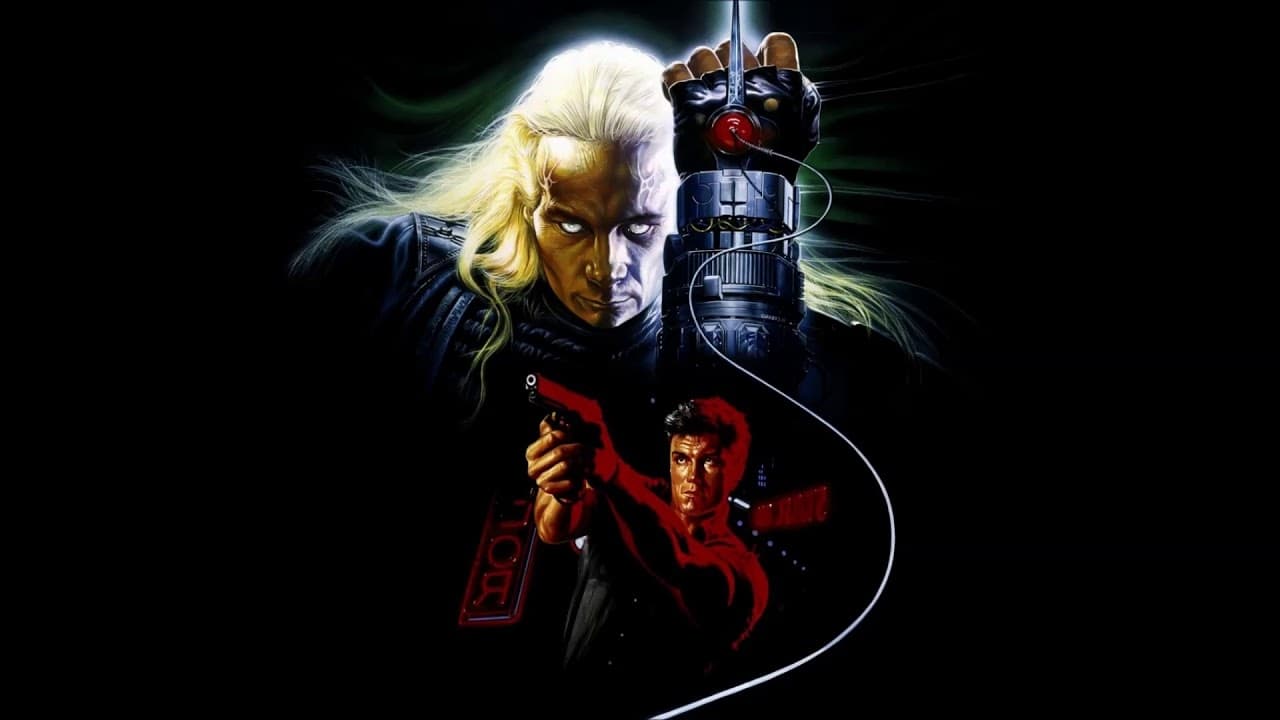
The film didn't exactly set the box office ablaze, pulling in around $10.7 million worldwide, but it found its true home on video store shelves. I vividly recall seeing that VHS box, often with the I Come in Peace title, Lundgren looming large with that improbable alien weapon. It was exactly the kind of tape you’d grab for a Friday night, promising high-octane thrills and maybe a few genuine jolts. The tagline alone was usually enough to seal the deal.
Legacy of a Space Cop Showdown
Does Dark Angel hold up? Judged by modern blockbuster standards, perhaps not entirely. The plot has its contrivances, and some effects show their age. But judged as a product of its time – a high-energy, unapologetically violent, and surprisingly fun slice of early 90s action sci-fi – it absolutely delivers. It blends the gritty urban cop thriller with extraterrestrial horror tropes in a way few films attempted, leaning into its wild premise with gusto. The buddy-cop chemistry works, the action hits hard, and the central villain and his weapon remain genuinely cool B-movie creations. It’s a film that knew exactly what it wanted to be and executed it with skill and explosive energy.
Rating: 7/10
The score reflects a film that punches well above its weight class. It's hampered slightly by its budget and era, but overcomes these limitations with sheer R-rated energy, a great central pairing, memorable villainy, and Craig R. Baxley's knack for kinetic action. It doesn't try to be deep, but it is deeply entertaining.
Dark Angel remains a potent shot of VHS-era nostalgia – a film that perfectly encapsulates the kind of creative, high-concept genre mashups that thrived back then. It's loud, violent, occasionally silly, but always committed, leaving you with a sense of exhausted satisfaction... and maybe double-checking dark alleys for spinning alien discs.