That constant, rhythmic ping… ping… ping from the motion tracker. Even now, decades after first hearing it echo from the speakers flanking a grainy CRT, that sound instantly triggers a Pavlovian response: clammy hands, shallow breath, the certainty that something dreadful is closing in, unseen in the dark. That’s the insidious power of James Cameron's 1986 masterpiece, Aliens. It wasn't just a sequel; it was an escalation, a shift from the gothic space-haunting of Ridley Scott’s 1979 original Alien into something altogether more visceral: a combat drop straight into hell.

More Than Just Bugs
Picking up 57 years after the Nostromo incident, the film finds Ellen Ripley (Sigourney Weaver, embodying trauma and resolve) rescued from hypersleep, only to be disbelieved and stripped of her flight status. But the nightmare isn't over. LV-426, the desolate moon where her crew met the creature, has since been colonized. And now? Silence. Persuaded – or perhaps coerced – by slimy company man Carter Burke (Paul Reiser, perfectly cast against type) and escorted by a squad of tough-talking Colonial Marines, Ripley agrees to return, armed this time, to the place that haunts her waking and sleeping moments. The initial pitch Cameron famously scribbled? "Alien," he wrote, then added an "S" and drew two lines through it, turning it into a dollar sign: Alien$. It was bold, maybe arrogant, but captured the studio's desire and his own ambitious vision for a bigger, more action-packed follow-up.
Welcome to the Suck
The transition from the first film's slow-burn terror to Aliens' high-octane warfare is jarring, yet utterly effective. Cameron, already showcasing the relentless pacing that would define his later work like Terminator 2: Judgment Day (1991), throws us headfirst into the world of the Marines. Hicks (Michael Biehn, Cameron's stoic go-to), the wisecracking Hudson (Bill Paxton, ad-libbing the immortal "Game over, man!"), the formidable Vasquez (Jenette Goldstein, who initially thought it was a film about immigrants and showed up to audition accordingly), and the steady Sgt. Apone (Al Matthews, a real-life Marine Corps veteran) – they feel like a unit. This authenticity wasn't accidental; Cameron insisted the principal actors playing Marines endure a grueling two-week training session with the British SAS, fostering genuine camaraderie and weapon familiarity that translates directly onto the screen. Their cocky bravado soon melts away, replaced by primal fear, making their plight intensely relatable.
The atmosphere on LV-426 is thick with decay and dread. The colony, Hadley's Hope, isn't just empty; it’s violated. Production designer Peter Lamont worked wonders, transforming parts of the decommissioned Acton Lane Power Station in London into the labyrinthine, Giger-inspired corridors and the terrifyingly organic resin secreted by the Xenomorphs. The sense of claustrophobia is palpable, amplified by James Horner's frantic, percussive score – a score famously composed under extreme pressure, with Horner given mere weeks (and sometimes writing cues overnight on set) due to constantly shifting edits. That tension bleeds into the music itself, becoming inseparable from the film's nerve-shredding suspense.
Practical Perfection, Primal Fear
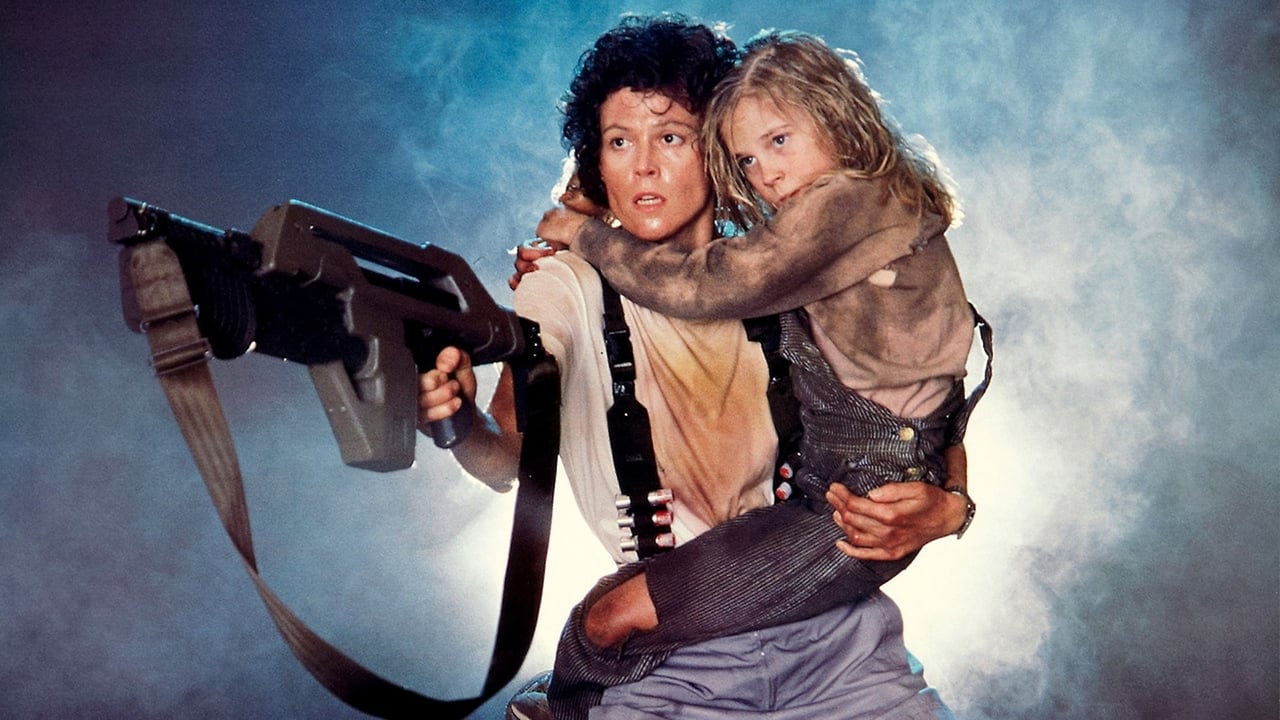
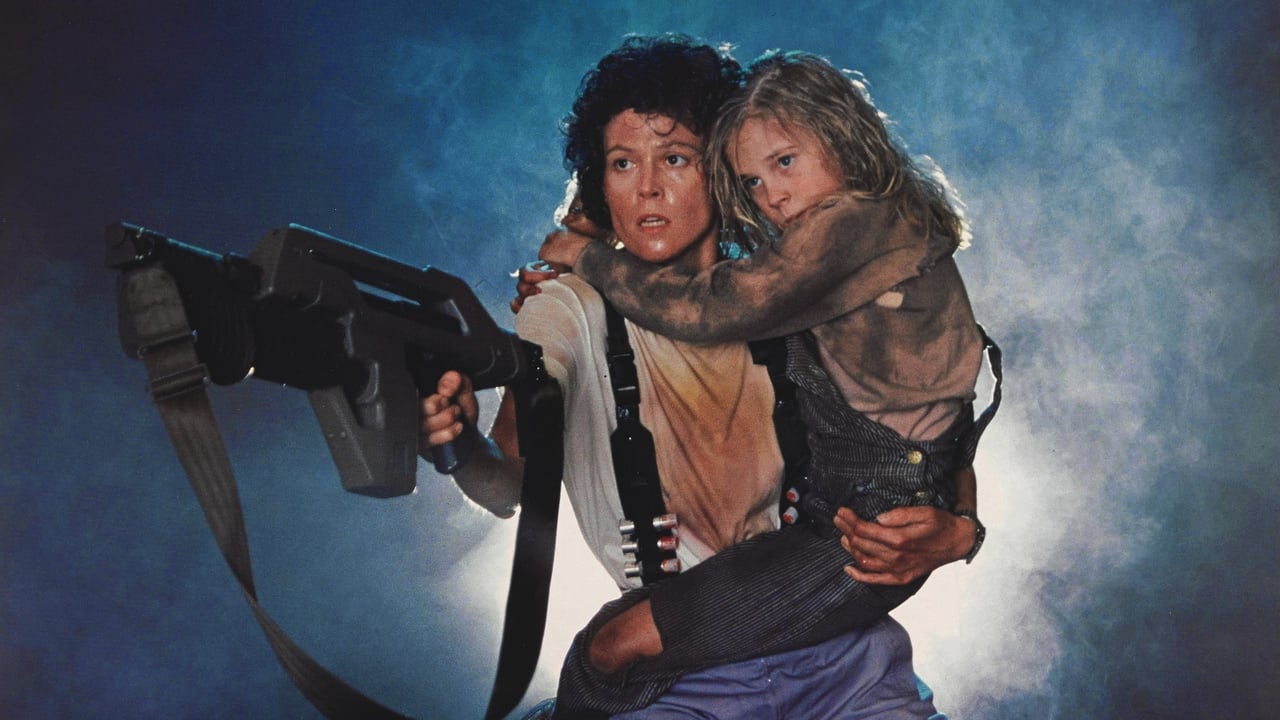
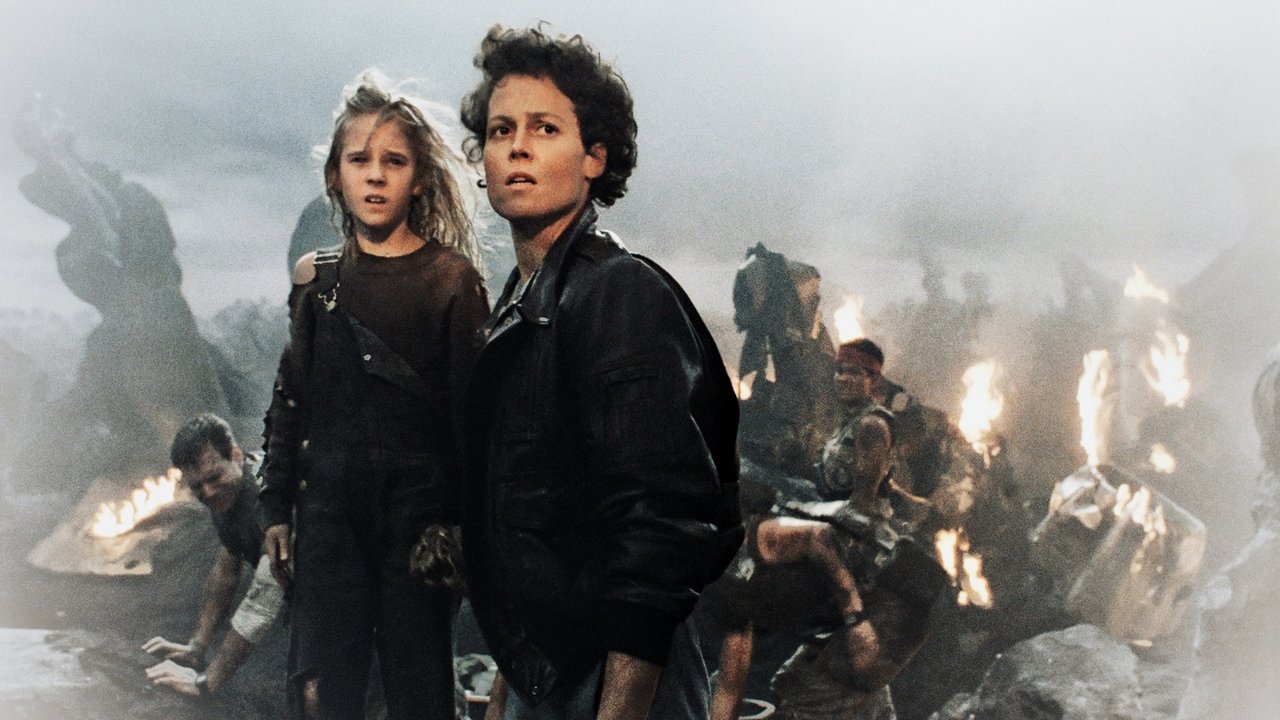
Let's talk about the Xenomorphs. Stan Winston Studio didn't just replicate H.R. Giger's original nightmare; they multiplied it, militarized it, and gave it a monarch. The warriors, subtly redesigned for greater mobility, swarm and overwhelm, but it's the reveal of the Alien Queen that remains etched in memory. This wasn't CGI; this was a fourteen-foot-tall practical puppet, hydraulically operated by a team of puppeteers hidden inside and around it. The sheer physicality of the Queen, her terrifying maternal rage mirroring Ripley's own protective instincts towards the orphaned Newt (Carrie Henn), creates a climax that feels astonishingly real, even today. Remember the Power Loader Ripley uses in that final confrontation? Cameron apparently got the idea watching loading equipment at Narita airport. It's another piece of incredible practical wizardry, making the impossible feel tangible. The budget, around $18.5 million (a modest sum even then, maybe $50 million today), forced ingenuity, like using mirrors and camera angles to make corridors seem longer and sets appear larger.
While the action is relentless, Aliens never forgets the human element. Weaver’s performance is monumental. Her transformation from haunted survivor to ferocious protector earned her a Best Actress Oscar nomination – almost unheard of for a sci-fi action film at the time. The reinsertion of the deleted scenes (available on later cuts, often the preferred version for fans who wore out their original VHS tapes) revealing Ripley had a daughter who died during her hypersleep adds another profound layer to her bond with Newt. It reframes her entire motivation, making her final stand against the Queen not just survival, but a primal battle between mothers. Did you know Lance Henriksen (Bishop) actually did the knife trick? While sped up slightly on film, his hand wasn't Bill Paxton's – though Paxton was apparently genuinely nervous during filming!
Legacy in Acid Blood
Aliens didn't just become a box office smash (grossing over $130 million worldwide); it fundamentally altered the landscape of science fiction and action cinema. Its blend of military hardware, ensemble cast dynamics, intense action, and strong female lead became a template endlessly imitated (rarely equaled) in films and especially video games (Doom, StarCraft, Halo owe it a huge debt). It proved sequels could expand upon, rather than just rehash, their predecessors, and cemented James Cameron as a directorial force capable of delivering spectacle with substance. It led, of course, to further sequels (Alien 3, Alien Resurrection, and the prequels Prometheus and Alien: Covenant), each with varying degrees of success and fan reception, but none quite captured the perfect storm of action, horror, and heart achieved here.

Rating: 9.5/10
This score reflects a near-perfect execution of its vision. Aliens is a masterclass in tension-building, practical effects, and character-driven action. It takes the chilling concept of the original and injects it with pure adrenaline, crafting iconic moments and characters that resonate decades later. The pacing is relentless, Weaver's performance is legendary, and the creature effects remain breathtaking. It loses perhaps half a point only because some character archetypes lean into familiar territory, but they are performed and directed with such conviction that it hardly matters.
Aliens is more than just a movie you watched; it’s a movie you survived. It’s the scraped knuckles from gripping the armrest too tight, the phantom ping of the motion tracker in a quiet room. It’s that feeling of relief mixed with exhaustion when the credits finally rolled on that worn-out VHS tape, knowing you’d just witnessed something truly special, terrifying, and utterly unforgettable. Game over? Hardly. This one plays on repeat.