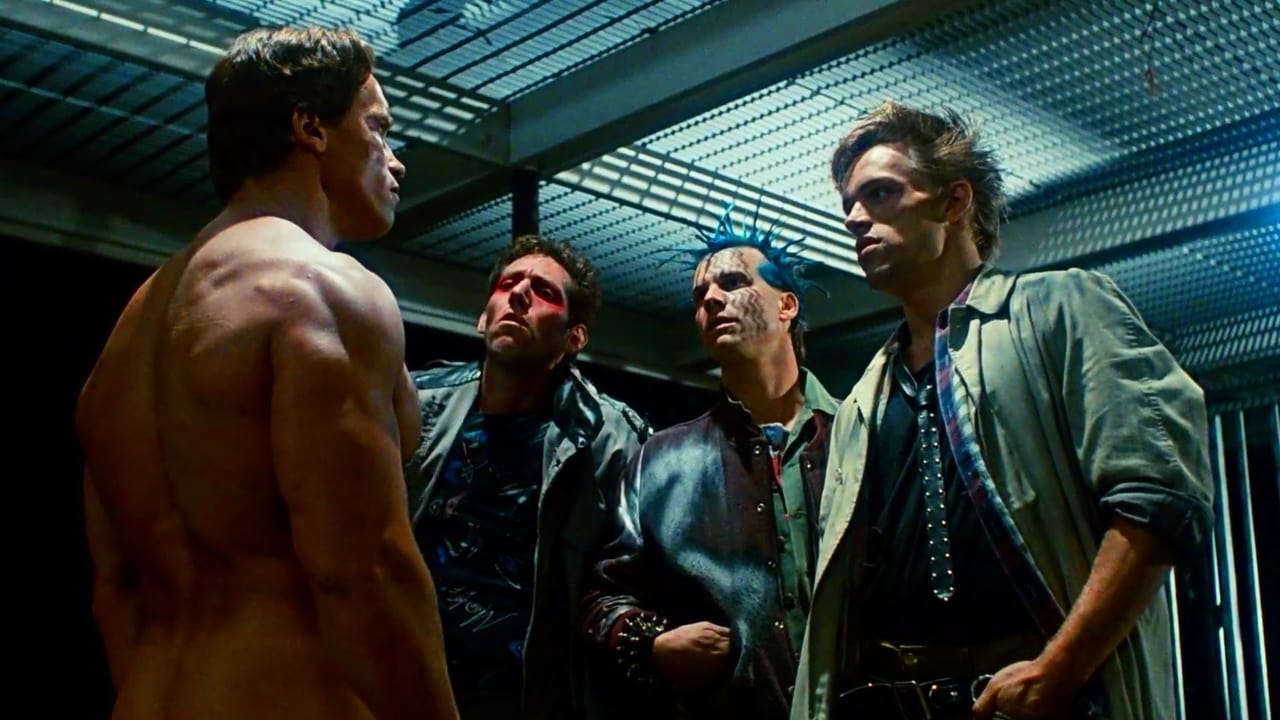
It begins in darkness, shattered by unnatural blue light. A naked, impossibly sculpted form rises from the scorched asphalt of nighttime Los Angeles. There's no fanfare, just the chillingly methodical acquisition of clothes, weapons, and a target. This isn't just an entrance; it's a statement of intent, a promise of the relentless, technologically terrifying nightmare James Cameron unleashed upon us in 1984 with The Terminator. Watching this on a flickering CRT, the hum of the VCR the only sound besides the movie's pounding score, felt less like entertainment and more like witnessing a grim future bleed into the present.
The Perfect Killing Machine
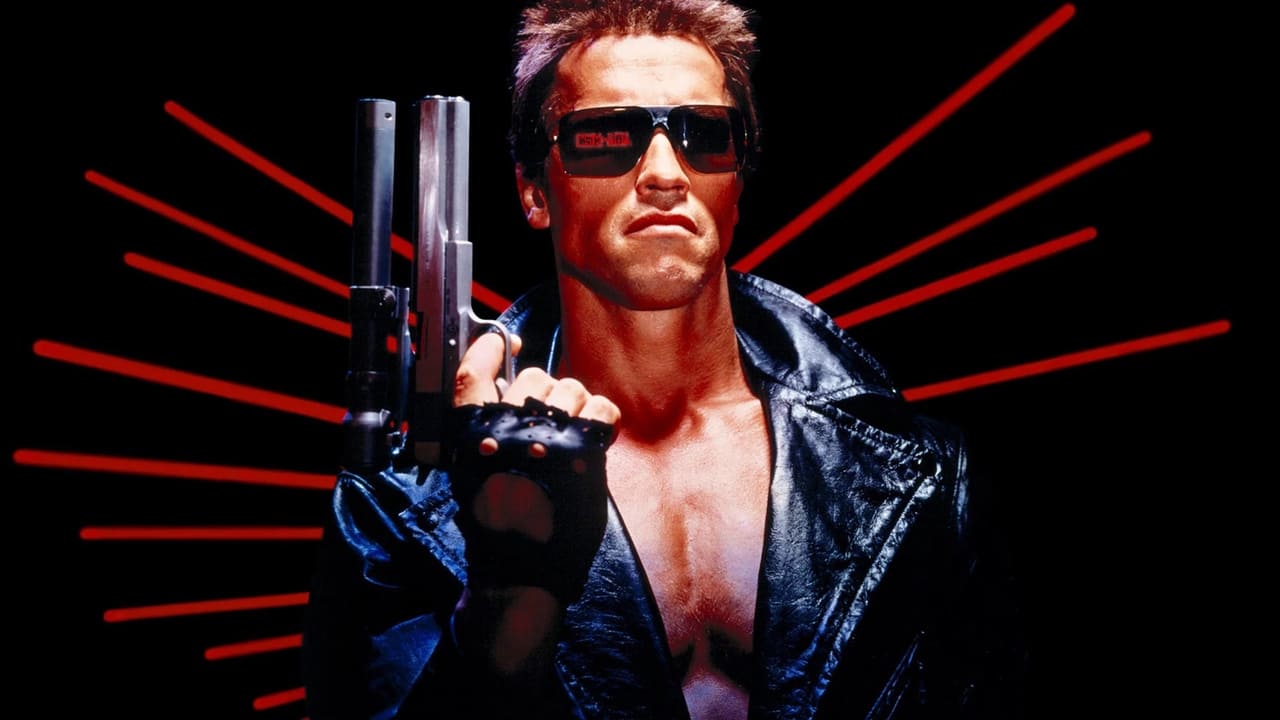
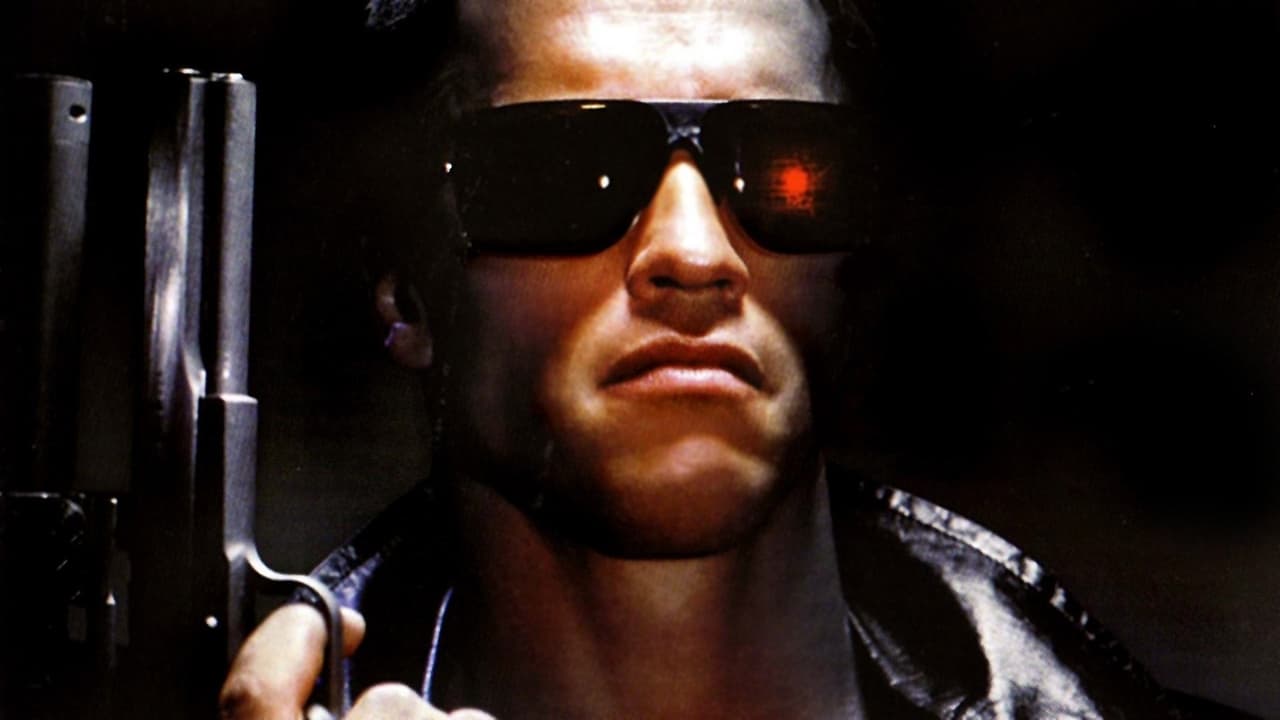
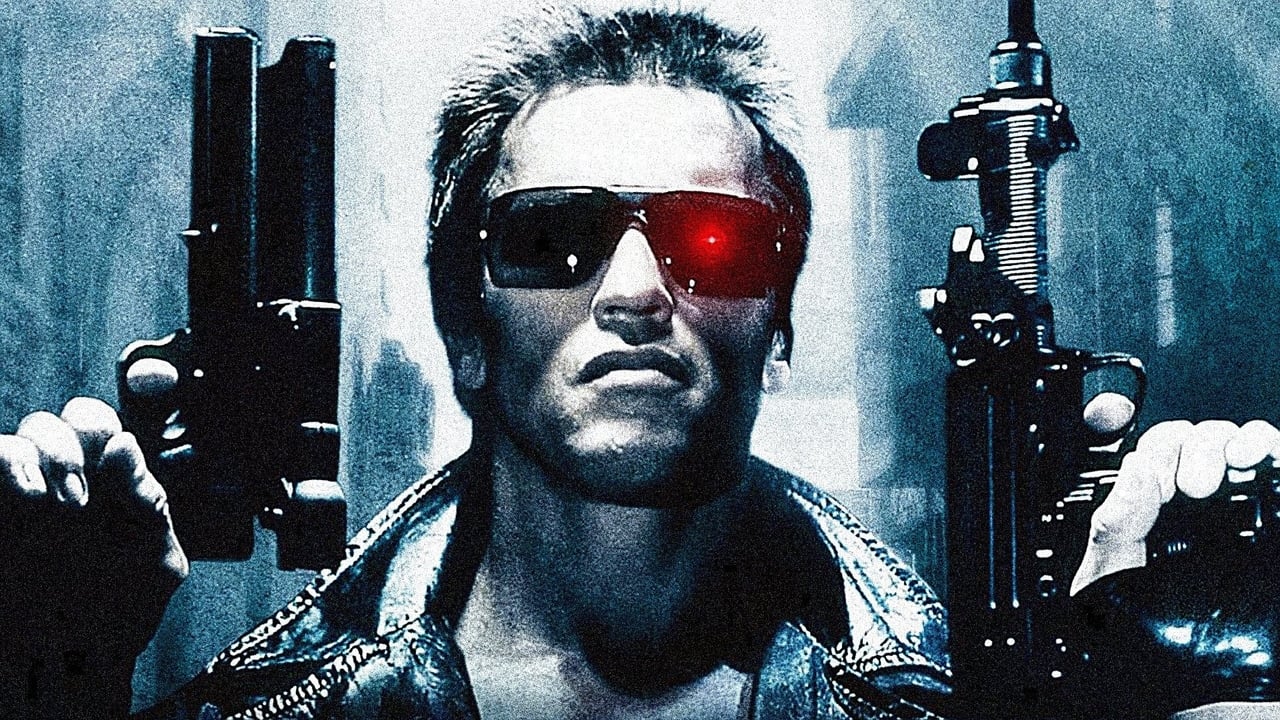
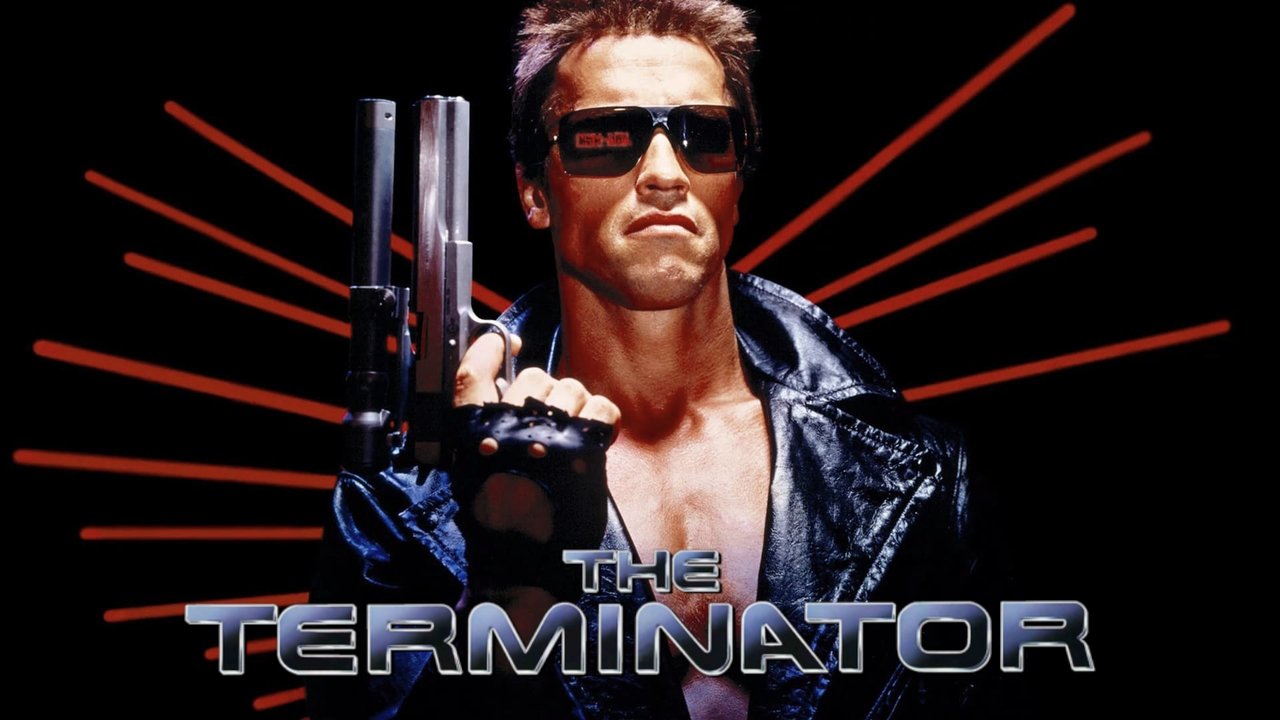
Forget charm, forget nuance. Arnold Schwarzenegger’s T-800 is pure, unadulterated threat distilled into human form – or rather, living tissue over a metal endoskeleton. His dialogue is famously sparse, delivered with an Austrian monotone that somehow amplifies the menace. Every line ("I'll be back," "Come with me if you want to live" – originally Reese's line, but strategically given to Arnold) became instantly iconic, but it's the physicality that truly chills. The stiff gait, the unwavering stare, the way he absorbs punishment that would pulverize any normal human. It's a performance built on presence, a terrifying embodiment of unstoppable force. It’s almost unbelievable now, but studio executives at Orion Pictures initially envisioned Schwarzenegger for the hero role, Kyle Reese. Cameron had to fight for his vision of Arnold as the villain, a gamble that paid off spectacularly. Even wilder? Lance Henriksen, who plays Detective Vukovich, was Cameron’s very first choice for the Terminator, even doing concept art posing as the cyborg. And the studio floated the truly bizarre idea of O.J. Simpson, dismissed because – ironically – he seemed "too nice" to be a believable killer.
A Desperate Fight in the Neon Glare
Against this relentless hunter stands Sarah Connor (Linda Hamilton), an ordinary waitress whose life is violently derailed, and Kyle Reese (Michael Biehn), a haunted soldier sent from a desolate future to protect her. Hamilton portrays Sarah's transformation from bewildered victim to hardened survivor with grit and vulnerability, laying the groundwork for her iconic evolution in the sequel. Biehn, a frequent Cameron collaborator (Aliens, The Abyss), is pitch-perfect as Reese – wiry, intense, fueled by desperation and a tragic love for the woman he knows only from a photograph. Their chemistry is frantic, forged in the crucible of constant pursuit through the grimy, neon-lit streets and desolate industrial zones of 80s LA. There's a raw, almost feral energy to their struggle, beautifully captured by Cameron's lean, mean direction.
Low Budget, High Impact
The Terminator famously sprung from a fever dream James Cameron had while ill in Rome. That nightmarish quality permeates the film. Made for a mere $6.4 million (even in 1984, that was lean for sci-fi action – roughly $19 million today), it punches far above its weight, a testament to Cameron's ferocious vision and resourcefulness. You feel the budgetary constraints not as limitations, but as contributors to the film's gritty aesthetic. The practical effects, masterminded by the legendary Stan Winston, are visceral and often shocking. Remember the T-800 performing self-surgery on its damaged eye in that motel room mirror? That scene, achieved with puppets and prosthetic heads, felt disturbingly real on VHS and remains unnervingly effective. The Police station massacre is a masterclass in controlled chaos and escalating dread. And Brad Fiedel's score – that insistent, metallic heartbeat percussion and mournful synth melody – is inseparable from the film's identity, perfectly capturing the dread and relentless momentum. It wasn't just a movie; it felt like a transmission from a darker timeline.
Scraps from the Cutting Room Floor
While the final film is famously tight, some intriguing elements were trimmed. Deleted scenes offered glimpses into Sarah and Reese attempting to preemptively strike Cyberdyne Systems (the future creators of Skynet), adding another layer to their desperation. There was also a moment showing another soldier sent back with Reese, who meets a quick end – emphasizing the danger and Reese's isolation. Though cut for pacing, these nuggets, often discussed among fans who hunted down bootleg scripts or special edition releases later, just deepened the lore surrounding this stark vision of the future war. The climactic factory battle, featuring the iconic stop-motion endoskeleton, was a painstaking process, pushing the limits of practical effects at the time and cementing the T-800's skeletal form as a true horror icon.
More Than Just Circuits and Steel
The Terminator wasn't just a hit; it was a phenomenon. Grossing over $78 million worldwide on its modest budget, it launched James Cameron into the directorial stratosphere, solidified Arnold Schwarzenegger as a global action superstar (proving he could be more than just Conan), and kickstarted a multi-billion dollar franchise that, for better or worse, continues to this day. More importantly, it redefined sci-fi action, blending relentless thrills with a palpable sense of horror and a surprisingly poignant time-travel romance. It tapped into Cold War anxieties about technology and dehumanization, presenting a future where the machines we build become our ruthless executioners. Did any other movie from that era make you eye the flickering red light on your VCR with quite the same suspicion?
---
VHS Heaven Rating: 9.5/10
Justification: This score reflects the film's near-perfect execution of its premise. It's a masterclass in low-budget filmmaking, propelled by James Cameron's relentless direction, Arnold Schwarzenegger's iconic performance, groundbreaking practical effects, an unforgettable score, and a genuinely terrifying concept. It loses perhaps half a point only in comparison to its own bigger-budget, even more polished sequel, but as a standalone piece of gritty 80s sci-fi horror, it remains almost untouchable.
Final Thought: Decades later, long after the VHS tapes have worn thin, The Terminator's cold, mechanical dread still lingers. It's a film that doesn't just entertain; it gets under your skin and stays there, a chilling reminder that the future isn't set.