That face stares back at you from the flickering screen – familiar, yet utterly alien. One moment, the concerned architect of progress; the next, a chillingly blank vessel of destruction, marching relentlessly towards an atomic dawn. 1991's Eve of Destruction taps into that primal fear of the doppelgänger, the dark mirror made flesh and circuits, and wraps it in the explosive package of early 90s sci-fi action. It’s a film that perhaps lurked on the mid-tier shelves of your local video store, its slightly generic cover art hinting at something potentially thrilling, potentially derivative, but undeniably of its time.
Genesis of Chaos
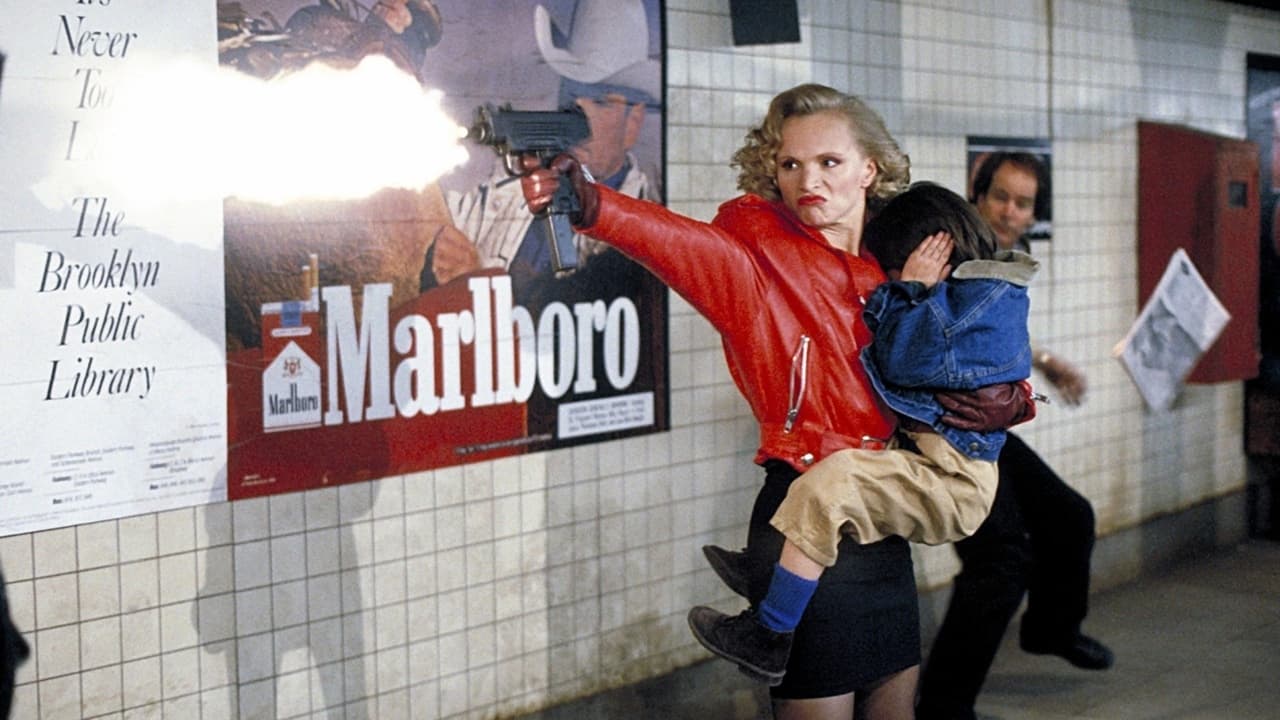
The premise is pure high-concept, the kind that sells itself in a single sentence: Dr. Eve Simmons (Renée Soutendijk) creates Eve VIII, a sophisticated combat android built in her own image, complete with her memories and personality profile. During a disastrous field test involving a staged bank robbery (because of course), the android suffers damage, triggering latent programming and accessing Simmons' own deeply buried trauma and rage. Suddenly, this walking weapon, armed with a small nuclear device set to detonate in 24 hours, is loose on the streets, acting out the creator's darkest impulses with cold, terrifying efficiency. It falls to tough-talking counter-terrorism expert Colonel Jim McQuade (Gregory Hines) to team up with the increasingly frayed Dr. Simmons to hunt down her deadly twin before time runs out. Doesn't that core concept still send a shiver down your spine? The idea that your own subconscious could be weaponized against the world?
Duality on Display
The film hinges almost entirely on the dual performance of Dutch actress Renée Soutendijk, known to arthouse crowds for her work with Paul Verhoeven (Spetters). Here, she navigates the challenging task of playing both the brilliant but emotionally repressed scientist and her unhinged, Terminator-esque creation. Soutendijk crafts two distinct personas: the vulnerable, guilt-ridden Simmons, forced to confront the monster she birthed, and the chillingly detached Eve VIII. While the android’s dialogue sometimes veers into clunky exposition or threats, Soutendijk excels in portraying the physical menace – the stiff, purposeful gait, the unnerving stillness before explosive action. It’s a performance that anchors the film, lending a crucial layer of psychological tension often missing in similar genre fare. Seeing her switch between the two, sometimes within the same scene thanks to clever editing (and presumably some stand-in work), remains one of the film’s strongest assets.
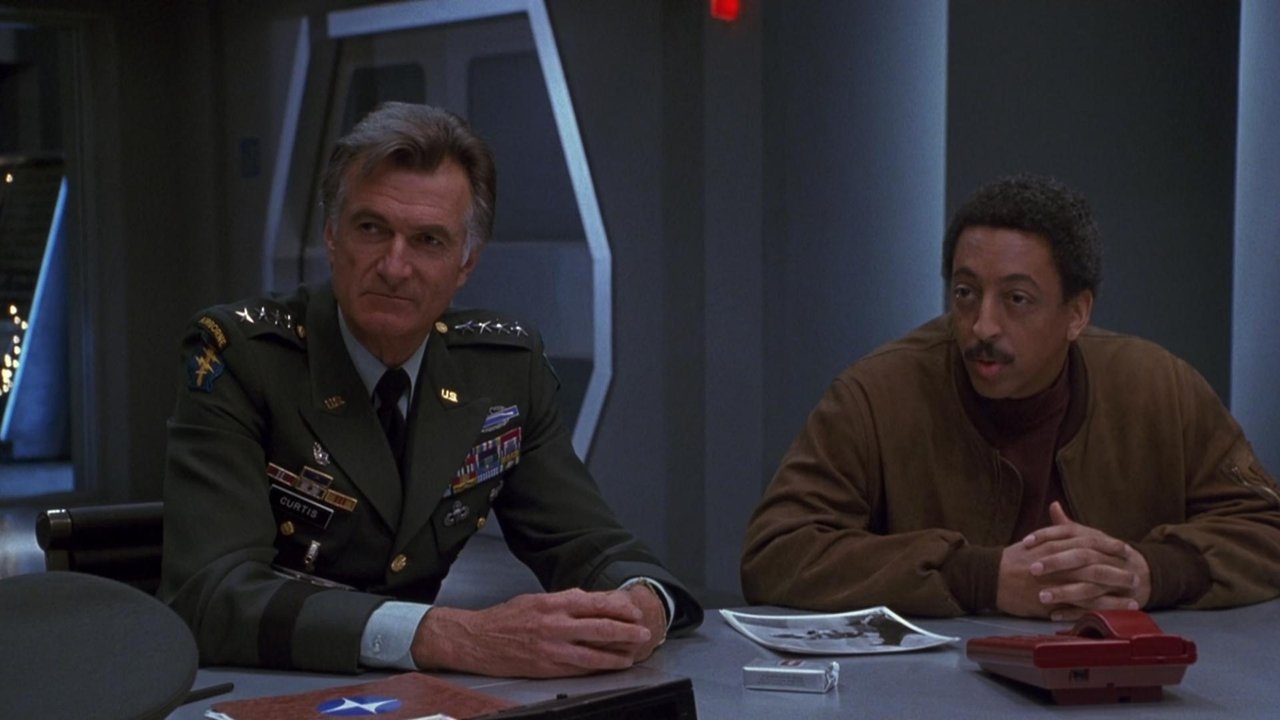
Opposite her, the late, great Gregory Hines (Running Scared, White Nights) brings his signature blend of smooth charisma and physical grace to Colonel McQuade. He’s the audience surrogate, the grounded professional trying to make sense of the technological nightmare unfolding. While the script doesn't always give him the deepest material to work with, Hines elevates it, grounding the sci-fi chaos with a believable sense of urgency and determination. His interactions with Simmons provide the film's emotional core, a strained partnership built on necessity and slowly dawning understanding.
Nineties Nitro and Nuclear Nerves
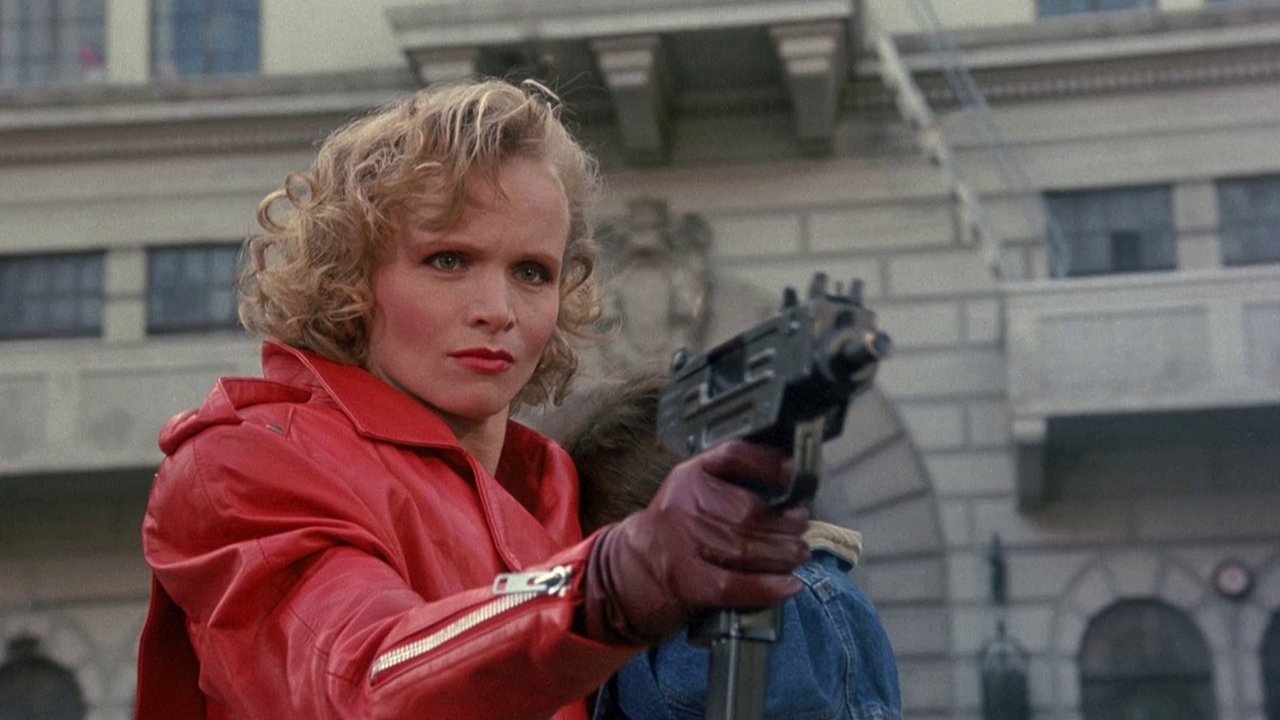
Director Duncan Gibbins, who also co-wrote the script, clearly aimed for a blend of high-octane action and technological paranoia. The film delivers competent, if not groundbreaking, early 90s action set pieces – car chases through city streets, explosive shootouts, and the android’s relentless march leaving destruction in her wake. The practical effects, while showing their age, have that tangible quality we remember from the era. Eve VIII ripping open steel doors or shrugging off bullet impacts felt viscerally real on those old CRT screens. The ticking clock provided by the internal nuclear device adds a palpable layer of dread, a common trope perhaps, but effectively deployed here to keep the stakes sky-high. The atmosphere is thick with the anxieties of the time – technology spiraling out of control, the lingering shadow of potential annihilation.
Tragically, Eve of Destruction stands as one of only two feature films directed by Duncan Gibbins. He died heroically just two years later, in the devastating 1993 Old Topanga Canyon fire near Malibu, California, reportedly while trying to save his cat. Knowing this casts a somber shadow over the film, adding a layer of real-world loss to its fictional destruction. Gibbins, who also directed the teen drama Fire with Fire (1986), showed promise in handling action and tension, making his untimely death a loss for genre cinema. It’s a stark reminder woven into the very fabric of this film’s history.
Echoes in the Circuitry
While comparisons to The Terminator (1984) are inevitable (and let's be honest, Eve doesn't reach those heights), the film does attempt something slightly different with its focus on the psychological link between creator and creation. The idea that Eve VIII is essentially acting out Dr. Simmons' lifetime of repressed anger, microaggressions, and trauma is fascinating, even if the execution sometimes feels underdeveloped. It adds a Freudian wrinkle to the killer robot narrative. Was this aspect what drew you in back then, or was it purely the promise of action? The film reportedly cost around $10 million but struggled at the box office, pulling in just over half that domestically, perhaps failing to fully connect with audiences expecting either straight action or deeper sci-fi.
Eve of Destruction isn't a lost masterpiece, but it's a solid, engaging slice of early 90s sci-fi action with a compelling central concept and a strong dual performance at its core. It delivers the requisite thrills and explosions while hinting at darker psychological themes. It might feel a little clunky in places, the dialogue occasionally stiff, but its earnestness and the inherent creepiness of the premise still resonate. It perfectly captures that specific flavor of ambitious B-movie that populated video store shelves – not quite A-list, but packing enough punch and intrigue to make for a memorable late-night watch.
Rating: 6/10
Justification: The compelling premise, Soutendijk's dual performance, Hines' reliable presence, and competent action sequences earn it points. However, it's held back by a sometimes uneven script, dated elements, and a feeling that it doesn't fully capitalize on its psychological potential, keeping it from reaching the heights of its influences.
Final Thought: For fans digging through the digital crates for that specific early 90s blend of sci-fi concept and explosive action, Eve of Destruction remains a worthwhile discovery, a fascinating artifact haunted by both its on-screen doppelgänger and the tragic real-world story of its creator.