Few films haunt the aisles of memory quite like Rocky V. Sliding that tape into the VCR back in 1990 often came with a mix of anticipation and, perhaps for some, a sense of unease. After the glorious, Reagan-era excess of Rocky IV (1985), where our hero effectively punched out Communism, where could the Italian Stallion possibly go next? The answer, scripted by Sylvester Stallone himself and directed by the returning John G. Avildsen (who helmed the original, Oscar-winning Rocky), was intended to be a return to the gritty streets, a sobering look at the consequences of fame and fighting. But it’s a journey forever shadowed by what might have been, particularly Stallone’s originally intended, far darker conclusion.
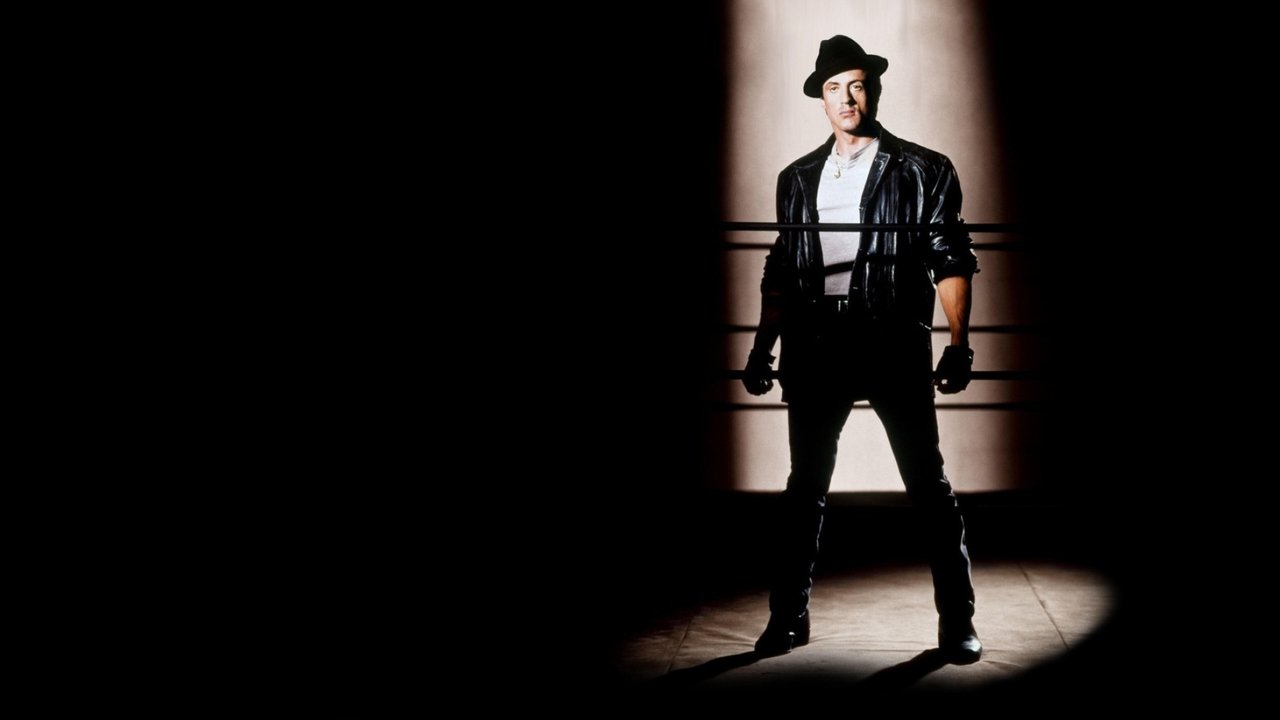
Back to Where It All Began?
The premise certainly felt like grounding after the spectacle of Moscow. Rocky returns home, hailed as a hero, only to discover that years of Paulie’s mismanagement have left him broke. Worse, the cumulative damage from his brutal bout with Drago has resulted in brain injury, forcing his retirement from the ring. Suddenly, the Balboas are back in their old South Philly neighborhood, stripped of the glitz and glamour. There’s an undeniable power in these early scenes. Stallone digs deep, trying to recapture that vulnerability, that sense of a man adrift, which made the original Rocky so resonant. Talia Shire as Adrian remains the unwavering heart of the series, her quiet strength a crucial anchor as their world collapses. And Burt Young’s Paulie… well, he’s Paulie, isn’t he? Still complaining, still somehow endearing in his perpetual state of bewilderment. Avildsen attempts to recapture the low-fi aesthetic of the first film, swapping stadium grandeur for rain-slicked streets and cramped apartments. The potential for a truly poignant character study felt palpable in those opening reels.
The Seeds of Discontent
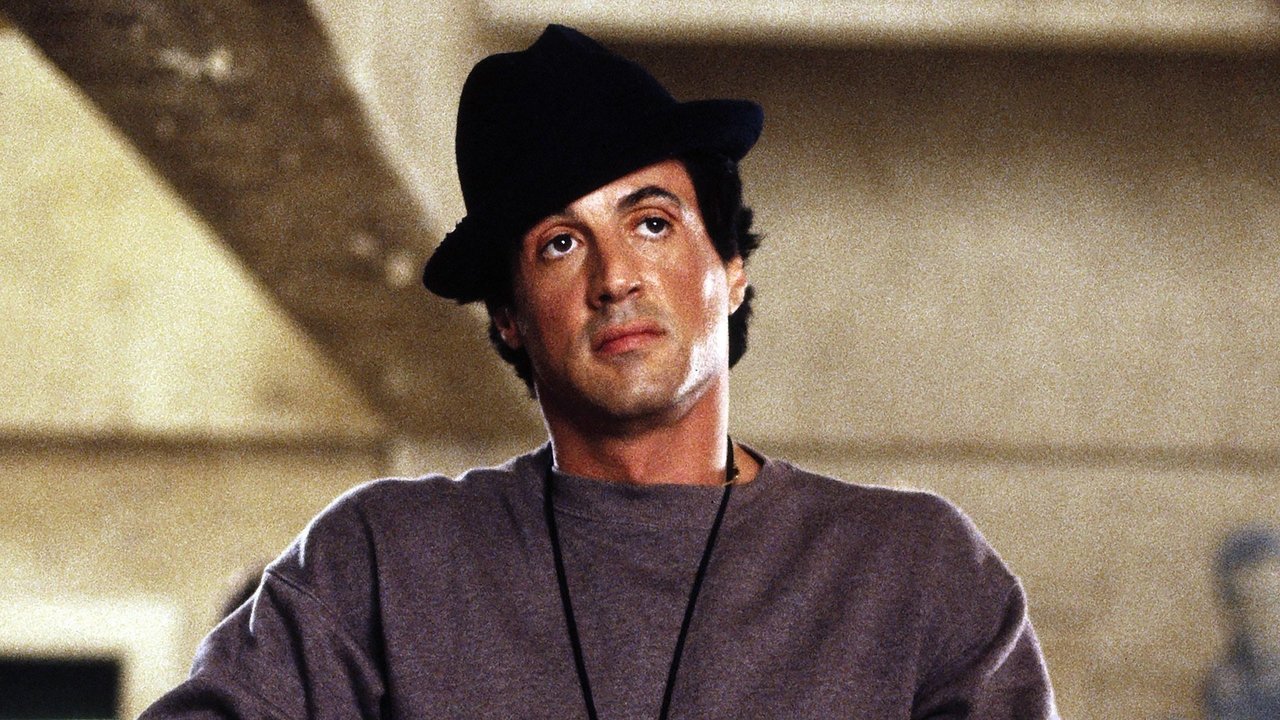
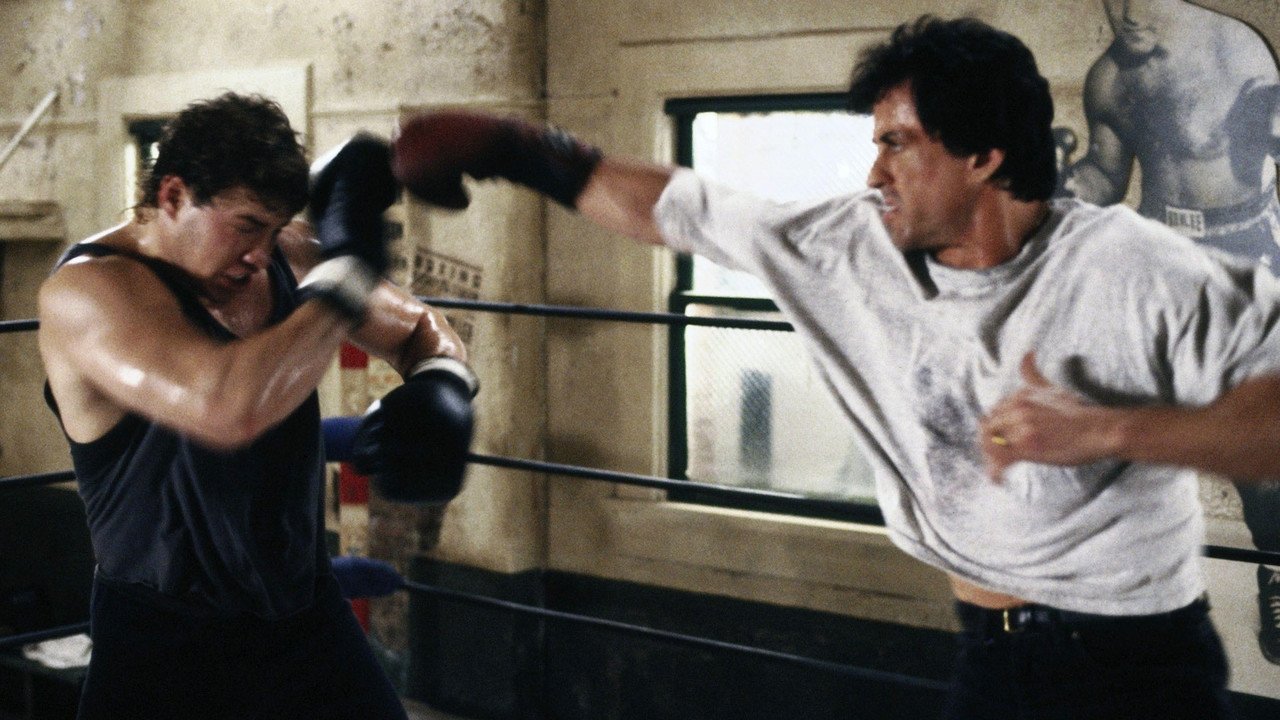
Where Rocky V often loses its footing, and where many fans felt let down, is in its central conflict beyond the family’s financial woes. Enter Tommy "The Machine" Gunn, played by real-life heavyweight boxer Tommy Morrison. Discovered by Rocky, Gunn is the hungry young fighter desperate for a shot, mirroring Rocky’s own origins. Rocky takes him under his wing, pouring all his energy into mentoring this new protégé, seeing perhaps a reflection of his younger self. It's here the film’s focus splinters. As Rocky dedicates himself to Tommy, his relationship with his own son, Robert (played by Stallone’s actual son, Sage Stallone, in a casting choice that adds layers of real-world resonance), begins to fray. Robert feels neglected, falling in with a tougher crowd, desperate for his father’s attention. This father-son dynamic holds genuine emotional weight, touching on universal themes of parental fallibility and teenage angst. Sage Stallone delivers a raw, often uncomfortable performance that feels authentic, perhaps painfully so.
The Shadow Boxer: Tommy Gunn
The problem lies largely with the Tommy Gunn storyline. Tommy Morrison, nephew of screen legend John Wayne and a formidable boxer in his own right (he would win the WBO Heavyweight title in 1993), certainly looked the part. He possessed a physical presence and undeniable charisma. However, the character arc feels rushed and predictable. Seduced by the flamboyant promoter George Washington Duke (a Don King caricature played with gusto by Richard Gant), Tommy quickly turns his back on Rocky, lured by fame and fortune. His transformation from grateful student to arrogant antagonist feels less like organic character development and more like a plot device engineered to force a confrontation. It lacks the nuance and pathos of Rocky’s earlier rivalries with Apollo Creed or even Clubber Lang. It’s a shame, as Morrison’s tragic later life lends an unintended layer of melancholy to his performance when viewed today.
Behind the Ropes: Trivia and Tribulations
The making of Rocky V itself provides some fascinating context. Stallone wrote the script, intending it as a final chapter, a somber reflection on the end of a fighter's journey. His original ending was famously bleak: after the climactic street fight with Tommy Gunn, Rocky was to succumb to his injuries, dying in Adrian’s arms on the steps of the Philadelphia Museum of Art – a tragic bookend to his triumphant run in the first film. Test audiences reacted poorly to this downbeat conclusion, prompting the studio to demand a rewrite. The result was the somewhat jarring street brawl finale we got, which felt tonally inconsistent with the film's earlier attempts at realism and lacked the emotional catharsis of an in-ring battle.
Financially, while Rocky V wasn't a flop (grossing nearly $120 million worldwide against a $40 million budget – roughly $277 million vs $93 million adjusted for inflation), it was a significant drop-off from Rocky IV's colossal success and received largely negative reviews at the time. It seemed the desire for a more grounded Rocky wasn't shared by everyone after the operatic highs of the previous installment. Avildsen’s return, meant to bring things full circle, ended up highlighting how difficult it was to recapture that lightning in a bottle from 1976.
The Final Verdict
Watching Rocky V today, through the warm, fuzzy static of VHS nostalgia, is a complex experience. It’s undeniably the most flawed entry in the original pentalogy. The Tommy Gunn plot feels underdeveloped, the street fight ending contrived, and the film struggles to reconcile its desire for gritty realism with the larger-than-life legacy of its hero. Yet, there's still something compelling here. The exploration of Rocky's vulnerability, the financial ruin, the forced retirement, and the strained relationship with his son – these elements possess a raw, emotional honesty that resonates. Stallone clearly poured personal feeling into the script, even if the execution faltered. It feels like a film grappling with its own identity, much like its protagonist.
It may not be the knockout punch many hoped for, but it’s not entirely down for the count either. It serves as a necessary, if awkward, bridge – a sobering comedown after the excesses of the 80s that, perhaps unintentionally, paved the way for the surprisingly heartfelt redemption of Rocky Balboa years later.
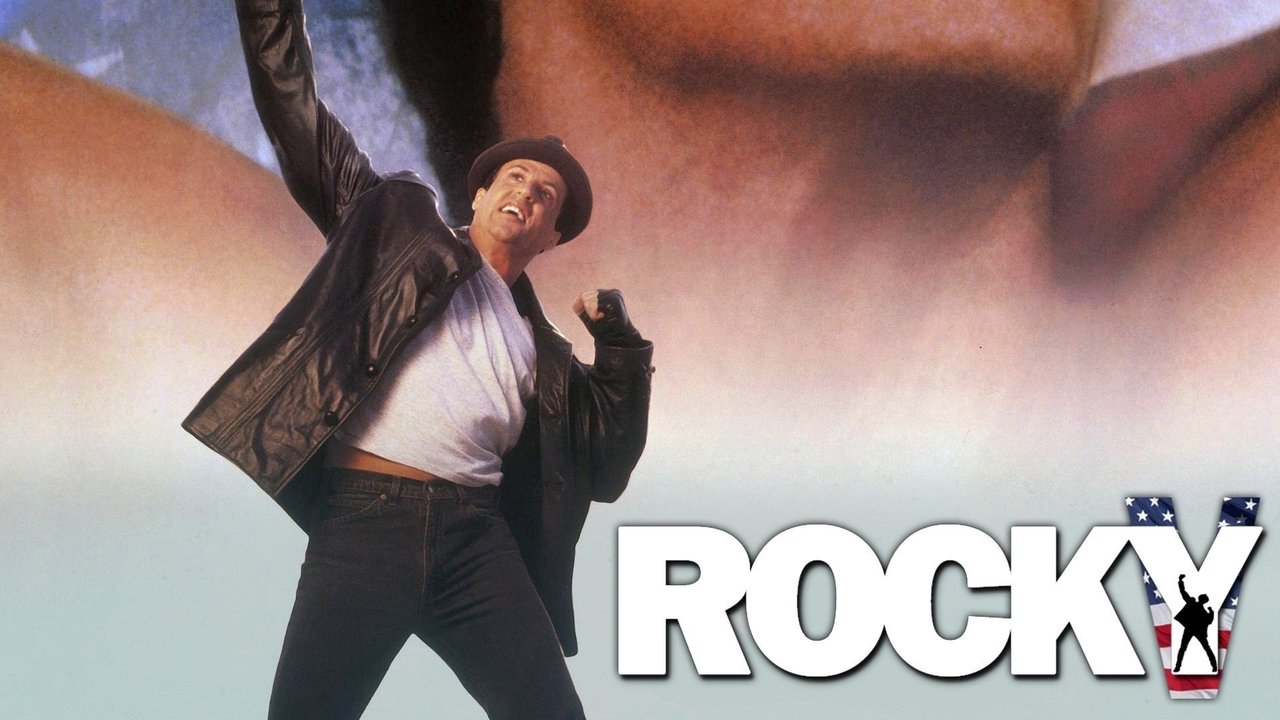
Rating: 4/10
The score reflects the film's significant narrative weaknesses, particularly the underdeveloped antagonist and the unsatisfying climax demanded by the studio. However, it avoids a lower score due to the genuine emotional weight in the father-son storyline, Stallone and Shire's committed performances exploring the consequences of Rocky's life, and the fascinating, albeit flawed, attempt to return the series to its grounded roots.
It remains the awkward outlier, the tape many might have skipped over at the rental store, yet it occupies a unique, melancholic space in the Balboa saga – a reminder that even legends face harsh realities outside the ring.