It crashes onto the screen not with the gritty determination of its predecessors, but with the thunderous electric guitar riff of Survivor’s “Eye of the Tiger.” Suddenly, Rocky Balboa wasn’t just the lovable underdog from Philly anymore. He was a global superstar, gracing magazine covers, shilling products, and even duking it out with a wrestling behemoth. Rocky III, hitting screens in 1982, felt different right from the start – slicker, faster, more… 80s. And honestly? It was exactly the shot of adrenaline the franchise, and maybe we, needed.
### From Grit to Glamour
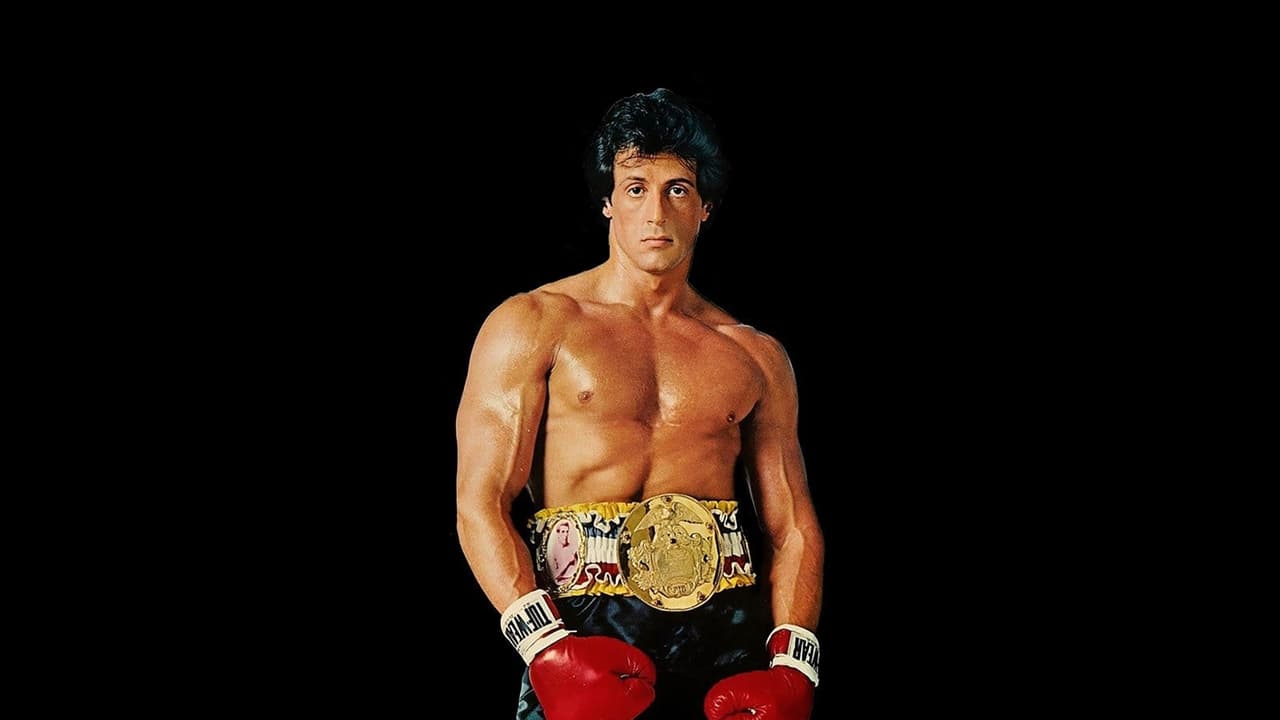
Sylvester Stallone, pulling triple duty as writer, director, and star, masterfully pivots the narrative here. We see Rocky (an increasingly polished Stallone) enjoying the fruits of his labour. He’s rich, famous, and maybe just a little bit complacent after a string of successful, perhaps too-easy, title defenses. His life is a montage of success, punctuated by the unveiling of that now-iconic statue at the Philadelphia Museum of Art steps (a statue, by the way, that Stallone himself commissioned and later donated to the city). It’s a comfortable life, but as his crusty, beloved manager Mickey Goldmill (Burgess Meredith, delivering heartbreaking wisdom) fears, comfort is the enemy of a fighter. That hard-earned "eye of the tiger" seems to have dimmed.
### "I Pity the Fool!"
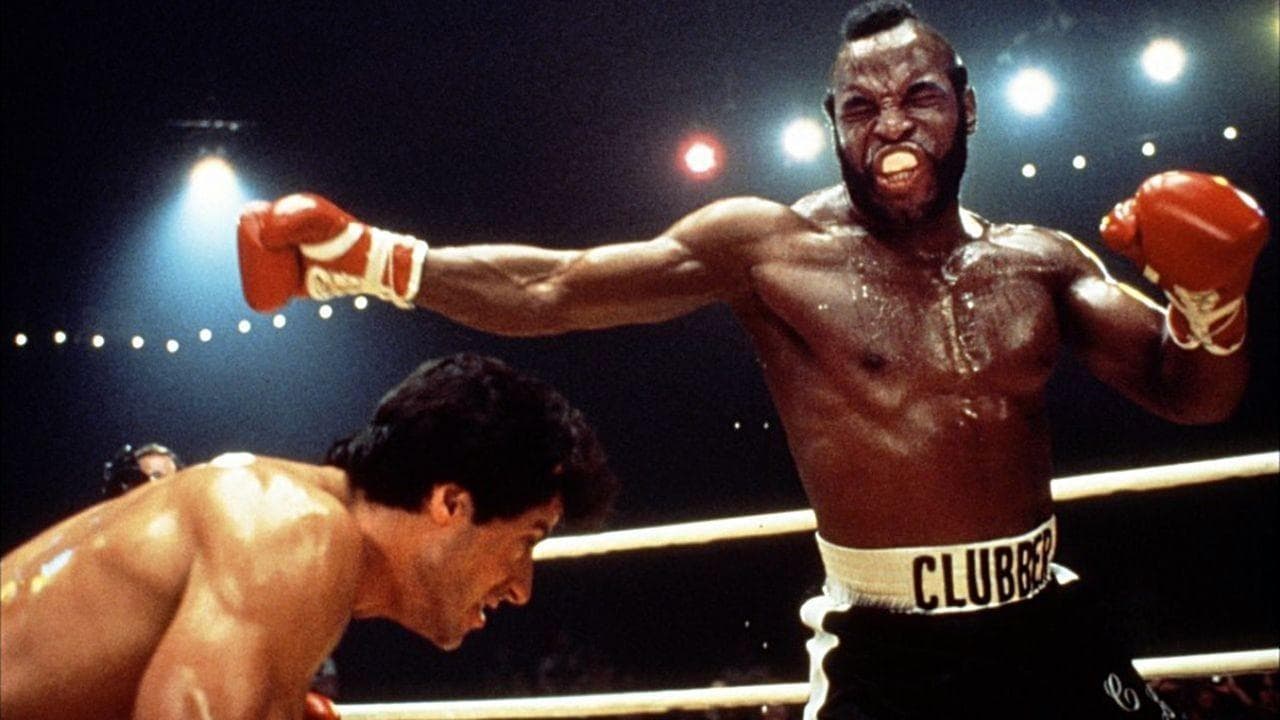
Enter the storm cloud threatening Rocky's sunny world: Clubber Lang. Played with ferocious intensity by Mr. T in a star-making debut, Lang isn't just an opponent; he's pure, unadulterated hunger and rage. He sees Rocky’s fancy cars and talk show appearances not as success, but as weakness. Fun fact: Stallone reportedly spotted Mr. T on a "World's Toughest Bouncer" competition and knew instantly he'd found his antagonist. Initially hired as a bodyguard during filming, Mr. T’s raw screen presence was undeniable. His sneering delivery of lines like "Pain" and the immortal "I pity the fool!" became instant pop culture lexicon. He wasn't just a character; he was a force of nature, representing the brutal reality Rocky had perhaps forgotten.
### Losing the Edge, Finding a Rival
The film doesn't shy away from the consequences of Rocky's complacency. The first encounter with Lang is shocking, brutal, and underscored by personal tragedy. It forces Rocky to confront not just a physical defeat, but the shattering realization that Mickey was right. He’d lost his edge. The scenes dealing with Mickey’s decline are genuinely poignant, reminding us that beneath the glossy surface, the Rocky films always had heart, thanks in large part to Meredith’s unforgettable portrayal.
But from the ashes of defeat rises one of cinema's most brilliant and unexpected alliances. Apollo Creed (Carl Weathers, radiating charisma), Rocky's former nemesis, steps in. He sees the fire hasn't completely gone out, it just needs reigniting. Apollo offers to train Rocky, not to fight like Balboa, but to fight like Creed – with speed, style, and intelligence. Their evolving dynamic, from bitter rivals to grudging allies to genuine friends, is the film's emotional core. Who didn't feel pumped watching them train together on that beach, pushing each other, culminating in that joyous, freeze-frame hug in the ocean? It was pure cinematic gold.
### Eye of the Tiger, Heart of the 80s
Let's talk about that soundtrack. Stallone originally wanted Queen's "Another One Bites the Dust" for the opening montage, but when rights couldn't be secured, he commissioned a new band, Survivor, to capture the film's energy. They delivered "Eye of the Tiger," a song so perfectly synched with the movie's themes and pulsing rhythm that it became an instant global smash and an enduring anthem for overcoming adversity. It perfectly encapsulates the film's style – driving, energetic, maybe a little over-the-top, but undeniably effective.
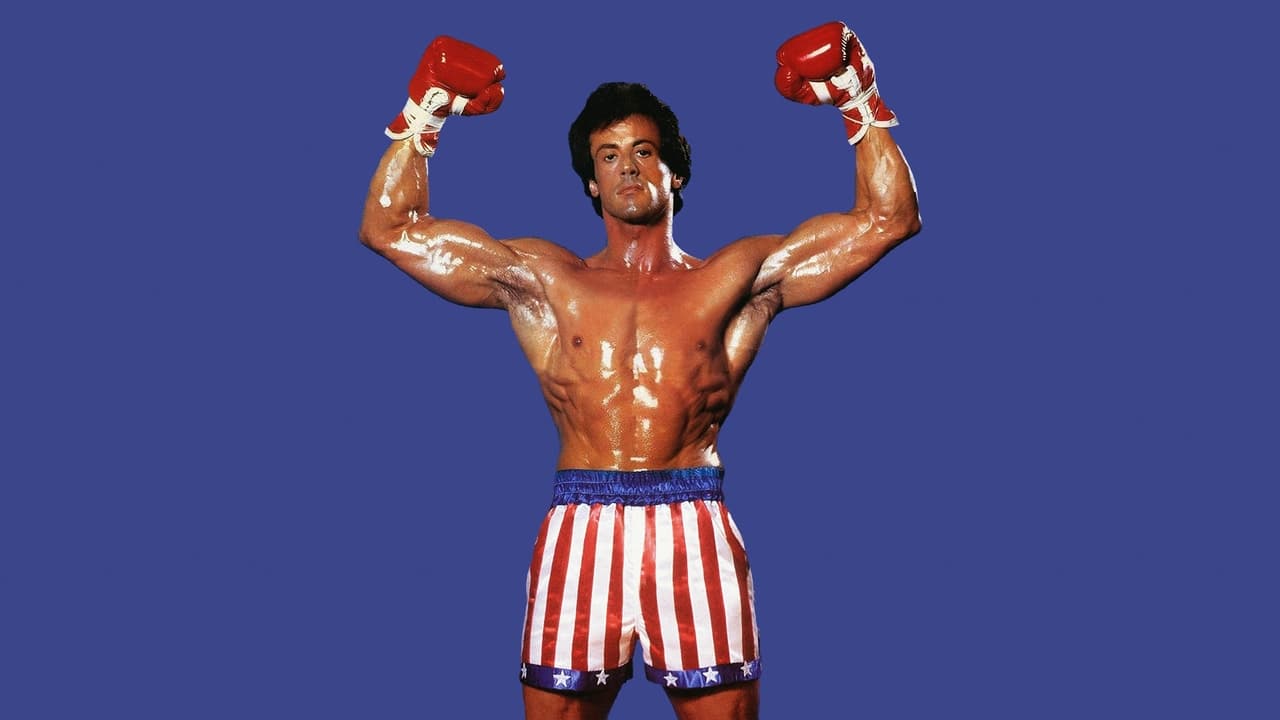
The film itself reflects this 80s energy. The editing is quicker, the montages are more frequent and stylish, and the fights feel more like explosive highlights than grueling wars of attrition seen in the first two films. Even the detour with Thunderlips, played with gleeful absurdity by wrestling superstar Hulk Hogan, feels perfectly in place – a slice of pure 80s spectacle that’s both ridiculous and weirdly charming. Stallone also underwent a significant physical transformation, shedding pounds to achieve a leaner, more defined physique to contrast with Lang's raw power, reflecting the changing aesthetic of action heroes in the era. Made for around $17 million, Rocky III became a box office juggernaut, pulling in over $125 million domestically (that’s pushing close to $400 million today!), cementing the franchise's blockbuster status.
### Still a Knockout
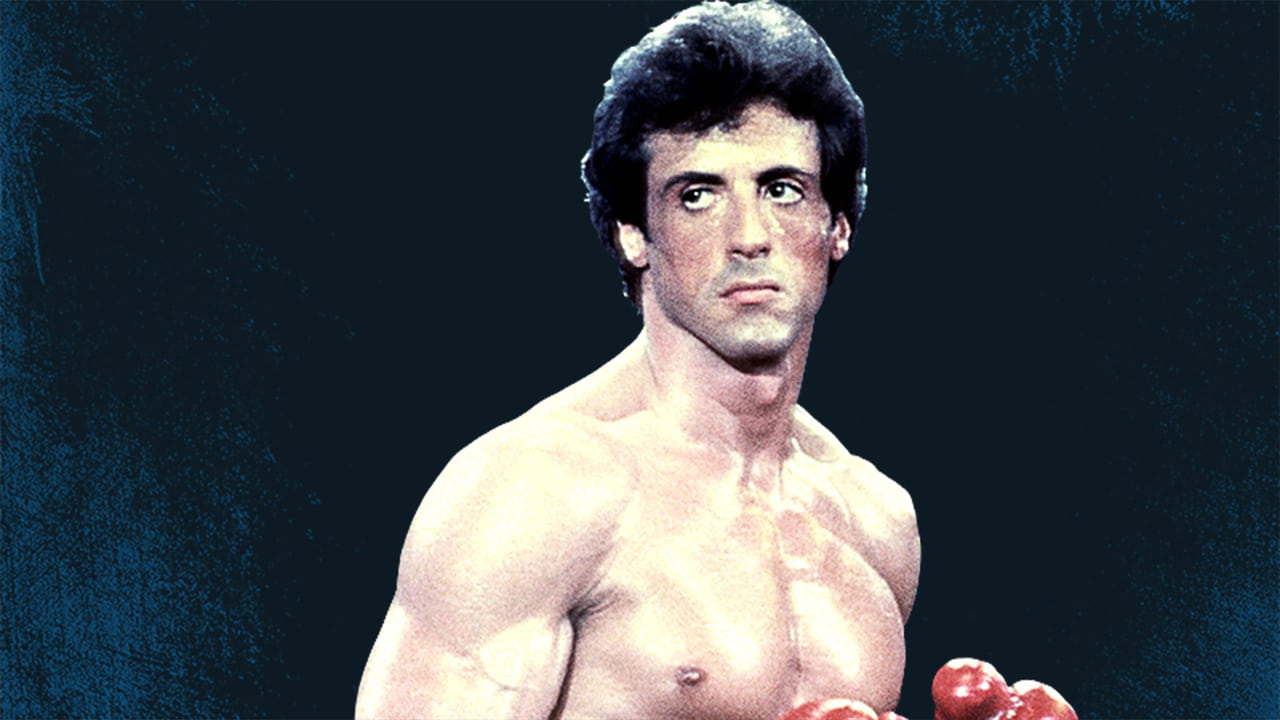
While Rocky III might trade some of the original's gritty realism for Hollywood shine, it does so with infectious energy and surprising heart. It introduces an iconic villain, gives us one of cinema's best redemption arcs through the Rocky-Apollo relationship, and features moments that are permanently etched in movie history. It proved the Italian Stallion wasn't a one-trick pony, successfully evolving the character and the series for a new decade. It embraced the excess but never lost sight of the spirit.
Rating: 8/10
This score reflects the film's undeniable entertainment value, iconic performances (Mr. T, Weathers), killer soundtrack, and the brilliant pivot in the Rocky-Apollo dynamic. It loses a couple of points for leaning more heavily into formula than its predecessors, but its energy and heart make it a truly beloved entry. It's a film that reminds us that even when you reach the top, the fight isn't over – sometimes, you just need the right rival to help you rediscover that eye of the tiger. Pure, unadulterated 80s VCR fuel.