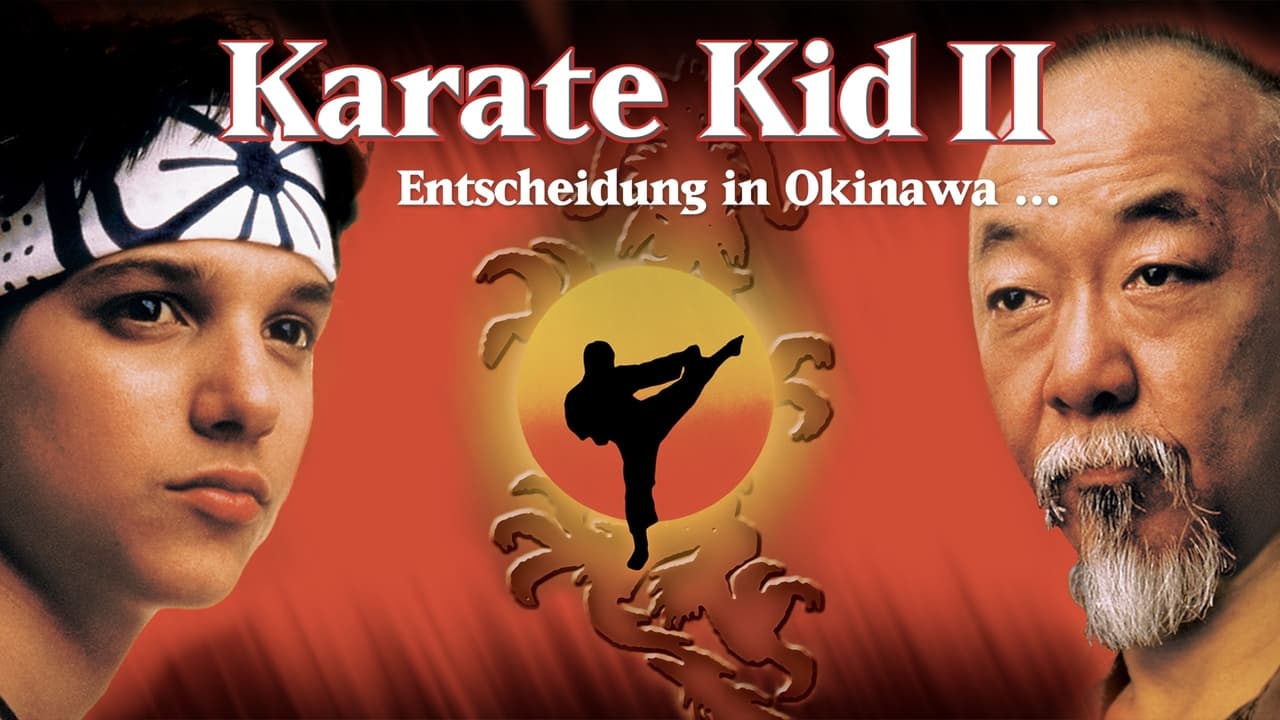
Okay, settle back into that comfy armchair, maybe imagine the satisfying clunk of a VHS tape sliding into the VCR. Remember the sheer excitement when a sequel to a beloved movie landed on the shelves of the local video store? That anticipation was electric for The Karate Kid Part II in 1986. After the triumph at the All Valley Karate Tournament, where else could Daniel LaRusso and his enigmatic mentor, Mr. Miyagi, possibly go? The answer, surprisingly and refreshingly, wasn't another tournament, but halfway across the world to Miyagi’s own past.
### Beyond the Valley: A Journey Home
What immediately set Part II apart was its bold decision, guided by returning director John G. Avildsen (who knew a thing or two about underdog sequels after Rocky II) and writer Robert Mark Kamen, to ditch the familiar California setting. Picking up literally moments after the first film’s conclusion (that parking lot confrontation with Kreese was actually intended as the original ending for the first movie!), the story quickly pivots. Mr. Miyagi receives word that his father is dying, prompting a journey back to his childhood village in Okinawa, with Daniel-san (Ralph Macchio, earnest as ever) tagging along.
This change of scenery was a masterstroke. Suddenly, the world of The Karate Kid felt bigger, richer. The film trades the sun-drenched suburbs and high school drama for the lush, culturally distinct landscapes of Okinawa – though, fun fact, most of the Okinawa scenes were actually filmed on the island of Oahu, Hawaii. Still, the production design effectively sells this different world, immersing us in the traditions, architecture, and simmering history of Tomi Village. It felt like stepping into a different kind of story, one less about proving yourself to bullies and more about confronting the ghosts of the past.
### Miyagi Takes Center Stage
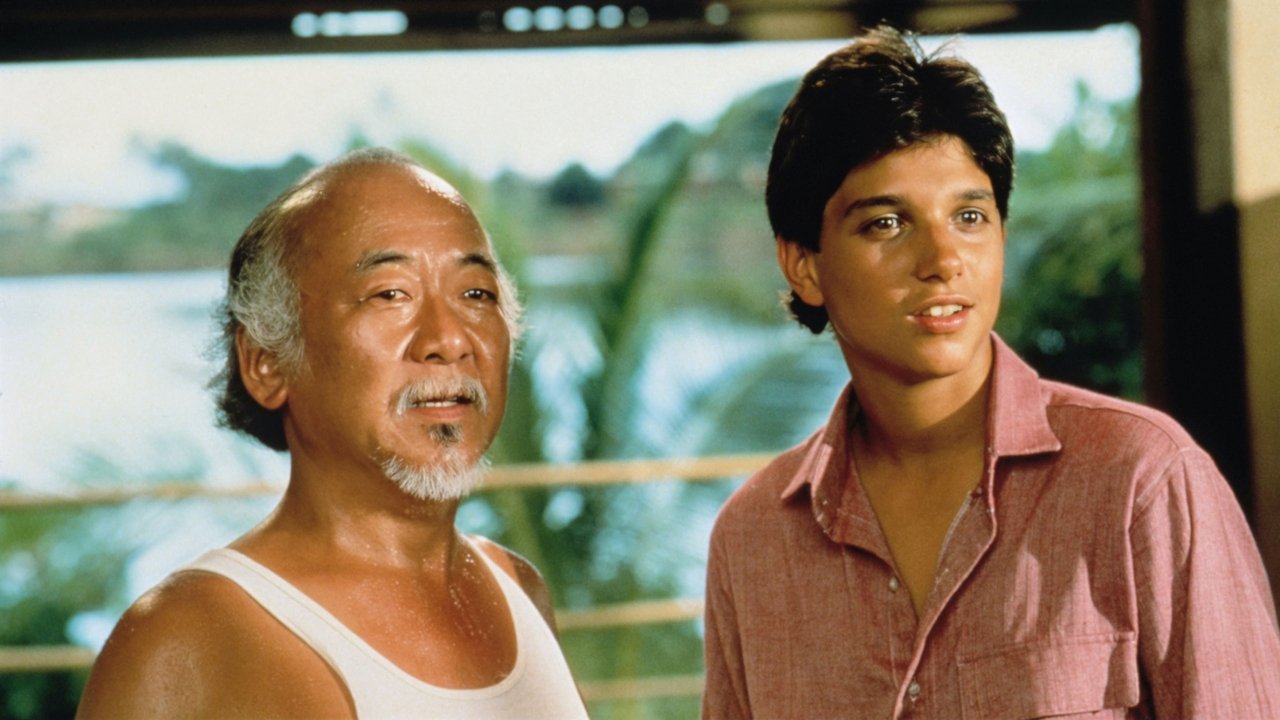
While Daniel remains our eyes and ears, Part II is truly Mr. Miyagi's film. Pat Morita, who had earned a well-deserved Best Supporting Actor Oscar nomination for the first film, gets ample room to deepen his iconic character. We learn about his youthful conflicts, the love he left behind (the graceful Yukie, played by Nobu McCarthy), and the bitter feud with his former best friend, Sato (Danny Kamekona), that forced him to leave Okinawa decades earlier.
Morita imbues Miyagi with such quiet dignity, gentle humour, and underlying sadness. His wisdom, previously dispensed through chores and cryptic advice, now feels rooted in lived experience and personal regret. Watching him navigate the complexities of returning home – the unresolved anger, the rekindled romance, the weight of family honour – is genuinely compelling. It elevated the character beyond just the "wise mentor" trope and made him feel profoundly human. This shift in focus gives the sequel its unique emotional core and remains its strongest asset.
### New Threats, New Romances
Of course, Daniel-san isn't just sightseeing. He finds a sweet romance with Kumiko (Tamlyn Tomita in her charming film debut), Yukie's niece, providing a welcome dose of youthful heart. Their relationship feels natural and provides Daniel with a personal connection to the unfolding drama. And where there's Miyagi history, there's conflict. Sato hasn't forgiven Miyagi, and his simmering resentment extends to his intensely proud and volatile nephew, Chozen (Yuji Okumoto), who quickly becomes Daniel's primary antagonist.
Chozen is a different breed of foe than Johnny Lawrence. He’s not just a school bully; he represents a more dangerous, ingrained sense of entitlement and aggression tied to honour and business. The stakes feel higher, culminating in moments of genuine peril, particularly during a typhoon sequence and the film's memorable climax. Let's be honest, who didn't hold their breath during the final confrontation, especially with the introduction of that unforgettable "drum technique"? It felt like a perfectly Miyagi-esque piece of fight choreography – unexpected, slightly baffling, yet undeniably effective on screen.
### Retro Fun Facts & Enduring Appeal
The Karate Kid Part II wasn't just a creative success; it was a box office smash, pulling in over $115 million worldwide against an estimated $13 million budget, proving audiences were eager to follow Miyagi and Daniel anywhere. Peter Cetera’s power ballad theme song, "Glory of Love," became a massive hit single, forever cementing itself in the pantheon of great 80s movie themes – you can probably hear it in your head right now!
While some might argue the plot leans a little more into melodrama than the grounded original, the film's strengths are undeniable. The focus on Miyagi, the beautiful (if geographically fudged) setting, and the exploration of themes like honour, forgiveness, and the consequences of past actions give it a maturity and depth that many sequels lack. It successfully expanded the universe without simply repeating the formula, a gamble that paid off handsomely. It paved the way for Part III (1989) and the later The Next Karate Kid (1994), and its influence echoes even in the excellent Cobra Kai series, which has brilliantly revisited characters like Chozen and Kumiko.
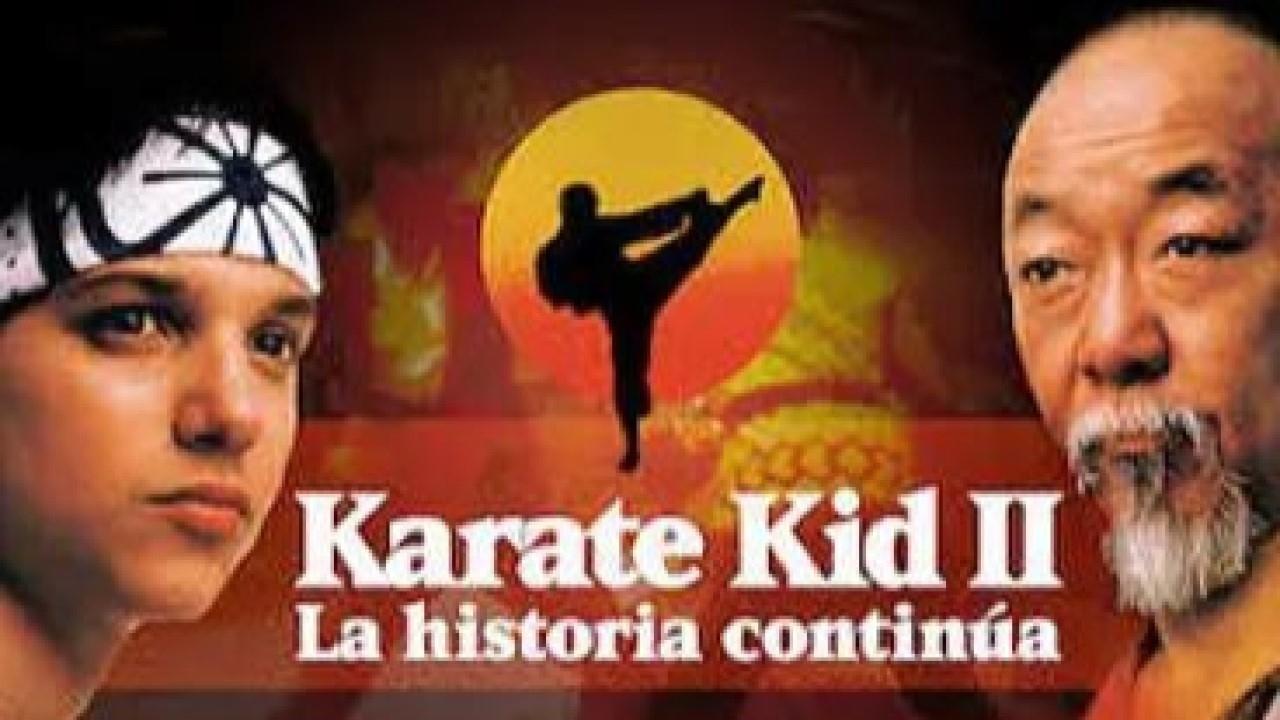
Rating: 8/10
Why the 8? The Karate Kid Part II earns high marks for its bold change of scenery, its wonderful deepening of Mr. Miyagi's character thanks to Pat Morita's heartfelt performance, and its memorable action sequences like the drum technique. It successfully captures the spirit of the original while offering something new. It loses a couple of points perhaps because the central conflict with Sato and Chozen, while intense, occasionally feels slightly less relatable than the grounded high school bullying of the first film, and the pacing sometimes dips. However, its emotional core remains strong, and the journey to Okinawa is one well worth taking.
This sequel stands tall, not just as a follow-up, but as a genuinely affecting story in its own right. It proved that Daniel and Miyagi's adventures had more to offer than just tournament trophies, taking us on a trip that felt both exotic and deeply personal – a true gem from the VHS era that explored the heart behind the karate.