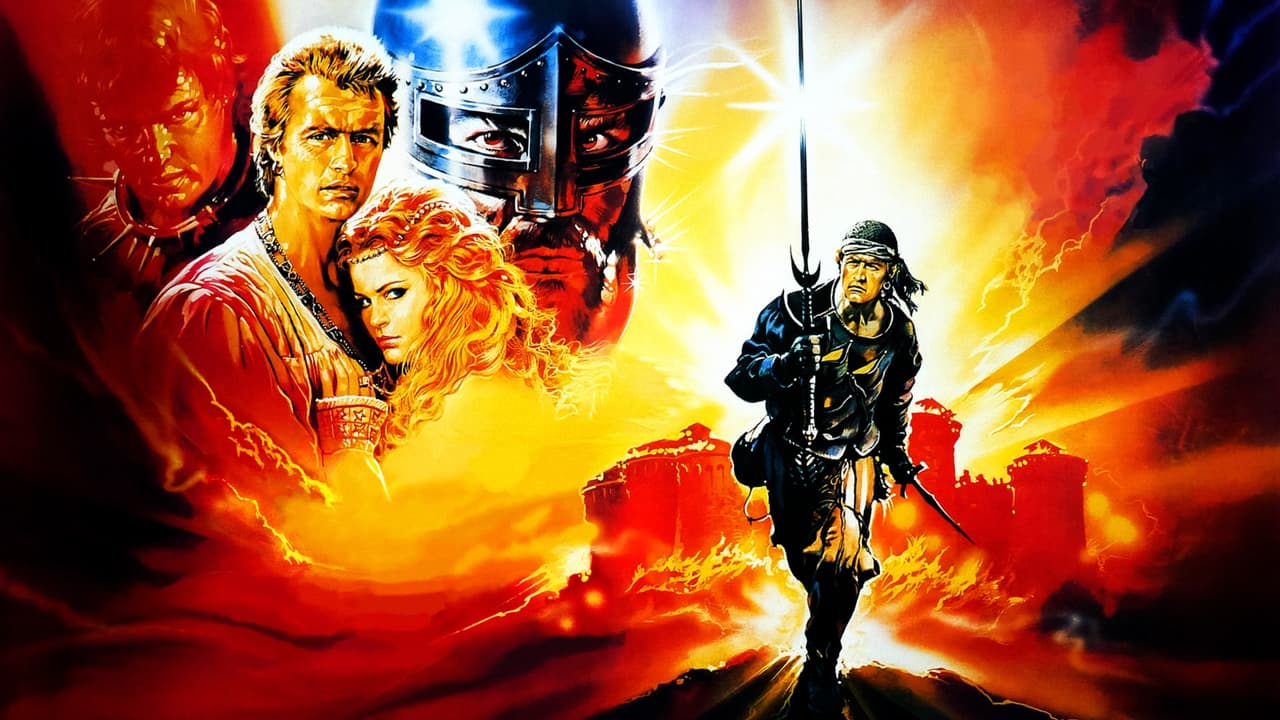
It washes over you not like a comforting wave of nostalgia, but like a bucket of cold, muddy water flung straight in the face. Paul Verhoeven's Flesh + Blood (1985) isn't the sanitized, swashbuckling medieval adventure many might have plucked from the video store shelf expecting. Instead, it’s a brutal, morally murky plunge into the filth and fury of 16th-century Europe, a film that feels less like a romanticized history lesson and more like a documentary crew somehow got dropped into hell with a Panavision camera. This wasn't Excalibur or Ladyhawke; this was something else entirely, something raw and unsettling that lodged itself in the mind long after the tape ejected.
Mud, Blood, and Moral Decay
Set in Italy around 1501, the premise is stark: a band of mercenaries, led by the charismatic but ruthless Martin (Rutger Hauer), are betrayed by the nobleman Arnolfini who hired them to retake his city. Cheated out of their promised plunder, they retaliate by kidnapping Agnes (Jennifer Jason Leigh), the virginal fiancée of Arnolfini’s idealistic son, Steven (Tom Burlinson). What follows is a grim odyssey of survival, shifting alliances, and primal urges played out against a backdrop of plague, superstition, and the constant threat of violence. Verhoeven, making his English-language debut here after shaking up Dutch cinema, pulls absolutely no punches. This is a world coated in grime, where honor is a luxury few can afford, and survival often means embracing the darkness within. Filmed largely on location in Spain, the castles look lived-in and crumbling, the battles feel chaotic and desperate, and the ever-present mud seems to cling to the very soul of the characters.
Verhoeven's Unflinching Gaze

This film feels like a vital stepping stone towards the provocative blockbusters Verhoeven would later unleash on Hollywood, like RoboCop (1987) or Total Recall (1990). The same cynicism about power structures, the fascination with visceral violence, and the exploration of humanity pushed to its extremes are all present here, albeit in a historical setting. Verhoeven and his long-time writing partner Gerard Soeteman consciously aimed for a corrective to the typically romanticized Hollywood portrayal of the era. There’s a telling anecdote that Verhoeven clashed significantly with the American producers at Orion Pictures, who were reportedly uncomfortable with the film's bleakness and graphic content, particularly its handling of sexual violence. Despite studio pressure, the director's uncompromising vision largely prevails, resulting in a film that feels startlingly authentic in its brutality, even today. It’s a vision powerfully underscored by Basil Poledouris’s thunderous, driving score.
A Trinity of Brutalized Souls
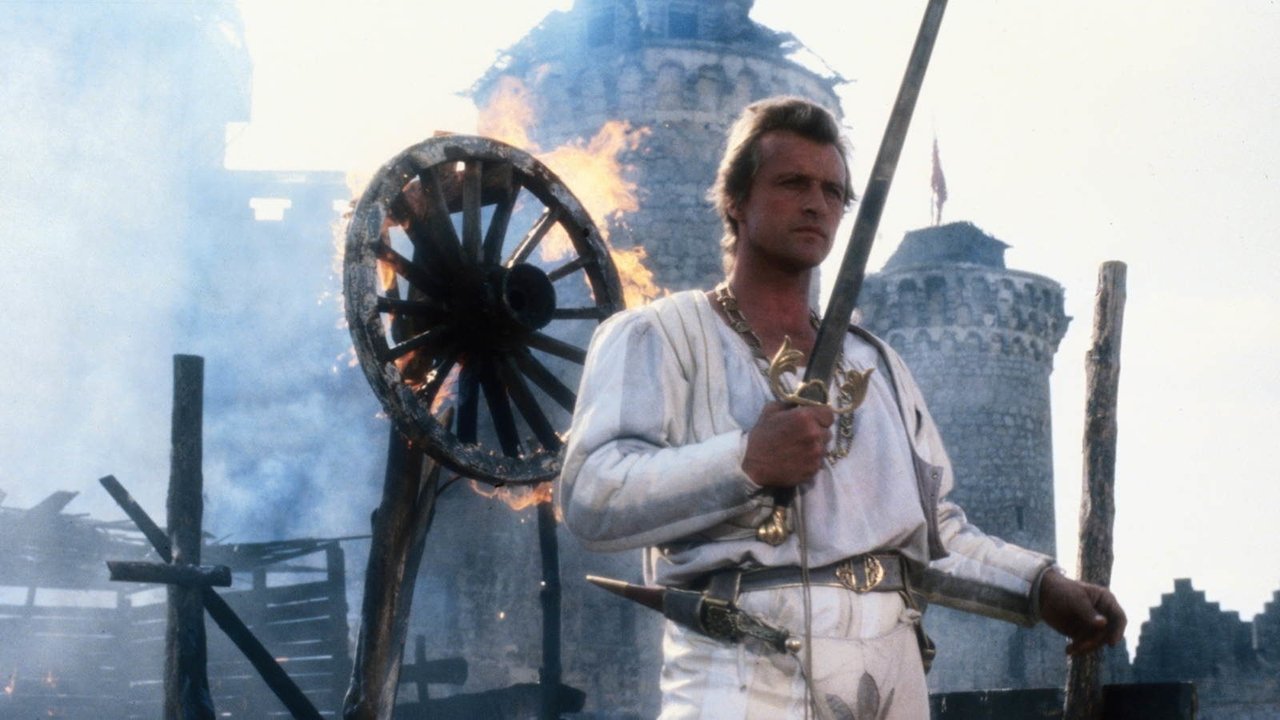
The performances are central to the film’s enduring power. Rutger Hauer, reuniting with Verhoeven after iconic Dutch collaborations like Turkish Delight and Soldier of Orange, is simply magnetic as Martin. He imbues the mercenary captain with a dangerous charm – intelligent, resourceful, capable of inspiring loyalty, yet utterly pragmatic and capable of shocking cruelty. He’s no simple villain; he’s a survivor shaped by a brutal world, operating under his own twisted code of conduct. You understand his motivations, even as you recoil from his actions.
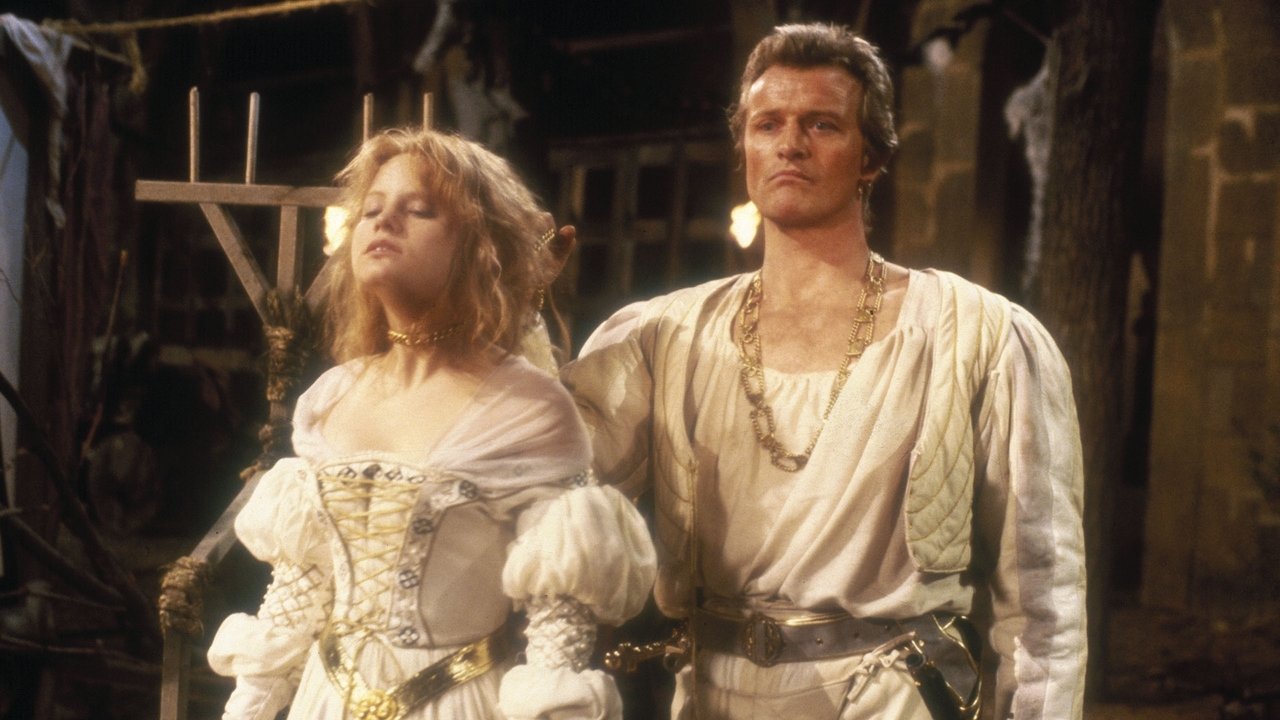
Equally compelling, though profoundly disturbing, is Jennifer Jason Leigh as Agnes. This is not the passive damsel in distress. Captured and violated, Agnes adapts with a chilling pragmatism, using her wits and sexuality to navigate the treacherous dynamics of the mercenary camp. Leigh's performance is fearless, charting Agnes's transformation from terrified noblewoman to a hardened, manipulative player in a deadly game. It’s a complex, uncomfortable portrayal of resilience born from trauma, one that refuses easy categorization and remains a subject of debate among viewers. It’s a role that hinted early at the depths Leigh would explore in later challenging films.
Caught between these two forces is Tom Burlinson’s Steven. He represents the Renaissance man – educated, scientific, believing in reason and a more ordered world. His attempts to use logic and invention (like a surprisingly effective proto-tank) against the mercenaries’ brute force create a fascinating dynamic. Burlinson effectively portrays Steven's journey from naive idealism to a hardened understanding of the world's harsh realities, forced to confront the savagery required to reclaim Agnes and his perceived honor.
Retro Fun Facts: Grit Behind the Scenes
- Reality Bites: Verhoeven’s insistence on realism extended to details – the muck, the crude medical practices, the ever-present threat of disease (the plague becomes a significant plot point). This wasn't about shining armor.
- Studio vs. Director: The clashes with Orion Pictures were significant. Verhoeven felt the studio wanted a more conventional adventure film, while he delivered something far darker. This likely contributed to its dismal US box office performance, reportedly grossing only around $100,000 domestically against a budget estimated somewhere between $10-15 million.
- Hauer Power: Hauer was instrumental in getting the film made, leveraging his post-Blade Runner (1982) cachet to help secure financing for his friend Verhoeven’s first Hollywood foray.
- Spanish Setting: The stunning castles and rugged landscapes of Spain (specifically locations like Belmonte Castle and Cáceres) provide an incredibly authentic backdrop, far removed from Hollywood backlots.
A Legacy Forged in Steel and Mire

Flesh + Blood might have bombed initially, finding little love from audiences perhaps expecting something closer to Conan the Barbarian, but its reputation has only grown over the decades. It’s a quintessential cult classic, admired for its unflinching honesty, its complex characters, and Verhoeven's bold direction. It refuses to offer simple heroes or villains, forcing us to confront uncomfortable questions about morality, survival, and the thin veneer of civilization. Does necessity excuse brutality? Can innocence survive in a savage world? The film offers no easy answers, lingering like the taste of iron and earth. Watching it again now, perhaps pulling out that worn VHS copy, it feels less like a product of the 80s and more like a stark commentary on the enduring, often ugly, realities of human nature that transcend any specific era. It's a challenging watch, yes, but an undeniably potent one.
Rating: 8/10
Flesh + Blood earns its high marks for its sheer audacity, its compelling (if often unlikeable) characters brought to life by powerhouse performances, and its commitment to a unique, uncompromising vision. It’s not always pleasant, and the graphic content remains confronting, but its gritty realism and thematic depth make it a standout piece of 80s cinema that dared to be different. It’s a film that reminds you that history wasn’t just kings and queens; it was mud, blood, and the desperate struggle for survival. What truly endures is the unsettling feeling that, beneath our modern comforts, perhaps that raw struggle isn't as far removed as we'd like to think.