Okay, fellow tapeheads, gather 'round the flickering glow of the metaphorical CRT. Tonight, we're digging deep into the dusty bins of late-90s direct-to-video action, pulling out a title that likely graced many a rental store shelf, promising desert heat and high kicks: 1999’s Inferno (sometimes found lurking under the alias Desert Heat). Picture this: The Muscles from Brussels, stranded and borderline suicidal in the scorching desert, finds spiritual guidance from none other than Mr. Miyagi himself, all while battling Machete leading a gang of ruthless bikers. No, you didn't dream this peculiar concoction after a late-night junk food binge – you just experienced Inferno.
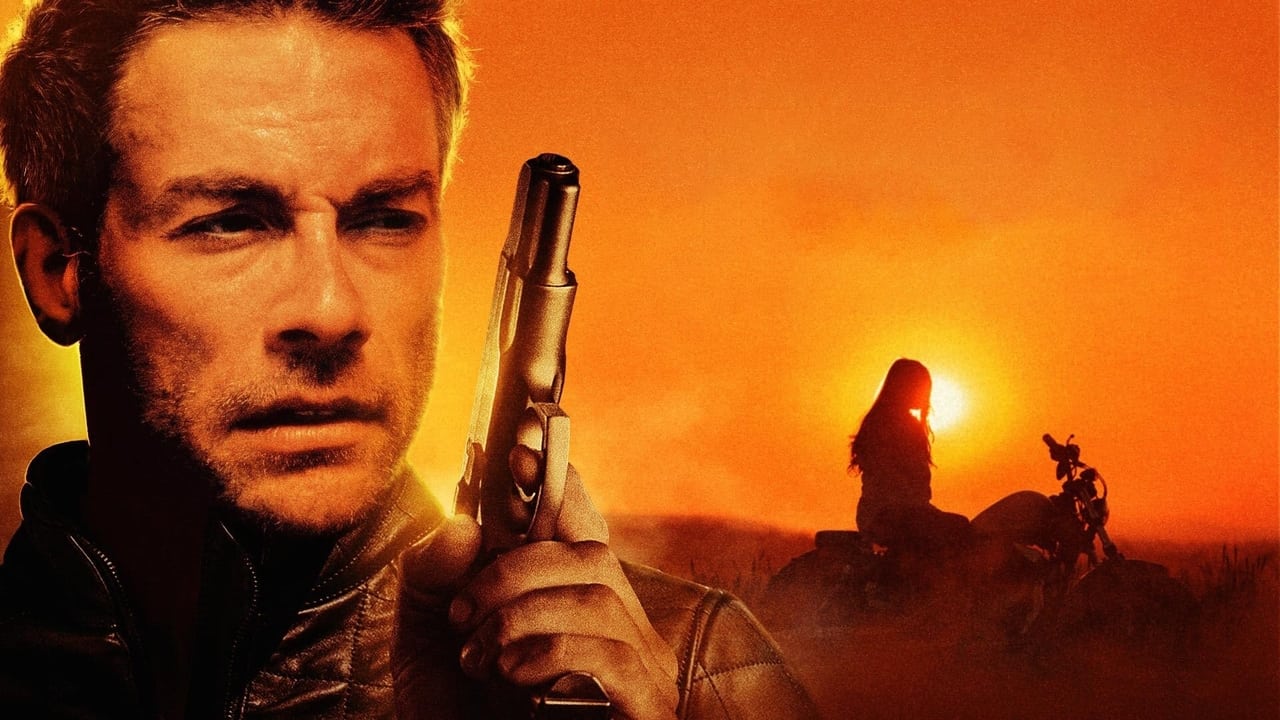
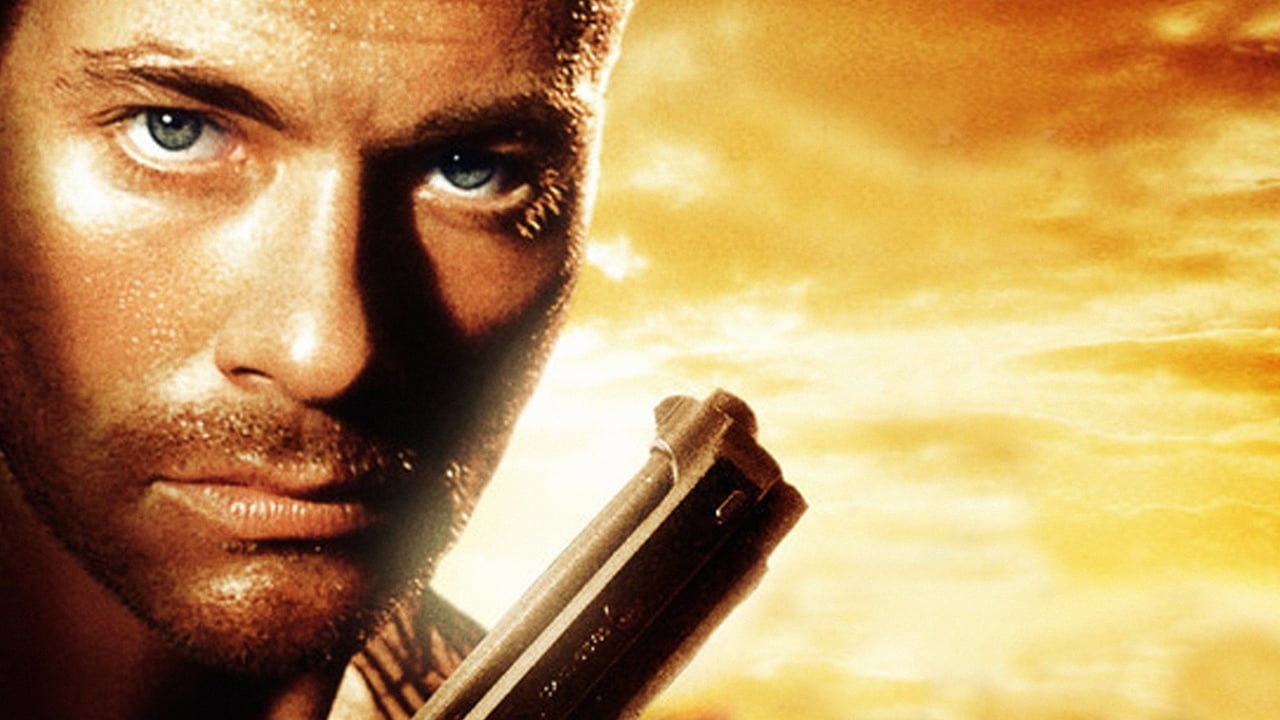
This film catches Jean-Claude Van Damme smack-bang in the middle of his transition from multiplex headliner to the undisputed king of the video store premiere. His character, Eddie Lomax, is a down-on-his-luck veteran soldier who rides his trusty Indian motorcycle into the desert seemingly looking for an end, only to find himself robbed, beaten, and left for dead by a vicious biker gang. It’s a familiar setup, the lone warrior seeking redemption or revenge, but Inferno throws some wonderfully weird curveballs into the mix.
### From Blockbusters to the Badlands
What makes Inferno immediately fascinating, beyond the premise, is the name in the director’s chair: John G. Avildsen. Yes, that John G. Avildsen, the Oscar-winning director who gave us the ultimate underdog stories with Rocky (1976) and inspired a generation to wax-on, wax-off with The Karate Kid (1984). Seeing his name attached to a late-90s JCVD flick feels almost like a glitch in the matrix. Sadly, Inferno would be Avildsen's final directorial effort, and rumour has it he wasn't exactly thrilled with the final product, reportedly even trying to get his name removed in favor of the infamous "Alan Smithee" pseudonym – a fascinating bit of trivia that hints at a potentially troubled production. Despite this, you can occasionally glimpse touches of Avildsen’s knack for character moments amidst the chaos, particularly in Eddie's interactions with the locals.
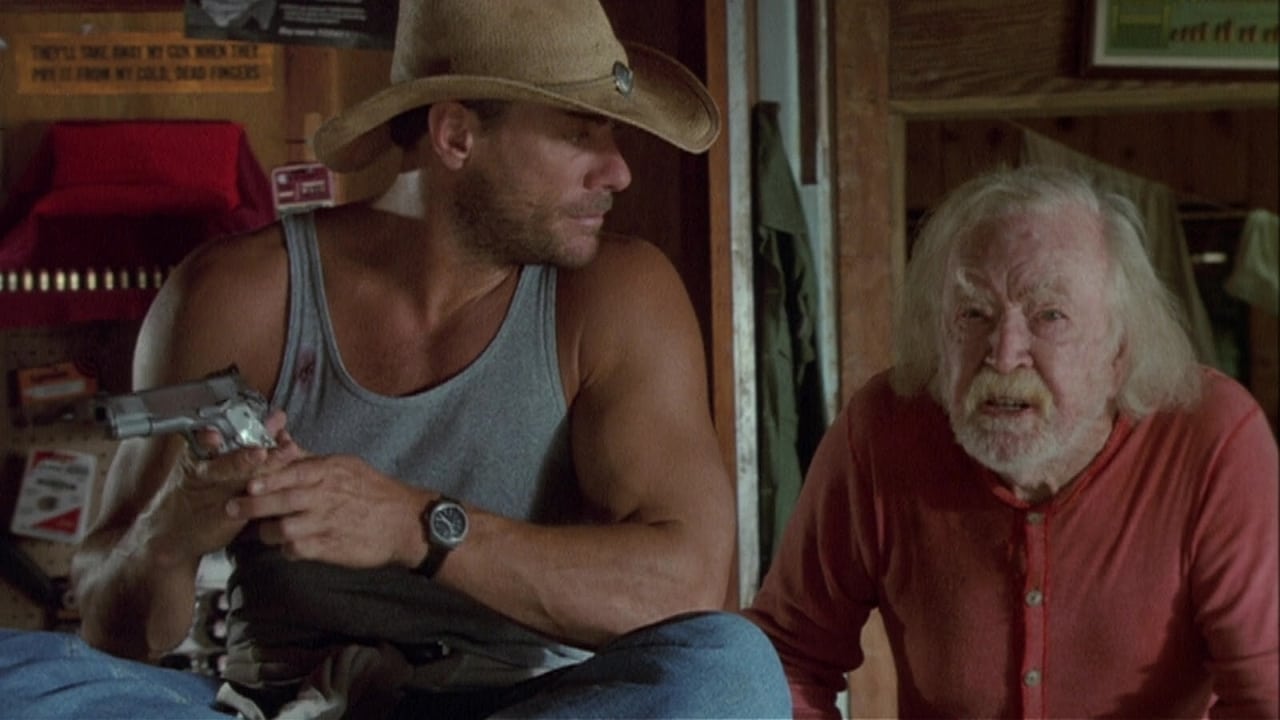
Enter the unexpected heart of the film: Pat Morita as Jubal Early. Seeing the beloved face of Mr. Miyagi pop up as a desert handyman, offering cryptic wisdom and welding skills, is initially jarring but strangely endearing. Morita, ever the professional, brings a welcome dose of warmth and quiet dignity, forming an unlikely friendship with the battered Lomax. Their scenes together provide some much-needed breathing room between the shootouts and roundhouse kicks. It’s certainly a far cry from crane kicks and bonsai trees, but Morita makes it work.
### Sun-Baked Fights and Practical Mayhem
Of course, this being a Van Damme vehicle, the action is the main course. While perhaps not reaching the kinetic heights of his earlier work like Bloodsport (1988) or Hard Target (1993), Inferno delivers some solid, sun-scorched set pieces. Remember how tangible action felt back then? This film leans heavily into that practical effects aesthetic. We get dusty fistfights, shotgun blasts that feel impactful, and motorcycle stunts that rely on skilled riders rather than seamless CGI. There’s a satisfying crunch to the violence, a rawness that modern, overly polished action often lacks.
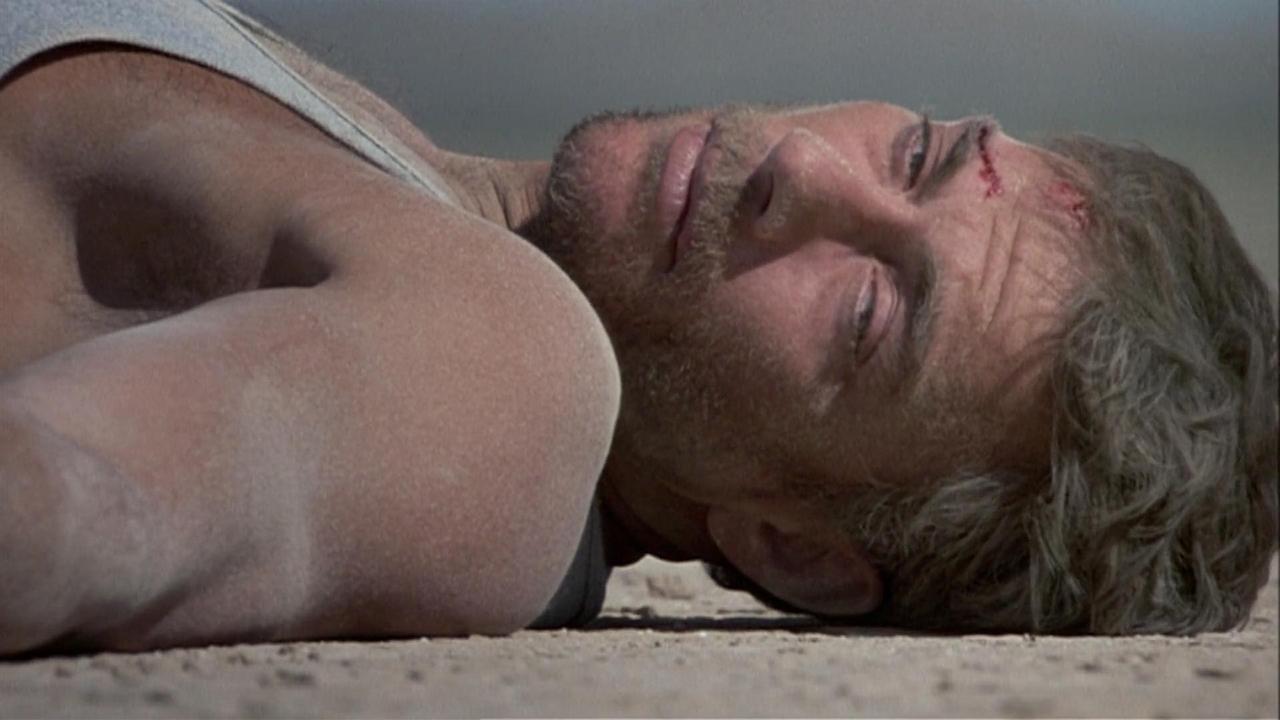
One memorable sequence involves Eddie rigging traps and using the desert environment to his advantage against the bikers. It’s low-tech, guerilla warfare, and it feels grounded in a way that’s distinctly pre-millennium. Watching Van Damme still performing many of his own demanding stunts and signature kicks, even as the budgets shrank, is always a treat for fans. And who leads the nasty biker crew determined to make Eddie’s life miserable? None other than the perpetually menacing Danny Trejo as Johnny Sixtoes. Trejo hadn't quite reached the cult icon status he enjoys today, but his screen presence was already undeniable, adding legitimate threat to the proceedings.
### A Quirky Desert Oasis
The plot itself is fairly straightforward revenge fare, elevated by its quirky characters and the desolate beauty of its filming locations (reportedly shot around Ridgecrest, California). We meet other desert dwellers, like Rhonda Reynolds (Gabrielle Fitzpatrick, who sharp-eyed viewers might remember from Mighty Morphin Power Rangers: The Movie (1995)) and Hogan (Larry Drake, chillingly good in Darkman (1990)), who help Eddie in his quest. The film doesn't shy away from Van Damme's character's initial despair, giving him a slightly darker edge than some of his heroic roles. It attempts a blend of existential brooding, quirky comedy (mostly involving Morita), and standard action tropes, with somewhat uneven results.
Was Inferno a massive hit? Not exactly. It bypassed theaters in many territories, heading straight for the welcoming arms of the VHS and DVD market where Van Damme still held considerable sway. Critics weren't overly kind, but for fans seeking that specific brand of late-90s action – a recognizable star, decent fights, and a slightly off-kilter vibe – it found its audience. It’s a film that feels very much of its time, a period when established stars and directors could find themselves crafting modest actioners for the home video crowd.

Rating: 5.5/10
Justification: Inferno earns points for its delightfully bizarre casting (Morita! Trejo!), the solid practical action sequences that were Avildsen's bread-and-butter (even in a context far removed from his classics), and Van Damme's enduring physical presence. However, it loses marks for its uneven tone, somewhat predictable plot, and the feeling that it falls short of the potential suggested by the talent involved. It’s undeniably a DTV film, with the expected budgetary constraints and occasional narrative clunkiness.
Final Thought: Inferno is a fascinating cinematic artifact – a strange desert mirage featuring action royalty, a beloved sensei, and Machete, all under the direction of a Hollywood legend on his final outing. It's the kind of movie you'd grab off the shelf purely for the names involved, and while not a classic, it's a uniquely flavoured slice of late-VHS-era action comfort food. Worth a spin for the sheer curiosity factor and some genuinely decent old-school brawls.