Okay, pop that tape in the VCR, maybe fast-forward through the trailers for Ghostbusters II or Indiana Jones and the Last Crusade that the rental store recorded over the start… because tonight, we're diving into The Karate Kid Part III. Released in 1989, this one often gets labelled the black sheep of the original trilogy, the one where Daniel-san maybe lost his way a little bit. And yeah, let’s be honest, it doesn’t quite hit the highs of the first film, or even the Okinawan adventure of the second. But pull up a beanbag chair, because there’s a unique, almost fascinating energy to this flick, fueled by perhaps the most gloriously unhinged villain of the entire series.
### Back to the Valley, Back to Trouble
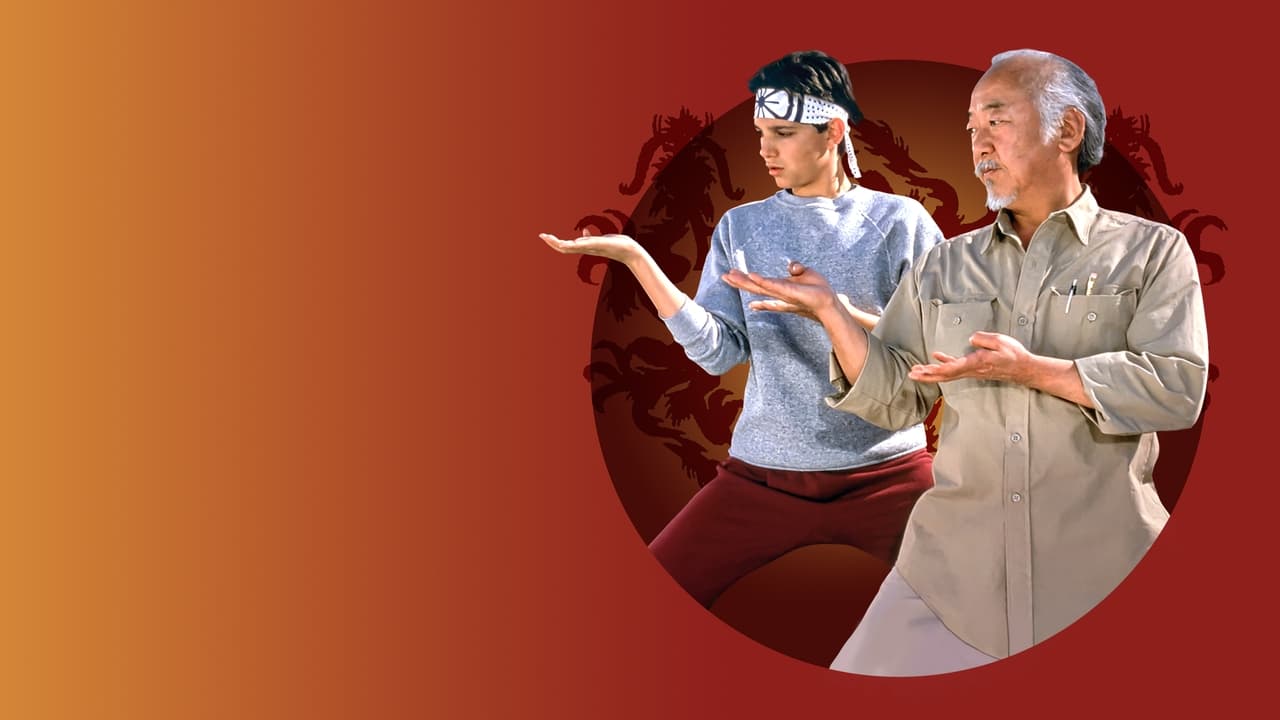
We rejoin Daniel LaRusso (Ralph Macchio) and Mr. Miyagi (Pat Morita) returning from Okinawa, hoping to settle down and open Mr. Miyagi's dream bonsai shop. Peace, right? Wrong. Turns out, Cobra Kai sensei John Kreese (Martin Kove) isn't just broke after his humiliation in the first film; he's utterly ruined and thirsting for revenge. This sets the stage for the film's real driving force: Kreese’s ridiculously wealthy, ponytailed toxic waste-dumping Vietnam vet buddy, Terry Silver. Played with scenery-chewing gusto by Thomas Ian Griffith, Silver is less a martial arts master and more a cackling Bond villain who inexplicably decides the best use of his vast resources is orchestrating the psychological torture of a teenager via karate.
It's a plot that, on paper, sounds… well, kind of nuts. And it is! But that’s also part of its strange charm. Robert Mark Kamen, writer of all the original films, has actually gone on record saying he wasn't thrilled with this one, feeling the studio pushed him to essentially remake the first movie's tournament plot against his wishes. You can kind of feel that tension – the recycling of the All Valley tournament feels forced, especially Miyagi’s initial refusal to train Daniel for it. But where the film finds its own weird identity is in the Kreese/Silver revenge scheme.
### Enter Terry Silver: Peak 80s Villainy
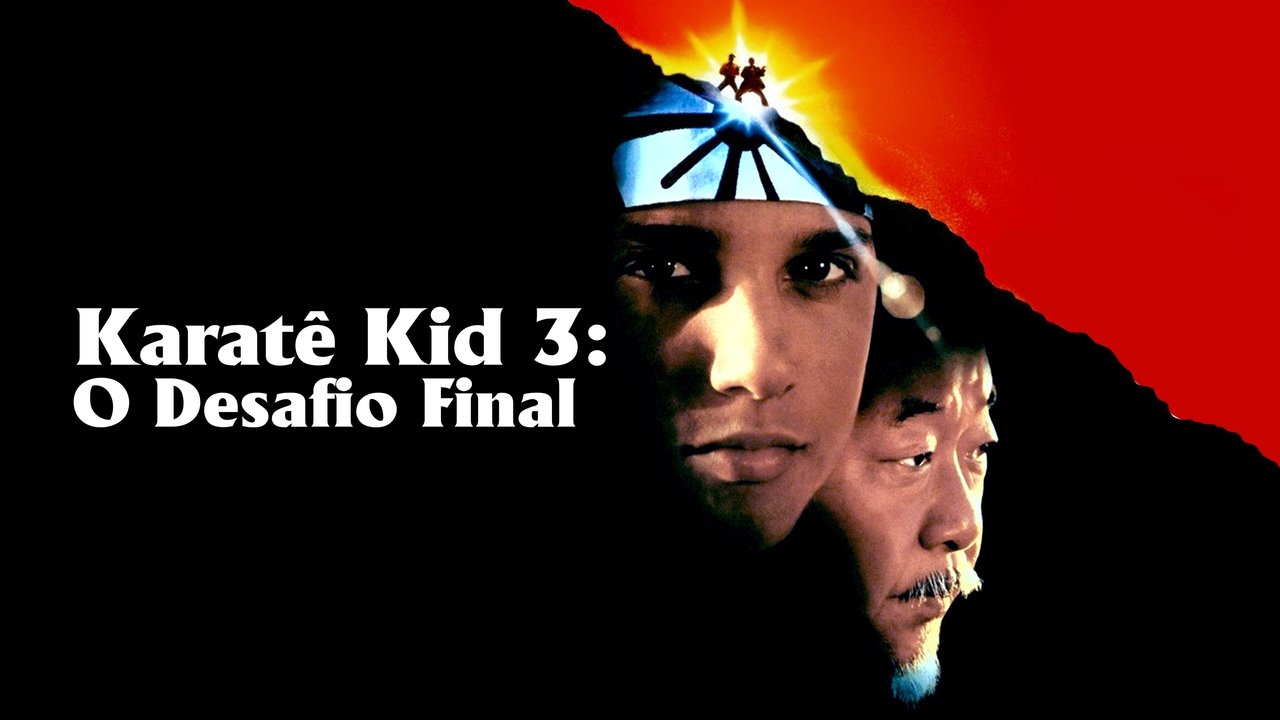
Let's talk about Terry Silver. Thomas Ian Griffith, a skilled martial artist himself, brings an electric, almost manic energy to the role. It's fascinating to learn that Griffith was actually younger than Ralph Macchio during filming (27 vs 28), yet he convincingly plays this older, intimidating figure. Silver’s plan is ludicrously elaborate: manipulate Daniel into abandoning Miyagi, train him using brutal Cobra Kai methods designed to cause pain and fear ("A man can't stand, he can't fight!"), set him up for public failure at the tournament, and restore Cobra Kai's dominance. Griffith leans into the sheer excess of it all – the maniacal laughter, the slicked-back ponytail, the expensive suits, the declaration that he’s cancelling a toxic waste dumping trip to focus entirely on messing with a high school kid. It’s pure, distilled late-80s cinematic villainy, and honestly, it’s wildly entertaining to watch.
His introduction was partly necessitated by circumstance. Martin Kove had scheduling conflicts due to his starring role in the short-lived sci-fi show Hard Time on Planet Earth, so Kreese's role was reduced, paving the way for Silver to step up as the primary antagonist. It’s a twist of fate that gave the film its most memorable, if polarizing, element.
### Daniel-San's Dark Side (Sort Of)
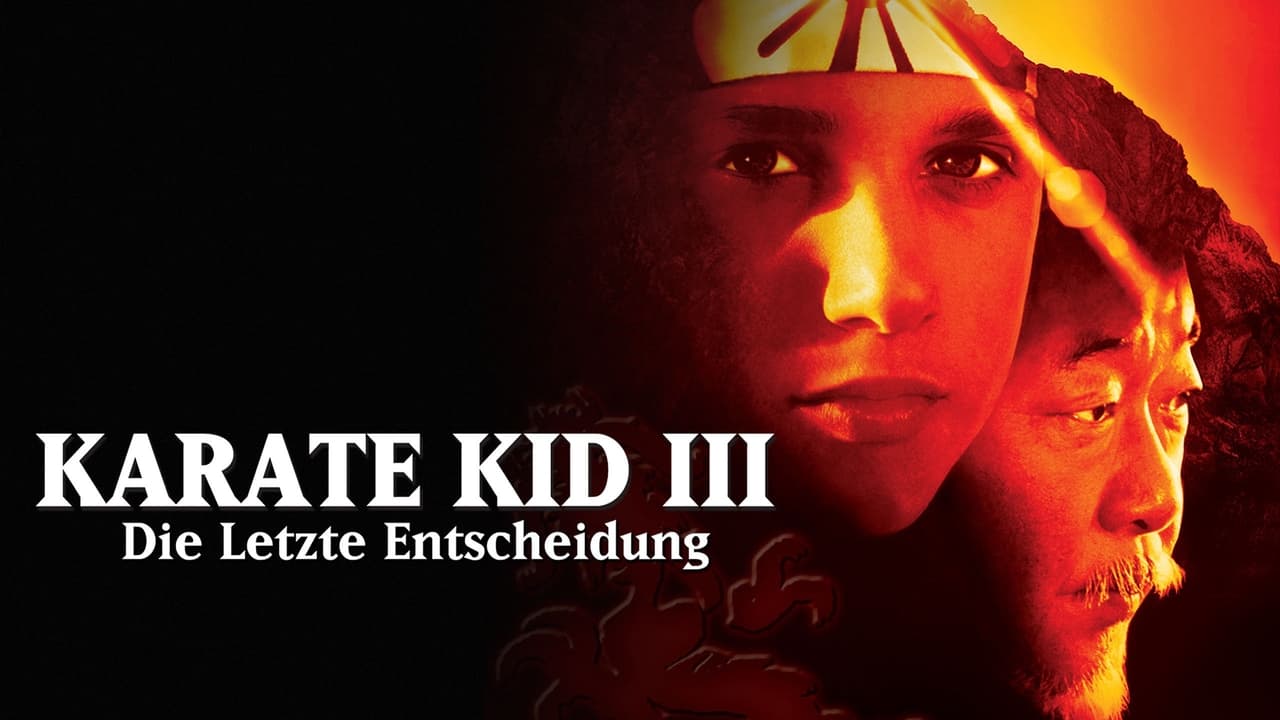
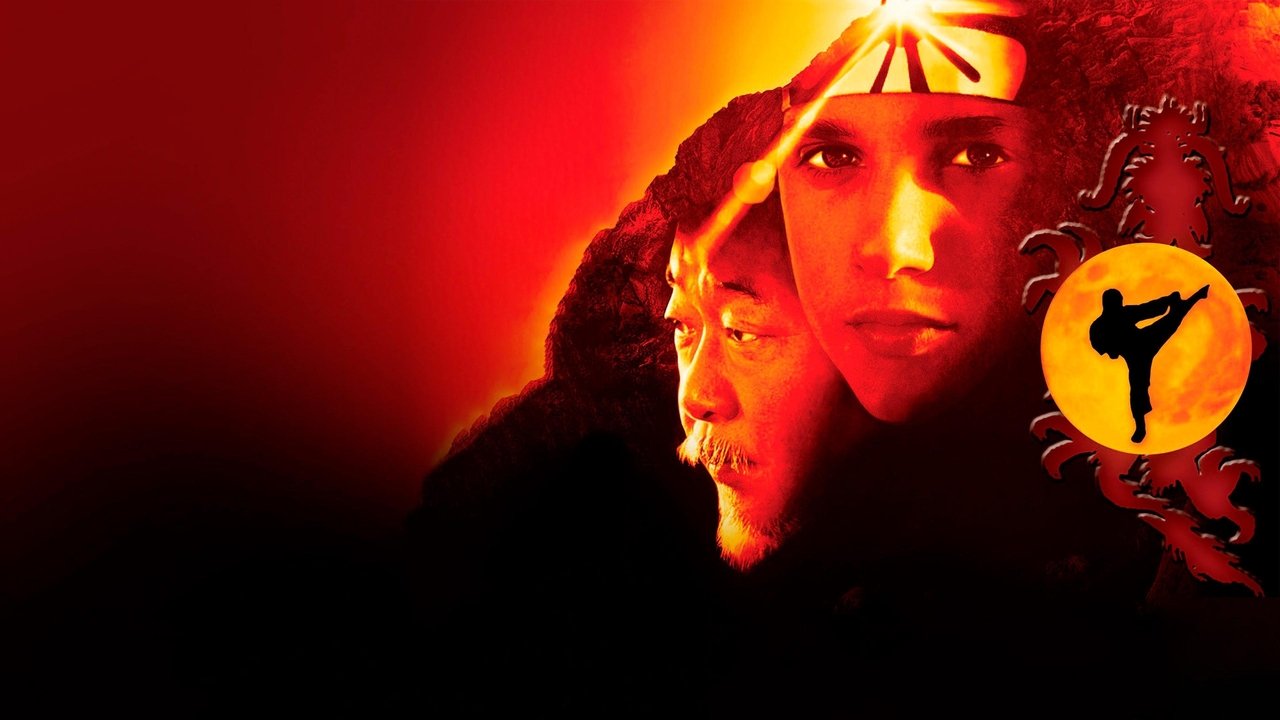
This film tries to give Daniel a bit more edge. Pressured by Silver, terrified of the brutish Mike Barnes (Sean Kanan, hired by Silver specifically to torment Daniel), and feeling abandoned by Miyagi’s understandable reluctance to participate in more karate drama, Daniel gets… angry. He breaks rules, yells at Miyagi, and embraces Silver’s aggressive training – remember that cringe-inducing scene of him punching the wooden practice dummy until his knuckles bleed? It’s an attempt at character development, showing the darker pull of Cobra Kai's philosophy. Does it fully work? Eh, maybe not entirely. Daniel mostly comes off as stressed and easily manipulated rather than truly turning bad, but it’s an interesting wrinkle. Ralph Macchio does his best to sell Daniel's frustration and fear, even if the script sometimes makes LaRusso seem incredibly dense for falling for Silver's act.
We also get Jessica Andrews, played by Robyn Lively (sister of Blake). She serves as Daniel’s friend and pottery-making companion, notably not a love interest, which was a refreshing change. Fun fact: The role was initially set for Paula Abdul, but she had to drop out due to her exploding music career. Lively brings a grounded presence, often acting as the audience surrogate questioning the sheer insanity unfolding around Daniel.
### Miyagi-Do Wisdom vs. Cobra Kai Brutality
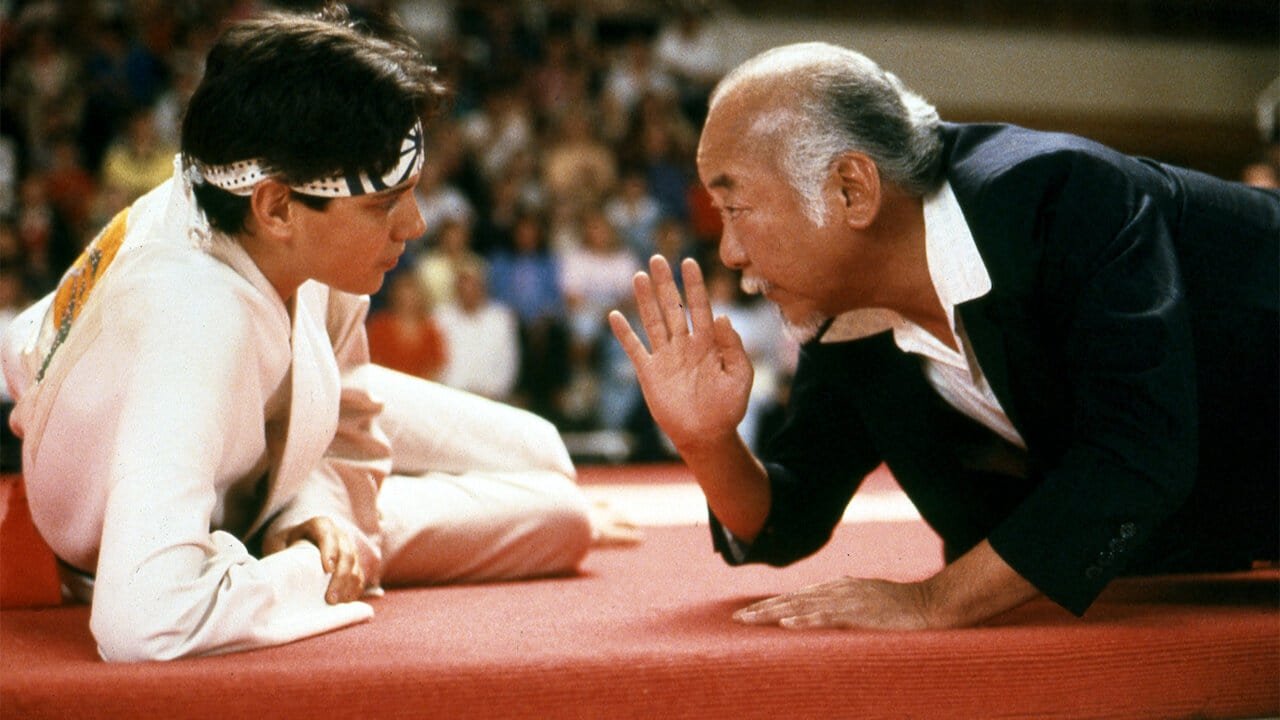
Amidst the melodrama, Pat Morita remains the serene center of the film. Miyagi’s quiet wisdom and unwavering principles are the necessary anchor. His scenes tending the bonsai shop (initially destroyed by Silver’s goons, naturally) and eventually teaching Daniel the calming Kata as the true path offer a welcome counterpoint to Silver's hyper-aggression. Director John G. Avildsen, who won an Oscar for Rocky and directed the original Karate Kid but sat out Part II (handled by John G. Pasquin), returns here. You can see echoes of Rocky in the training montages, but the overall tone feels darker and less uplifting than the first film. The karate action itself feels a bit more brutal, especially Mike Barnes’ relentless attacks during the final tournament. It lacks the almost balletic quality of the first film's climax, leaning more into punishment.
The film didn't exactly set the world on fire back in '89. Critics were largely unkind, and while it turned a profit ($39 million domestic on a $12.5 million budget), it was a significant drop-off from the previous entries. For years, it was seen as the point where the franchise jumped the shark (or maybe crane-kicked it?).
### The Verdict on the Tape
So, popping The Karate Kid Part III into the VCR today offers a… complex viewing experience. It’s undeniably flawed – the plot is repetitive, Daniel’s choices are frustrating, and the stakes feel artificially inflated. Yet, it’s also weirdly compelling. Thomas Ian Griffith’s performance as Terry Silver is an absolute masterclass in glorious overacting, a villain so delightfully over-the-top he transcends the film’s weaknesses. The darker themes, while perhaps clumsily handled, offer a different flavor compared to the previous entries. And of course, Mr. Miyagi is always a welcome presence. Watching it now, especially with the context provided by the Cobra Kai series (which brilliantly resurrected Terry Silver), adds another layer of appreciation for what this oddball sequel contributed to the Miyagi-verse lore.
Rating: 5.5 / 10
Why this score? It loses points for the recycled tournament plot, questionable character decisions, and generally failing to recapture the magic of the original. However, it gains points for Pat Morita's enduring warmth, attempting a darker psychological angle (even if flawed), and delivering one of the most ridiculously entertaining villains of the 80s in Terry Silver. His performance alone makes it worth revisiting.
Final Thought: Not the strongest wax-on, wax-off session, but Terry Silver's sheer, unadulterated villainy makes this the Karate Kid sequel you secretly love to hate-watch, a perfect slice of late-80s excess preserved on magnetic tape.