Okay, pop that tape in the VCR, hit play, and ignore the slightly fuzzy tracking lines for a minute. We're diving headfirst into arguably the most gloriously excessive, unapologetically 80s entry in the Italian Stallion’s saga: Rocky IV (1985). Forget nuanced character studies; this is Cold War tensions filtered through bulging biceps, synth-heavy montages, and a level of jingoism that could power a small nation. And honestly? Sometimes, that’s exactly what you needed on a Friday night rental run.
### From Philly Pride to Global Stage
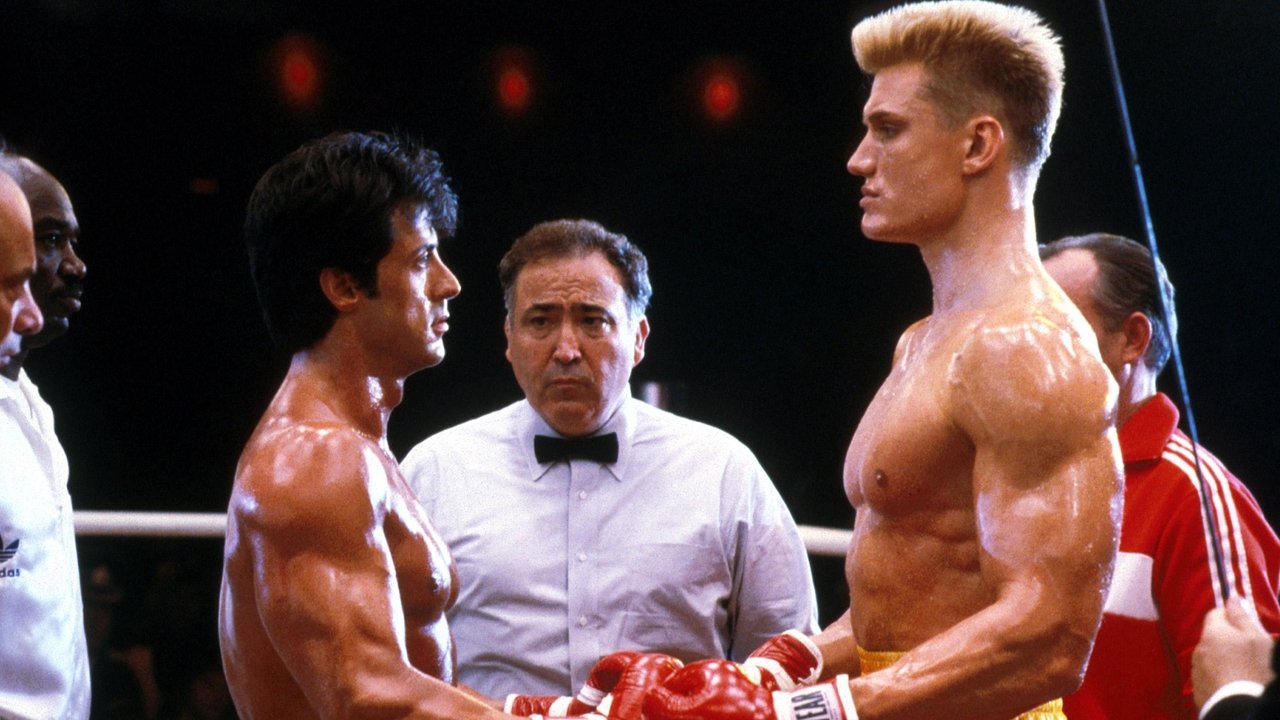
The setup is pure Reagan-era pulp: a seemingly unstoppable Soviet boxing machine, Ivan Drago (Dolph Lundgren), arrives on American shores, backed by sinister government types and technology that looks ripped from a Sharper Image catalog. When Rocky's dear friend and former rival, Apollo Creed (Carl Weathers, always charismatic), steps into the ring for an exhibition match that goes horrifically wrong, Balboa finds himself driven by grief and vengeance. Suddenly, it's not just about boxing; it's USA vs. USSR, freedom vs. oppression, natural grit vs. steroidal science, all culminating in a showdown on Moscow soil.
It's a plot thinner than Paulie's excuses, but let's be real – we weren't renting Rocky IV for intricate plotting. We were there for the spectacle, and director/writer/star Sylvester Stallone delivers it in spades. He knew exactly what buttons to push, creating a film that felt less like a sports drama and more like a live-action cartoon fused with an epic music video. And it worked – pulling in a staggering $300 million worldwide on a $28 million budget (that's well over $750 million today!), this was a bona fide blockbuster phenomenon, even if critics at the time weren't exactly singing its praises.
### Enter the Siberian Express
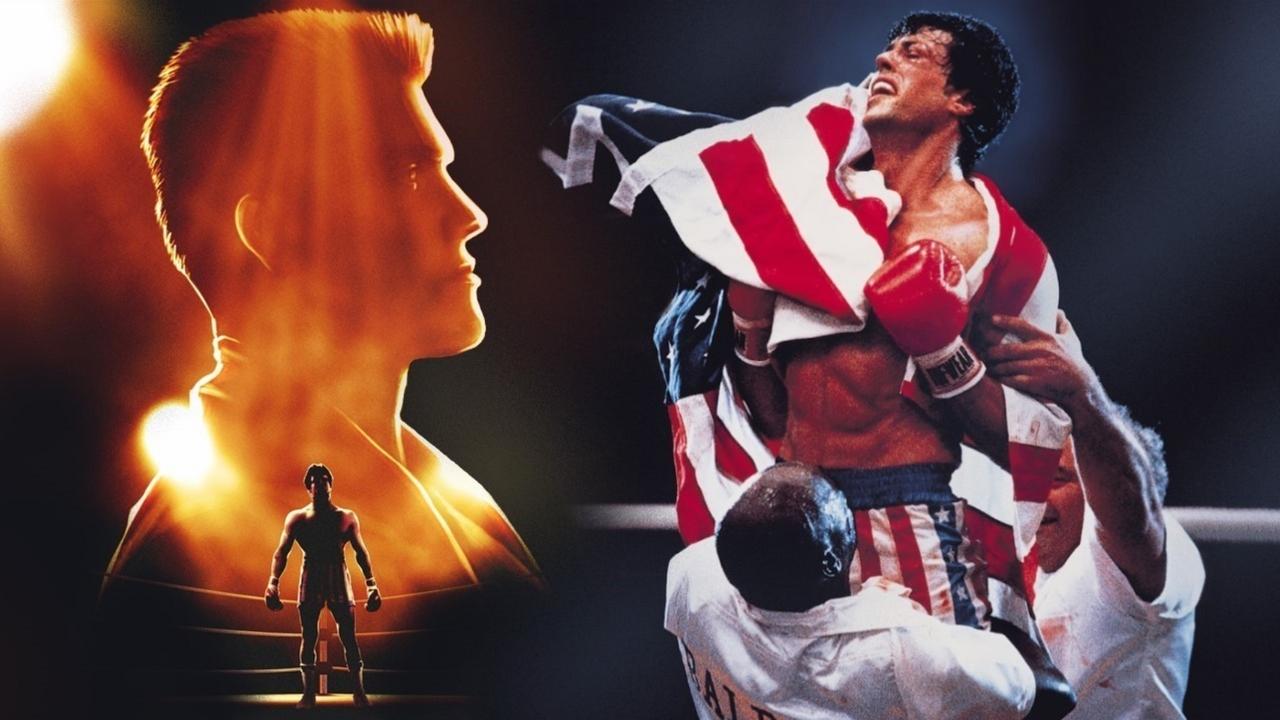
Let’s talk about Ivan Drago. Dolph Lundgren, a Swedish chemical engineer with a black belt in Kyokushin karate, was an inspired piece of casting. Reportedly chosen from nearly 5,000 hopefuls, his sheer physical presence is terrifying. He’s less a character, more an elemental force – a blond behemoth sculpted from granite and stoicism, uttering chilling lines like "If he dies, he dies." Lundgren’s lack of dialogue becomes his strength; his icy stare and imposing physique say everything needed. He felt like an unstoppable force, a perfect embodiment of the perceived Soviet threat of the era.
The initial exhibition fight between Apollo and Drago, complete with James Brown belting out "Living in America," is a masterclass in 80s excess that quickly turns tragic. It sets the stakes impossibly high and fuels Rocky's emotional journey, providing the film its only real moment of pathos amidst the bombast.
### Montage Mania and Bone-Crunching Blows
Ah, the montages. Rocky IV practically weaponizes them. We get Rocky training old-school in the snowy wilderness of Wyoming (standing in for Siberia, naturally), chopping wood, hauling logs, and scaling mountains like a flannel-clad superhero. Juxtaposed against this is Drago’s high-tech Soviet facility, complete with computers monitoring his every punch and doctors injecting him with… well, let’s just say vitamins. It’s gloriously simplistic symbolism, but damn if it isn’t effective, especially paired with Vince DiCola’s iconic synth score (a notable departure from Bill Conti's traditional brass). Tracks like "Training Montage" and "War" became instant workout playlist staples for a generation.
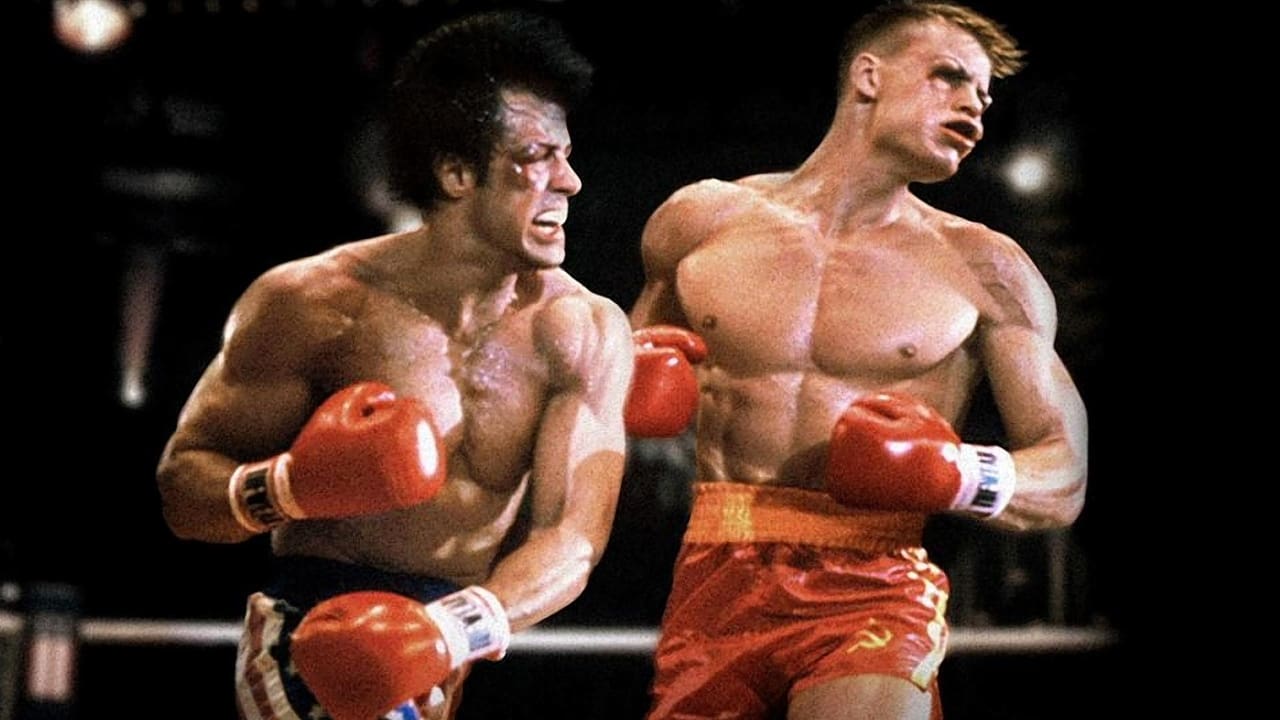
And the final fight? Forget the technical finesse of earlier Rocky bouts. This is pure, unadulterated slugfest. Remember how real those punches looked? There’s a reason for that. Stallone famously encouraged Lundgren to hit him for real during filming, resulting in a blow to the chest so severe it bruised Stallone’s heart muscle against his ribs, landing Sly in intensive care for several days. That visceral impact translates directly to the screen. This wasn't CGI trickery; it was two guys genuinely whaling on each other, captured with raw energy. The sound design, the quick cuts, the sheer brutality – it felt incredibly intense watching it on a flickering CRT back in the day. You felt every blow.
### Beyond the Big Two
While Stallone and Lundgren dominate, the familiar faces provide grounding. Talia Shire as Adrian gets her moments, offering cautious support but ultimately standing by her man. Burt Young’s Paulie is… well, he’s Paulie, mostly comic relief, though his interactions with the bizarre SICO robot (reportedly included by Stallone for his autistic son, Seargeoh) remain one of the film's most bafflingly endearing quirks.
Stallone's direction is slick and propulsive, leaning heavily into the MTV aesthetic popular at the time. Lots of quick cuts, dramatic zooms, and that ever-present, driving score. It’s not subtle, but it perfectly matches the film's straightforward, high-impact narrative.
### Cold War Champion?
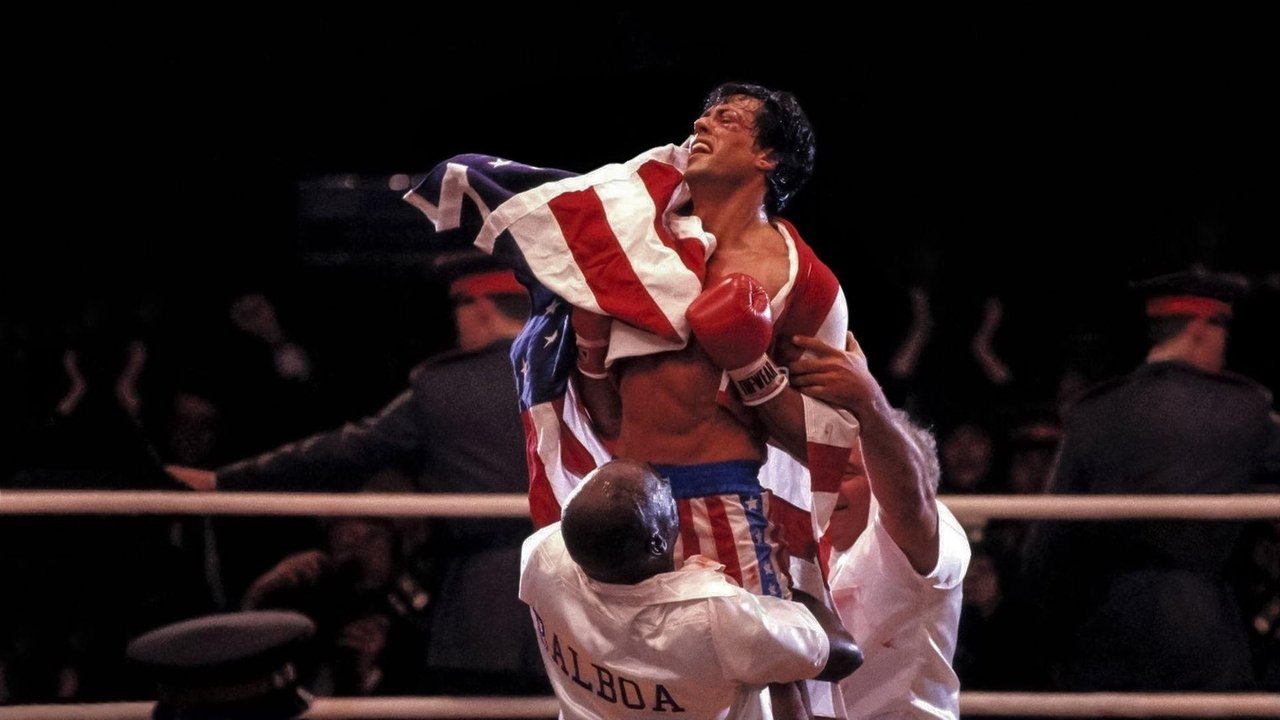
Rocky IV is undeniably a product of its time – a cinematic snapshot of mid-80s Cold War anxieties wrapped in boxing gloves. Its politics are simplistic, its characters archetypal, and its plot predictable. Yet, there's an undeniable energy and earnestness to it. It taps into primal themes of revenge, perseverance, and national pride with sledgehammer force. The final speech, where Rocky implores the hostile Moscow crowd (and by extension, the world) that "if I can change, and you can change, everybody can change!" is pure, unadulterated cheese, but delivered with such conviction by Stallone that you almost buy it.
Rating: 7/10
Why this score? While the plot is thin and the characters lack the depth of earlier installments, Rocky IV delivers exactly what it promises: iconic training montages, a truly memorable villain in Drago, bone-jarringly intense practical action, and an unforgettable synth score. It's pure 80s adrenaline fuel, perfectly capturing the era's zeitgeist. It loses points for subtlety and narrative complexity but scores high on sheer entertainment value and nostalgic power.
Final Comment: Rocky IV might be the cinematic equivalent of a mullet – business (revenge plot) in the front, party (montages and mayhem) in the back – but like the best VHS rentals, it remains ridiculously watchable, a potent shot of pure, unrefined 80s blockbuster filmmaking. It's loud, dumb, and kinda glorious.