It starts with a scooter. Not a spaceship, not a magical quest, just a humble Honda Elite, trashed by local bullies. But from that simple injustice, a fire ignites in Corpus Christi, Texas, forging an unlikely modern-day folk hero – a teenage girl who decides enough is enough. The Legend of Billie Jean wasn't a box office smash back in 1985, earning a modest $3.6 million against its budget, but oh, how it found its tribe on the flickering screens of countless living rooms, passed hand-to-hand on well-loved VHS tapes. Its battle cry, "Fair is Fair," resonated far beyond the cineplex.

From Scooter Repair to Fugitive Icon
The premise, penned by Mark Rosenthal and Lawrence Konner (who'd later tackle everything from Superman IV: The Quest for Peace to Tim Burton's Planet of the Apes), feels ripped from sun-baked headlines that never quite happened. Billie Jean Davy (Helen Slater, fresh off her flight as Supergirl) just wants $608 – the exact cost to fix her brother Binx's scooter. When the slimy shop owner's son tries to assault her instead of paying up, things escalate disastrously. An accidental gunshot later, Billie Jean, Binx (Keith Gordon, familiar from Christine), and their friends Putter (Yeardley Smith, long before becoming Lisa Simpson!) and Ophelia (Martha Gehman) are on the run, branded as dangerous criminals. What follows is a unique blend of teen drama, road movie, and surprisingly potent social commentary, all under the Texas sun.
Director Matthew Robbins, who previously gave us the fantastic fantasy Dragonslayer (1981) and co-wrote screenplays for cinematic titans like Close Encounters of the Third Kind and Jaws, captures both the desperation and the burgeoning empowerment of Billie Jean's journey. The film cleverly uses the escalating media circus to show how quickly perception can shift. Billie Jean doesn't seek fame, but as news reports twist her story, her image – especially after a spontaneous, defiant haircut inspired by Joan of Arc – becomes a symbol for disenfranchised youth everywhere. Suddenly, kids are mimicking her look, chanting her mantra. She's become a legend, whether she likes it or not.
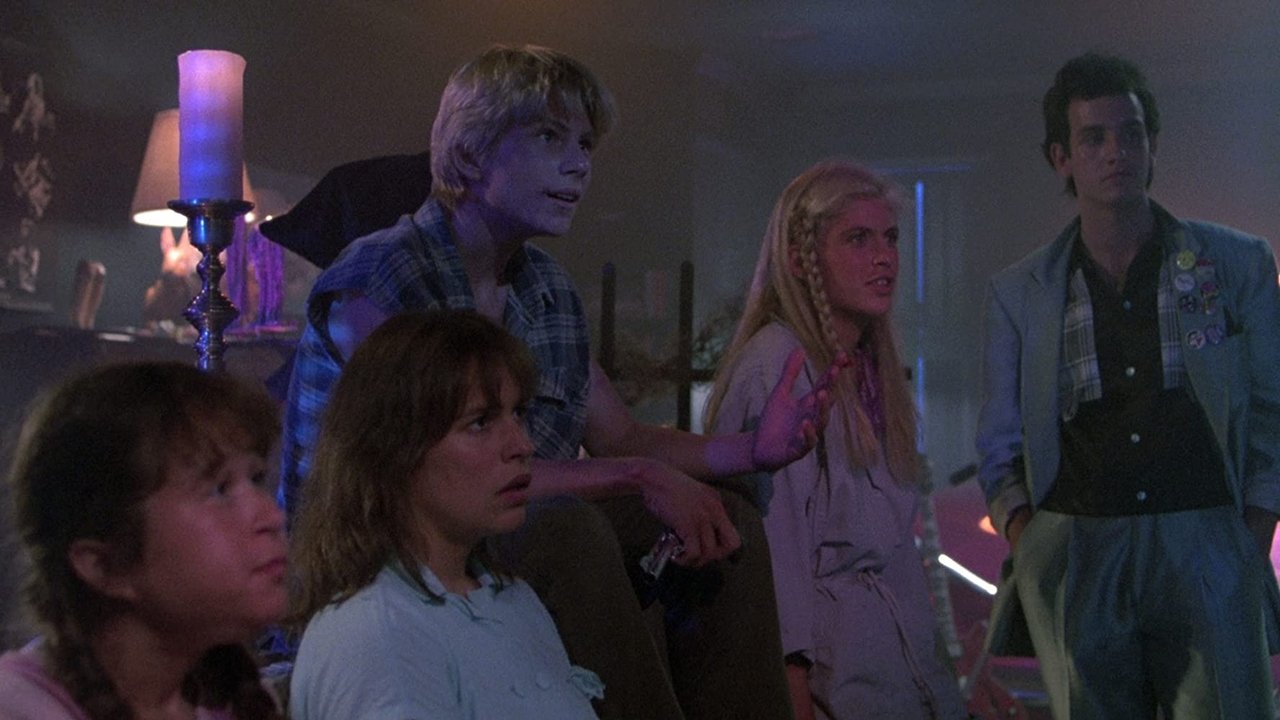
Fair is Fair: The Heart of the Legend
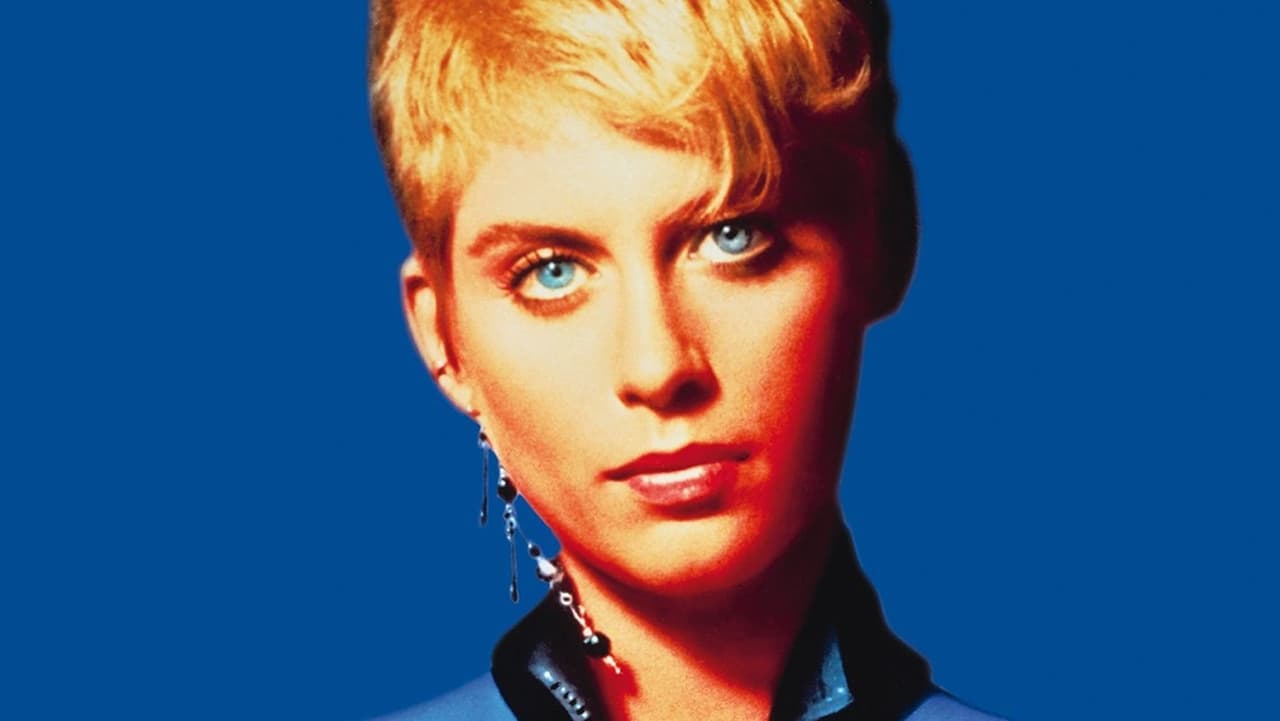
Helen Slater truly anchors the film. She transforms Billie Jean from a determined but ordinary teen into a compelling figure of righteous anger. That pivotal scene where she hacks off her blonde locks in a gas station restroom? Apparently, Slater was genuinely hesitant about the dramatic chop, but it became the film's most enduring image. It wasn't just a haircut; it was a shedding of victimhood, an embrace of power. Her quiet intensity contrasts nicely with Keith Gordon's loyal, protective Binx. And keep an eye out for a very young Christian Slater (no relation to Helen, despite playing her brother in the film!) as Binx – full of the restless energy that would soon make him a star.
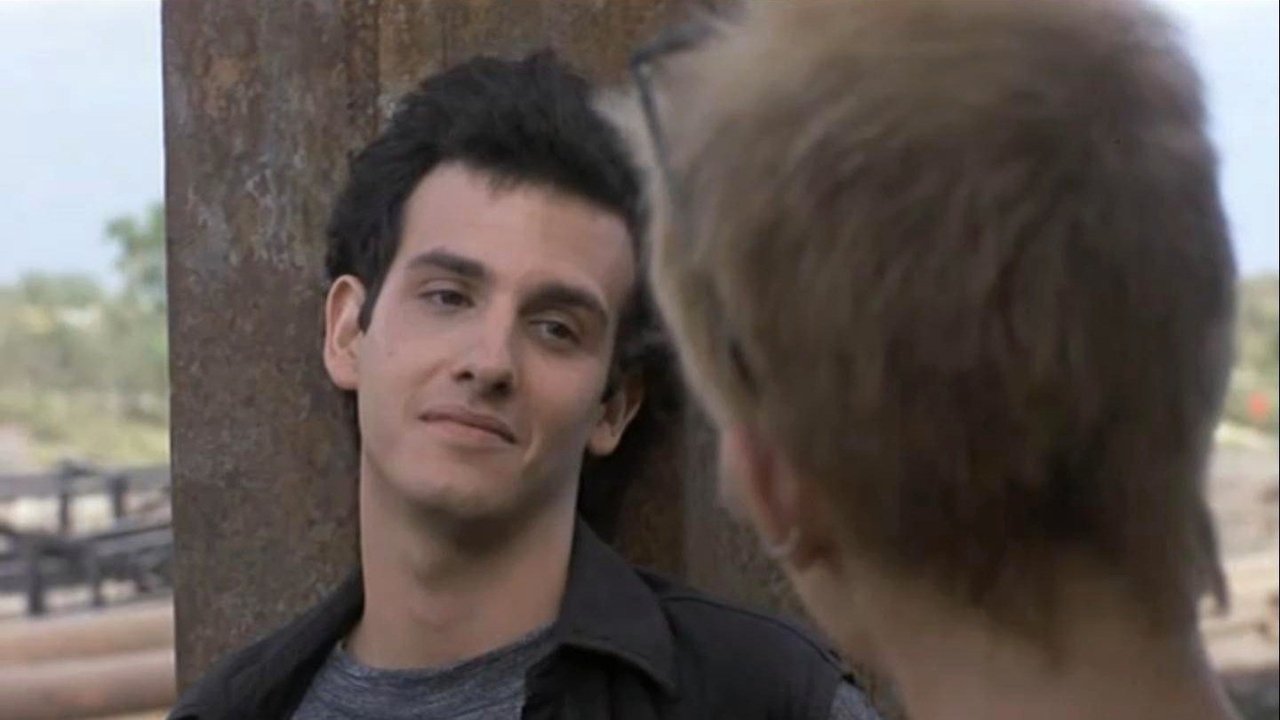
The supporting cast adds texture, from the sympathetic Lloyd (played by Peter Coyote, bringing a weary gravitas) trying to understand Billie Jean's plight, to the genuinely unsettling portrayal of the bully Hubie Pyatt by Barry Tubb. The dynamic between the core group of friends feels authentic; they bicker, they support each other, they grapple with the enormity of their situation in a way that feels grounded, even amidst the escalating drama.

Retro Fun Facts: Beyond the Legend
- The Song: You can't talk about Billie Jean without mentioning Pat Benatar's powerhouse anthem "Invincible." Written specifically for the movie, it perfectly captured the film's spirit of defiance and became a massive hit in its own right, forever linked to Billie Jean's televised stand.
- Location Grit: Filming in Corpus Christi, Texas, during the summer provided an authentic backdrop but also meant battling intense heat, adding a layer of realism to the characters' flight.
- Cult Status Earned: Despite its lukewarm initial reception (currently holding a 45% critic score on Rotten Tomatoes, but a much warmer 80% audience score – proving its lasting appeal), The Legend of Billie Jean truly found its audience on home video. It became one of those quintessential 80s rentals, a discovery shared between friends, its message finding fertile ground away from critical scrutiny.
- Joan of Arc Connection: The filmmakers openly acknowledged the Joan of Arc parallels, using the historical figure as a template for a modern story about a young woman persecuted for standing up for what's right, eventually becoming a symbol far bigger than herself.
Why It Still Resonates (Mostly)
Sure, viewed through a modern lens, The Legend of Billie Jean has its share of 80s quirks. The pacing can feel a little uneven, some plot points stretch credulity, and the fashion is gloriously, undeniably of its time. Yet, the core message – the simple demand for fairness in an unfair world – remains potent. There's an earnestness to the film, a lack of cynicism that feels refreshing. It tapped into that teenage frustration, that feeling of being unheard and underestimated by the adult world.
Watching it now evokes that specific feeling of discovering a slightly rebellious gem on the video store shelf. It wasn't the biggest blockbuster, but it felt like yours. It had something to say, wrapped in an exciting chase narrative with a heroine you could genuinely root for. Remember seeing those kids copying Billie Jean's look on the news in the movie? That sense of shared identity, of finding a symbol, felt powerful, even through the static of a CRT screen.
VHS Heaven Rating: 7/10
The Legend of Billie Jean isn't a perfect film, but its heart is undeniably in the right place. Helen Slater's iconic performance, the killer theme song, and its earnest exploration of justice and media manipulation elevate it beyond a simple teen flick. It earns its 7 for capturing a specific 80s teen angst with surprising grit, for creating a memorable (if accidental) pop culture icon, and for its enduring status as a beloved cult classic discovered and cherished on VHS.
It’s a potent reminder that sometimes, all it takes is one voice, one stand, and one unforgettable haircut to start a legend. Fair is fair, after all.