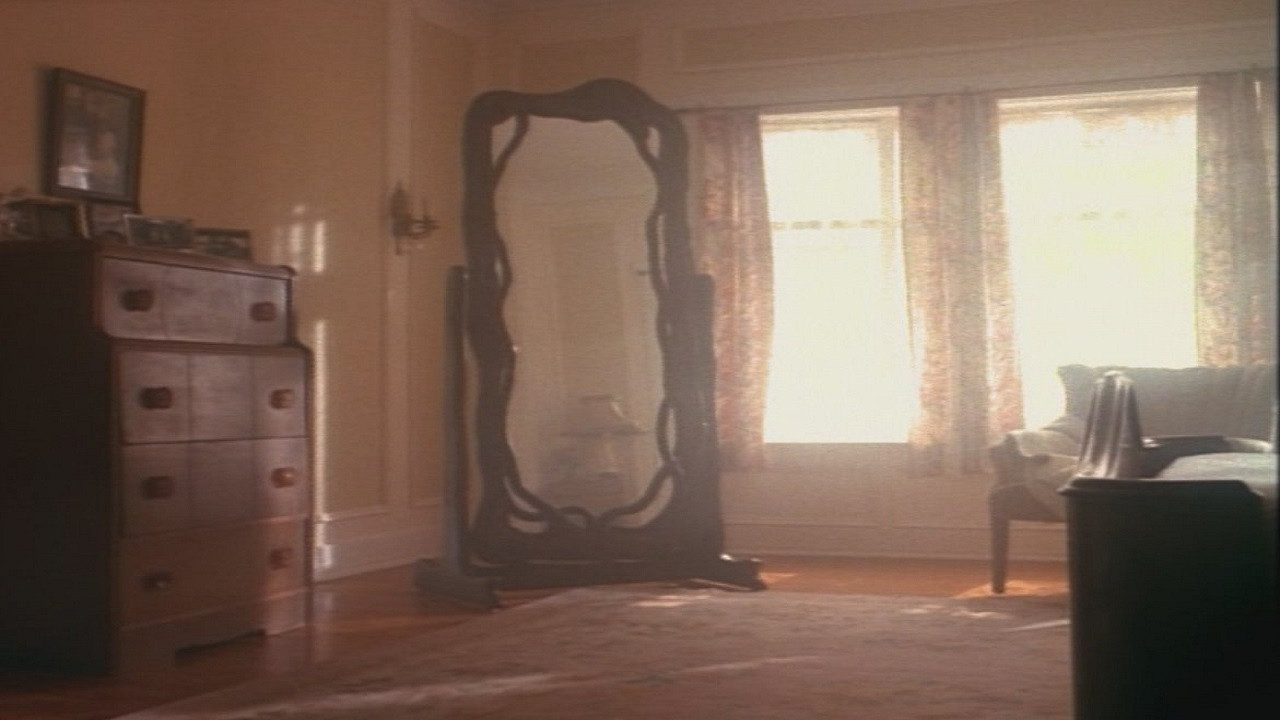
Some objects just feel wrong. Not necessarily cursed in a Hammer Horror sense, but stained, carrying the weight of past traumas like a psychic residue. The antique mirror at the heart of 1990’s Mirror Mirror is precisely that kind of object – dark, ornate, and radiating a palpable sense of dormant malevolence long before it starts actively ruining lives. Finding this gem on the dusty shelves of the local video store felt like unearthing a secret, a darker cousin to the usual teen slashers lining the horror aisle.
Reflections of Angst
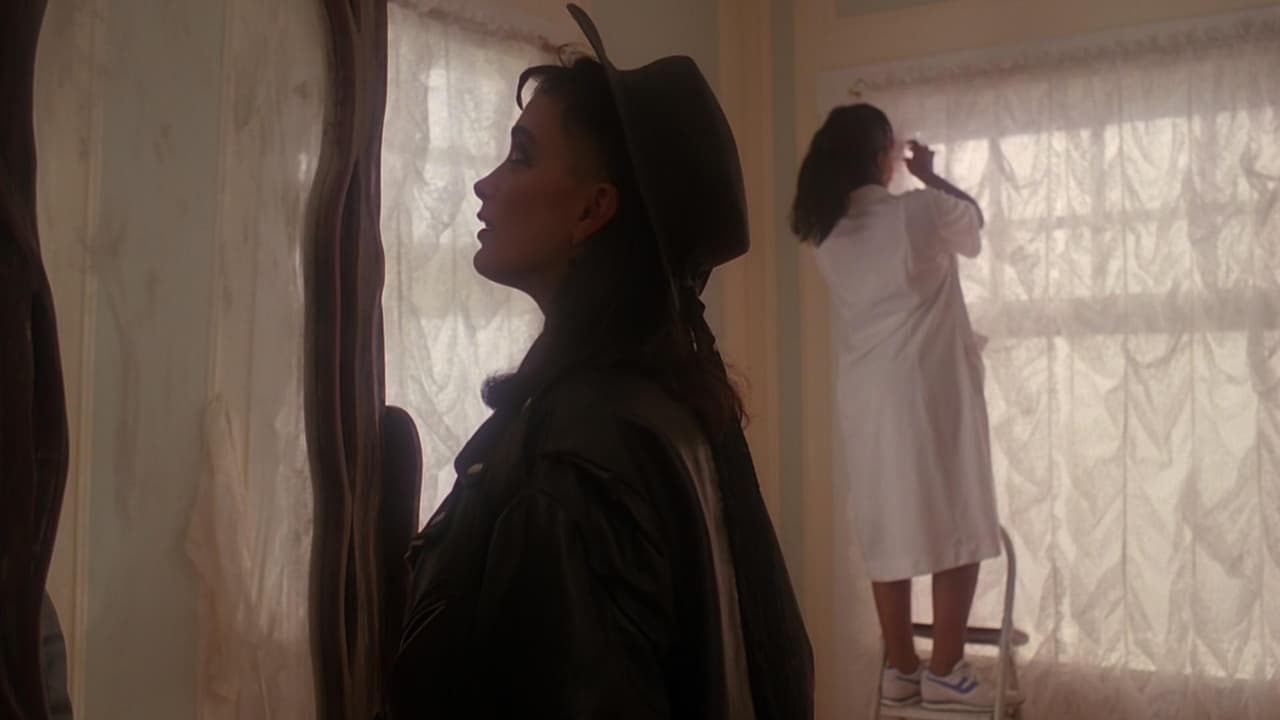
Directed and co-written by Marina Sargenti, alongside YA horror veterans Annette Cascone and Gina Cascone (known for their Deadtime Stories series), Mirror Mirror taps directly into the vein of adolescent alienation. Rainbow Harvest plays Megan, a shy, artistic goth girl transplanted from sunny L.A. to the decidedly less welcoming climes of Iowa after her mother (Karen Black) remarries. Out of place and immediately targeted by the reigning queen bee Nikki (Kristin Dattilo) and her clique, Megan finds solace only in her gloomy bedroom... and in the imposing, ancient mirror left behind by the previous occupants. It doesn't take long to discover the mirror isn't just reflecting her image; it seems to be listening, offering a conduit for her darkest desires and simmering rage.
The premise – a bullied teen gaining supernatural power for revenge – isn't wholly original, but Mirror Mirror executes it with a surprisingly somber and gothic sensibility. This isn't a high-energy slasher romp. Instead, Sargenti cultivates a slow-burn dread, focusing on Megan’s isolation and the seductive pull of the mirror's power. The film feels steeped in a kind of brooding atmosphere, aided by a score that emphasizes eerie synth tones over jump-scare stingers. Remember how effective simple, moody synth could be back then, especially bleeding through tinny TV speakers late at night?
A Glimmer of Darkness
Rainbow Harvest, with her expressive eyes and quiet intensity, perfectly embodies Megan's transformation from victim to something far more dangerous. Her performance is the film’s anchor, capturing both vulnerability and a chillingly detached cruelty as the mirror's influence grows. It’s a shame Harvest didn’t have a more extensive career; she had a unique screen presence ideal for this kind of atmospheric horror. And then there’s the legendary Karen Black (Trilogy of Terror, House of 1000 Corpses). While her role as Megan’s increasingly concerned mother isn’t huge, her distinctive presence lends the film a vital shot of genre credibility. Seeing her name on the VHS box immediately signaled you were in for something potentially weirder than average.
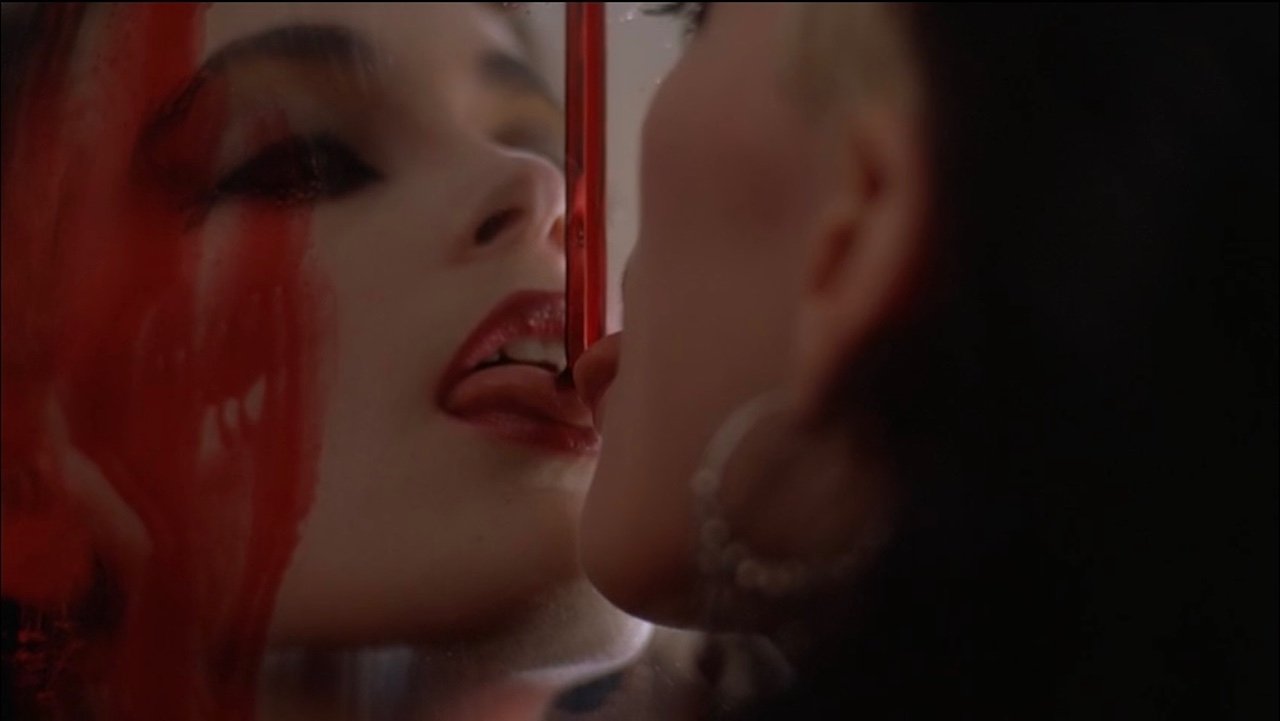
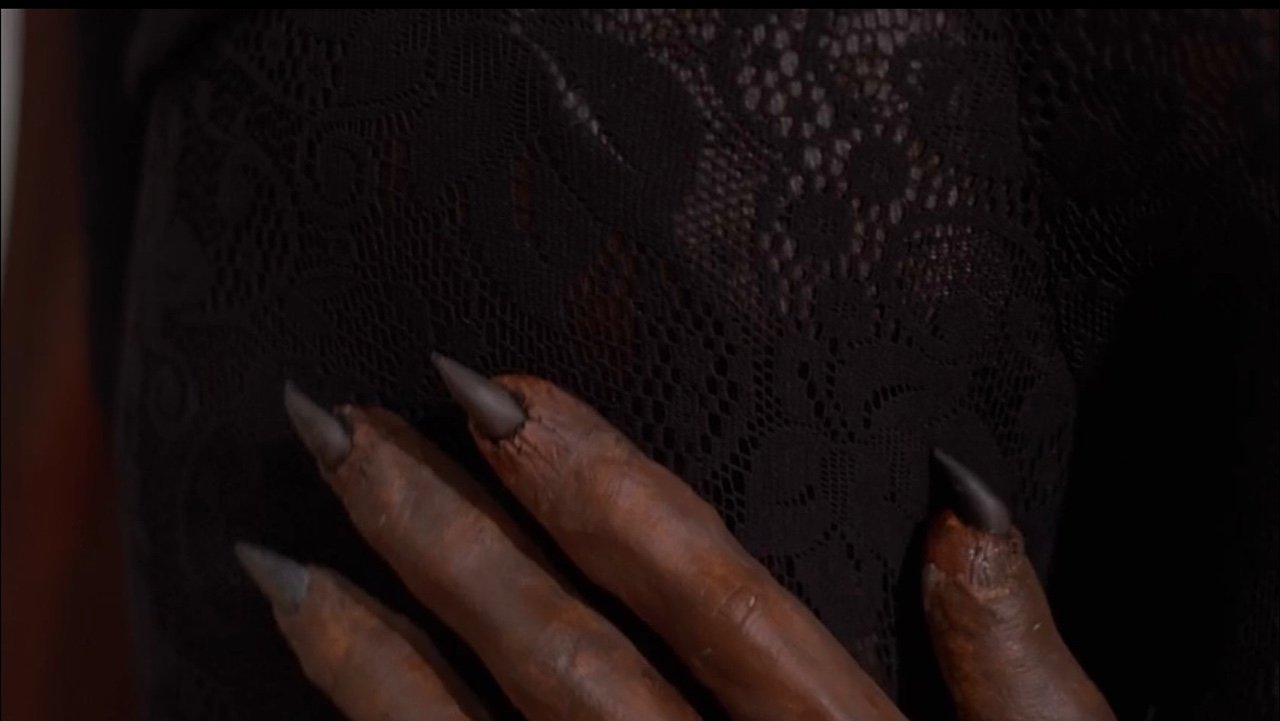
The mirror itself is a fantastic piece of production design – imposing, detailed, looking genuinely ancient and sinister. The practical effects used to visualize its power, while perhaps dated by today's CGI standards, retain a certain tangible creepiness. The warping reflections, the subtle shifts in the glass, the way blood seems to weep from its frame... these moments felt disturbingly real on a flickering CRT screen. There's a tactile quality to the supernatural events – steaming showers turning deadly, grotesque transformations – that often lands with more weight than slicker, more modern effects. Did any particular mirror effect stick with you after watching this one back in the day? That dog scene, perhaps? Brrr.
Forgotten Corners of the Video Store
Reportedly filmed for around $1 million, Mirror Mirror carries that distinct early 90s independent horror feel. It’s not glossy, but it uses its limitations effectively, focusing on mood and character rather than expensive set pieces. While it might not have set the box office ablaze, competing in a crowded horror market, it certainly found its audience on home video. I distinctly remember the slightly worn rental copy, the cover art promising dark secrets. It became a bit of a cult favorite, whispered about among horror fans who appreciated its darker tone compared to more mainstream fare. Interestingly, its cult status was strong enough to spawn three direct-to-video sequels throughout the 90s, although none quite captured the moody charm of the original.
The script, drawing on the Cascone sisters' experience with teen thrillers, effectively blends high school melodrama with supernatural horror. The bullying feels genuinely nasty, grounding the eventual bloody revenge in understandable, if ultimately corrupted, motivation. It taps into that universal feeling of being an outsider, pushing it to a dark, supernatural extreme. While some plot points might feel predictable to seasoned horror viewers, the overall execution maintains a compelling sense of unease.
Final Reflection
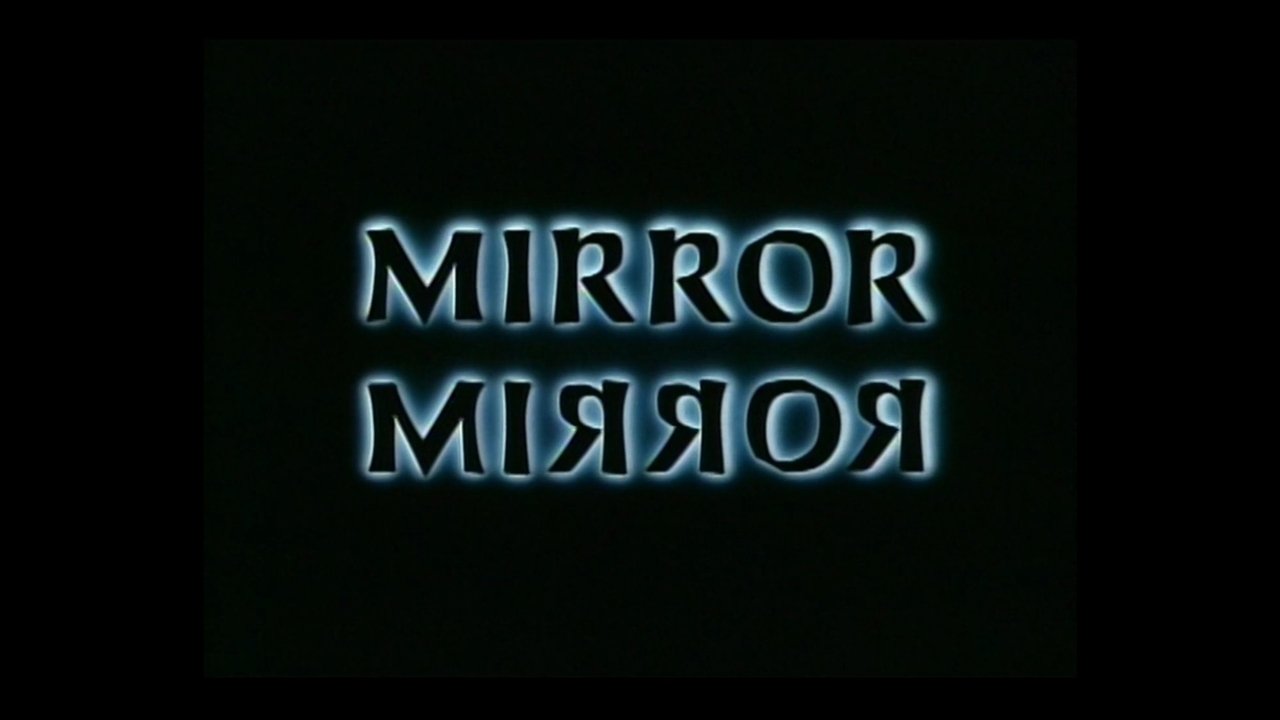
Mirror Mirror isn't a perfect film. The pacing occasionally drags, and some supporting characters feel underdeveloped. But its strengths lie in its potent gothic atmosphere, Rainbow Harvest's captivating central performance, and its commitment to a darker, more psychological brand of teen horror than many of its contemporaries. It’s a film that understands the shadows lurking beneath adolescent angst and finds a genuinely creepy vessel in that sinister antique mirror.
Rating: 7/10
This score reflects the film's success in crafting a memorable atmosphere and a compelling lead performance, effectively utilizing its low budget for moody horror. It’s docked points for occasional pacing issues and some familiar genre tropes, but its overall impact as a distinct piece of early 90s cult horror is undeniable. It remains a fascinating artifact from the tail end of the VHS era – a dark fairy tale that still holds a sliver of its chilling power, reflecting anxieties that never truly go out of style. A must-see for anyone digging through the forgotten corners of 90s horror rentals.