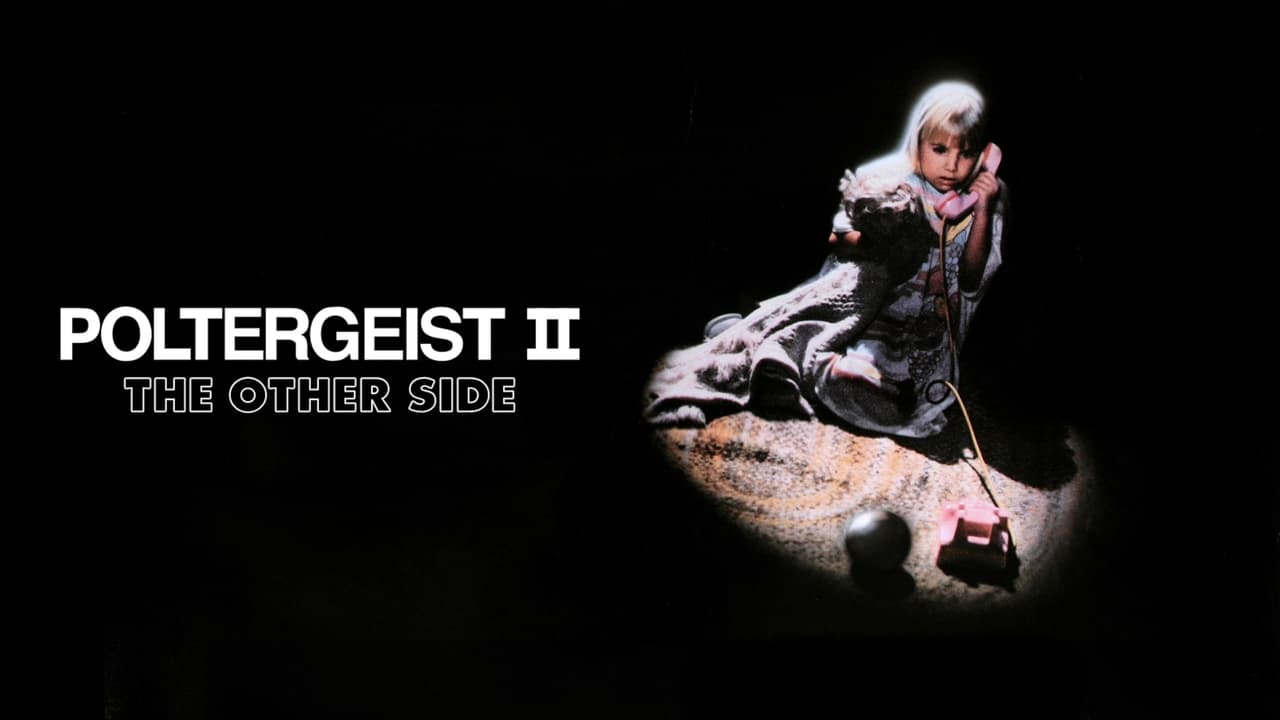
He stands skeletal and stark against the suburban backdrop, black hat casting his face into shadow, a hymn book clutched in bony fingers. "Let me in!" The voice, thin and reedy, rasps with an ancient, chilling authority. Even now, decades after first encountering Reverend Henry Kane on a grainy VHS tape rented from the corner store, the memory sends a shiver down the spine. Poltergeist II: The Other Side (1986) might live in the considerable shadow of its groundbreaking predecessor, but it conjures a specific, unsettling dread all its own, largely thanks to one of the most genuinely terrifying villains of 80s horror.
Picking Up the Pieces, But the Cracks Remain
The film finds the Freeling family – Diane (JoBeth Williams), Steve (Craig T. Nelson), Robbie (Oliver Robins), and the perpetually targeted Carol Anne (Heather O'Rourke) – attempting to rebuild their lives with Grandma Jess (Geraldine Fitzgerald) in Phoenix. The Cuesta Verde nightmare is behind them, or so they hope. But the spectral static hasn't faded entirely. This sequel, penned by Mark Victor and Michael Grais (who also wrote the original), wastes little time reminding us that the entity that terrorized them wasn't just tied to a house, but to Carol Anne herself. The sense of weary continuation from Williams and Nelson feels authentic; they portray parents grappling not just with supernatural horror, but the deep psychological scars left behind. You believe their exhaustion, their desperation for normalcy that keeps slipping through their fingers.
The Shadow of the Preacher Man
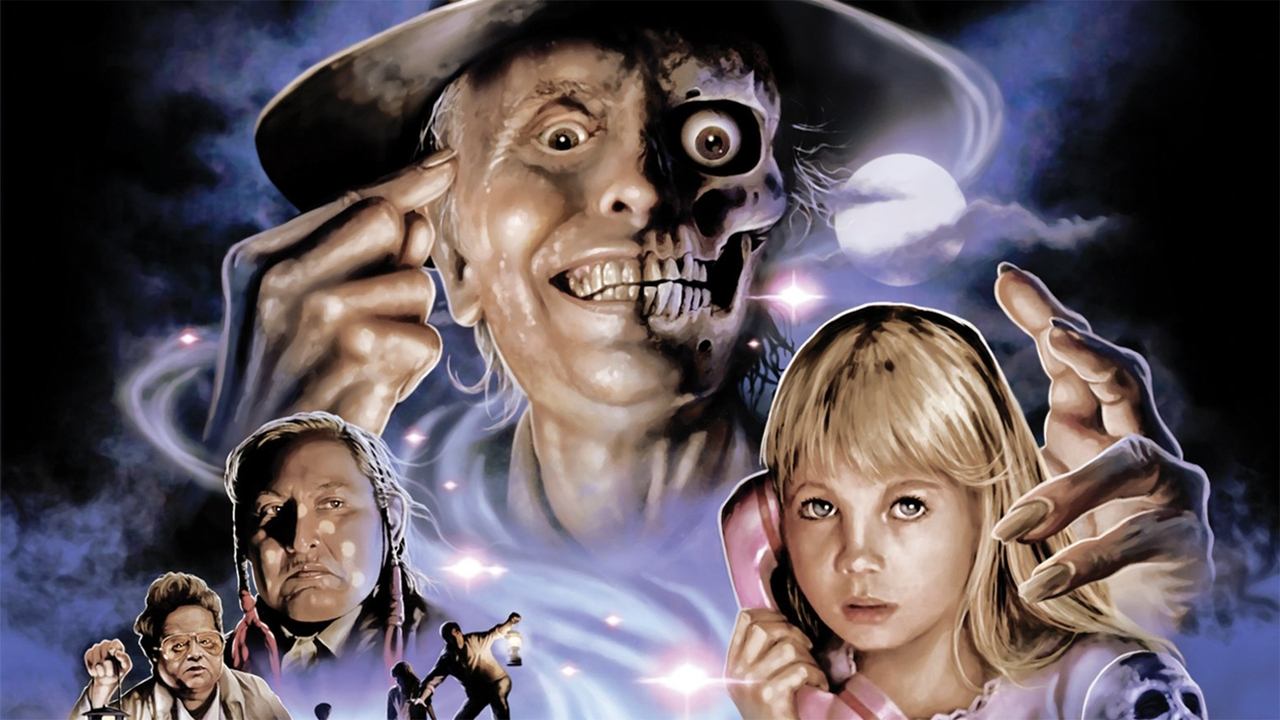
Let's be honest: the single greatest asset of Poltergeist II is the bone-chilling performance of Julian Beck as Reverend Kane. Beck, a co-founder of the avant-garde Living Theatre, wasn't a conventional actor, and his presence feels utterly alien and deeply wrong. His gaunt appearance (tragically amplified by the stomach cancer he was battling during filming and which claimed his life shortly after completion) lends Kane an uncanny valley quality – almost human, but fundamentally other. That unsettling reality, the knowledge of Beck's own mortality intertwined with the role, undeniably adds a layer of profound darkness that filmmaking simply can't fabricate. Kane isn't a monster of pure chaos like the original's "Beast"; he's methodical, manipulative, a figure of corrupted faith weaponizing guilt and fear. His quiet pronouncements are often more terrifying than any sudden jolt. Doesn't his unnerving smile still linger in your memory?
Expanding the Other Side (and the Effects Budget)
While Kane provides the core menace, the film also attempts to deepen the mythology. We get the return of the ever-wonderful Tangina Barrons (Zelda Rubinstein, diminutive but radiating power) and the introduction of Taylor (Will Sampson, best known as Chief Bromden from One Flew Over the Cuckoo's Nest), a Native American shaman who becomes the family's guide and protector. Sampson brings a grounded gravity to the proceedings, offering cryptic wisdom and facing Kane with stoic resolve. His presence, sadly, also adds to the film's melancholic aura, as he too passed away unexpectedly just a year after the film's release. These tragic real-life events have unfortunately fueled the narrative of a "Poltergeist curse," a somber cloud hanging over the franchise.
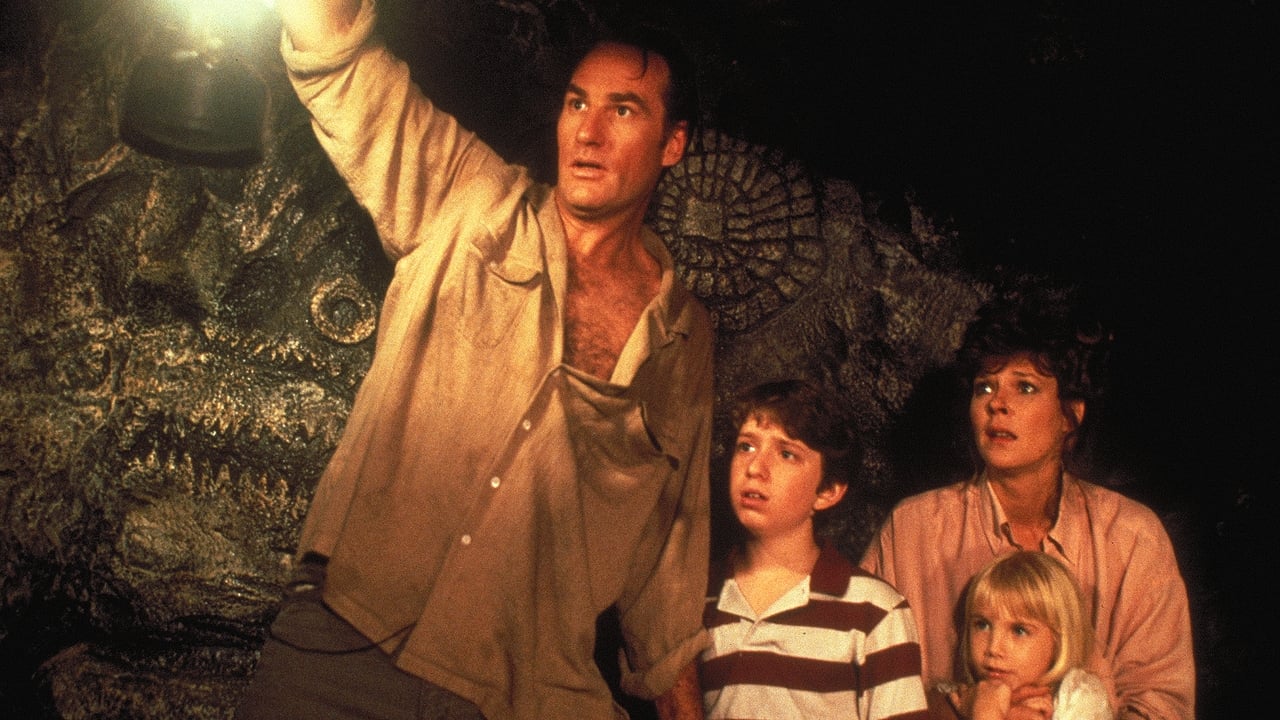
The journey to understand the "Other Side" brings with it some of the era's signature practical effects, with mixed results. The spectral appearances of Kane are often effective, simple distortions and lighting tricks creating genuine unease. Then there's that scene. You know the one. The tequila worm sequence, where Steve ingests the possessed worm and morphs into a grotesque creature before vomiting it up. It's pure 80s gross-out, a moment so infamous it almost defines the sequel for some. Apparently, H.R. Giger, the visionary artist behind Alien's xenomorph, was briefly involved in the design process, though much of his work went unused. One can only speculate if his unsettling biomechanical aesthetic influenced the final 'Vomit Monster' design, officially credited to Steve Johnson and Randy Cook. Back on a fuzzy CRT, perhaps hidden by tracking lines, did that effect genuinely shock you, or just make you reach for the fast-forward button?
Atmosphere and Uneven Execution
Director Brian Gibson, taking over from Tobe Hooper (though Spielberg's heavy hand on the original is well-documented), tries to maintain a sense of creeping dread. Jerry Goldsmith returns to score, his familiar themes warped into darker, more menacing arrangements fitting Kane's presence. The desert landscapes offer a stark contrast to the original's claustrophobic suburbia, suggesting the evil is vast and inescapable. Yet, the film sometimes struggles with pacing and tone. Moments of genuine tension sit alongside sequences that feel slightly goofy or underdeveloped. The climactic journey into the Other Side feels less awe-inspiring and more like a slightly confusing spectral light show compared to the original's visceral terror. Budgeted at around $19.5 million, it pulled in roughly $41 million domestically – respectable, but nowhere near the phenomenon of the first film, suggesting audiences found it a less compelling return trip.
Legacy of the Sequel
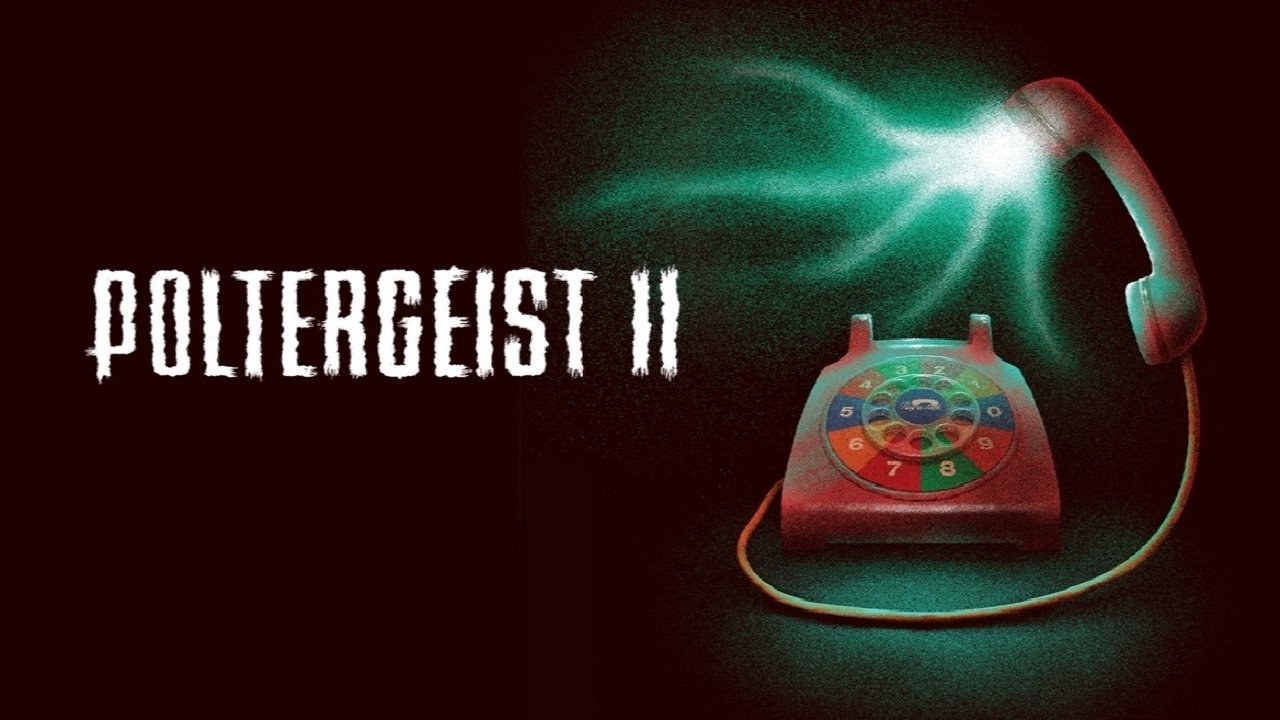
Poltergeist II: The Other Side is often viewed as the lesser sibling, and perhaps rightly so. It lacks the tight focus and primal fear of the original. However, dismissing it entirely overlooks its unique strengths. It dared to give its evil a face, and in Julian Beck's Kane, it created an unforgettable horror icon. It expanded the world, introduced memorable supporting characters, and delivered some truly unsettling moments alongside its more outlandish effects showcases. I remember renting this tape, the cover art promising a return to that specific fear, and while it didn't quite replicate the original's magic, Kane’s presence ensured it wasn't easily forgotten after the VCR clicked off. It led, of course, to Poltergeist III (1988), a film tragically overshadowed by the passing of Heather O'Rourke shortly before its release, marking a sad final chapter for the original Freeling saga.
---
VHS Heaven Rating: 6/10
Justification: Poltergeist II earns points for its genuinely iconic and terrifying villain in Reverend Kane, brought to life by Julian Beck's unforgettable performance. The return of the main cast adds continuity, and Will Sampson provides strong support. However, it suffers from uneven pacing, less impactful scares compared to the original, and some practical effects that veer more towards the bizarre than the frightening (hello, tequila worm). It’s a decent 80s horror sequel with moments of genuine dread, but ultimately can't escape the shadow of its predecessor.
Final Thought: While not the classic the first film is, Poltergeist II remains a noteworthy entry in 80s horror purely for Kane – a villain whose chilling presence proved that sometimes, the most terrifying monsters look unsettlingly human.