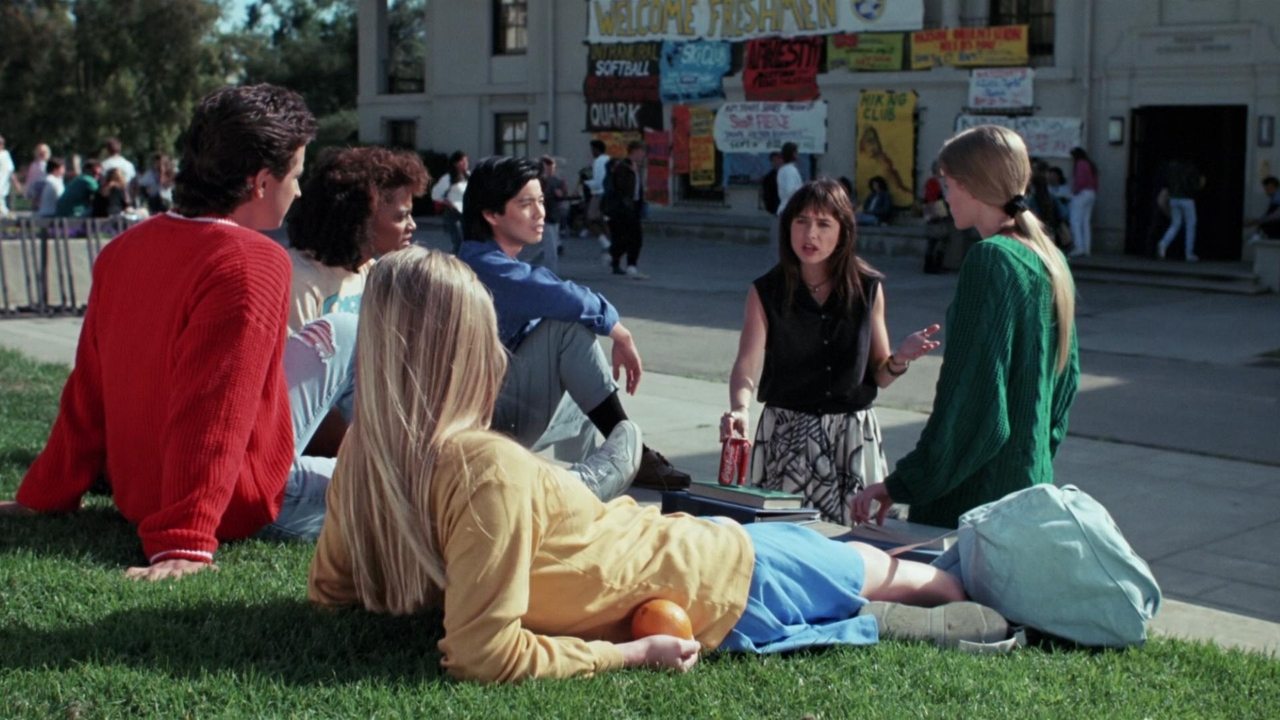
Some fears aren't conjured by shadows, but whispered into existence, shared like secrets in the dead of night. 1989's After Midnight understands this primal exchange. It doesn't just throw monsters at the screen; it begins in the unsettling quiet of a classroom, where Professor Derek Turner (Ramy Zada) attempts to dissect phobias for his students, including Allison (Jillian McWhirter) and Cheryl (Pamela Adlon). But theory bleeds into terrifying practice as the lesson spirals, framing a trio of tales designed to crawl under your skin, much like the static hiss of a well-worn VHS tape playing long after the world outside has fallen silent.
The Classroom of Dread
The wraparound story, penned and directed by brothers Ken Wheat and Jim Wheat (who also brought us the screenplay for The Fly II the same year and originated the story for Pitch Black), is arguably the film's most effective component. There's a growing claustrophobia to the late-night "fear class" setting. Ramy Zada, with his intense gaze and controlled delivery, perfectly embodies the academic potentially flirting with forces he doesn't fully comprehend. It sets a tone of intellectual curiosity curdling into genuine peril, a promise that the stories aren't just academic exercises. You feel the vulnerability of the students, trapped by the storm outside and the unsettling energy within. It's a simple setup, executed with a slow-burn tension that primes you for the anthology segments.
Tales After Dark
The first story, "The Old Dark House," feels deliberately archetypal. Four teens seek refuge from a storm in a decrepit mansion, encountering sinister figures from the past. It leans heavily on Gothic tropes – cobwebs, creepy portraits, ghostly warnings. While perhaps the least original of the bunch, it delivers a certain atmospheric charm, reminiscent of classic horror comics. The practical effects, though dated by today's standards, possess that tangible, unsettling quality common to the era. You can almost smell the dust and decay through the screen. It serves as a decent warm-up, establishing the film's commitment to atmosphere over cheap jump scares.
Things take a sharp turn with "A Night on the Town." Allison, Joan (Penelope Sudrow, recognizable from A Nightmare on Elm Street 3: Dream Warriors), and Cheryl (Pamela Adlon, years before her acclaimed work on Better Things and Californication) find themselves stranded downtown after their car breaks down. This segment plunges into urban paranoia, a grittier, more grounded fear of predatory threats lurking in the neon-lit shadows. It captures that specific late-80s anxiety about inner-city decay and random violence. Adlon, even then, shows sparks of the defiant energy that would define her later roles. The shift in tone might feel abrupt to some, moving from Gothic chills to street-level menace, but it keeps the anthology unpredictable.
The Call Comes From Inside the Story

The undisputed standout, however, is "All Night Operator." Allison, now working late shifts at a call center, receives increasingly desperate calls from a terrified woman (Judith Drape). This segment is a masterclass in building suspense through sound design and suggestion. The sense of isolation is palpable, amplified by the crackling phone line and the unseen horrors described by the caller. It culminates in perhaps the film's most infamous sequence involving viscerally realized Dobermans, a moment of practical effects horror that genuinely disturbs. Rumor has it the crew faced significant challenges working with the trained dogs to achieve the necessary level of ferocity, a testament to the difficulties of pulling off intense animal-based scares practically. Doesn't that sequence still feel unnerving, even knowing it's filmmaking? It taps into primal fears of being helpless and hunted, leaving a lingering chill.
The Final Lesson
After Midnight isn't perfect. The anthology structure inherently leads to some unevenness, and the budget constraints (reportedly around $2.5 million) are occasionally apparent. It didn't set the box office ablaze upon release, finding its true home, like so many genre gems, on the shelves of video rental stores. Yet, its commitment to building dread, particularly in the wraparound and the final segment, makes it a compelling watch. The Wheat Brothers crafted something more thoughtful than many of its contemporaries, exploring the psychology of fear alongside the visceral shocks. The practical effects, particularly the creature work in the final story, hold a certain gruesome power that CGI often lacks. It feels handcrafted, a labor of fear born from the late-night anxieties of its era.
Rating: 7/10
This score reflects the film's strengths in atmosphere and tension, particularly in the wraparound and "All Night Operator," acknowledging the effectiveness of its practical effects for the time. The slight unevenness between segments and some familiar tropes hold it back from true classic status, but its high points are genuinely memorable and disturbing.
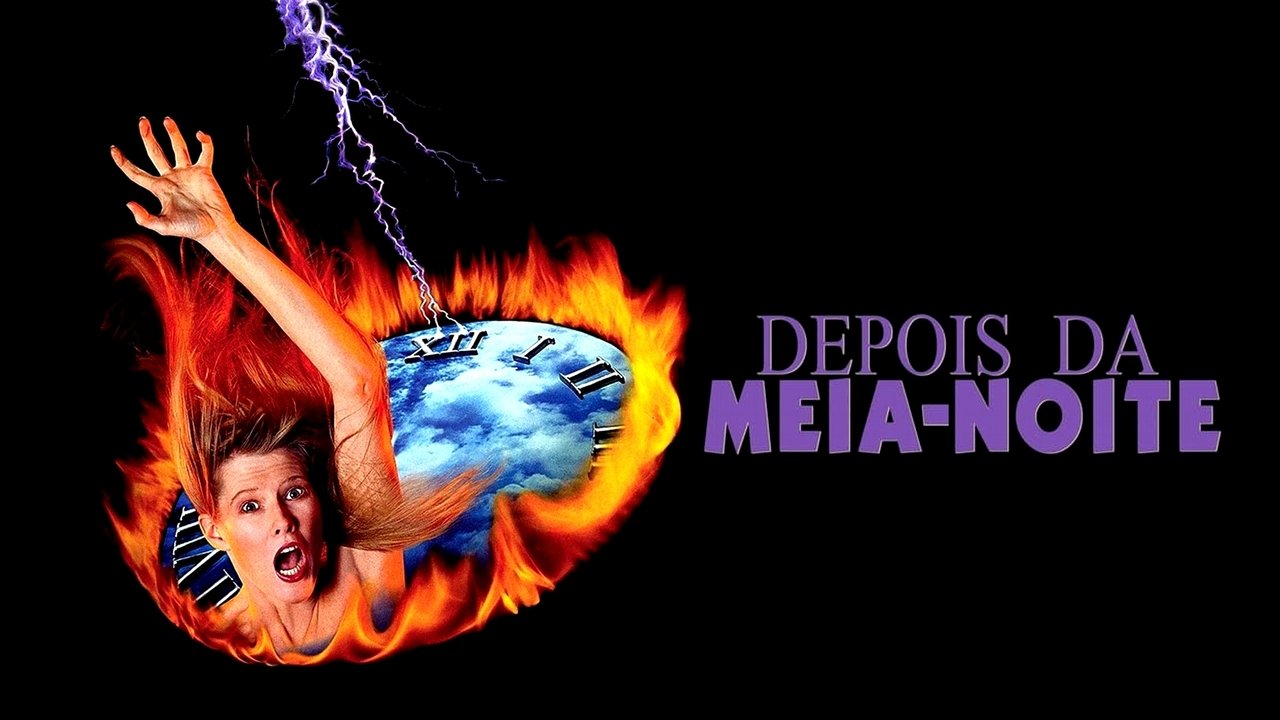
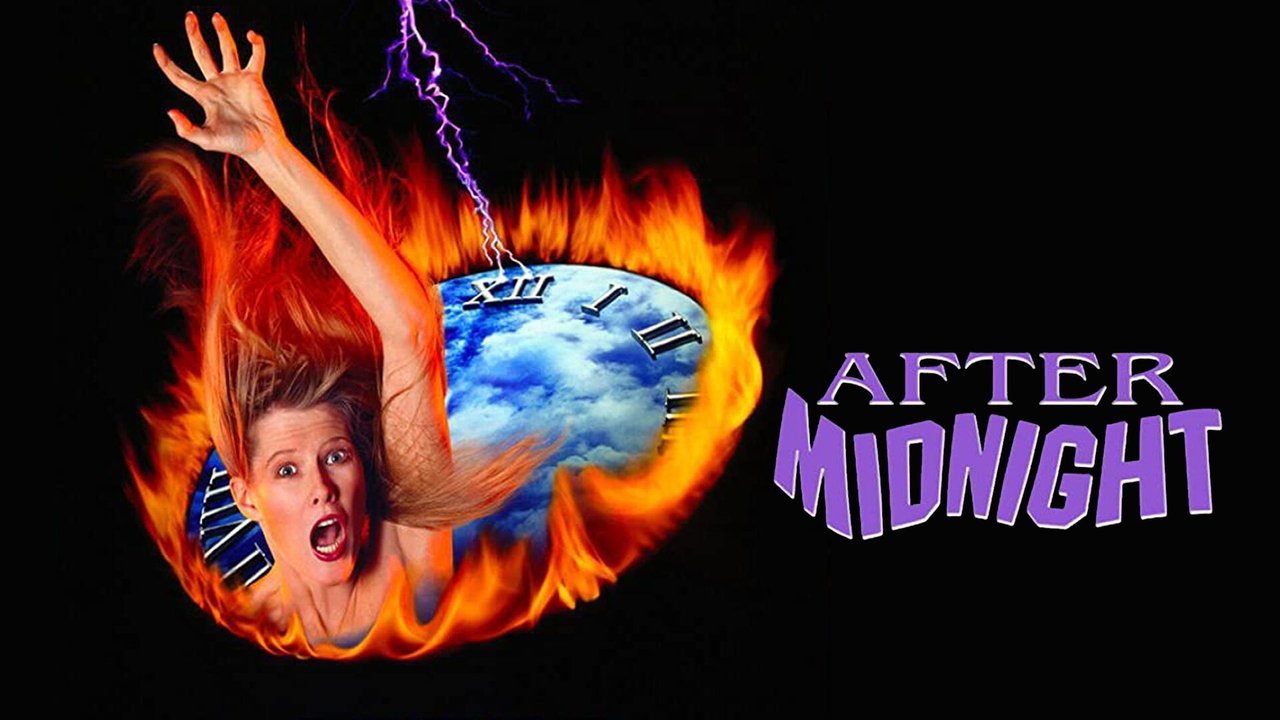
For fans of 80s horror anthologies, After Midnight remains a potent and often overlooked entry. It captures that specific late-night dread, the kind that makes you check the locks twice before turning in. It may not be as flashy as Creepshow (1982) or as iconic as Twilight Zone: The Movie (1983), but it possesses a unique, unsettling charm that earns its place in the hallowed halls of VHS Heaven. It reminds us that sometimes, the most terrifying stories are the ones whispered just after midnight.