There are films that entertain, films that thrill, and then there are films that burrow under your skin and stay there, demanding contemplation long after the VCR has clicked off and the tape ejected. Michael Haneke's devastating 1989 debut feature, The Seventh Continent (Original title: Der siebente Kontinent), belongs firmly in that last category. It’s not a comfortable watch, not the kind of tape you’d casually grab for a Friday night movie session. Instead, it’s a stark, meticulously crafted, and profoundly unsettling exploration of the void lurking beneath the surface of modern, middle-class existence. Forget nostalgic chuckles; this one offers a cold, hard look at existential despair.
### The Unbearable Weight of Routine
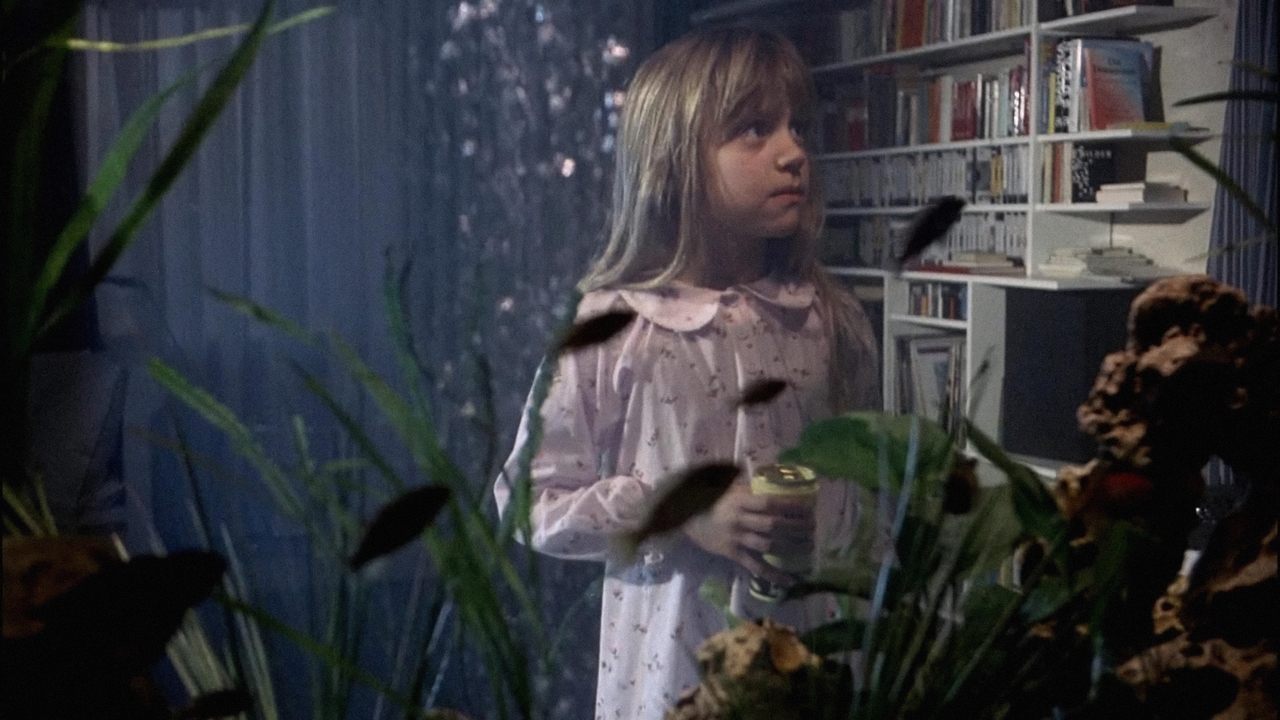
The film introduces us to the Schobers – Georg (Dieter Berner), Anna (Birgit Doll), and their young daughter Evi (Leni Tanzer) – through a series of fragmented, almost clinical observations of their daily lives in Linz, Austria. We see the automated car wash, the supermarket checkout conveyor belt, the sterile office environment, the quiet dinners. Haneke presents these routines with an unnerving detachment, employing long takes and focusing on mundane actions repeated ad nauseam. There’s a suffocating sense of order, predictability, and emotional emptiness. It’s a portrait of lives lived seemingly without friction, yet utterly devoid of genuine connection or joy. Doesn't this meticulous depiction of the ordinary begin to feel extraordinary in its bleakness?
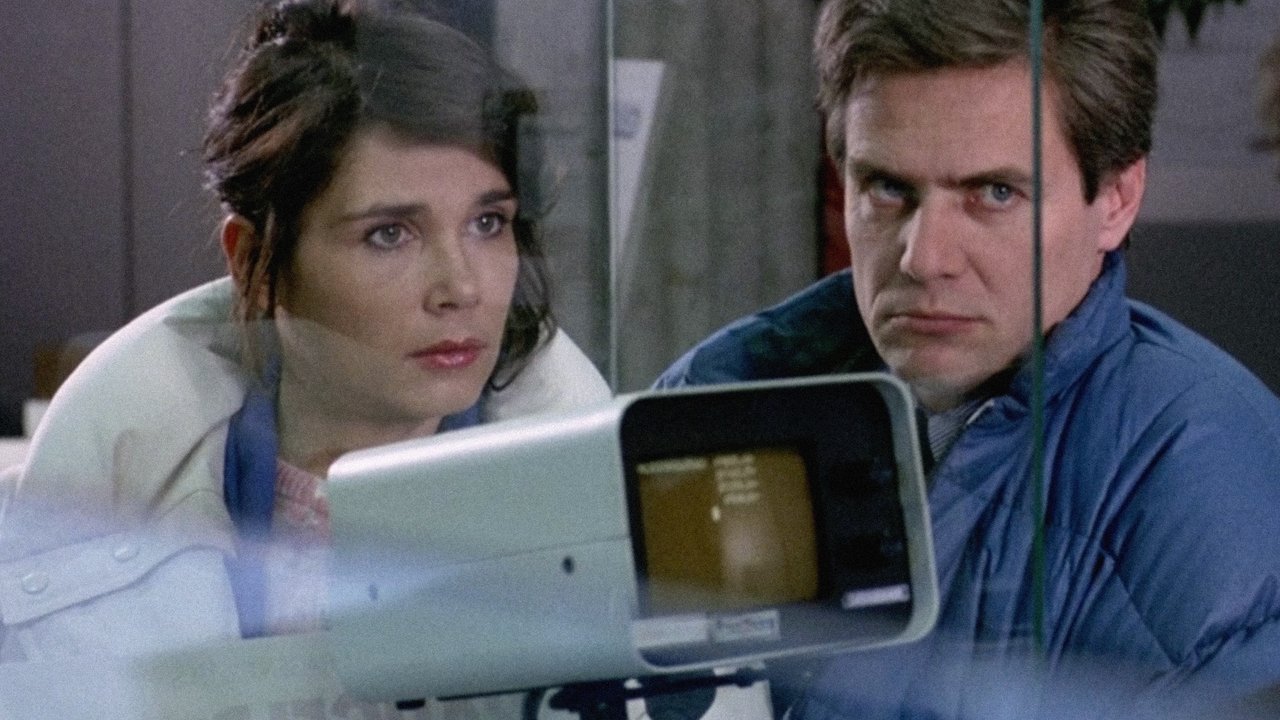
What makes The Seventh Continent so chilling is its refusal to offer easy explanations. Haneke, who would later give us similarly bracing works like Funny Games (both the 1997 original and his own 2007 remake) and Caché (2005), isn't interested in conventional psychological motives. He was reportedly inspired by a real-life newspaper article about a middle-class family who destroyed all their possessions and committed suicide, leaving behind only a note stating there was "no specific reason." This chilling ambiguity fuels the film. We observe the family’s growing disaffection, the small signs of fracture – Anna feigning blindness at work, Evi pretending to be blind at school – but these feel like symptoms of a deeper malaise rather than root causes.
### A Calculated Descent
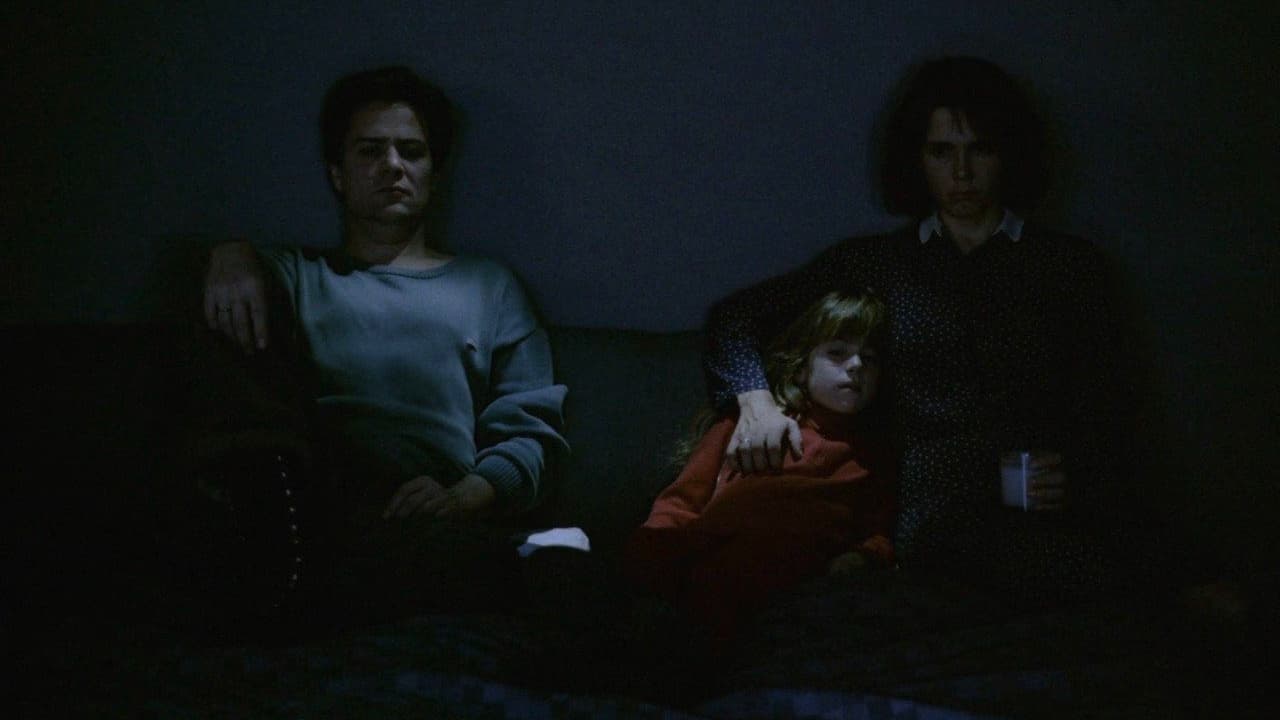
The performances are key to the film's power. Birgit Doll and Dieter Berner embody their characters' quiet desperation with unnerving subtlety. There are no histrionics, no dramatic outbursts until the film's infamous final act. Their emotional containment is precisely what makes their eventual actions feel both shocking and terrifyingly inevitable. Leni Tanzer as Evi is equally remarkable, conveying a child’s unsettling acceptance of the encroaching darkness. Their interactions are marked by a profound lack of intimacy; they exist side-by-side, trapped in the same sterile environment, yet fundamentally alone. It’s a performance style that Haneke would hone throughout his career – minimalist, observational, forcing the audience to project meaning onto the blank spaces.
Haneke deliberately eschews conventional cinematic techniques designed to elicit empathy. The camera often frames characters partially or focuses on objects rather than faces, emphasizing their alienation and the dehumanizing effect of their environment. The sound design is sparse, dominated by the ambient noises of their life – the hum of appliances, the clatter of cutlery, the transactional exchanges – further highlighting the emotional vacuum. It’s a style sometimes referred to as part of Haneke’s “Glaciation Trilogy” (along with Benny’s Video and 71 Fragments of a Chronology of Chance), films depicting the coldness and emotional freezing of modern society.

### Spoiler Alert! The Inevitable Act
The film culminates in the family systematically destroying everything they own before taking their own lives. This extended sequence is presented with the same methodical, almost bureaucratic detachment as their daily routines. Money flushed down the toilet, furniture hacked apart, belongings smashed – it's a horrifying spectacle, yet rendered with a cold precision that denies catharsis. It's not a release of pent-up rage; it's the logical endpoint of their profound disconnection from life itself. What does it mean when the ultimate act of rebellion against a suffocating consumerist existence is self-annihilation? The film offers no answers, only the bleak spectacle itself. It’s a sequence that, once seen, is impossible to forget – a brutal testament to the power of cinematic nihilism.
Finding this on a video store shelf, perhaps nestled in the foreign film section, must have been a jarring experience back in the day, worlds away from the usual blockbuster fare. It wasn't marketed with flashy trailers or star power; its impact relied entirely on word-of-mouth and its stark, uncompromising vision. It’s a reminder that the VHS era wasn’t just about big-budget escapism; it was also a time when challenging, auteur-driven cinema from around the world could find its way into suburban living rooms, ready to ambush the unsuspecting viewer.
### Lingering Shadows
The Seventh Continent is not a film one "enjoys" in the conventional sense. It’s a difficult, demanding, and deeply pessimistic work. Yet, its power is undeniable. Haneke’s unflinching gaze forces us to confront uncomfortable questions about societal malaise, consumer culture, and the potential for profound emptiness even amidst material comfort. It’s a cinematic punch to the gut, executed with chilling formal control.

Rating: 8.5/10
Justification: While undeniably bleak and challenging, The Seventh Continent is a masterclass in atmospheric dread and controlled direction. The performances are hauntingly effective, and Haneke's uncompromising vision makes it a significant, albeit disturbing, piece of late 20th-century cinema. Its power lies in its ability to provoke thought and linger unsettlingly, justifying a high score for its sheer artistic impact and unflinching execution, even if it repels easy enjoyment.
Final Thought: Some VHS tapes offered escape; this one offered a stark confrontation with the abyss, leaving you questioning the foundations of the very world you inhabit long after the screen goes dark.