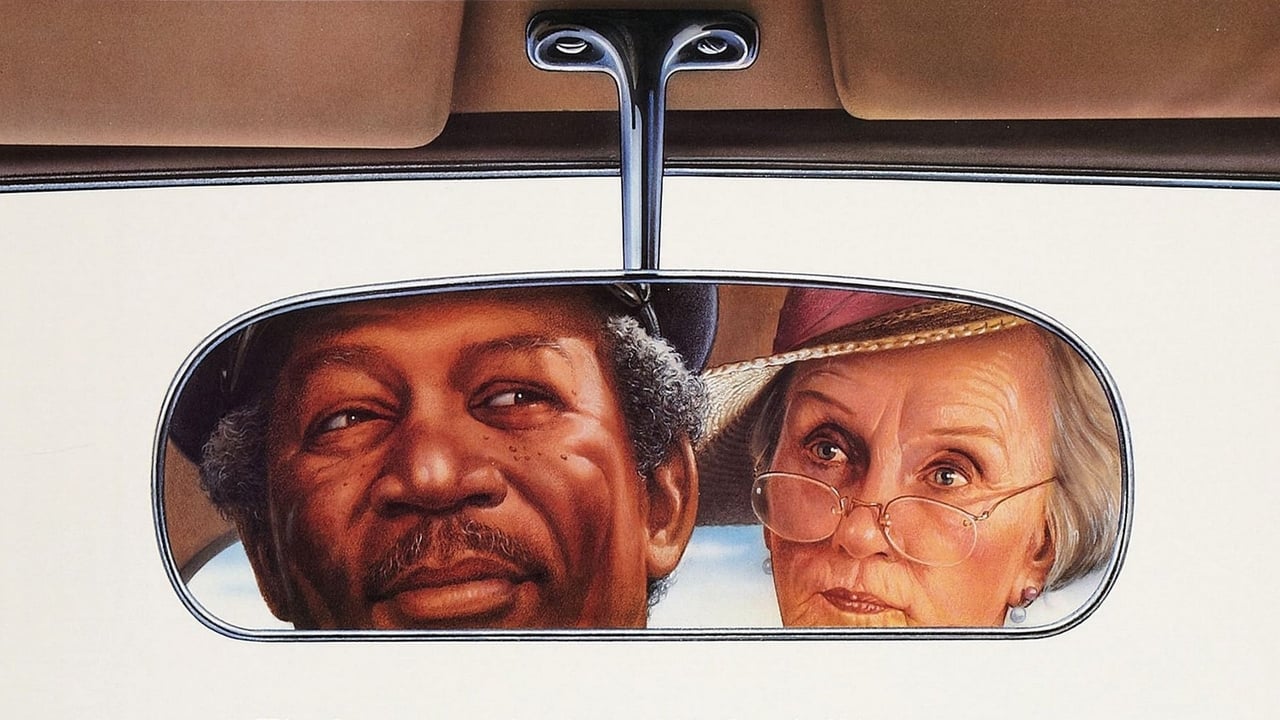
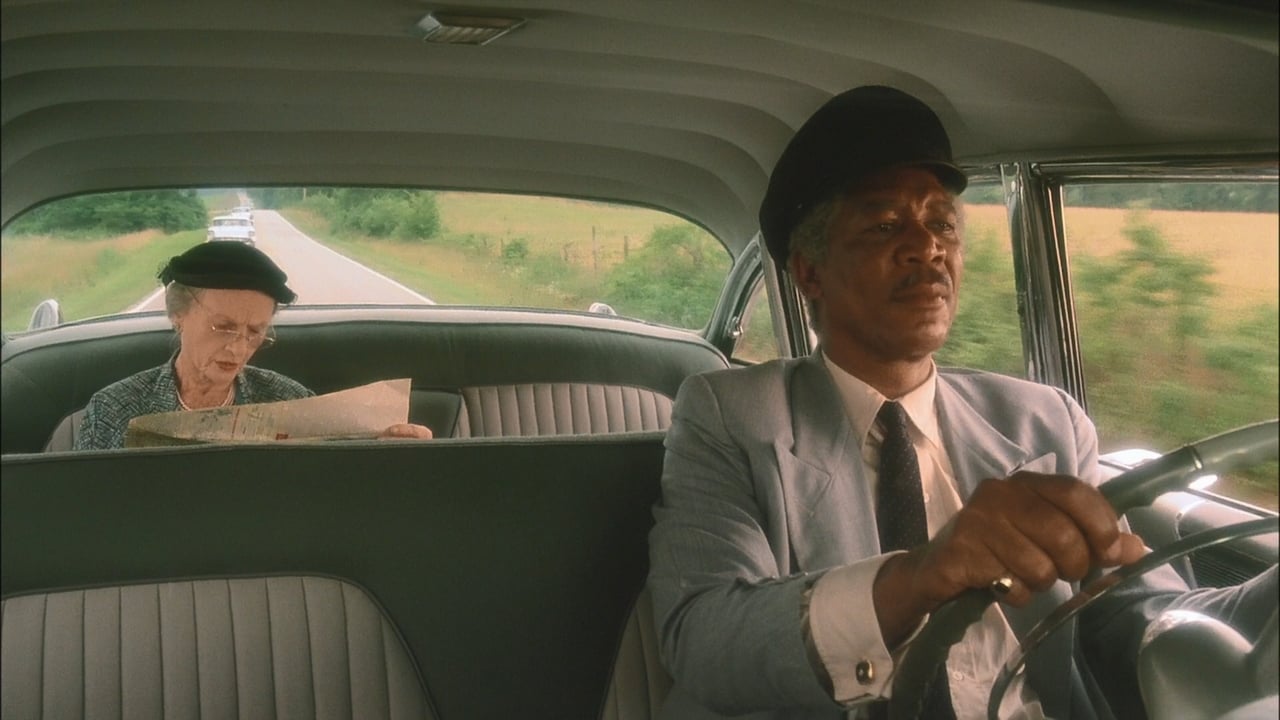
Okay, fellow travellers down memory lane, let's settle in. Think back to that image: a stately Hudson, later a Cadillac, cruising through the leafy streets and changing seasons of Atlanta. It seems simple, doesn't it? Just an elderly woman and her driver. But like so many treasures we discovered on those well-worn VHS tapes, 1989's Driving Miss Daisy holds a quiet depth, a story spanning decades, unfolding through tentative conversations and shared miles that ultimately bridge a divide far wider than the front seat to the back.

### More Than Just a Ride
Based on Alfred Uhry's Pulitzer Prize-winning play (itself inspired by his own grandmother and her chauffeur, Will Coleman), the film introduces us to Daisy Werthan (Jessica Tandy), a wealthy, fiercely independent, and decidedly prickly Jewish widow in late 1940s Atlanta. After one too many driving mishaps, her exasperated but loving son, Boolie (Dan Aykroyd), takes away her keys and hires Hoke Colburn (Morgan Freeman) to be her chauffeur. Daisy, stubborn and proud, initially wants nothing to do with Hoke, seeing his presence as a sign of her encroaching dependence. Hoke, a Black man navigating the deeply segregated South, meets her resistance with unwavering patience, quiet dignity, and gentle humor.
What unfolds over the next 25 years is the heart of the film: the slow, almost imperceptible thawing of Daisy's prejudices and the growth of a profound, albeit unconventional, friendship. It’s a journey marked by small moments – a shared can of salmon, a tense drive through Alabama, navigating snowy streets, quiet acknowledgements of birthdays – that accumulate into something deeply moving.
### An Actor's Showcase
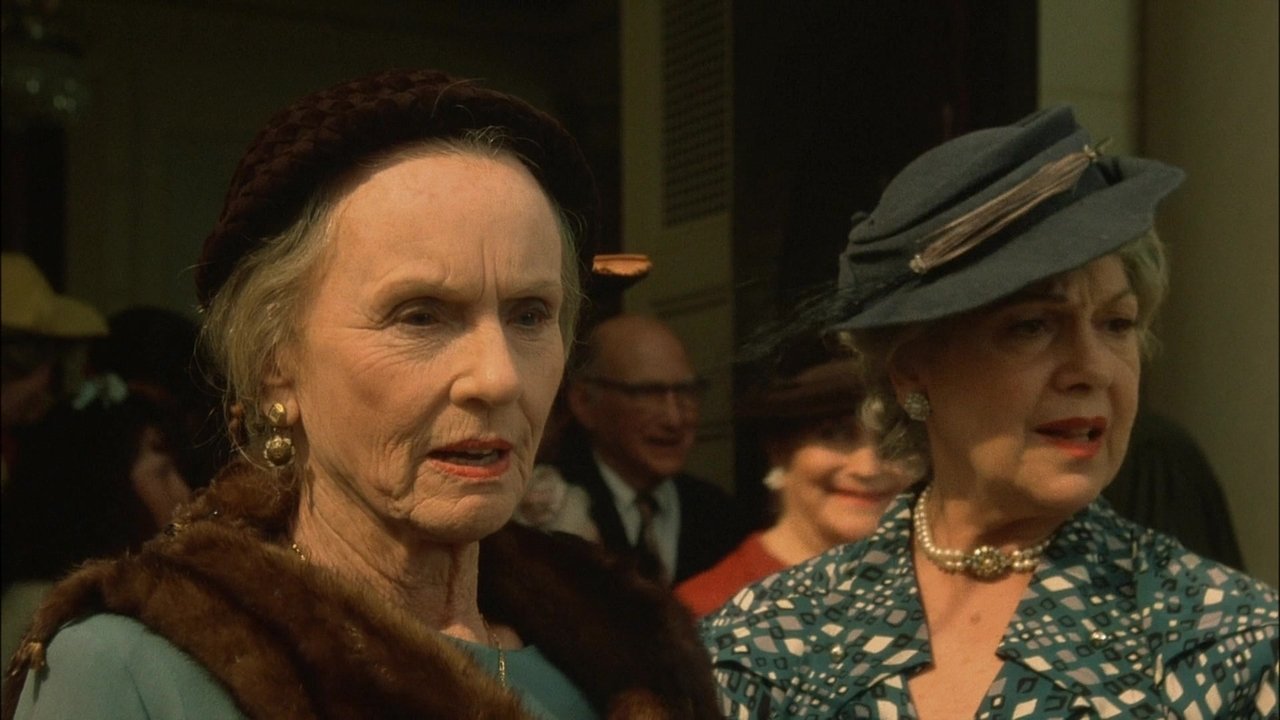
You simply cannot talk about Driving Miss Daisy without focusing on the performances, which are the bedrock upon which this gentle story stands. Jessica Tandy, at 80 years old, delivered the performance of a lifetime, earning her a thoroughly deserved Academy Award for Best Actress (making her the oldest winner in that category at the time). She is Daisy Werthan – brittle, sharp-tongued, vulnerable beneath the surface, her gradual softening towards Hoke feeling entirely earned and utterly believable. It's a masterclass in conveying complex emotions through subtle shifts in expression and tone. I remember watching this back then and just being captivated by how much she could say with just a look.
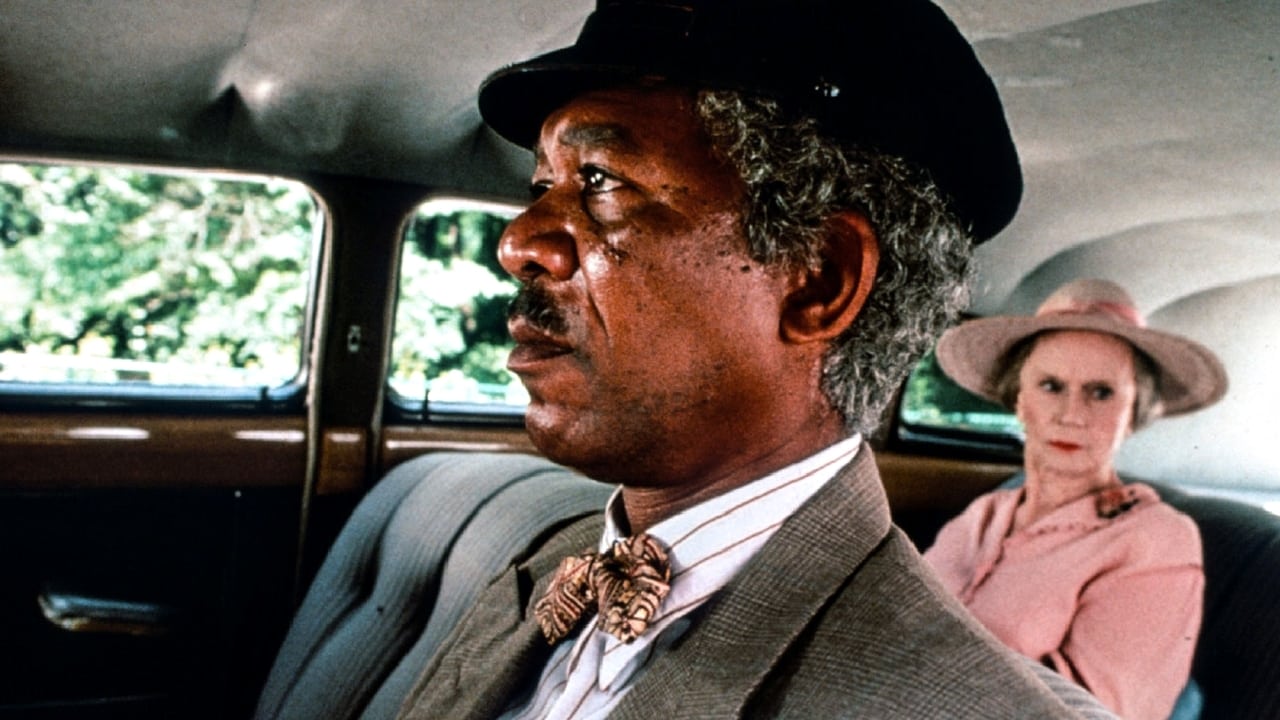
Equally magnetic is Morgan Freeman, reprising the role he originated off-Broadway. Freeman embodies Hoke with such warmth, wisdom, and quiet strength that it’s impossible to imagine anyone else in the part. He navigates the blatant racism of the era and Daisy’s initial frostiness with a resilience that never tips into subservience. His knowing glances, the gentle cadence of his voice – it’s a performance of immense grace. The chemistry between Tandy and Freeman is the film’s soul; their interactions feel lived-in, authentic, evolving organically from suspicion to reliance to genuine affection.
And let's not overlook Dan Aykroyd as Boolie. Known primarily for his brilliant comedic work in films like Ghostbusters and The Blues Brothers, Aykroyd turns in a surprisingly nuanced and effective dramatic performance here. He portrays Boolie as a man caught between genuine love for his mother and the pragmatic demands of his business and social standing in the changing South. It's a restrained, thoughtful performance that anchors the central relationship.
### Navigating Time and Place
Director Bruce Beresford (Tender Mercies) wisely keeps the focus intimate, allowing Uhry's character-driven screenplay to breathe. The film doesn't shout about the momentous changes happening in the background – the Civil Rights Movement, the societal shifts – but rather lets us experience them through the filter of Daisy and Hoke's daily lives. A pivotal scene where Hoke describes witnessing the bombing of a synagogue speaks volumes more than any grand historical montage could. Beresford trusts his actors and the material, opting for understated observation over overt melodrama.
The production design and Hans Zimmer's gently evocative score beautifully capture the passage of time, from the late 40s through to the early 70s. Seeing those classic cars glide through meticulously recreated period settings definitely hits that nostalgic sweet spot for those of us who remember seeing similar vehicles still occasionally puttering around in our youth. It adds to that feeling of watching lives unfold.
### Behind the Wheel: Retro Fun Facts
It’s always fascinating to peek behind the curtain, isn't it?
- As mentioned, Alfred Uhry based the story directly on his own grandmother, Lena Fox, and her driver, Will Coleman. That personal connection surely contributes to the story's authenticity.
- The film was a quiet powerhouse at the box office. Made for a modest $7.5 million, it went on to gross nearly $146 million worldwide – a testament to its universal appeal. In today's money, that's like turning a ~$17 million investment into over $340 million! Proof that sometimes, the quiet stories resonate the loudest.
- Its success culminated in four Academy Awards, including Best Picture, Best Actress for Tandy, Best Adapted Screenplay for Uhry, and Best Makeup. Its Best Picture win was something of an upset, triumphing over heavy hitters like Born on the Fourth of July, Dead Poets Society, Field of Dreams, and My Left Foot. It sparked debate then, as quiet character studies often do when pitted against more overtly 'important' films, but its enduring charm is undeniable.
- Morgan Freeman's connection to Hoke ran deep, having played him for years on stage before the film, allowing him to inhabit the character with unparalleled familiarity.
### The Road Less Travelled
Driving Miss Daisy is a film that invites reflection. It deals with serious themes – racism, anti-Semitism, aging, loneliness – but does so with a gentle touch. Some contemporary viewers might find its approach to race relations somewhat simplified or sanitized compared to more confrontational films, and that's a valid discussion point. However, viewed within its context and judged on its own terms, it’s a film about the slow, difficult, but ultimately rewarding process of human connection across societal barriers. It asks us, perhaps, how willing are we to truly see the person beside us, regardless of the 'seats' society assigns us?
It’s the kind of film that might have felt like a comforting, thoughtful watch on a quiet Sunday afternoon after picking it up from the local video store. It doesn’t rely on spectacle, but on the power of observation and the truth of its characters.
Rating: 8/10
Justification: While its gentle approach to heavy themes might not satisfy all viewers today, Driving Miss Daisy remains a beautifully acted, sensitively written, and profoundly moving character study. The powerhouse performances from Tandy and Freeman are timeless, and the film's quiet accumulation of small moments creates a lasting emotional impact. Its success and accolades were well-earned for its craft and heart.
Final Thought: Sometimes the quietest films leave the most enduring echo, reminding us that the longest journeys are often the ones we take within ourselves, and towards each other.