There’s a certain kind of bleakness that settles over you after watching Penelope Spheeris's Suburbia (1983, sometimes listed as 1984). It’s not the flashy, stylized nihilism we sometimes see, but a damp, ground-in despair clinging to the cracked asphalt and abandoned tract housing that forms the film's desolate stage. Released just a couple of years after her seminal punk documentary The Decline of Western Civilization, Suburbia carries that same raw, almost cinéma vérité energy into a fictional narrative, forcing us to confront the desperate lives of kids cast adrift in the promised land of American suburbia. Seeing it again, decades after pulling that worn VHS copy off the rental shelf, that sense of raw discomfort hasn’t faded one bit.
Searching for Shelter in the Ruins
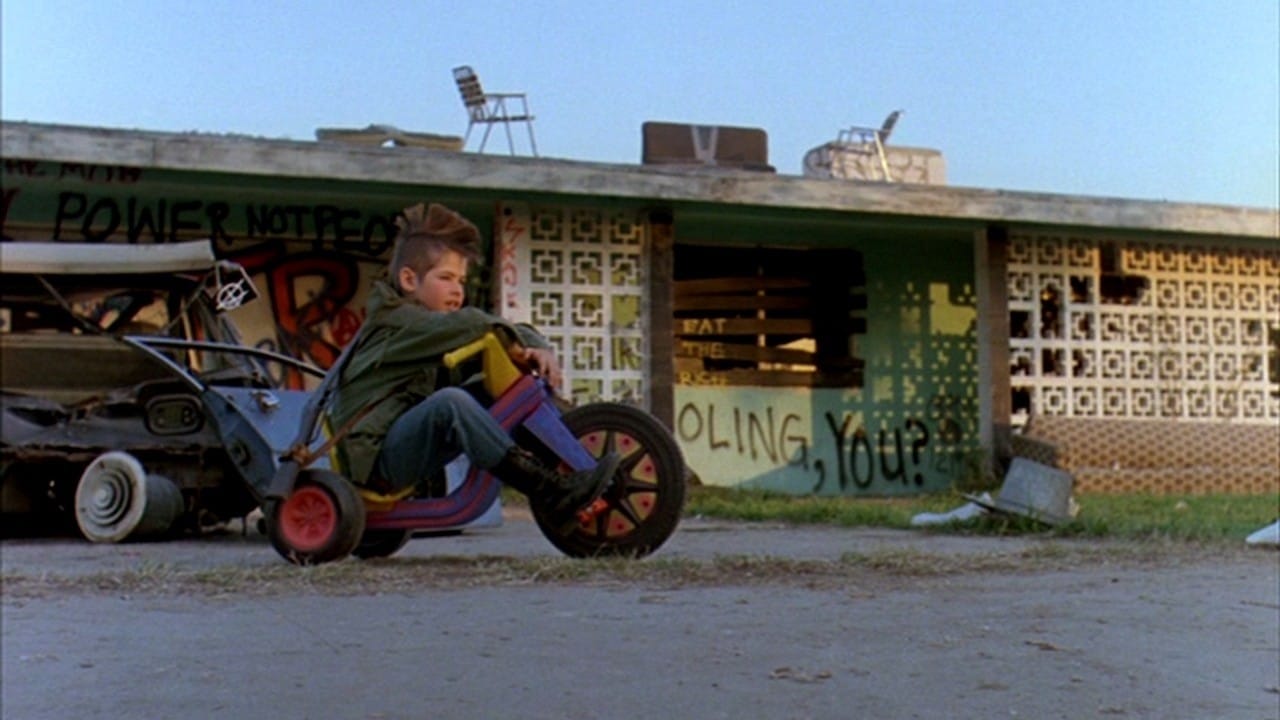
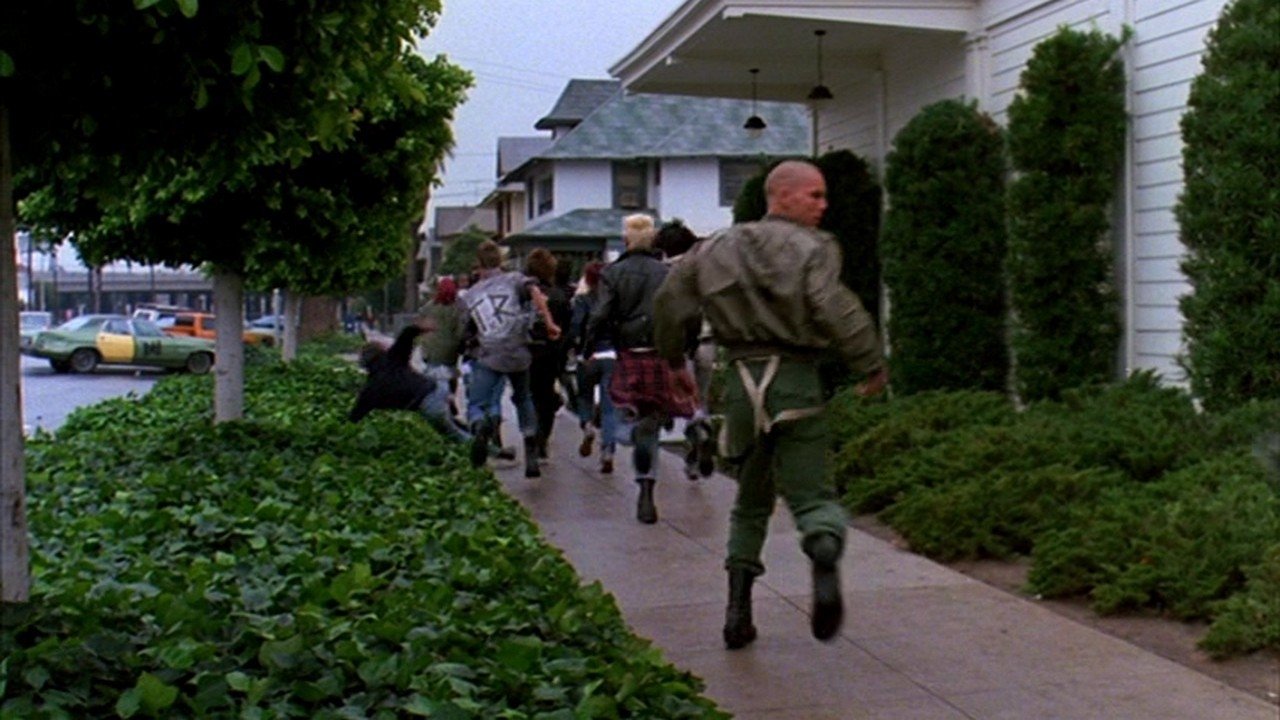
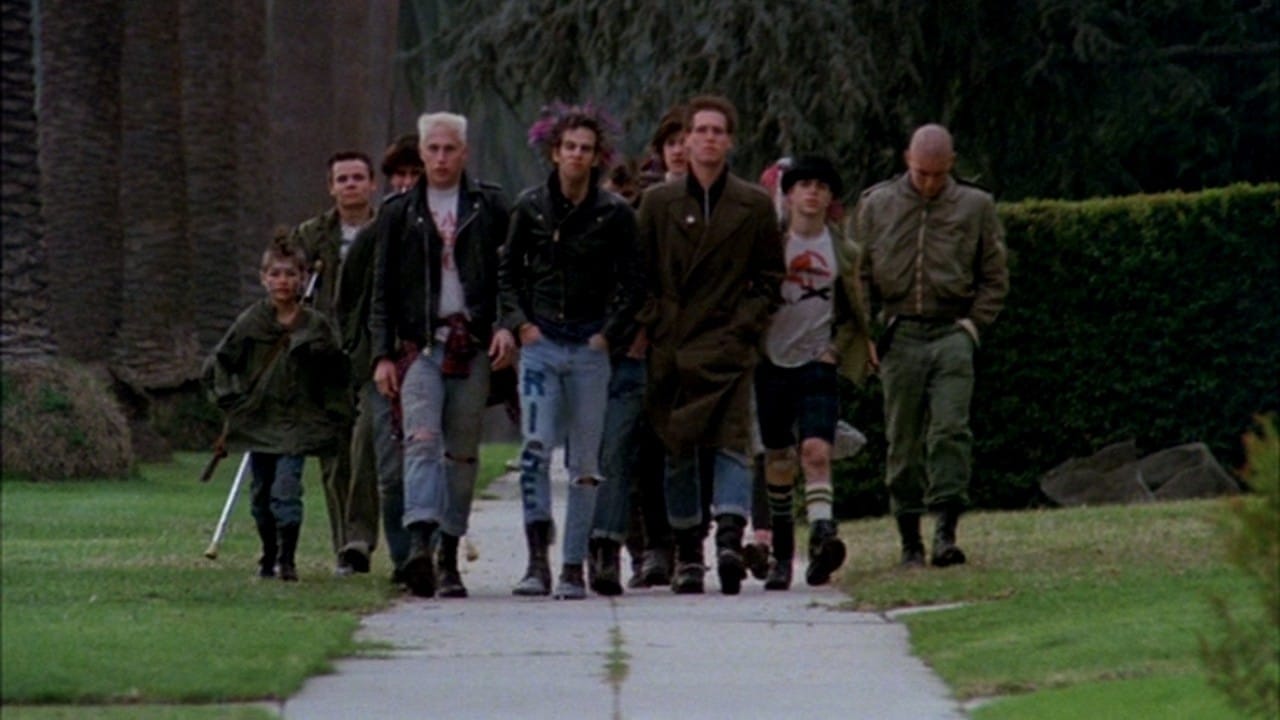
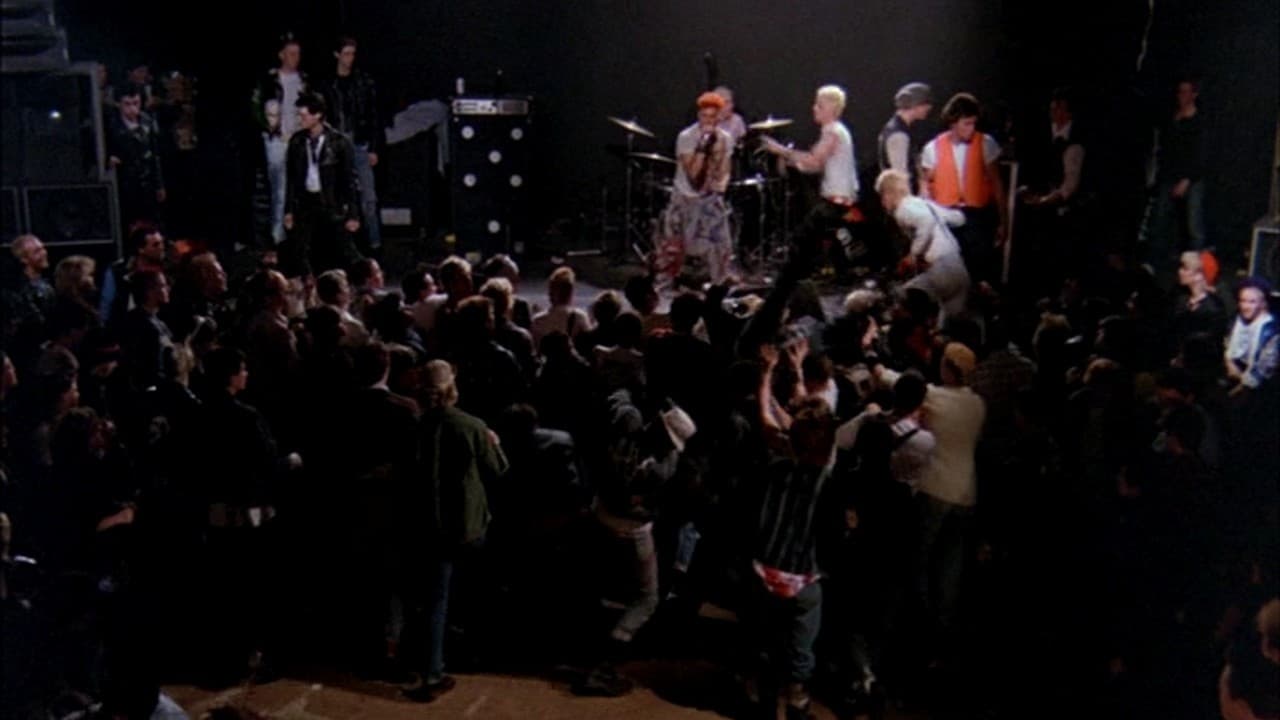
The film follows a group of teenage runaways, united by their shared alienation and embrace of the punk rock ethos, who squat in an abandoned suburban house they dub "T.R." – The Rejected. Led nominally by the pragmatic Jack (Chris Pedersen) and the more volatile Evan (Bill Coyne), this makeshift family navigates a hostile world. They scrounge for food, attend punk shows (featuring blistering live performances from T.S.O.L., The Vandals, and D.I.), and clash violently with the "Citizens Against Crime," a group of reactionary locals who see the punks as a dangerous blight. There isn’t much of a conventional plot; instead, Spheeris offers a series of unflinching vignettes depicting the kids' daily survival, their moments of fragile camaraderie, and the ever-present threat of violence from both outside forces and within their own fractured lives.
What makes Suburbia resonate so powerfully, even now, is its stark authenticity. Spheeris, famously backed by low-budget king Roger Corman (who gave her the chance after seeing Decline), didn't just cast actors pretending to be punks; she cast actual street kids and members of the L.A. punk scene. This decision infuses the film with a realism that’s often startling. There’s an awkwardness, a lack of polish in the line deliveries of Chris Pedersen and Bill Coyne, that feels far more truthful than slick Hollywood portrayals of teen angst. These aren’t actors hitting their marks; they feel like real kids trying to articulate pain and anger they barely understand themselves. You can practically smell the stale beer and desperation clinging to their ripped clothes. Even a young Flea, pre-Red Hot Chili Peppers fame, makes a memorable appearance as Razzle, adding another layer of genuine scene credibility.
Documentary Grit, Narrative Heartbreak
Spheeris’s direction mirrors her documentary roots. The camera often feels observational, capturing the chaotic energy of the punk shows or the grim emptiness of the abandoned houses with an unflinching eye. She found these derelict locations in Downey, California, actual casualties of suburban sprawl, lending the setting an undeniable power. This wasn't set dressing; it was the real landscape of decay. There's little romanticism here. The T.R. house isn't some cool clubhouse; it's squalid, dangerous, and barely habitable. The film refuses to glamorize the punk lifestyle, showing the boredom, the poverty, and the constant, grinding friction with mainstream society.
One fascinating production tidbit is how Spheeris managed the large cast of non-professional actors during the intense concert scenes. She reportedly let the real energy of the bands and the slam-dancing crowd dictate the flow, capturing the raw, unpredictable chaos rather than trying to overly choreograph it. This approach undoubtedly contributed to the film's visceral impact – those concert sequences feel less staged and more like found footage from a genuine underground gig. It cost Corman's New World Pictures a reported $1 million (around $3 million today), a significant sum for them, but Spheeris delivered a film unlike anything else on their slate.

The Unflinching Gaze
The film’s depiction of violence is brutal and deeply unsettling. It’s not gratuitous in a stylized way; it’s clumsy, ugly, and has real, often tragic, consequences. The conflict between the punks and the suburban vigilantes escalates with horrifying inevitability, driven by mutual fear and misunderstanding. Spheeris doesn't shy away from the darkest aspects of human behavior, forcing us to question who the real monsters are. Is it the kids with spiked hair and safety pins, or the supposedly respectable citizens driven by prejudice and rage? The film offers no easy answers, leaving the audience grappling with the senselessness of it all.
Spoiler Alert! The ending is famously bleak, a gut punch that offers no catharsis, only despair. The cycle of violence consumes lives without resolution, leaving a lingering sense of outrage and sorrow. It's a bold, uncompromising choice that cements the film's power.
Suburbia isn't an easy watch. It's rough around the edges, deliberately confrontational, and deeply pessimistic about the possibility of finding sanctuary in a hostile world. Yet, its raw honesty and the palpable authenticity of its performances make it unforgettable. It captures a specific moment in time – the disillusionment simmering beneath the surface of Reagan-era America, the howl of punk rock as a response to societal indifference – with an intensity few narrative films achieve. It asks profound questions about belonging, conformity, and the violence that erupts when communication breaks down. Doesn’t that breakdown still feel chillingly familiar today?
Rating: 8/10
Justification: While undeniably raw and sometimes challenging to watch due to its bleakness and non-professional acting style, Suburbia achieves a level of gritty authenticity rarely seen. Its documentary-like realism, powerful punk soundtrack, unflinching portrayal of alienated youth, and Penelope Spheeris's unique vision make it a significant and enduring piece of 80s cult cinema. The rough edges are part of its power, contributing to its lasting impact rather than detracting significantly. It’s a film that stays with you, a haunting snapshot of kids on the edge, searching for somewhere – anywhere – to belong. It remains a potent reminder of the voices shouting from the margins, demanding to be heard.