The opening image lingers, doesn't it? A frozen ditch in the South of France, winter biting hard, and the lifeless body of a young woman discovered by a farmworker. This isn't the explosive start of an action flick or the jump scare of a horror movie we often grabbed off the video store shelf. This is Vagabond (Sans toit ni loi, 1985), and it announces itself immediately as something different, something that settles under your skin and stays there long after the VCR whirs to a stop. Finding a film like this, directed by the legendary Agnès Varda (a key figure of the French New Wave, still creating vital work decades later), felt like uncovering a hidden, perhaps more challenging, corner of the rental store back in the day.
An Unknowable Journey
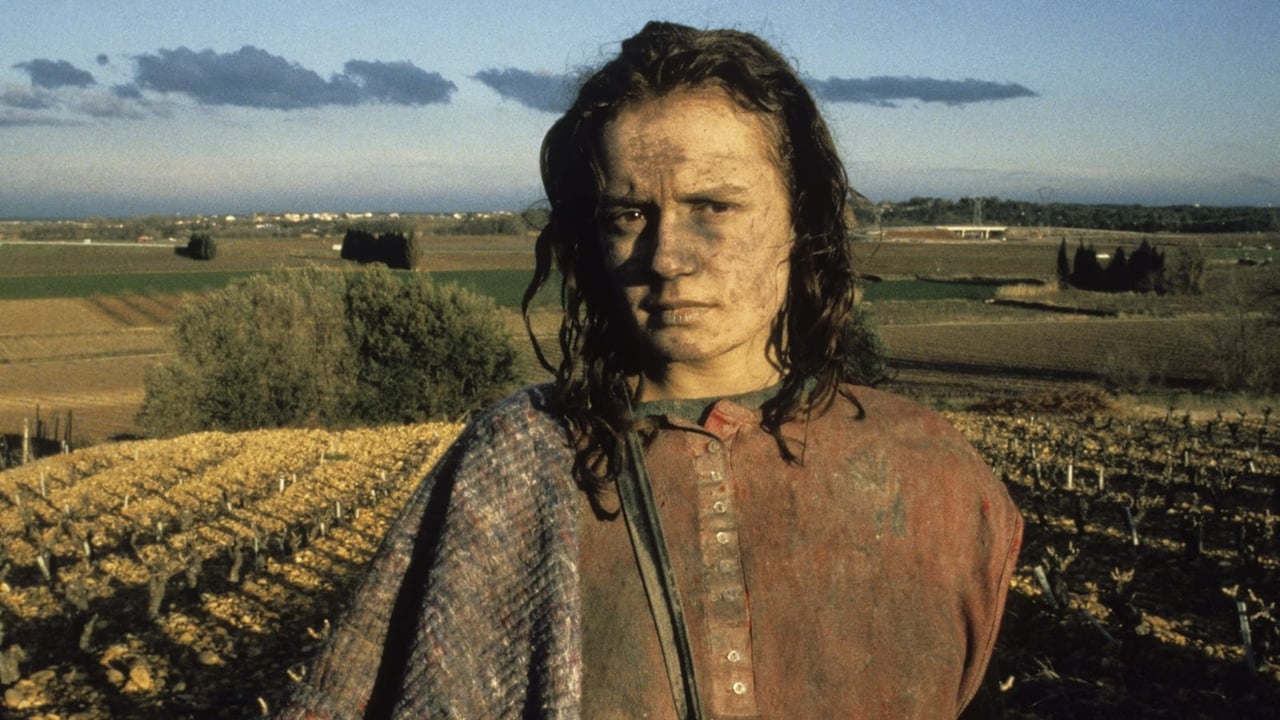
The film tells us right away that Mona Bergeron is dead. The mystery isn't who did it, but who she was, and how she came to perish alone in the cold. Varda constructs the film as a series of flashbacks and pseudo-documentary interviews with people who encountered Mona during the final weeks of her life. We piece her together through their memories, their projections, their misunderstandings. She's seen as free-spirited by some, lazy and defiant by others, a threat, a curiosity, an enigma. But Mona herself remains elusive, fiercely guarding her inner world. We see her actions – seeking shelter, finding temporary work, forming fleeting connections, pushing people away – but her motivations, her history, her ultimate desires? They remain stubbornly out of reach. What does it say about us, that we feel such a need to categorize and understand a life lived so resolutely outside the norm?
The Raw Truth of Sandrine Bonnaire

At the heart of this haunting portrait is a truly astonishing performance by Sandrine Bonnaire, who was only 17 or 18 during filming and relatively unknown. She won the César Award (the French equivalent of the Oscar) for Best Actress, and it was utterly deserved. There’s no vanity, no pleading for sympathy in her portrayal. Bonnaire embodies Mona with a physical presence that speaks volumes – the grime under her nails, the defiant stare, the weariness in her walk, the rare, unguarded smile that flickers and disappears. It's a performance of raw authenticity, stripped bare of cinematic artifice. She isn’t playing a character; she is Mona in those moments, embodying a radical, almost feral independence that both attracts and repels those she meets. Varda famously sought an actress who wasn't professionally trained for the role, wanting that unvarnished quality, and found gold in Bonnaire. The supporting cast, including Macha Méril as a thoughtful academic studying trees who briefly takes Mona in, and Stéphane Freiss as a well-meaning but ultimately incompatible goat farmer, serve as effective counterpoints, highlighting Mona's otherness through their more conventional lives and reactions to her.
Varda's Vision: Freedom and Frostbite
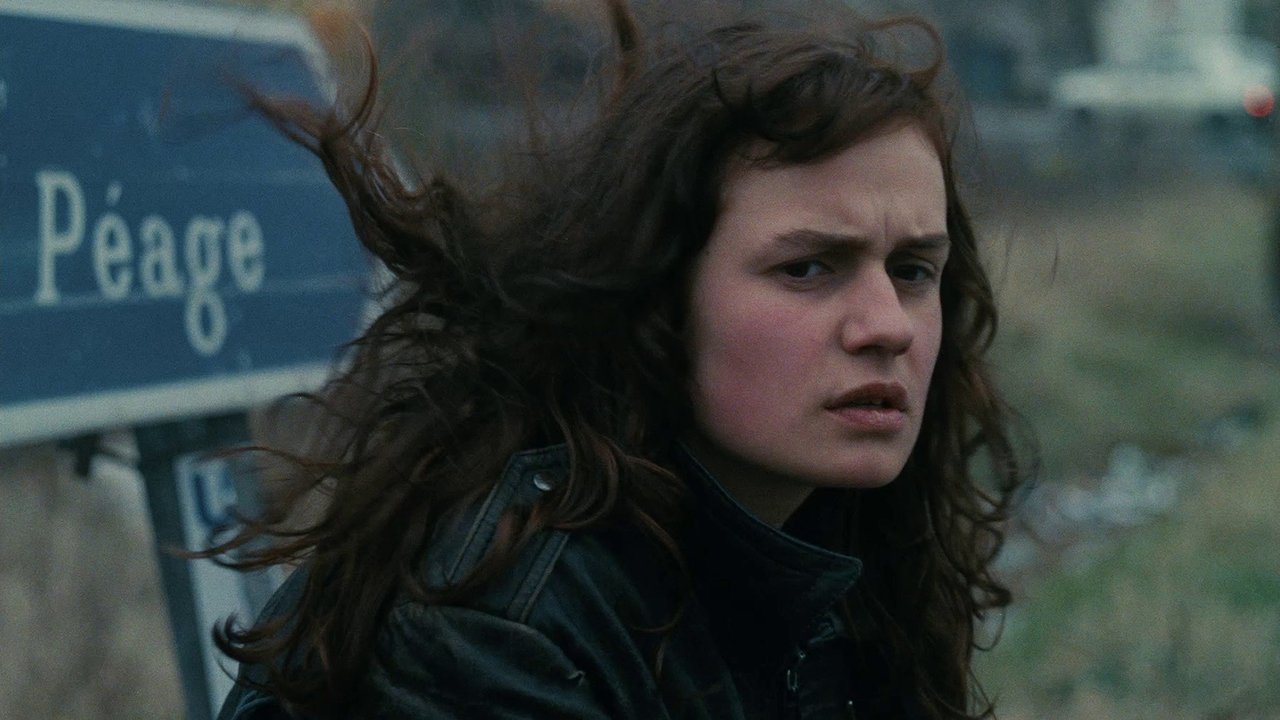
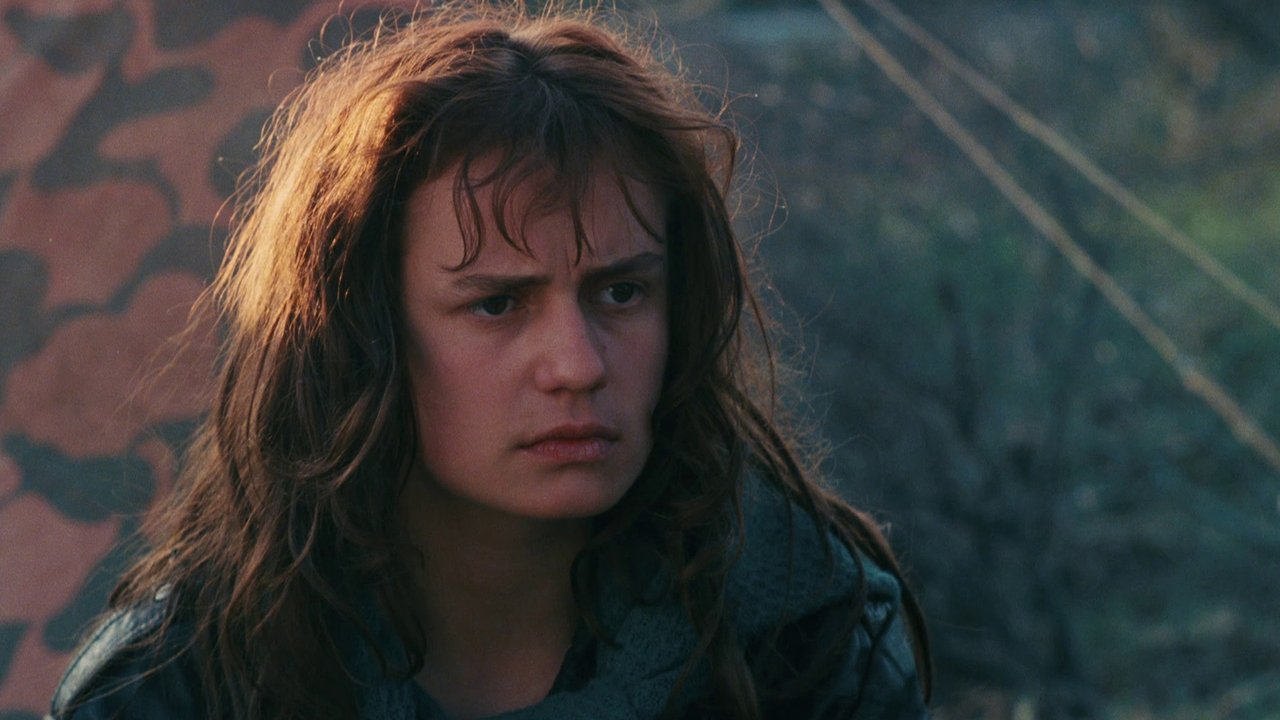
Agnès Varda directs with a clear, observant eye, blending narrative fiction with documentary techniques. The tracking shots that follow Mona walking along desolate roads become a powerful motif, emphasizing her constant movement, her rootlessness. The landscape itself – the wintry, unwelcoming French countryside – becomes a character, reflecting Mona's isolation and the harshness of her chosen existence. Varda doesn’t judge Mona, nor does she romanticize her poverty or her choices. She simply presents her, forcing us to confront our own assumptions about freedom, conformity, and societal responsibility. Is Mona truly free, or is she trapped by a different kind of constraint? The film offers no easy answers, leaving the viewer to grapple with the complexities of her life and the indifference of the world she navigated. Apparently, Varda was inspired to make the film after encountering several young drifters herself, sparking her curiosity about their lives lived on the margins.
A Different Kind of VHS Memory
Let’s be honest, Vagabond probably wasn’t the tape you rented for a Friday night party. It demands attention, patience, and a willingness to sit with discomfort. Yet, its presence on those video store shelves, perhaps nestled between a John Hughes comedy and a Schwarzenegger actioner, was a testament to the breadth of cinema available during the VHS era. It represented the potential for discovery, the chance to stumble upon something profound and unsettling that might reshape your perspective. I remember seeing that stark cover art – Bonnaire’s face looking out – and feeling intrigued, sensing it was something heavier than the usual fare. Watching it felt like a deliberate act, a departure from pure entertainment into something more resonant and challenging. It's a film that doesn't fade easily, its stark beauty and unresolved questions echoing long after the credits roll. Its critical acclaim, including winning the prestigious Golden Lion at the Venice Film Festival, cemented its place as a significant work of 80s cinema.
Rating: 9/10
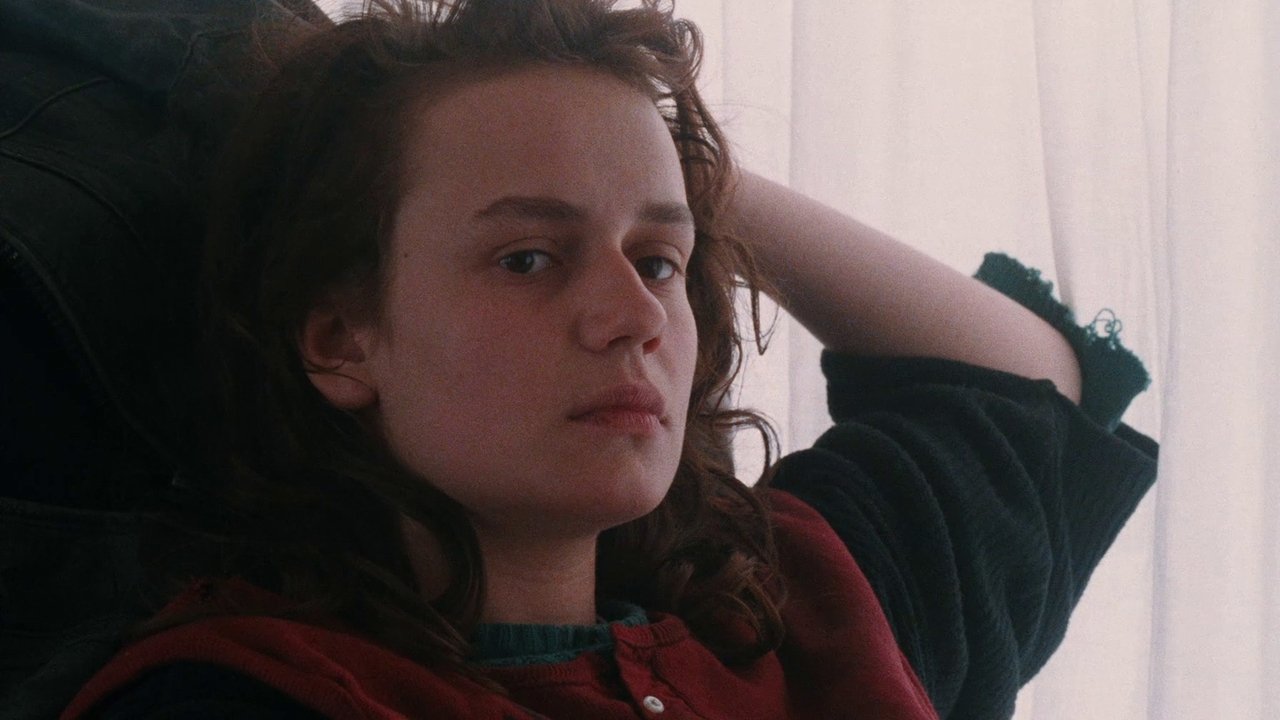
This rating reflects Vagabond's artistic brilliance, Sandrine Bonnaire's unforgettable performance, and Agnès Varda's masterful direction. It's a near-perfect execution of its bleak, challenging vision. It loses a single point only because its deliberate detachment and refusal of easy answers might leave some viewers feeling cold or unsatisfied, but this is intrinsic to its power. It’s a film that doesn't offer comfort, but instead profound questions about the nature of freedom, connection, and the lonely paths people walk.
Vagabond remains a stark, powerful piece of filmmaking, a haunting reminder of lives lived on the periphery and the enduring mystery of the human spirit, even in its most alienated form. It’s a film that truly makes you think, long after you’ve rewound the tape.