It arrives not with a whisper, but a roar – a blast of raw, untamed energy that feels both intoxicating and dangerous. Watching Savage Nights (Les Nuits Fauves, 1992) today is still a visceral experience, one that pulls you into the frantic pulse of its protagonist's life even as you grapple with the darkness swirling around him. It’s a film that doesn’t ask for easy empathy; it demands attention, forcing a confrontation with uncomfortable truths about desire, mortality, and the messy, often destructive ways we seek connection.

Life on the Edge
At the heart of the storm is Jean, played with a staggering, almost frightening lack of vanity by director and writer Cyril Collard himself. Jean is a bisexual photographer living in Paris, navigating the complexities of love and lust while carrying a heavy secret: he is HIV positive. This isn't a story told with hushed reverence or quiet suffering. Jean embraces life with a desperate, hedonistic intensity, plunging into passionate affairs with the fiery, volatile Laura (Romane Bohringer) and the rugged, brooding Samy (Carlos López). The film captures the vibrant, sometimes grimy, energy of early 90s Parisian nightlife, a world fueled by loud music, reckless abandon, and a palpable sense of living for the moment – perhaps because the future felt so terrifyingly uncertain.
A Portrait Painted in Sweat and Tears
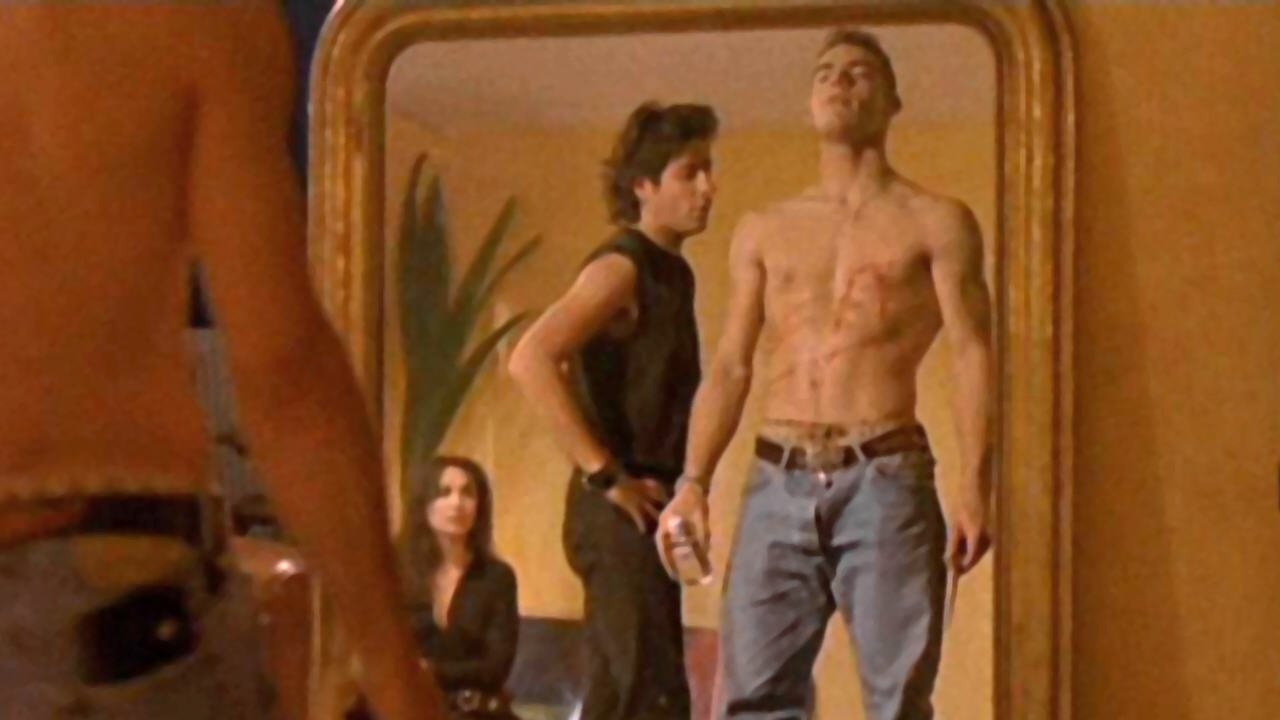
What makes Savage Nights so potent, and indeed so controversial upon its release, is its unflinching honesty. Collard, adapting his own semi-autobiographical novel, refuses to sanitize Jean or his choices. We see his charisma, his vulnerability, but also his profound selfishness and recklessness, particularly his failure to disclose his status to Laura initially. It's a decision that hangs heavy over the narrative, a constant source of tension and ethical unease. Is Jean a victim of circumstance, lashing out against a death sentence? Or is he simply irresponsible, caught in his own whirlwind of desire? The film doesn't offer easy answers, leaving the viewer to wrestle with the uncomfortable complexities of his character. This raw portrayal generated considerable debate in France, pushing boundaries in its depiction of sexuality and the AIDS crisis far beyond what mainstream cinema was typically showing at the time.
The performances are nothing short of electric. Romane Bohringer is a revelation as Laura. She matches Collard's intensity beat for beat, creating a character who is simultaneously fierce and fragile, full of desperate love and explosive anger. Her performance deservedly won her the César Award for Most Promising Actress; it’s a raw nerve exposed, utterly captivating. Carlos López brings a quieter but equally compelling presence as Samy, representing a different kind of connection for Jean, grounded yet still caught within the same turbulent emotional landscape.
Behind the Camera, Facing Mortality
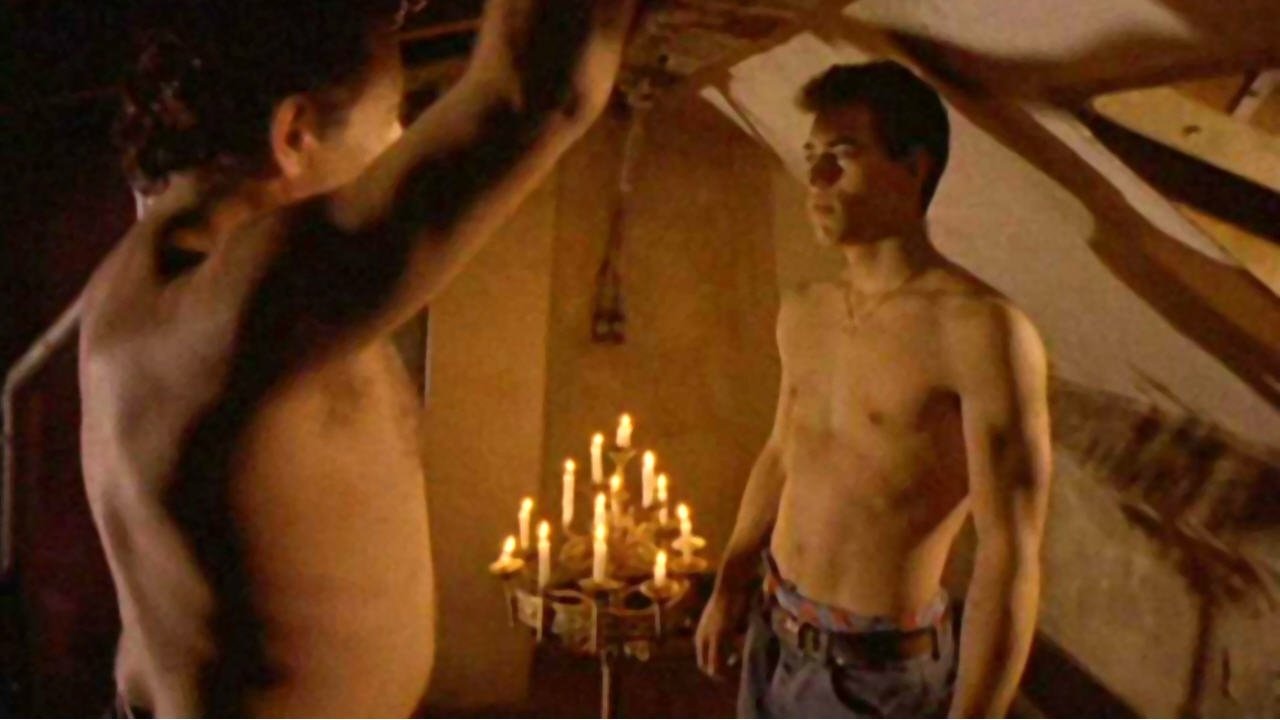
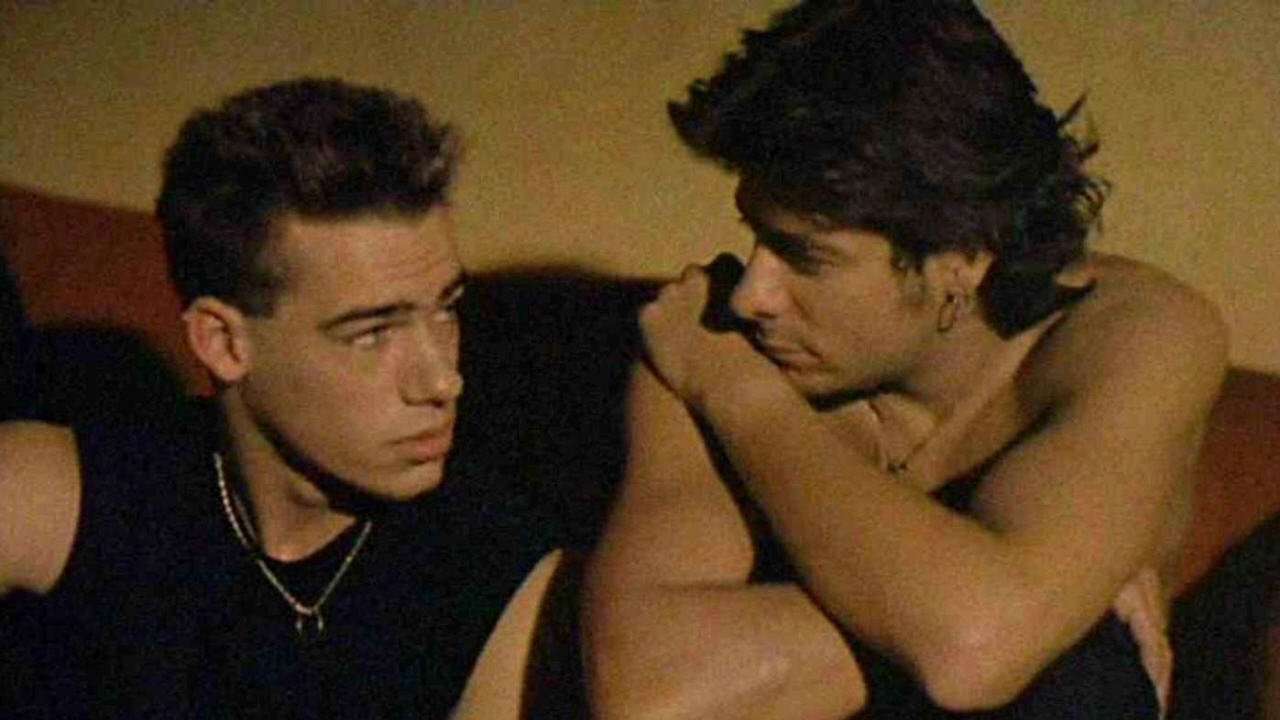
The context surrounding Savage Nights is impossible to ignore and lends the film an almost unbearable poignancy. Cyril Collard was himself HIV positive and battling AIDS during the production. Directing and starring in such a physically and emotionally demanding role under these circumstances is an act of incredible, almost defiant, artistic will. He poured his reality, his fears, and his desperate vitality onto the screen. Tragically, Collard died from AIDS-related complications on March 5, 1993, just three days before Savage Nights achieved a stunning victory at the César Awards, winning Best Film, Best First Work, and Best Editing, alongside Bohringer's win. Knowing this casts a long shadow over the viewing experience, turning Jean's frantic energy and philosophical musings into something deeply personal and resonant. The film feels less like a fictional narrative and more like a final, urgent testament.
Collard's direction mirrors Jean's chaotic energy. The camera is often handheld, restless, plunging us into the heart of sweaty clubs, intimate embraces, and sudden bursts of violence. The editing is sharp, sometimes jarring, reflecting the fractured state of Jean's world. It’s not polished filmmaking in the traditional sense; it’s raw, immediate, and purposefully unsettling, perfectly capturing the fauve (wild beast) nature of the title. This wasn't a big-budget affair; its power comes from its authenticity and the palpable sense of urgency driving its creation.
A Difficult but Necessary Watch
Is Savage Nights an easy film to revisit? Absolutely not. It’s demanding, confrontational, and leaves you with a knot in your stomach. Jean's actions are often difficult to condone, and the film’s relentless energy can be exhausting. It doesn't offer the comforting glow of many 90s rentals. Yet, its importance cannot be overstated. It was a landmark film in French cinema and queer cinema, tackling the AIDS epidemic with a raw honesty and complexity that few films dared to approach at the time. It refused to portray its HIV-positive protagonist as a simple martyr or victim, opting instead for a messy, flawed, utterly human portrayal.
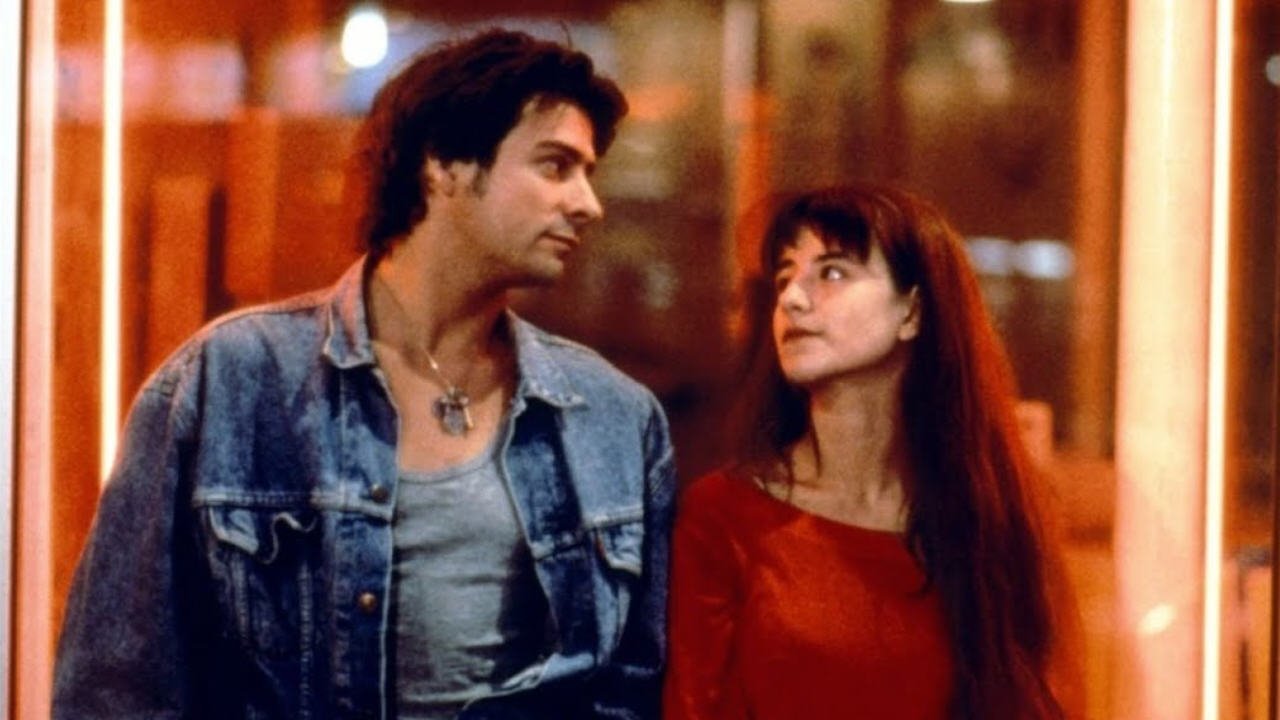
Watching it now, decades removed from the initial shock and the height of the AIDS crisis panic it depicted, the film retains its power. It’s a time capsule of a specific era’s anxieties and energies, but the core questions about how we live, love, and face our own mortality remain universal. It challenges us to look beyond easy judgments and confront the often-contradictory nature of human desire and survival.
Rating: 8.5/10
This rating reflects the film's undeniable artistic courage, its historical significance, and the unforgettable power of its central performances, particularly Bohringer's. It's docked slightly only because its relentless intensity and morally complex protagonist make it a challenging, rather than universally enjoyable, experience. Savage Nights isn't a casual watch pulled from the dusty VHS shelf for comfort; it's a vital, provocative piece of cinema that burns itself into your memory long after the credits roll, leaving you to ponder the fierce, untamed beauty and brutality of life lived right on the precipice.