Okay, pull up a chair. Let's talk about a film that might have slipped past you on the rental shelves back in the day, perhaps overshadowed by louder, brighter boxes. It arrived right at the cusp of the new millennium, a time when the smooth hum of the VCR was just beginning to yield to the whir of DVD players. I'm talking about Michael Haneke's Code Unknown (2000), originally titled Code inconnu: Récit incomplet de divers voyages. This isn't your typical Friday night popcorn fare, but stick with me – it’s the kind of film that burrows under your skin and stays there, sparking thoughts long after the screen goes dark. It might not be pure 80s/90s comfort, but it carries the weight of that era's anxieties into the new century, demanding a different kind of attention.
### A Single Moment, Fractured Lives
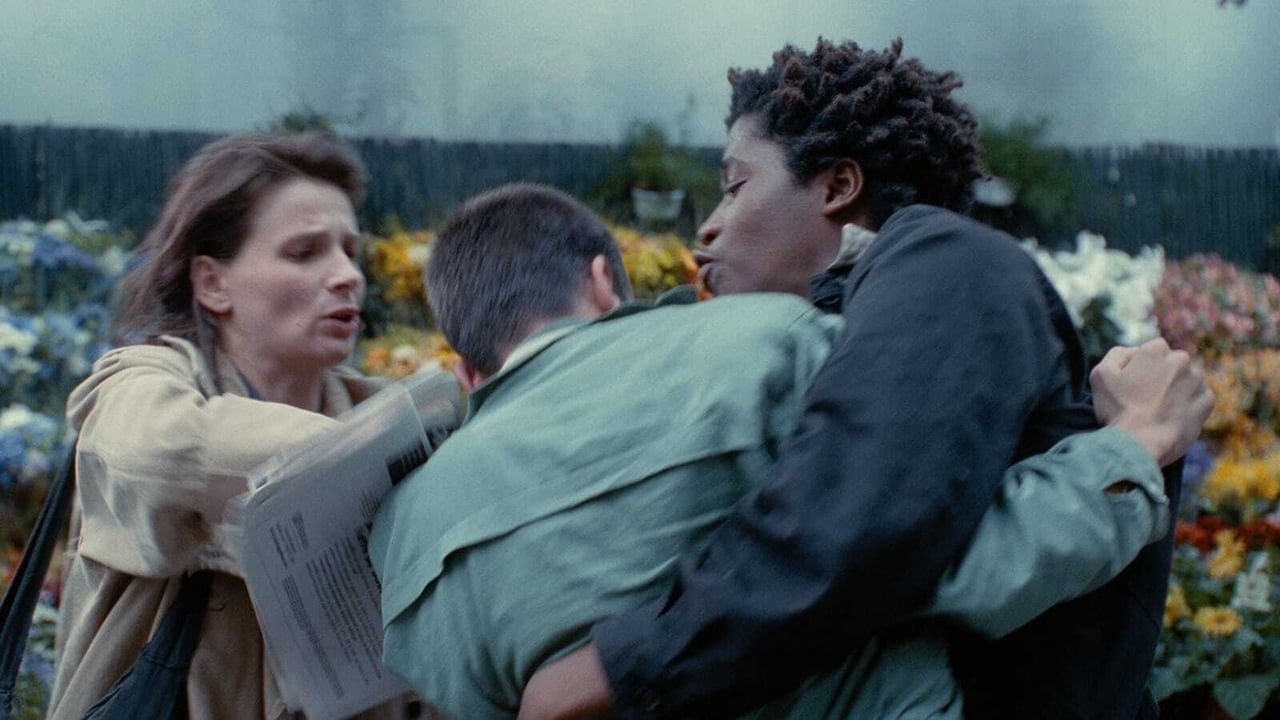
Remember those intricate chain reactions, the ones where a butterfly flaps its wings and causes a hurricane? Code Unknown begins with something far more mundane, yet equally resonant. On a bustling Paris street, Jean (Thierry Neuvic) carelessly tosses some trash onto the lap of Maria (Luminița Gheorghiu), a Romanian immigrant begging for money. Amadou (Ona Lu Yenke), a young Black Frenchman teaching deaf children, witnesses this and confronts Jean. This brief, ugly encounter acts as a narrative detonator, fracturing the film into seemingly disparate storylines involving these characters and Anne Laurent (Juliette Binoche), Jean's actress girlfriend who happens to be passing by. The film’s subtitle, "Incomplete Tale of Several Journeys," feels less like a description and more like a mission statement. Haneke refuses to tie these threads neatly; instead, he presents vignettes, glimpses into lives briefly connected by chance, separated by vast gulfs of culture, class, and experience.
### The Unblinking Eye of Haneke
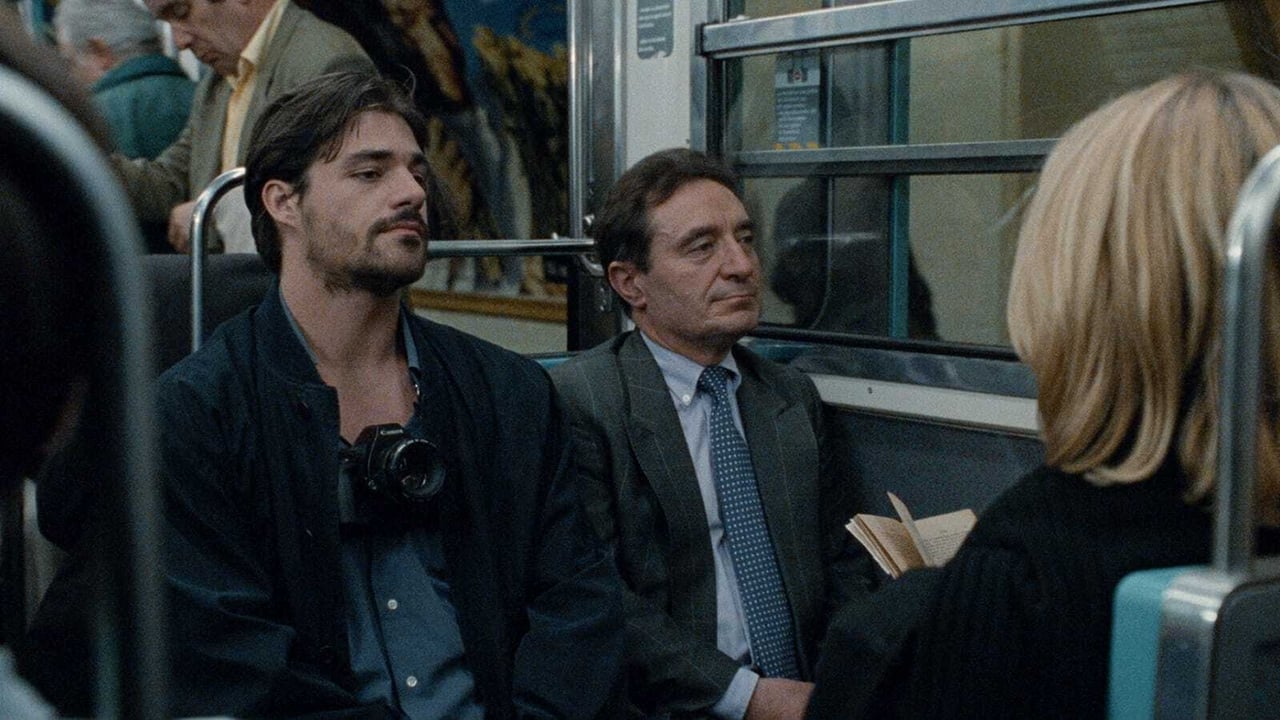
If you’re familiar with Michael Haneke – perhaps from the chilling Austrian original of Funny Games (1997) which likely haunted some adventurous late-90s renters, or his later work like Caché (2005) – you’ll recognize the style immediately. He employs long, static takes, often observing characters from a distance, forcing us to watch, to piece things together without the usual cinematic hand-holding. There’s a distinct lack of non-diegetic music; the soundtrack is the city itself – the rumble of the Metro, snippets of conversation in multiple languages, the stark silence in moments of tension.
Perhaps the most talked-about technical aspect is the film's opening sequence, a breathtaking, unbroken tracking shot lasting several minutes that follows Anne down a busy boulevard, weaving through crowds and capturing the initial incident. Achieving this required incredible choreography and precision, a logistical feat that immediately establishes the film's observational, almost documentary-like feel. It's not flashy for its own sake; it immerses us directly into the chaotic flow of urban life where lives intersect and diverge unnoticed.
### Performance as Truth and Mask
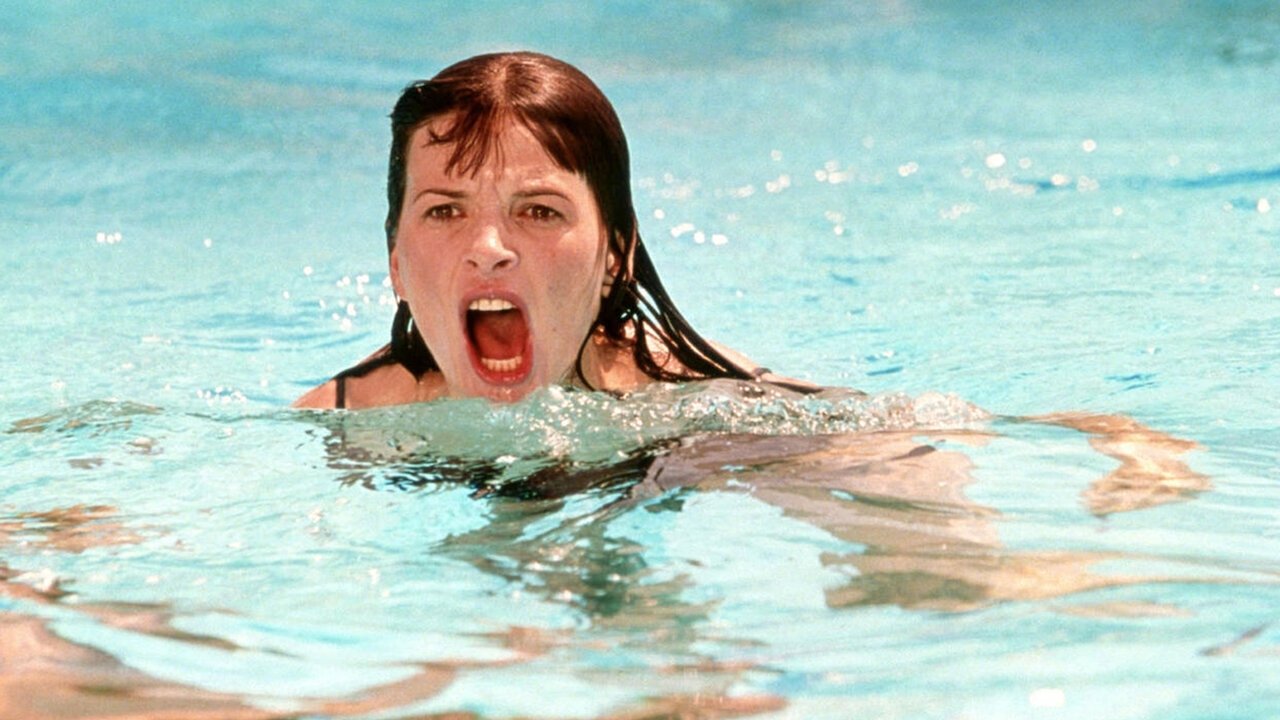

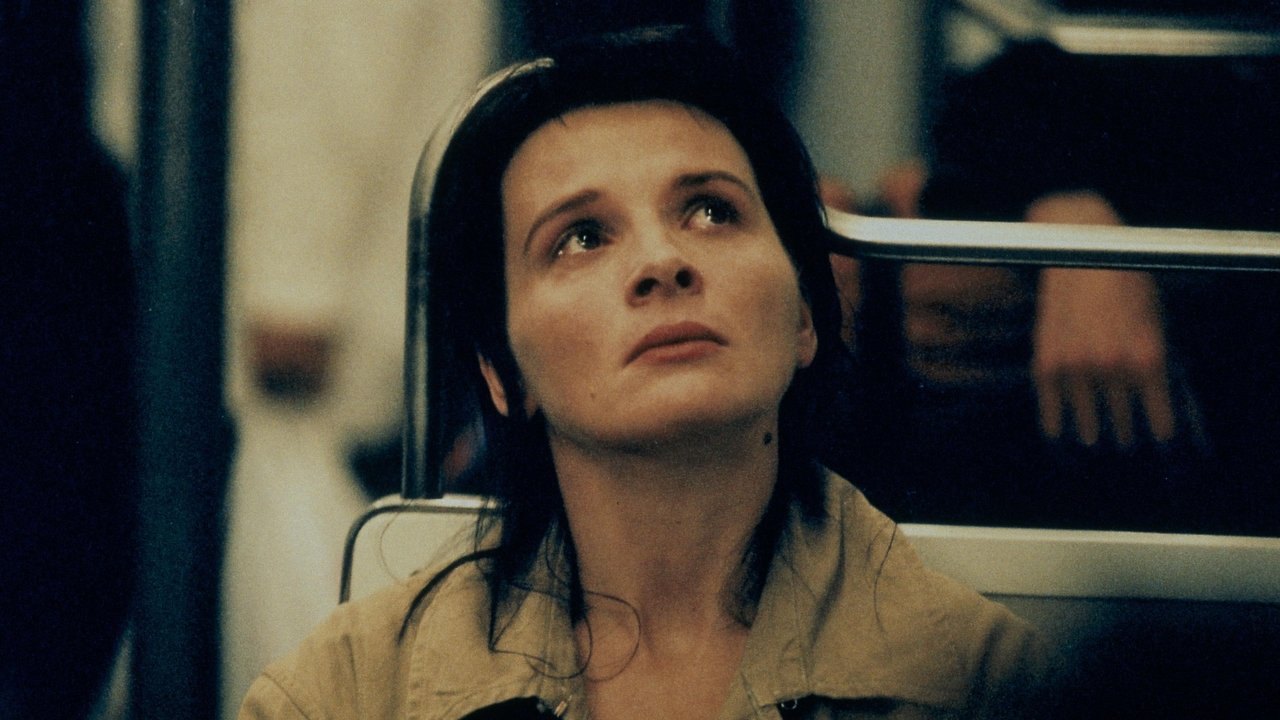
At the heart of the fragmented narrative is Juliette Binoche as Anne. Fresh off a decade of incredible work in the 90s (Three Colours: Blue (1993), The English Patient (1996)), Binoche delivers a performance of quiet power and vulnerability. As an actress, Anne navigates different roles both professionally (we see her on film sets, struggling with directors) and personally (dealing with Jean's family, confronting unsettling anonymous callers). Her journey becomes a lens through which Haneke explores performance itself – the masks we wear, the difficulty of authentic communication even with those closest to us. The supporting cast is equally crucial, portraying their characters not as stereotypes, but as complex individuals caught in systems often beyond their control. The sense of realism Haneke extracts is palpable; you feel the weariness in Maria’s eyes, the simmering frustration in Amadou, the casual indifference of Jean.
### What is the 'Code Unknown'?
So, what does the title mean? It seems to point towards the myriad ways communication breaks down in our modern, multicultural world. Language barriers are obvious – we hear French, Romanian, Arabic, Soninke, and see sign language used – but the film digs deeper. It questions the codes of social interaction, the unspoken rules of class and race, the assumptions and prejudices that prevent genuine understanding. Think about Amadou's unjust arrest after the initial confrontation, or Maria's deportation struggles. Doesn't the film force us to confront how easily we misinterpret, judge, or simply fail to see the humanity in others? These aren't comfortable questions, but they felt urgent in 2000, and perhaps resonate even more strongly today. This isn't a film offering solutions; it's one meticulously mapping the problem.
### A Different Kind of Rewind
Admittedly, Code Unknown wasn't the tape you'd grab for a lighthearted movie night. It likely sat on the "World Cinema" or "Drama" shelf at the rental store, maybe even requiring a dedicated trip to an arthouse video haven if your local Blockbuster didn't carry it. Its arrival coincided with the rise of DVD, a format perhaps better suited to its chapter-like structure and Haneke’s pristine visuals. Finding and watching it back then felt like an intentional act, a departure from the usual blockbuster cycle. It represents that other side of home video discovery – the moment you sought out something challenging, something that lingered and provoked debate long after the credits rolled. It competed for the top prize at the Cannes Film Festival, signaling its artistic ambition right from the start.
Rating: 8.5/10
This score reflects Code Unknown's undeniable power, masterful direction, and compelling performances, particularly from Juliette Binoche. It's a technically brilliant and thematically rich piece of filmmaking that achieves exactly what it sets out to do: unsettle, provoke thought, and expose the fractures in modern society. The deduction from a perfect score acknowledges its deliberately challenging, fragmented nature and Haneke's signature emotional distance, which, while effective, makes it a demanding watch that won't resonate with everyone seeking conventional narrative satisfaction. It's not easily digestible, nor is it meant to be.
Code Unknown is a potent reminder, preserved from the turn of the millennium, that sometimes the most profound stories are the ones left incomplete, forcing us to decipher the codes ourselves. What message, ultimately, were we failing to receive then, and are we any better at understanding now?