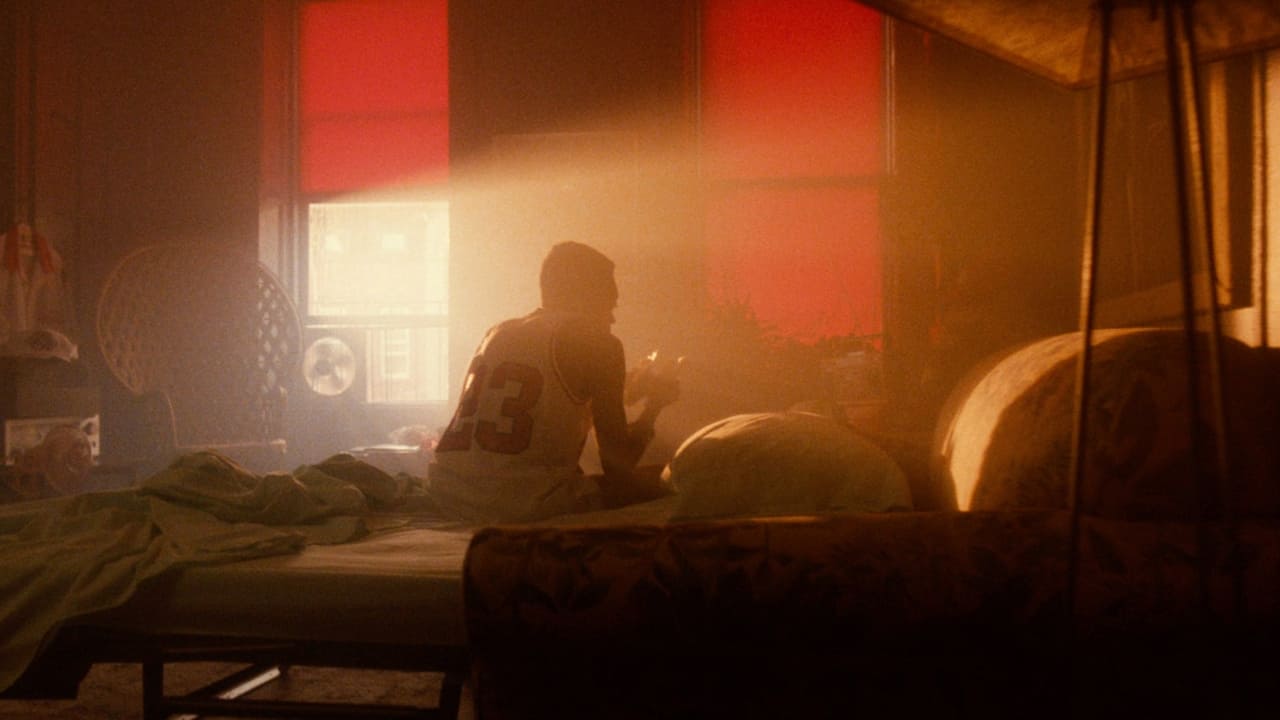
It wasn't just the sweltering visuals, the beads of sweat on every brow, the shimmering heat haze rising from the Brooklyn asphalt that made Do the Right Thing feel so explosive back in 1989. It was the palpable tension simmering just beneath the surface, a friction born of proximity, prejudice, and the pressure cooker of a single, scorching summer day. Watching it again now, decades removed from its controversial release, that heat still radiates off the screen, feeling less like a period piece and more like a tragically relevant mirror.
A Block on the Boil
Spike Lee, already a distinctive voice with She's Gotta Have It and School Daze, didn't just capture a neighborhood in Do the Right Thing; he bottled its energy, its frustrations, its joys, and its heartbreaks. We're dropped onto one block in Bedford-Stuyvesant, Brooklyn, on the hottest day of the year. Life revolves around Sal's Famous Pizzeria, an Italian-American institution owned by Sal (Danny Aiello) and run with his sons, the openly racist Pino (John Turturro) and the more conciliatory Vito (Richard Edson). Our guide through this vibrant, volatile ecosystem is Mookie (Spike Lee himself), Sal's pizza delivery guy, trying to navigate the day, make some money for his girlfriend Tina (Rosie Perez in a fiery film debut) and their child, and generally stay out of the escalating trouble.
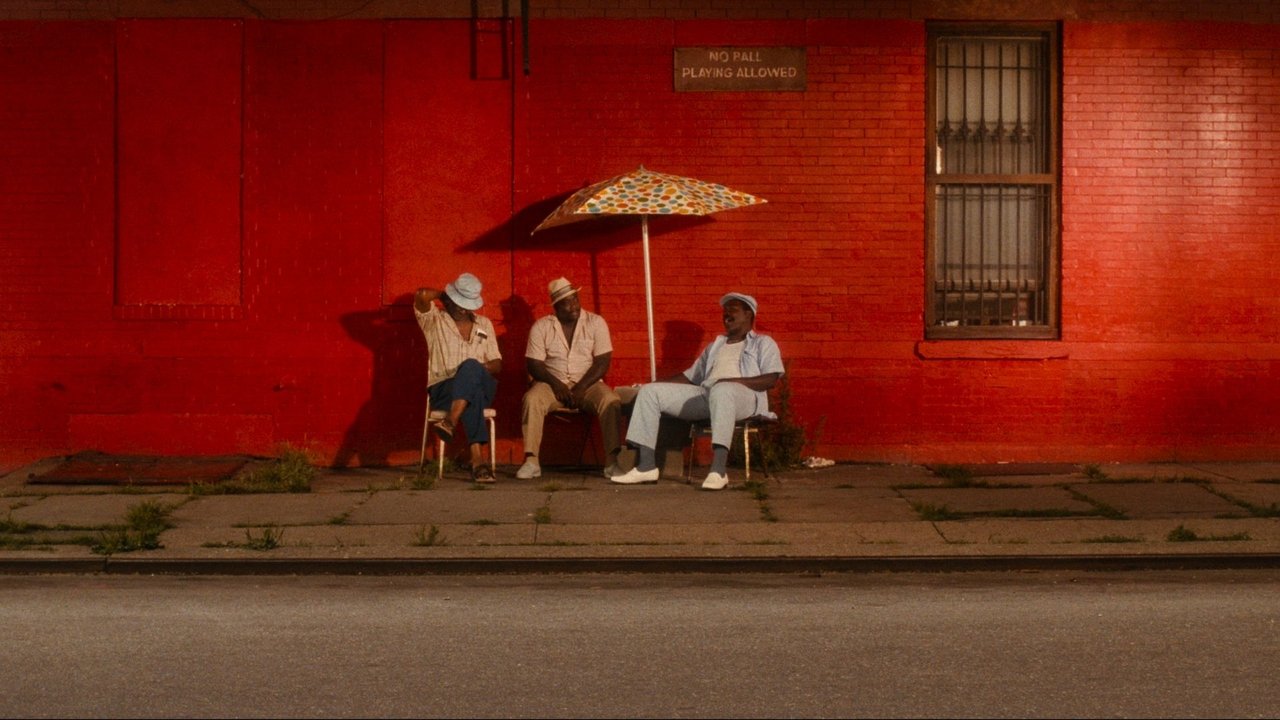
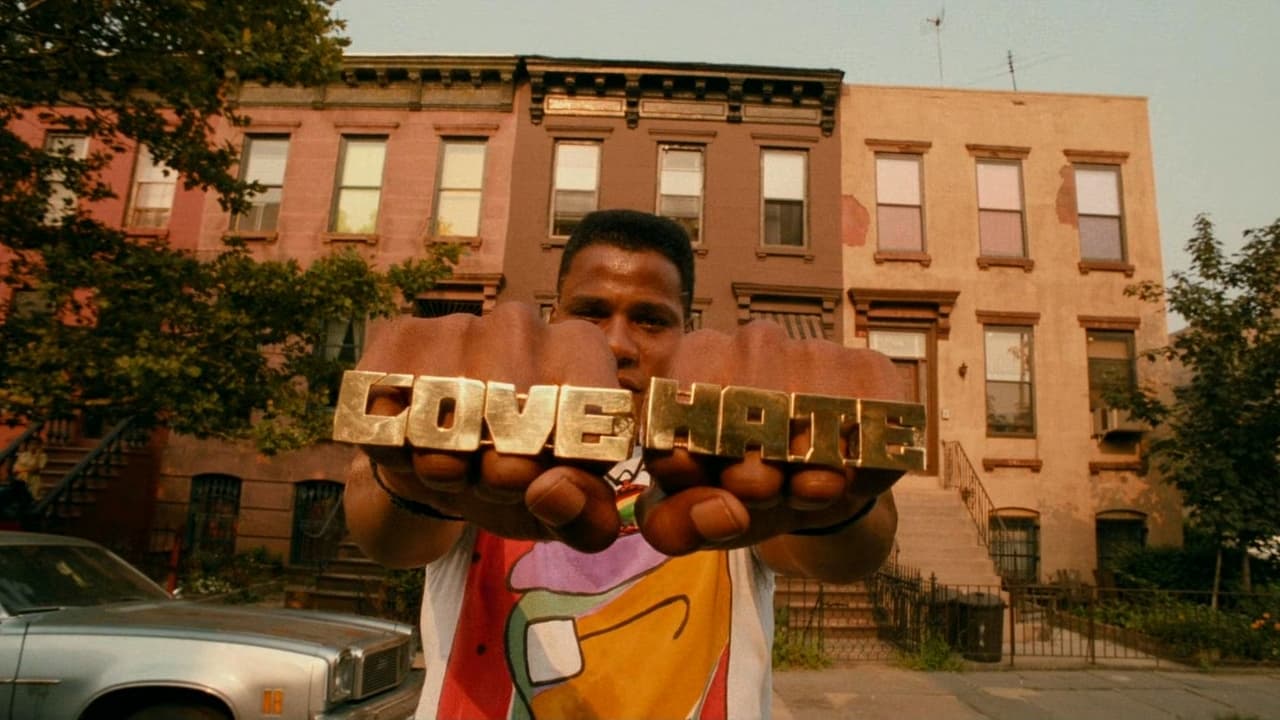
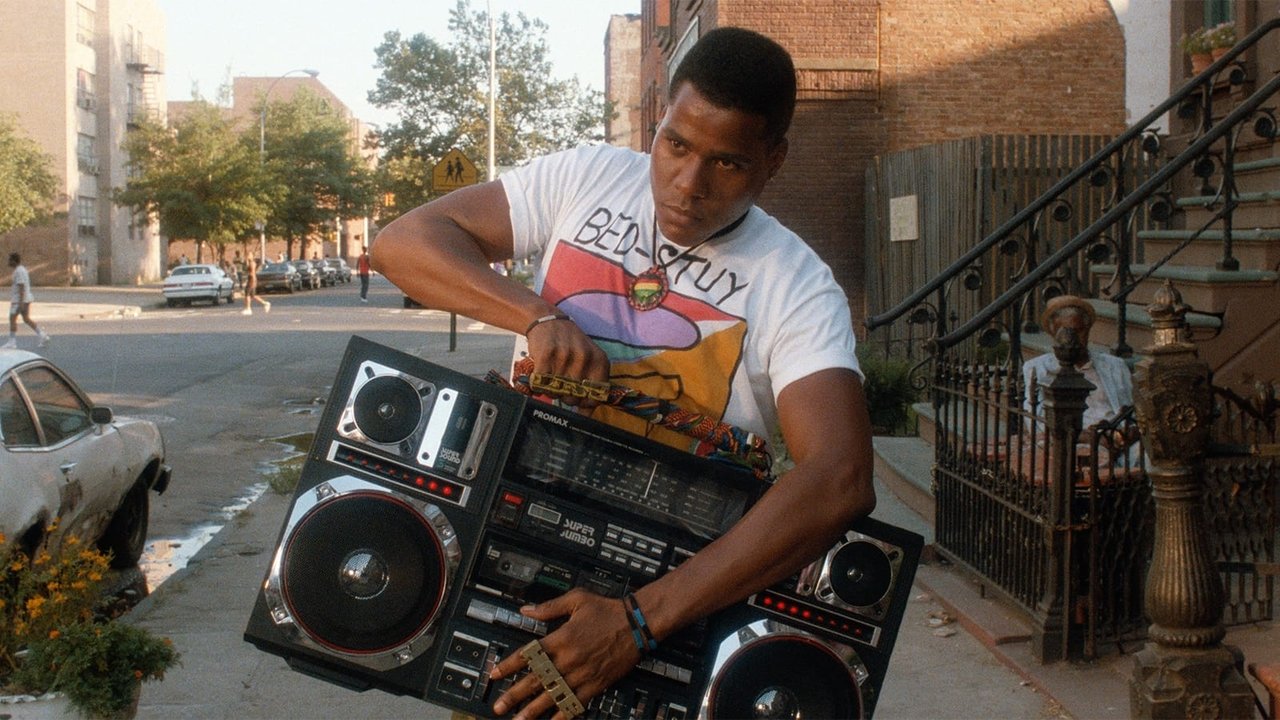
The brilliance lies in the tapestry of characters Lee weaves. We meet the neighborhood elders, Da Mayor (Ossie Davis), dispensing gentle wisdom and battling his own demons, and the watchful Mother Sister (Ruby Dee), whose gaze misses nothing from her brownstone window. There’s the righteous indignation of Buggin' Out (Giancarlo Esposito), whose demand for Black faces on Sal's "Wall of Fame" sparks the central conflict. And then there's Radio Raheem (Bill Nunn), a towering, mostly silent presence defined by his ever-present boombox blasting Public Enemy's "Fight the Power" and his iconic "Love/Hate" brass knuckles. Each character feels achingly real, contributing to a chorus of voices that represent the community's complex dynamics.
Sparks in the Powder Keg
Lee's direction is anything but passive. The camera, guided by cinematographer Ernest Dickerson, is kinetic and expressive. Colors pop with an almost unnatural vibrancy, especially the reds, blues, and yellows, amplifying the heat and emotion. Dutch angles tilt the world off-balance as tempers flare. Characters break the fourth wall, delivering potent monologues on racial prejudice directly to us, forcing an uncomfortable intimacy. It felt audacious then, and it remains incredibly effective. Lee wasn't just telling a story; he was grabbing us by the lapels, demanding we pay attention.
The performances are uniformly stunning. Danny Aiello earned a deserved Oscar nomination for Sal, a man who takes pride in his pizzeria and genuinely seems to care for the neighborhood kids he's watched grow up, yet harbors deep-seated prejudices that surface under pressure. It’s a nuanced portrayal of flawed humanity, neither wholly villain nor hero. Spike Lee gives Mookie a restless energy, a young man caught between loyalties, responsibilities, and his own simmering frustrations. But it's the ensemble that truly makes the film resonate – Davis and Dee bring effortless grace and gravitas, Esposito crackles with revolutionary zeal, and Nunn creates an unforgettable icon in Radio Raheem, a symbol of Black pride and presence whose fate becomes the story's tragic catalyst.

Retro Fun Facts: More Than Just Heat
- Real-World Roots: The film’s narrative drew heavily from real-life racial incidents inflaming New York City at the time, particularly the Howard Beach case of 1986 where a Black man was killed after being chased onto a highway by a white mob. Lee dedicated the film to the families of several victims of racial violence.
- On-Set Vibe: To achieve the oppressive heat effect, the crew constantly wet down the streets and employed subtle red filters. Ironically, some shooting days were apparently quite cool, requiring actors to be sprayed with glycerin "sweat." Lee made a point of hiring local residents for security and as production assistants, fostering a connection with the Bed-Stuy community where they filmed for eight weeks. The budget was a modest $6.5 million, but it struck a chord, grossing over $37 million – a significant success for such a challenging film.
- The Anthem: Public Enemy's "Fight the Power" wasn't just in the movie; it was the movie's pulse. Lee specifically commissioned the group to create an anthem, and did they ever deliver. It plays relentlessly from Radio Raheem's boombox, becoming an inescapable soundtrack to the rising tensions.
- Controversy and Cannes: Upon release, some critics stoked fears that the film's explosive climax would incite riots. It became a major talking point, though widespread unrest never materialized. Despite the controversy (and being famously snubbed for Best Picture at the Oscars), the film premiered to great acclaim at the Cannes Film Festival.
- That Ending: (Spoiler Alert!) The debate over whether Mookie "did the right thing" by throwing the trash can through Sal's window, igniting the riot after Radio Raheem's death at the hands of police, began the moment the credits rolled and continues today. Lee has always maintained the question is more important than the answer, highlighting the impossible choices faced when systemic injustice boils over. He pointed out that critics seemed more concerned about the destruction of property (the pizzeria) than the loss of a Black life (Radio Raheem).
Still Asking the Question
What makes Do the Right Thing endure is its refusal to offer easy answers. It presents a microcosm of American racial tension with unflinching honesty, showing how misunderstanding, prejudice, economic frustration, and pride can escalate into tragedy. It forces us to confront uncomfortable truths about communication breakdowns and the consequences of inaction – and 폭력 (violence). Doesn't the central question of how to respond to injustice still echo loudly today? What is the "right thing" when faced with systemic inequality and sudden, brutal loss?
The film doesn't preach; it presents a situation, rich with humanity and fraught with danger, and leaves the viewer to grapple with the fallout. It's a snapshot of a specific time and place that somehow remains timeless in its exploration of deep-seated societal fractures. Watching it on VHS back in the day felt urgent, vital, maybe even dangerous. It sparked arguments, debates, and hopefully, some reflection.
Rating: 10/10
This isn't just a great film; it's a landmark achievement. Spike Lee delivered a cinematic Molotov cocktail – vibrant, volatile, and unforgettable. The direction is masterful, the ensemble cast is flawless, and the script crackles with energy, humor (yes, there are moments of levity amidst the tension), and profound anger. It captures the specific heat of a 1989 Brooklyn summer but speaks to universal, enduring questions about race, community, and justice. Its power hasn't diminished one bit; if anything, time has only underscored its importance.
Do the Right Thing remains essential viewing, a film that doesn't just entertain but demands engagement, forcing us to look, listen, and perhaps most importantly, to think. What lingers most isn't just the heat, but the burning questions it leaves in its wake.