The jaunty, almost ridiculously upbeat theme song kicks in – "Fall break! Woo!" – promising sunshine, beers, and adolescent hijinks. But the promise is a lie, a cruel joke whispered before the plunge. Flickering across the CRT screen late at night, perhaps rented solely on the strength of its stark, unambiguous title and lurid cover art, 1984's The Mutilator wasn't interested in easing you in. It was here to deliver exactly what it advertised, with a level of mean-spirited Giallo-esque violence that felt genuinely transgressive back in the heyday of the slasher boom.
### Sunshine and Slaughter
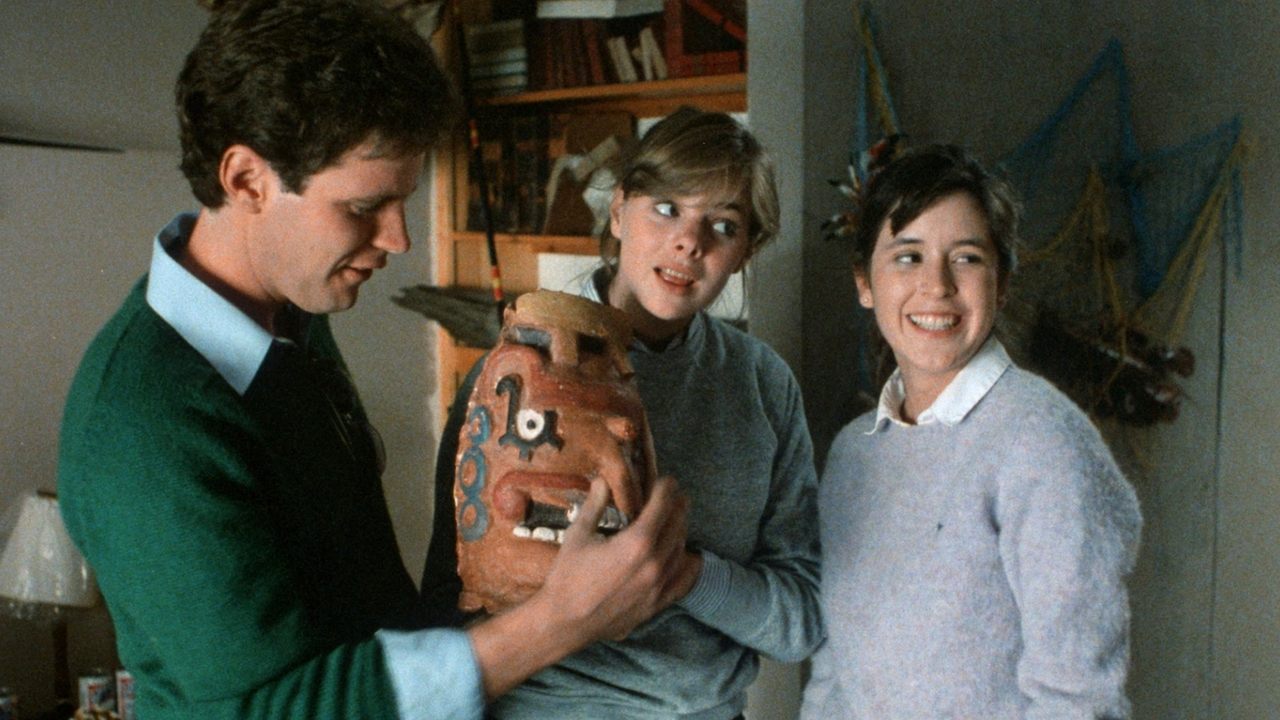
The setup is classic slice-and-dice fodder: college student Ed Jr. (Matt Mitler) is tasked by his estranged, wealthy father, "Big Ed," to close up the family's beachfront condo for the winter. Naturally, he brings along his girlfriend Pam (Ruth Martinez) and a few other hormone-driven friends for one last booze-fueled hurrah before buckling down. Written and directed by Buddy Cooper, making his feature debut after years directing commercials (a jarring transition, one imagines), the film takes its sweet time getting to the titular mayhem. There's awkward flirting, dopey jokes, and enough wandering around the spacious condo and deserted beach town to make you check your watch. But this padding, common in the genre, almost serves to heighten the eventual shock. The banality makes the brutality feel even more invasive when it finally arrives, crashing the party like an uninvited nightmare.
### No Quarter Given
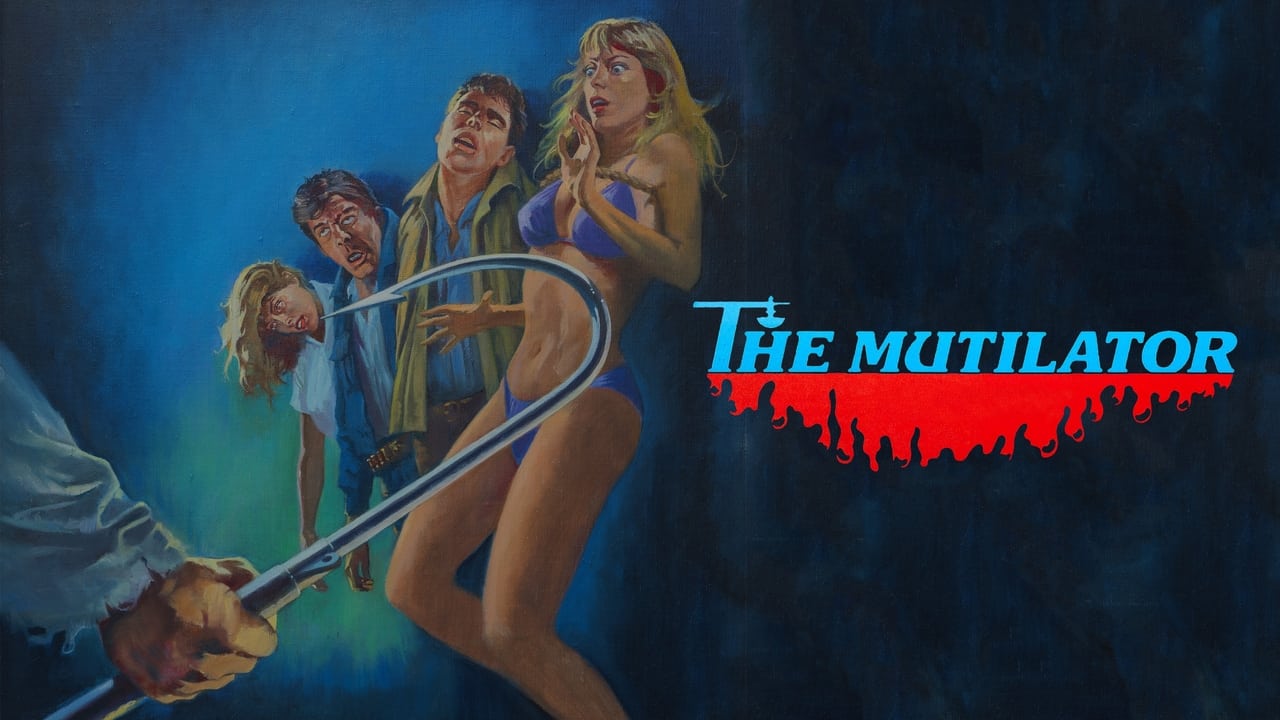
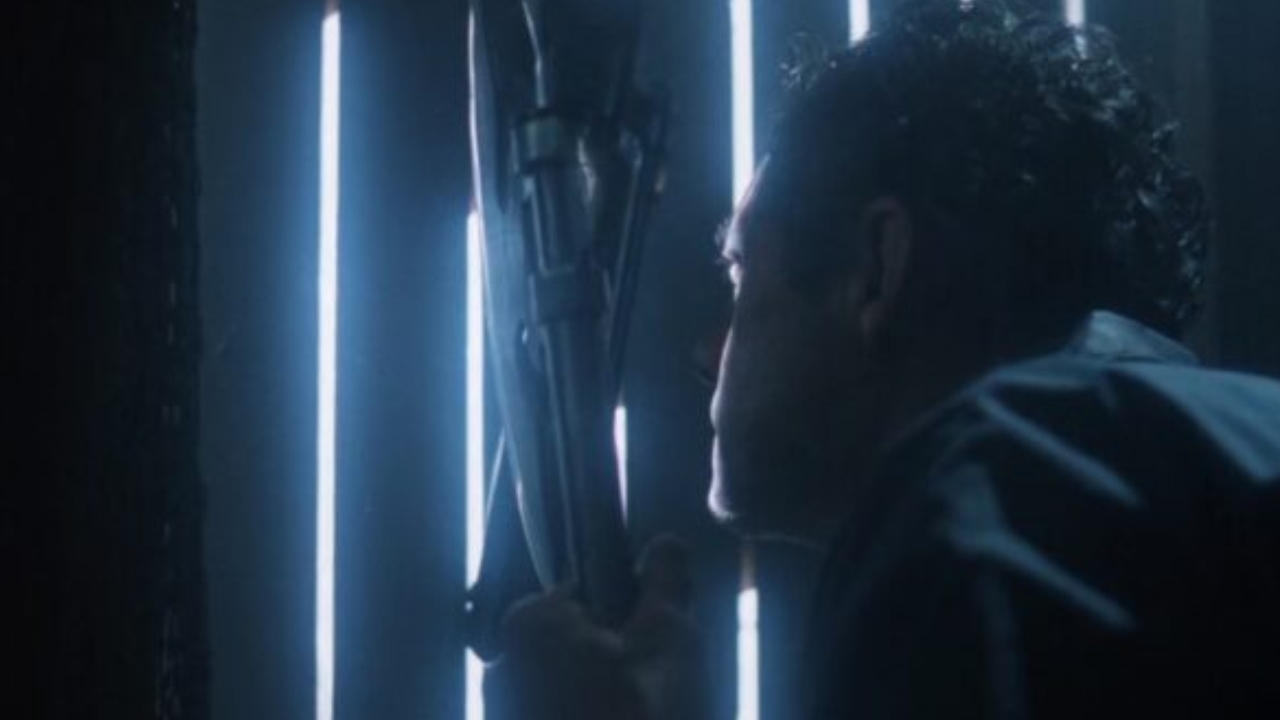
And when Big Ed (Bill Hitchcock) finally appears, lurking in the shadows of the condo he was supposedly miles away from, The Mutilator shifts gears with violent finality. Forget jump scares or subtle suspense; this film's currency is viscera. Big Ed isn't some masked force of nature; he's a disturbed, methodical hunter, seemingly driven by a dark family secret hinted at in the prologue, dispatching his son's friends with a grim variety of weapons found mostly in his horrifyingly well-stocked garage and trophy room.
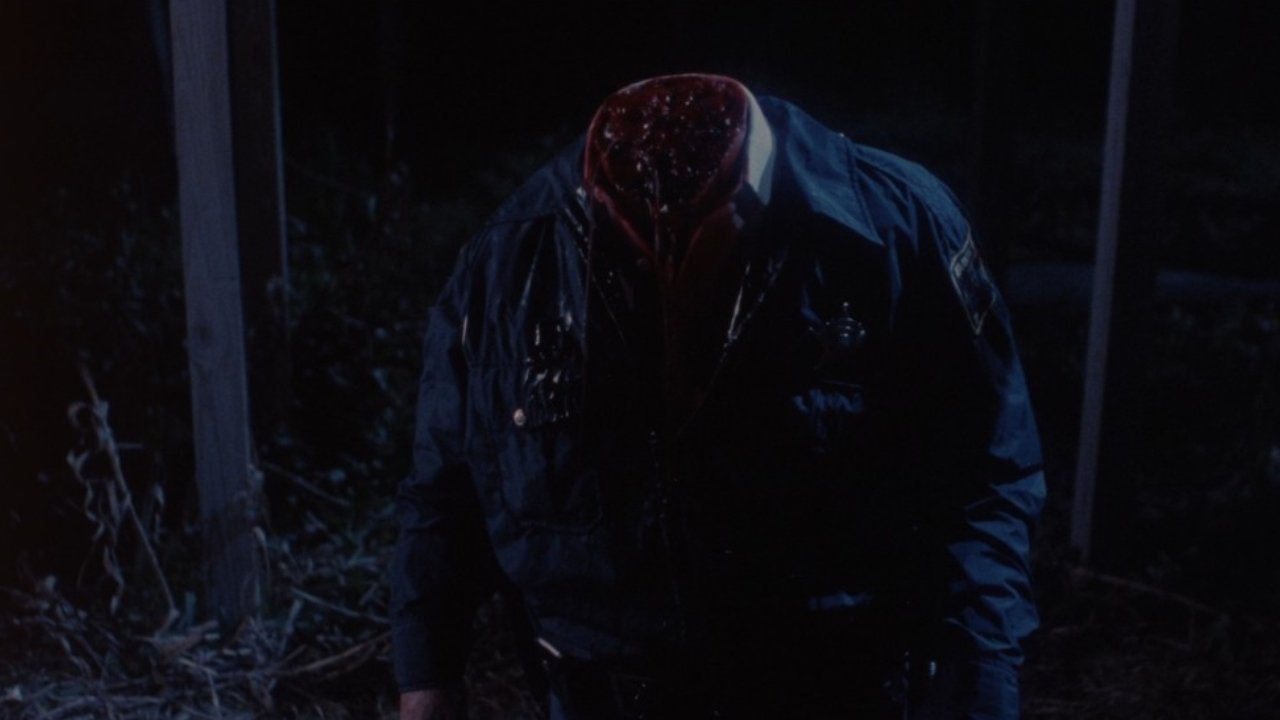
The film earned its notoriety, and its spot on the UK's "Video Nasties" list wasn't entirely undeserved, primarily due to its unflinching depiction of bodily harm. The practical effects, some handled by a young Mark Shostrom (who would go on to grislier glories in films like Evil Dead II and A Nightmare on Elm Street 2: Freddy's Revenge), are the undeniable stars. They possess a wet, messy authenticity that often gets under your skin more effectively than slicker, modern CGI. Does that infamous outboard motor scene still make you wince? And the lingering shot involving a fishing gaff... well, it's a moment designed purely to provoke revulsion, and it succeeds unequivocally. Buddy Cooper reportedly filmed even more graphic versions of some kills, cementing the film's cult status among gorehounds chasing the mythical "uncut" version whispered about in tape-trading circles.
### Rough Edges, Raw Impact
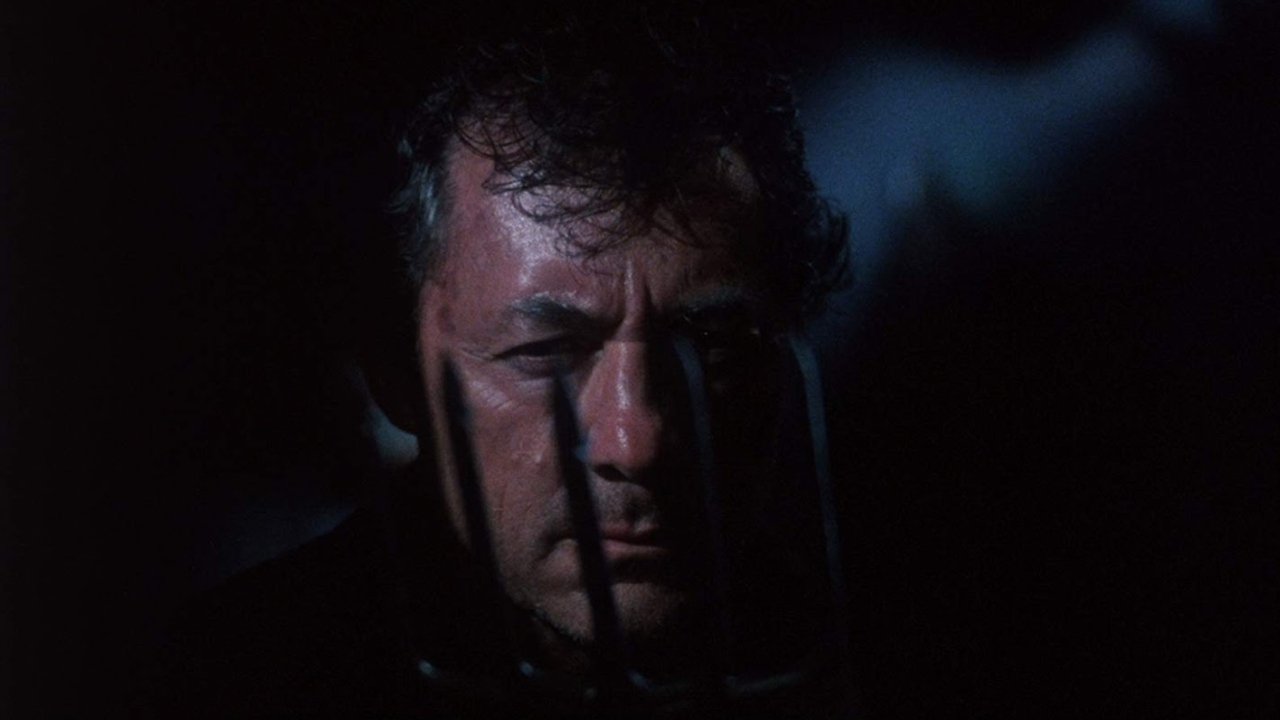
Let's be clear: The Mutilator isn't sophisticated filmmaking. Born from a relatively meager budget (rumored around $150,000-$200,000) and shot on location in Atlantic Beach, North Carolina, its seams definitely show. The acting ranges from passable to endearingly stiff, the dialogue is often functional at best, and the pacing in the first half drags considerably. Bill Hitchcock as Big Ed, however, manages a certain chilling blankness beneath his seemingly ordinary exterior. He’s less a character and more a relentless instrument of slaughter.
Distributor Vestron Video knew exactly what they had here. Originally titled the generic Fall Break, they slapped the far more potent – and accurate – The Mutilator moniker on it. The marketing leaned heavily into the gore, attracting exactly the audience it intended. It wasn't aiming for the broader appeal of Friday the 13th or Halloween; it was targeting the hardcore horror fans who scanned the video store shelves specifically looking for something nasty. My own faded VHS copy, picked up used ages ago, certainly felt like forbidden fruit.
The film’s surprisingly downbeat and grim ending offers no catharsis, leaving a sour, unsettling taste that lingers longer than the shock value of the kills. It’s a bleak conclusion to a bleak film, one that refuses to play by the usual "final girl" rules and instead doubles down on the nihilism.
***
Rating: 6/10
Justification: The Mutilator is undeniably rough around the edges – the pacing lags, the acting is uneven, and the plot is razor-thin. However, it earns its points and its cult status through sheer, unadulterated commitment to graphic, practical gore effects that were shocking for their time and remain potent today. It delivers precisely the brutal experience promised by its title, bolstered by a genuinely unnerving villain and a bleak finale. It's not a "good" film in the traditional sense, but as a raw, nasty piece of work from the golden age of VHS horror, it's gruesomely effective and unforgettable for those who can stomach it.
Final Thought: Decades later, long after the video stores have closed and the tapes have degraded, The Mutilator remains a stark reminder of a time when low-budget horror could prioritize pure, unadulterated shock value above all else, leaving a grimy fingerprint on the slasher genre. That unsettling feeling after the credits roll? That's the mark of Big Ed, and it doesn't wash off easily.