The salt spray hits your face, not cleansing, but cold, isolating. You're adrift, not just at sea, but in time itself, washed ashore onto an island where innocence curdled decades ago. This isn't just a place; it's a pause button stuck on some bygone nightmare, the brittle photograph cracking under the weight of unspoken horrors. Welcome to the unsettling shores of John Hough's 1987 chiller, American Gothic. Forget Norman Rockwell; this is a portrait painted in dread and decay.
Stranded in Yesterday's Nightmare
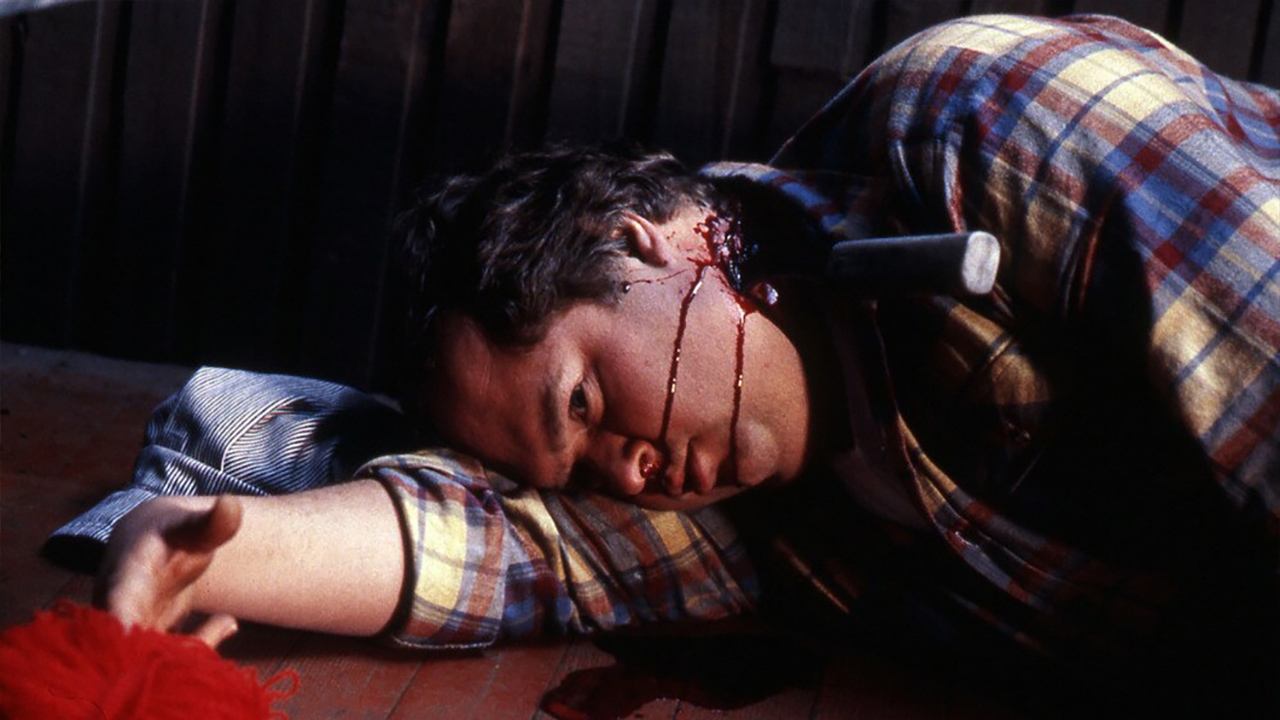
The setup is classic 80s slasher fodder, almost deceptively simple. A group of young adults – Cynthia (Sarah Torgov), Jeff (Mark Ericksen), Rob (Mark Lindsay Chapman), Lynn (Fiona Hutchison), Paul (Stephen Shellen), and Terri (Caroline Barclay) – find themselves marooned on a remote Pacific Northwest island after their floatplane encounters trouble. Seeking shelter, they stumble upon an isolated, perfectly preserved house, seemingly plucked from the 1920s. It’s here they meet Ma (Yvonne De Carlo) and Pa (Rod Steiger), a deeply religious, elderly couple who haven’t quite kept up with the times. Or perhaps, they’ve actively rejected them, along with anyone who represents the modern world these poor travelers embody. The initial relief of rescue quickly sours into a creeping unease. Something is profoundly wrong here.
Legends Behind the Lace Curtains
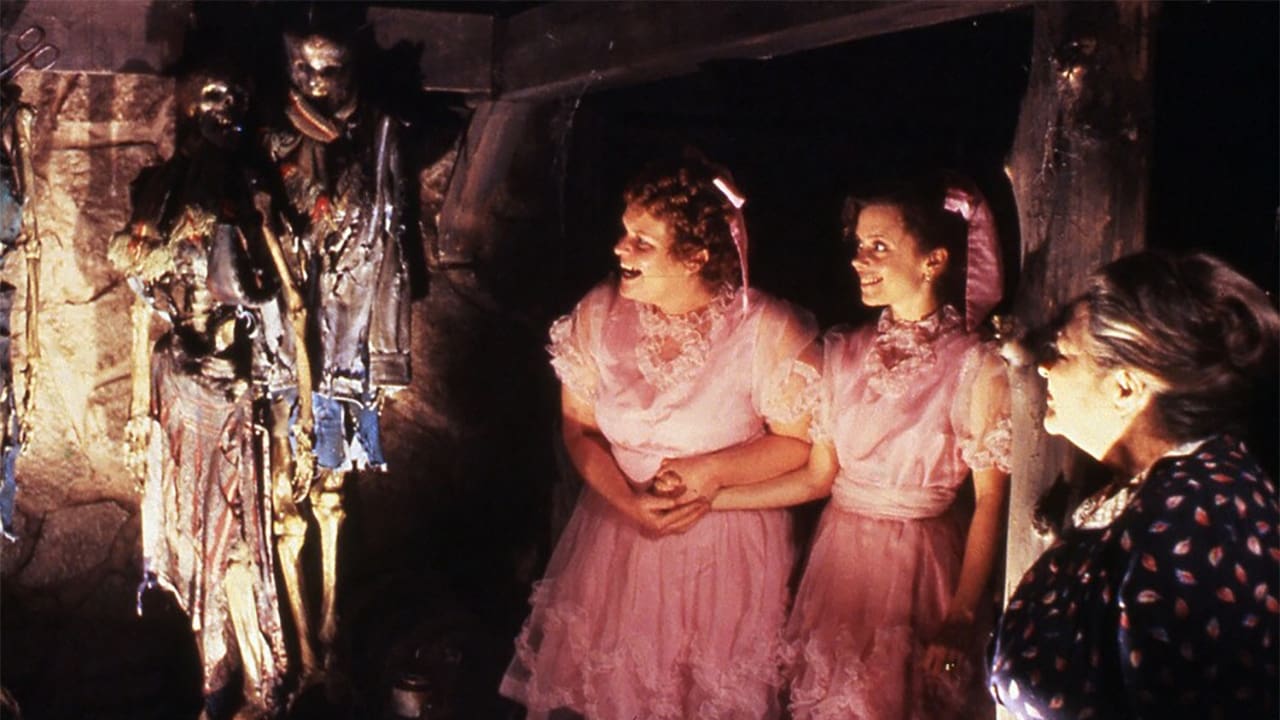
The casting of genuine Hollywood heavyweights Rod Steiger and Yvonne De Carlo is perhaps the film’s most fascinating, and frankly bizarre, element. Seeing the Oscar-winning powerhouse Steiger (unforgettable in In the Heat of the Night (1967)) and the iconic Lily Munster herself inhabiting this grim, off-kilter world lends American Gothic an undeniable, if strange, gravitas. Steiger, known for his intense Method acting, reportedly approached the role of the fanatical patriarch with unwavering seriousness, attempting to ground Pa's murderous piety in some warped internal logic. De Carlo, meanwhile, seems to relish playing against her familiar comedic type, embodying Ma’s eerie maternal menace with a quiet chill. Their presence elevates the proceedings beyond typical slasher fare, turning the central antagonists into something more memorably grotesque. It's said De Carlo particularly enjoyed the change of pace from her usual roles, finding a dark satisfaction in Ma's quiet cruelty.
Not Exactly Child's Play
The true source of the film's unsettling power, however, lies with Ma and Pa’s “children”: Fanny (Janet Wright), Woody (Michael J. Pollard – yes, that Michael J. Pollard from Bonnie and Clyde (1967)), and Teddy (William Hootkins). Played by adult actors, their arrested development manifests not as innocent naivety, but as petulant, dangerous childishness. They play deadly games with archaic toys, swing gleefully on a swing set built for actual children, and dispatch unwelcome visitors with the casual cruelty of toddlers pulling wings off flies. This casting choice is key; their physical adulthood clashes horrifically with their infantile behaviour, creating a deeply disturbing visual and thematic dissonance. Doesn't that unsettling image of adults trapped in perpetual, murderous childhood still linger uncomfortably? The practical nature of their threat – relying on old tools, traps, and brute force rather than supernatural powers – feels disturbingly grounded, even amidst the film’s heightened reality.
Island Isolation and VHS Grit
Director John Hough, no stranger to horror with titles like The Legend of Hell House (1973) and Twins of Evil (1971) under his belt, makes excellent use of the shooting location on Bowen Island, British Columbia. The lush, green isolation of the island becomes a character in itself – beautiful, yet claustrophobic and inescapable. You can almost smell the damp earth and decaying wood. The film has that distinct gritty look common to many modestly budgeted horror films of the era, perfectly suited for the slightly fuzzy resolution of a well-loved VHS tape viewed on a flickering CRT. Vidmark Entertainment, a name synonymous with countless hours spent browsing rental store shelves, brought this oddity into our living rooms. While perhaps lacking the slick polish of bigger studio productions, its atmosphere feels authentic to its time – a time when horror often felt rougher, stranger, and somehow more tangibly disturbing.
The practical effects, while simple by today's standards, land effectively within this context. The violence, when it comes, is often abrupt and brutal rather than overly stylized, adding to the sense of grim realism amidst the absurdity. Remember how effective simple, well-executed practical gags could be back then, before CGI smoothed everything over?
An Unsettling Heirloom
American Gothic wasn't a box office smash, nor did it redefine the genre upon its release. Its journey was more of a slow burn, finding its audience through video rentals and late-night cable screenings, eventually cementing itself as a peculiar cult classic. It’s a film that sticks with you, not necessarily because it’s terrifying in the traditional sense, but because it’s just so profoundly weird. The collision of veteran actors, the deeply unsettling concept of the childlike killers, and the isolated, time-warped setting creates a unique flavour of dread. It taps into fears of rural isolation, generational decay, and the monstrous potential lurking beneath seemingly quaint surfaces.
Rating: 6.5/10
Justification: American Gothic scores points for its genuinely unsettling core concept, the memorably bizarre casting of Steiger and De Carlo, and effective use of its isolated location. The "children" remain creepy creations. However, the pacing sometimes lags, some of the young adult characters feel underdeveloped (a common slasher trope, admittedly), and the film occasionally tips over from unsettling into slightly silly. It's a flawed gem, but its pervasive strangeness and commitment to its grim premise earn it a solid place in the VHS horror canon.
Final Thought: It’s a strange, sometimes creaky artifact from the back shelves of the video store, but American Gothic lingers like the damp chill of that isolated island – a testament to how unsettling the familiar can become when twisted just the right way. A must-see for fans of offbeat 80s horror oddities.