It’s a strange and wonderful thing when a filmmaker’s personal passion bleeds so visibly onto the screen. Watching Francis Ford Coppola’s Tucker: The Man and His Dream (1988) today feels less like revisiting a standard biopic and more like uncovering a gleaming, optimistic time capsule, polished to a near-mythic sheen. Coppola, famously embattled himself after the ambitious Apocalypse Now (1979) and the financial fallout of One from the Heart (1982), clearly saw a kindred spirit in Preston Tucker, the visionary car designer who dared to challenge the Big Three automakers of Detroit in the post-war era. This wasn't just another directorial assignment; it was a project Coppola had nurtured for years, a story deeply intertwined with his own family – his father, Carmine Coppola (who provides the film's buoyant score), was an early investor in Tucker stock and owned one of the cars. That personal connection radiates from every frame.
### The Dreamer and His Machine
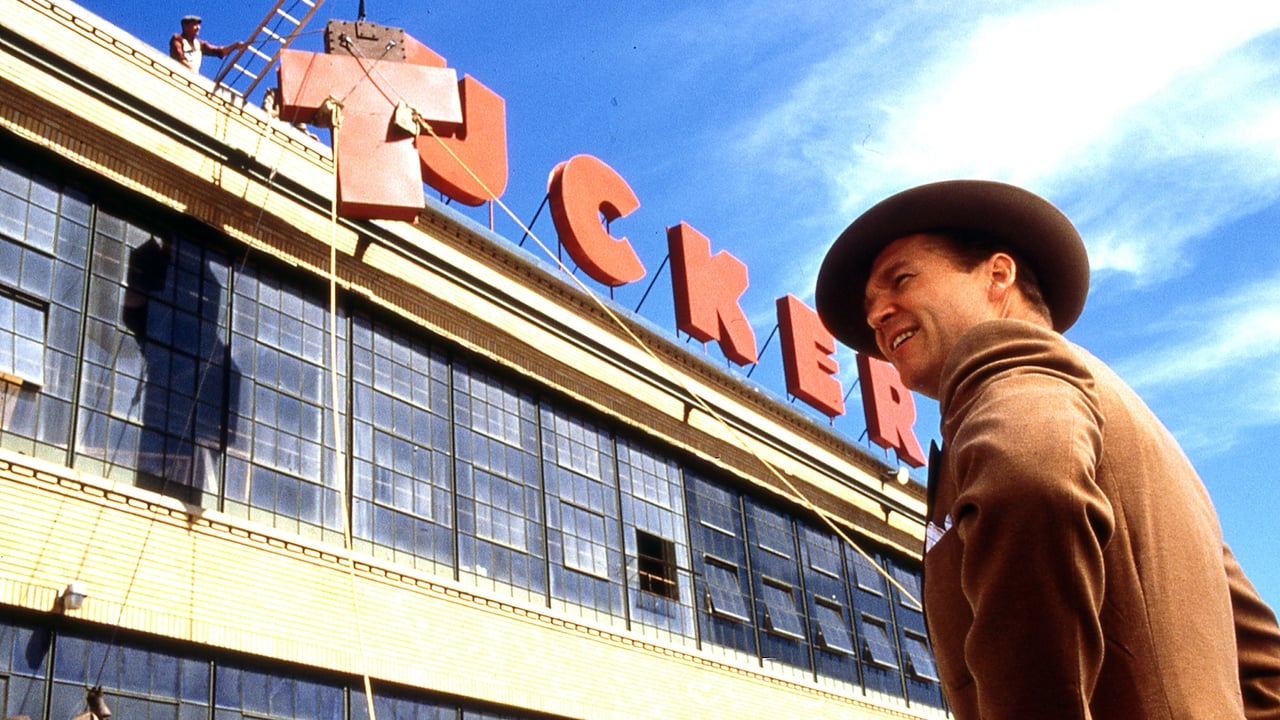
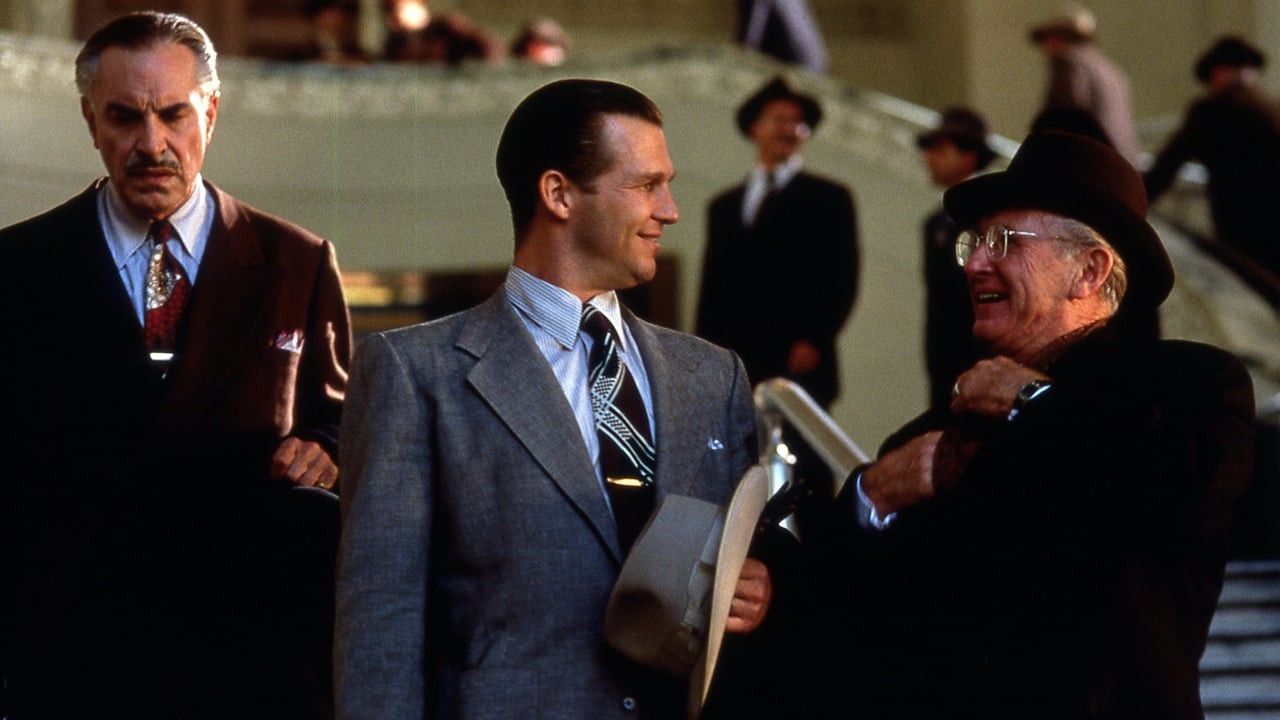
At the heart of the film, naturally, is the man himself, Preston Tucker, portrayed with boundless, almost superhuman energy by Jeff Bridges. Bridges doesn't just play Tucker; he embodies the whirlwind of invention, salesmanship, and irrepressible optimism that defined the man. His Tucker is a force of nature – charming, fast-talking, utterly convinced of his revolutionary car's potential and seemingly blind to the institutional roadblocks ahead. It’s a performance crackling with the kind of infectious enthusiasm that makes you want to believe, makes you root for him against impossible odds. Remember the sheer conviction in his eyes as he pitches the Tucker '48, "The Car of Tomorrow – Today!"? Bridges captures that perfectly, but also allows glimpses of the strain beneath the relentless positivity, the flicker of doubt when the walls start closing in.
Supporting him is a wonderfully cast ensemble. Joan Allen, as Vera Tucker, provides the crucial anchor of pragmatic loyalty. She’s not just the supportive wife; she’s the grounded center in Tucker’s storm of ambition, her quiet strength and unwavering belief in her husband adding emotional weight. Their partnership feels authentic, a believable portrait of love weathering extraordinary pressure. And then there's Martin Landau as Abe Karatz, Tucker's initially reluctant business partner. Landau, who deservedly earned an Oscar nomination for this role, brings a world-weary gravitas that perfectly complements Bridges' effervescence. His journey from cynic to true believer is one of the film's most compelling arcs, conveying the magnetic pull of Tucker's vision.
### A Gleaming Vision, A Shadowed Reality
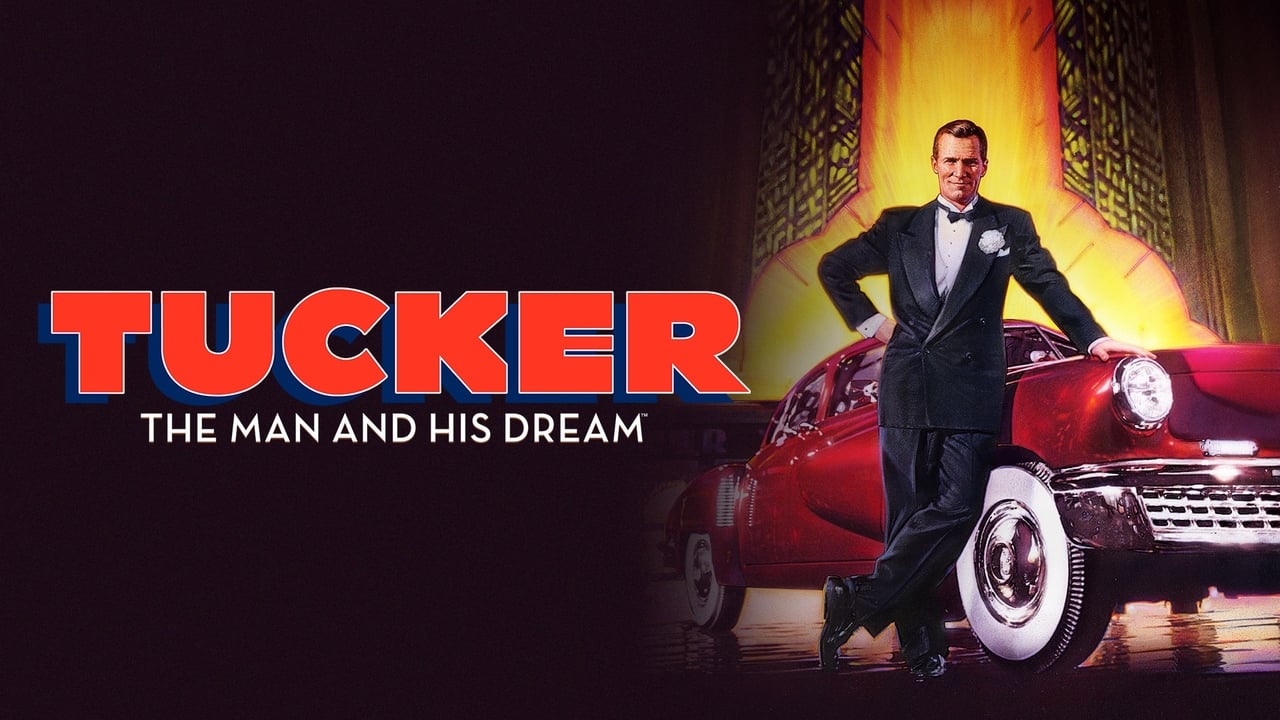
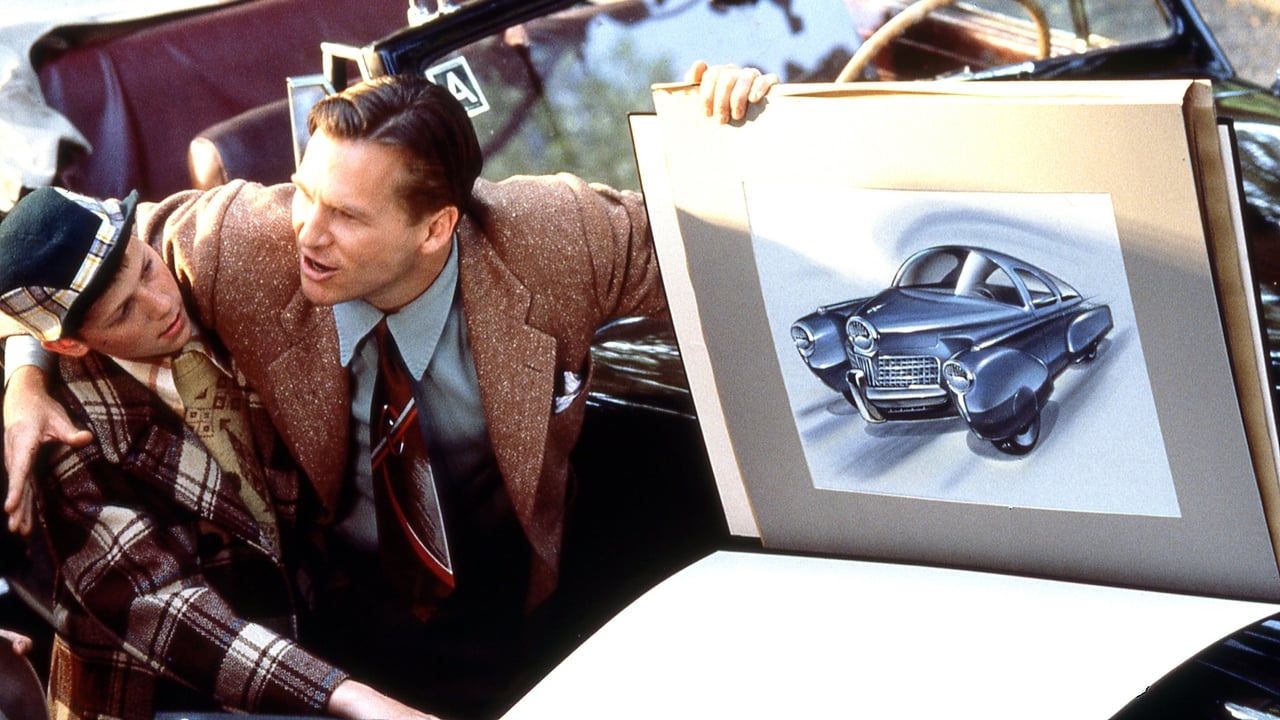
Coppola, working with legendary cinematographer Vittorio Storaro (who also shot Apocalypse Now), paints Tucker's world in vibrant, almost hyper-real colours. The film often feels like a lavish 1940s advertisement sprung to life, full of optimistic montages, dynamic wipes, and a generally upbeat tempo driven by Carmine Coppola's score. This aesthetic choice brilliantly mirrors Tucker's own public persona and the hopeful spirit of the post-war era he aimed to capture. The Tucker Torpedo itself, with its innovative safety features like seat belts (a novelty!), a padded dash, pop-out windshield, and a third directional headlight, is presented as a marvel, a tangible piece of the future. It’s fascinating to learn that only 51 Tucker ‘48s were ever actually produced before the company folded, and Coppola utilized many of the surviving vehicles for the film, including Tucker #1029 owned by his own family initially, and later acquired others, eventually using about 21 different original Tuckers for filming – a logistical feat in itself!
Yet, beneath this polished surface, Coppola subtly weaves the darker threads of corporate conspiracy and political maneuvering that ultimately crushed Tucker's dream. The film portrays the established automotive giants and their political allies (personified by Lloyd Bridges, Jeff's real-life father, in a brief but impactful scene as a powerful senator) as shadowy, almost monolithic forces determined to maintain the status quo. While some historical accounts debate the extent of a direct conspiracy, the film uses this conflict to explore timeless themes: the individual versus the system, the price of innovation, and the often-brutal realities of challenging entrenched power. Does the sheer force of one person's dream stand a chance against calculated opposition? The film leaves you pondering that question long after the credits roll.
### More Than Just Nostalgia
Watching Tucker on VHS back in the day, perhaps rented from a place like Blockbuster or a smaller neighborhood store, felt different. It wasn't the typical blockbuster fare. It had the gloss, the star power, but also a core of earnestness, almost a bittersweet quality. It celebrated American ingenuity while simultaneously serving as a cautionary tale. It’s a film Coppola reportedly wanted to make since the 1970s, perhaps seeing parallels between Tucker’s struggles and his own battles with studios over creative control and financing. The project finally came together under the wing of George Lucas (a longtime friend and collaborator since American Graffiti (1973)), who served as executive producer, offering Coppola a chance to realize this long-held vision after the director faced his own financial difficulties. You can feel that sense of personal investment, that desire to vindicate the dreamer.
The film might streamline some historical complexities for dramatic effect, presenting Tucker as perhaps more purely heroic than reality allowed, but its emotional truth resonates. It captures the excitement of invention, the warmth of family support, and the sting of seeing a bold vision thwarted not by failure of imagination, but by external forces. It’s a celebration of the attempt, even in the face of overwhelming odds.
Rating: 8.5/10
Tucker: The Man and His Dream stands as a beautifully crafted, passionately directed ode to the American innovator. Buoyed by a career-highlight performance from Jeff Bridges and masterful visual storytelling from Francis Ford Coppola, it transcends simple biography to become a resonant exploration of ambition, opposition, and the enduring power of a dream. It's a gleaming piece of late-80s cinema that feels both nostalgic and surprisingly relevant, reminding us that sometimes the most revolutionary ideas are the ones the world isn't quite ready for. What lingers most is that potent mix of sun-drenched optimism and the chilling undercurrent of systemic resistance – a truly American story.