It's funny how certain films lodge themselves in your memory, not necessarily because of explosions or catchphrases, but because of a quiet intensity, a feeling they leave behind long after the VCR clicked off. In Country (1989) is one such film. You might have picked up the box back in the day surprised, perhaps even slightly bewildered, to see Bruce Willis, then riding high on Moonstruck (1987) and Die Hard (1988) fame, looking world-weary on the cover, a far cry from John McClane. It wasn't the action blockbuster the video store aisles were overflowing with; instead, it offered something far more introspective, a heartfelt look at the ghosts of Vietnam haunting a small Kentucky town.
Echoes in Hopewell
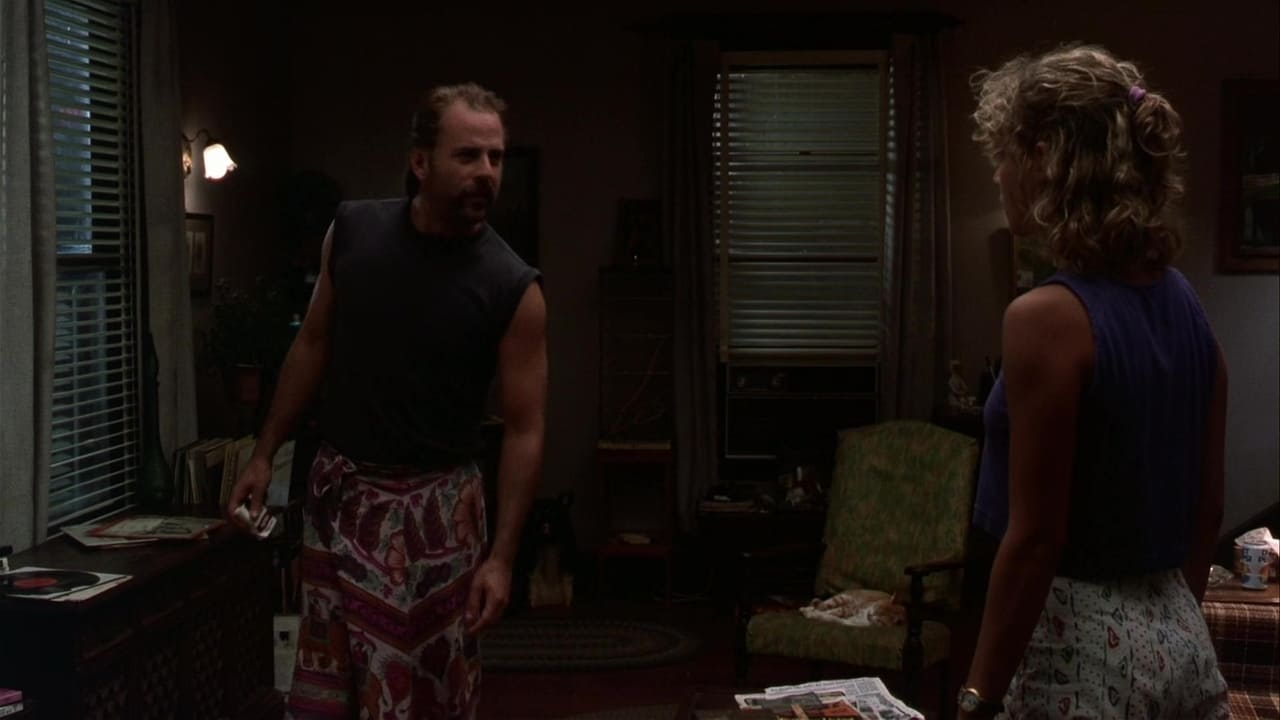
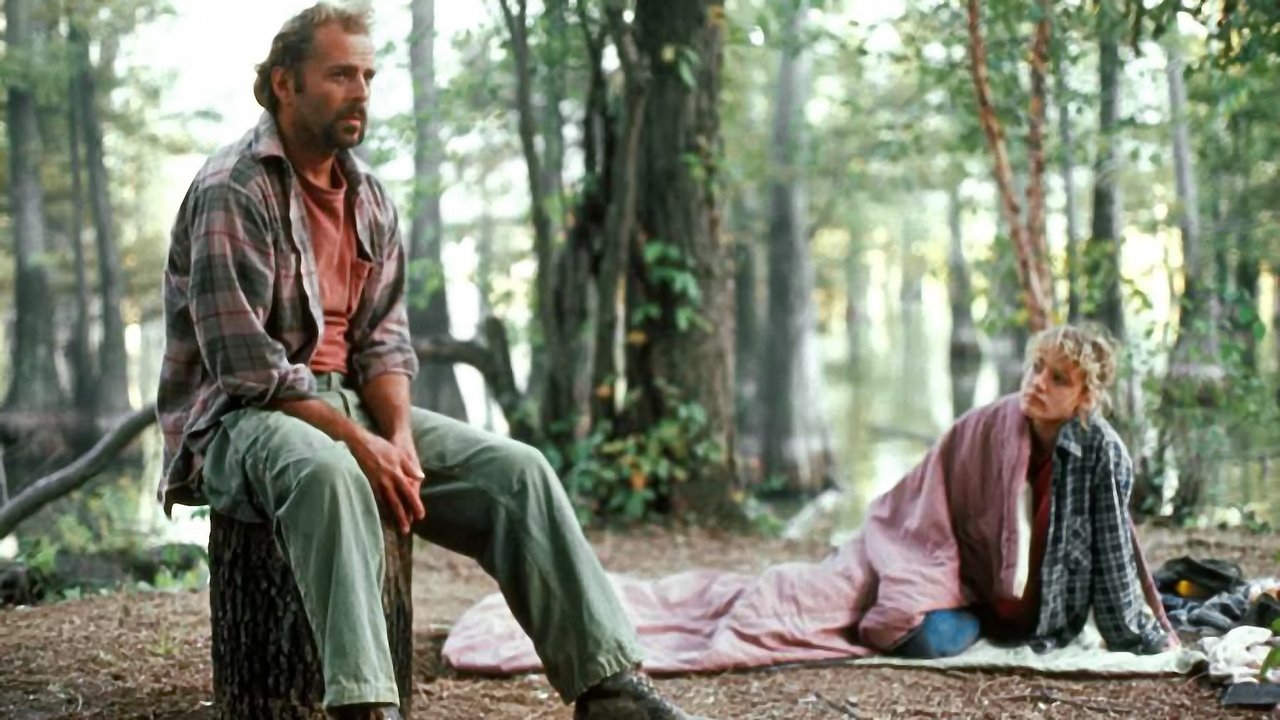
The film centers on Samantha "Sam" Hughes, played with electrifying, restless energy by the then-teenage British actress Emily Lloyd. Graduating high school in the fictional town of Hopewell, Sam is grappling with a past she never knew: her father, Dwayne, died in Vietnam before she was born. Her world is populated by lingering questions and the stoic silence of those who were there, particularly her uncle, Emmett Smith (Bruce Willis), a veteran still wrestling with profound post-traumatic stress disorder. Sam’s mother, Irene (Joan Allen), has moved on, remarried, and wants Sam to do the same, but Sam feels an almost primal need to connect with the father represented only by photos and carefully preserved letters. This central quest – understanding the war that shaped her family and her country – forms the film’s emotional core.
Against the Grain
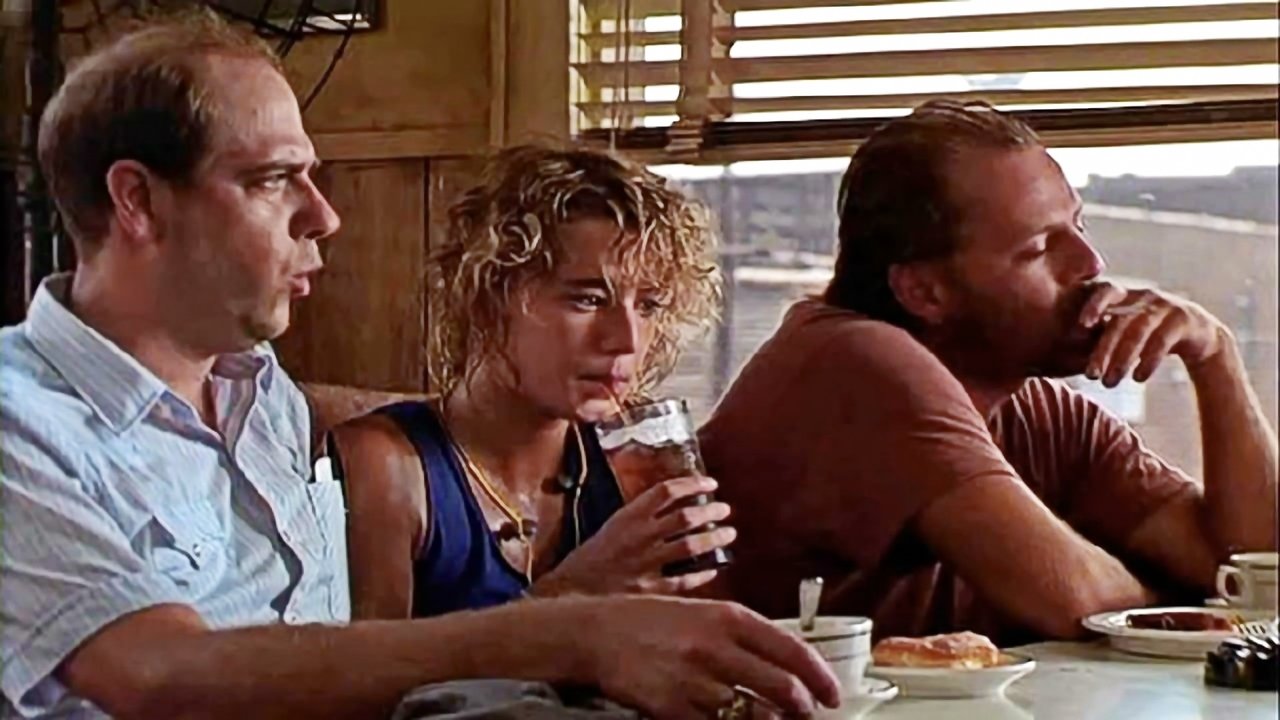
The casting of Bruce Willis as Emmett was a gamble that paid off beautifully. Fresh off becoming arguably the biggest action star on the planet, taking on this role was a deliberate pivot. Emmett isn't heroic in the conventional sense; he's damaged, withdrawn, often adrift. Willis strips away the smirk and swagger, delivering a performance of remarkable restraint. His Emmett is plagued by headaches, insomnia, and an inability to hold down a job or maintain relationships. He communicates volumes through stillness, through haunted eyes, and the occasional, painful burst of frustrated emotion. It’s a testament to his range, often overshadowed by his action persona, and a key reason the film resonates. Seeing him navigate Emmett’s quiet desperation felt like witnessing an actor actively challenging audience expectations, something you didn't always get from the era's biggest names. Reportedly, Willis pursued the role quite actively, drawn to the depth of the character and the chance to tackle serious dramatic material.
Alongside him, Emily Lloyd is a force of nature. Her performance captures the whirlwind of late adolescence – the awkwardness, the defiance, the burgeoning sexuality, and the deep, yearning vulnerability. Sam can be impulsive, even bratty, but Lloyd ensures we always understand the grief and confusion driving her actions. It's a captivating performance that feels authentic to the often-messy process of figuring out who you are, especially when shadowed by loss. And Joan Allen, as ever, brings a grounded sensitivity to Irene, portraying a mother trying to protect her daughter while navigating her own complex feelings about the past.
The Weight of Unspoken Things
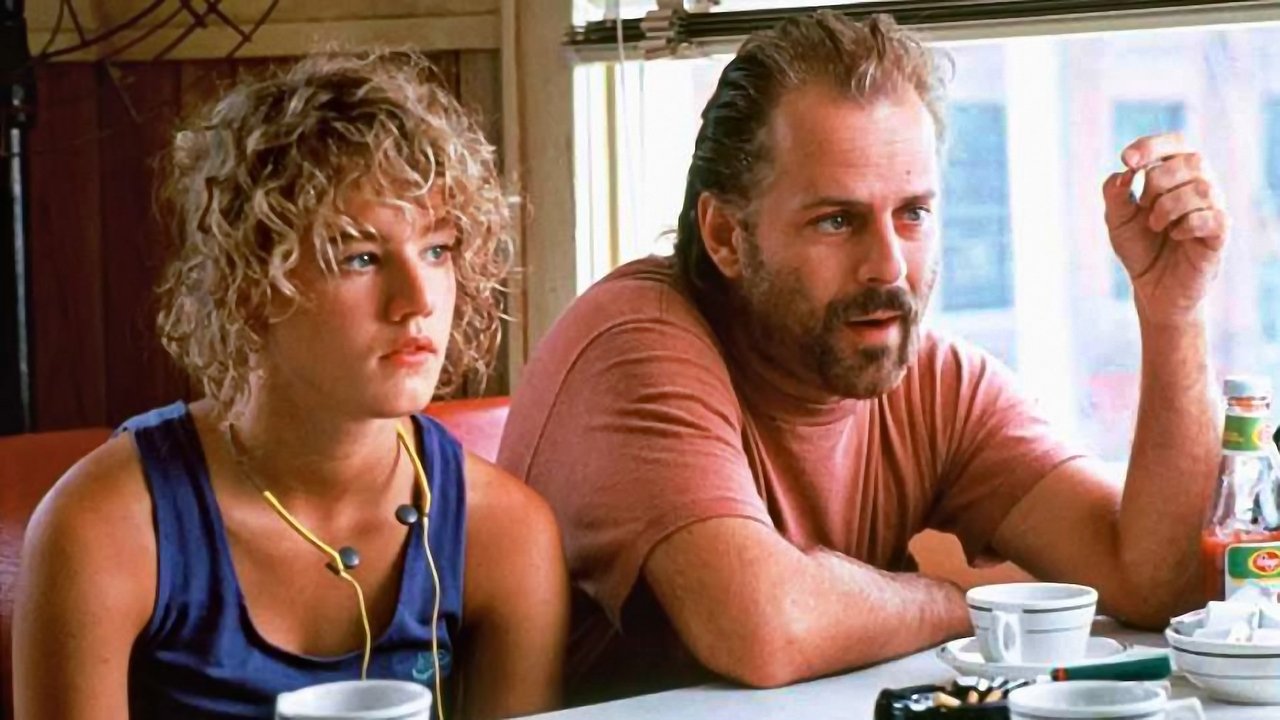
Directed by the veteran Norman Jewison, known for tackling socially conscious themes in films like In the Heat of the Night (1967), In Country handles its subject matter with grace and sensitivity. Jewison avoids sensationalizing the trauma, instead focusing on the quiet ripple effects of the war through everyday life in Hopewell. The screenplay, adapted by Frank Pierson and Cynthia Cidre from Bobbie Ann Mason's novel, excels at portraying the awkward silences, the generational disconnect, and the difficulty of articulating deep emotional wounds. How do you explain the inexplicable horrors of war to someone who wasn't there? How do you live with memories that refuse to fade? The film doesn't offer easy answers but explores these questions with profound empathy.
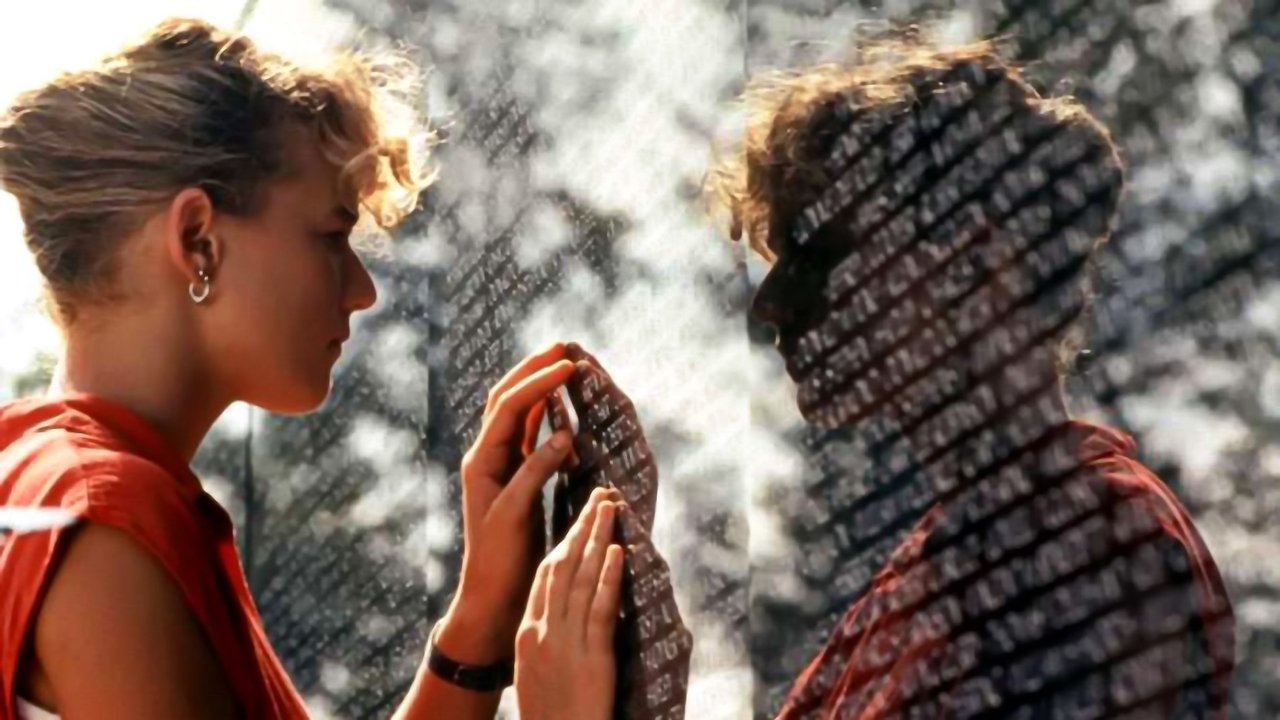
One fascinating production tidbit involves the film's poignant climax at the Vietnam Veterans Memorial in Washington D.C. The crew actually filmed at the real memorial, a location imbued with immense emotional weight. Capturing the scenes there required careful coordination and sensitivity, adding a layer of authenticity that enhances the film's impact. It’s a powerful sequence, allowing Sam, and by extension the audience, a space for reflection and connection.
A Quiet Place on the Shelf
In Country wasn't a massive box office hit – earning around $3.5 million domestically against a budget reported to be around $12 million. Perhaps its thoughtful pacing and somber themes made it a tougher sell amidst the louder films of the late 80s. Yet, its value lies precisely in its quiet dignity and emotional honesty. It felt like a necessary film then, offering a perspective often missing from more action-oriented Vietnam narratives – that of the families left behind, trying to piece together fragmented histories.
Watching it again now, the film feels refreshingly mature. It trusts the audience to sit with discomfort, to understand character through nuance rather than exposition. The late-80s setting is subtly rendered, avoiding caricature. It’s a film that respects its characters and their struggles, making their journey towards understanding, however incomplete, deeply affecting. Does it fully capture the complexities of PTSD or the veteran experience? Perhaps not entirely for everyone, but its portrayal feels sincere and rooted in human connection.
Rating: 8/10
This score reflects the film's powerful performances, particularly from Lloyd and the surprisingly effective Willis, its sensitive handling of a difficult subject, and Jewison's assured direction. It might move at a more deliberate pace than some viewers prefer, and its low-key approach meant it was somewhat overlooked, but the emotional core is strong and true. It earns its impact through subtlety and empathy, not melodrama.
In Country remains a potent reminder that the echoes of conflict linger long after the fighting stops, often in the quiet spaces between words, in the photos on a mantelpiece, and in the determined search for understanding across generations. It's a thoughtful gem from the VHS era, well worth revisiting.