It’s a strange thing, isn't it? How sometimes the most seismic shifts, the battles that define communities and challenge corporate Goliaths, happen quietly, almost invisibly, until someone refuses to look away. Erin Brockovich (2000) burst onto screens right at the turn of the millennium, perhaps feeling like one of the last great character-driven dramas many of us eagerly rented from the local video store shelf, maybe even as one of our first DVD purchases. It carried the DNA of the powerful, issue-driven films of the 90s but delivered a jolt of energy and star power that felt entirely fresh, reminding us that true stories, when told with conviction, often carry the most potent charge.
### The Force of Nature Named Erin
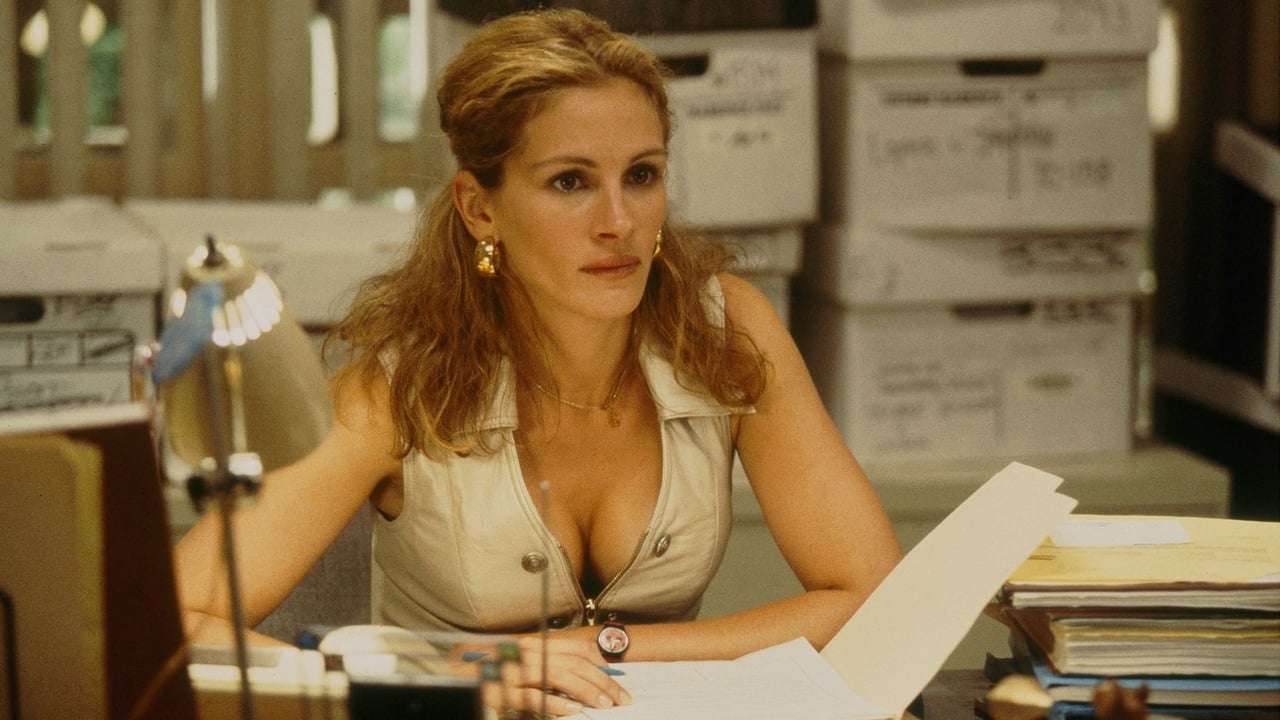
At the heart of it all is Julia Roberts, delivering a performance that wasn't just star-making; it was transformative. Forget the rom-com sweetheart; here was a force of nature – brash, underestimated, dressed in outfits that screamed defiance, yet driven by a fierce intelligence and an empathy that cut through every layer of cynicism. Roberts became Erin Brockovich, the twice-divorced mother of three struggling to make ends meet, who stumbles into a legal assistant job and then into evidence of contaminated water devastating the lives of families in Hinkley, California. What makes the performance so riveting, so utterly believable, is the absence of saintliness. Roberts allows us to see Erin's rough edges, her frustrations, her moments of doubt, but crucially, she never lets us lose sight of the unwavering core of righteousness fueling her fight. It's a portrayal devoid of vanity, grounded in the exhaustion and determination of a single mother fighting not just a corporation, but societal expectations. Is it any wonder this performance snagged her the Best Actress Oscar? It felt earned, profoundly so.
### Soderbergh's Subtle Craft

Directing this powerhouse performance is Steven Soderbergh, a filmmaker known for his stylistic versatility, from the indie cool of sex, lies, and videotape (1989) to the intricate crime tapestry of Ocean's Eleven (2001). Fresh off filming the complex Traffic (which he remarkably shot almost concurrently with this), Soderbergh brings a surprisingly restrained, almost invisible touch to Erin Brockovich. There are no flashy camera tricks or overt stylistic flourishes here. Instead, he focuses entirely on character and story, letting the performances breathe and the weight of the situation unfold naturally. The sun-drenched, slightly bleached look of the California setting grounds the film in a tangible reality, making the unfolding environmental crisis feel all the more immediate. Soderbergh trusts his actors and Susannah Grant's sharp, fact-based screenplay, allowing the inherent drama of the situation to carry the narrative. It’s a masterclass in serving the story, rather than imposing a directorial signature.
### Anchors in the Storm
While Roberts rightly dominates, the film is beautifully anchored by its supporting cast. The late, great Albert Finney as Ed Masry, the initially skeptical, world-weary lawyer who gives Erin her chance, is simply perfect. Their dynamic – a blend of exasperation, mutual respect, and burgeoning affection – forms the film's emotional backbone. Finney portrays Masry not as a white knight, but as a decent man gradually rediscovering his own convictions through Erin’s tenacity. And then there’s Aaron Eckhart as George, the gentle biker neighbour who becomes Erin’s supportive partner. In lesser hands, this character could have been a cliché, but Eckhart imbues him with warmth and quiet strength, providing a crucial personal anchor for Erin amidst the legal tempest. He represents the possibility of finding stability and acceptance, even when life feels overwhelming.


### Behind the Docket: Real Life on Screen
The film’s power is undeniably amplified by its basis in truth, and the production leaned into this authenticity. Soderbergh filmed scenes in and around Hinkley, adding a layer of verisimilitude. Die-hard fans know the real Erin Brockovich makes a delightful cameo as a waitress named Julia R. – a little wink to the audience. Perhaps less known is the sheer business clout Julia Roberts wielded by this point; her $20 million salary for the film was groundbreaking, the first time an actress commanded such a figure, marking a significant, albeit slow, step in Hollywood pay parity discussions. For a character-driven legal drama budgeted at around $52 million (about $91 million today), its massive $256 million+ worldwide gross (around $448 million adjusted) proved that audiences were hungry for intelligent, compelling stories about real-world struggles, especially those featuring an underdog taking on the system. It wasn’t just a movie; it felt like vindication.
### More Than Law: A Human Story
Ultimately, Erin Brockovich transcends the legal drama genre. Yes, the intricacies of the Pacific Gas and Electric case are laid out clearly and compellingly, making the scientific and legal details accessible without ever feeling dry. But the film resonates because it’s fundamentally about human dignity, environmental justice, and the refusal to be silenced. It tackles themes of class prejudice – how Erin's appearance constantly leads others to underestimate her – and celebrates the power of meticulous research and sheer persistence. What lingers most after the credits roll? Perhaps it's the uncomfortable truth about how easily corporate negligence can impact ordinary lives, but also the inspiring reminder that one determined individual, fueled by righteous anger and genuine compassion, can indeed move mountains. Doesn't that core message still resonate deeply today?

### Rating: 9/10
Erin Brockovich stands as a towering achievement of early 2000s cinema, carried by a career-defining performance from Julia Roberts and steered with intelligence and restraint by Steven Soderbergh. It expertly balances its powerful true story with compelling character work, making a complex legal battle feel intensely personal and universally resonant. The script is sharp, the supporting cast is superb, and the film’s core message about speaking truth to power remains incredibly relevant. It might have arrived just as VHS tapes were ceding ground to DVDs, but its spirit feels timeless – a potent reminder of cinema’s ability to champion the underdog and demand accountability.
It leaves you not just entertained, but perhaps a little more watchful, a little more aware of the quiet battles being fought just beyond our own front doors.