It’s hard to convey now, perhaps, just how quietly radical Philadelphia felt when it first appeared on video store shelves in 1994. We’d seen the headlines, the fear-mongering, the devastating human cost of the AIDS epidemic reported on the nightly news, often filtered through a lens of judgment or clinical detachment. But a major Hollywood studio film, directed by Jonathan Demme fresh off the chilling success of The Silence of the Lambs (1991) and starring Tom Hanks, America’s beloved everyman? That felt different. That felt significant. Slipping that tape into the VCR carried a weight beyond mere entertainment; it felt like witnessing a necessary cultural conversation finally breaking through into the mainstream.
More Than Just a Case
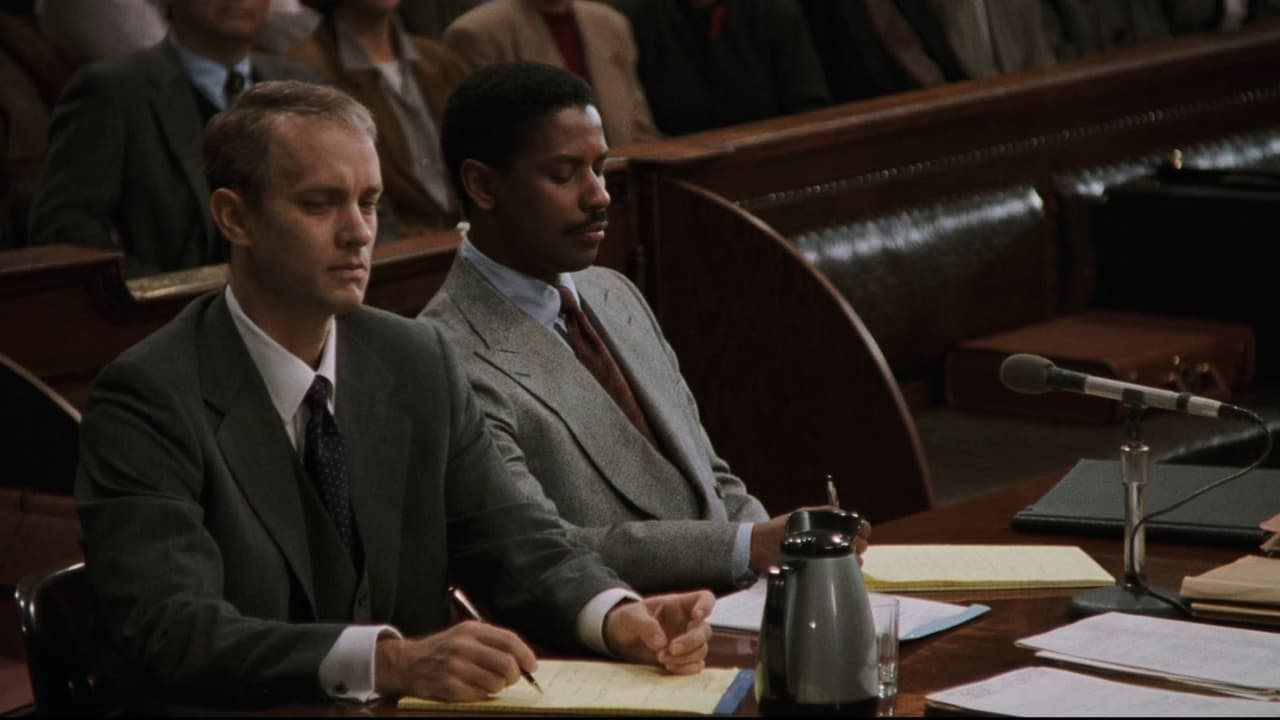
At its core, Philadelphia presents itself as a courtroom drama. Andrew Beckett (Tom Hanks), a promising senior associate at a prestigious Philadelphia law firm, is abruptly fired. The official reason is incompetence, but Beckett suspects the truth: his employers discovered he has AIDS and is gay. He decides to sue for wrongful dismissal, but finding legal representation proves almost impossible until he approaches Joe Miller (Denzel Washington), a personal injury lawyer initially hampered by his own homophobia and fear of the disease.
What unfolds is far more than a procedural. Writer Ron Nyswaner crafts a narrative that uses the legal battle as a framework to explore profound human questions about prejudice, dignity, empathy, and the devastating isolation wrought by illness and societal fear. The film doesn't shy away from the physical decline Beckett experiences, nor the casual cruelty and ignorance he faces, but it grounds these difficult realities in deeply personal moments.
A Study in Contrasting Courage
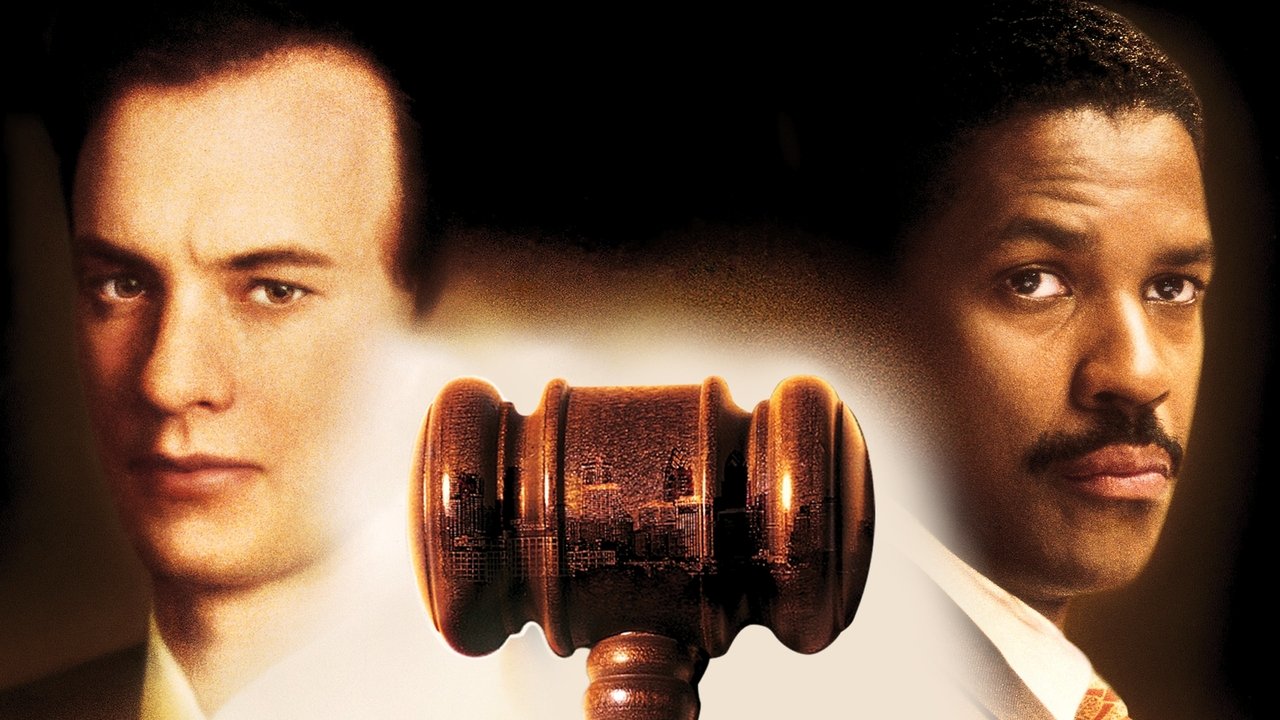
The casting here wasn't just effective; it was crucial. Tom Hanks, stepping away from the charming comedic roles that had defined much of his earlier career, delivers a performance of staggering vulnerability and quiet strength. His physical transformation – the significant weight loss, the visible lesions he allows the camera to capture – is viscerally affecting, but it’s the internal struggle etched on his face that truly resonates. Beckett’s determination to fight for his rights, even as his body weakens, is portrayed not as heroic defiance in the typical Hollywood sense, but as a fundamental assertion of his humanity. I recall reading about Hanks’s commitment, how he shed nearly 35 pounds, mirroring the real physical toll of the illness, adding a layer of authenticity that felt almost uncomfortably real on screen back then.
Equally compelling is Denzel Washington as Joe Miller. His character arc is arguably the film's emotional engine for the audience. Miller isn't presented as a crusader from the outset. He’s initially repulsed, fearful, embodying the societal biases many held at the time. Washington navigates this transformation with masterful subtlety. We see his discomfort, his gradual understanding, the dawning empathy as he interacts with Beckett and witnesses the injustice firsthand. His journey reflects the one the film hoped audiences would take – moving from fear and judgment towards compassion and understanding. The chemistry between Hanks and Washington is undeniable, a tense yet evolving connection that forms the film’s heart. Seeing these two powerhouse actors, both ascending to the height of their fame, share the screen was electric, even on a fuzzy CRT.
Demme's Empathetic Lens
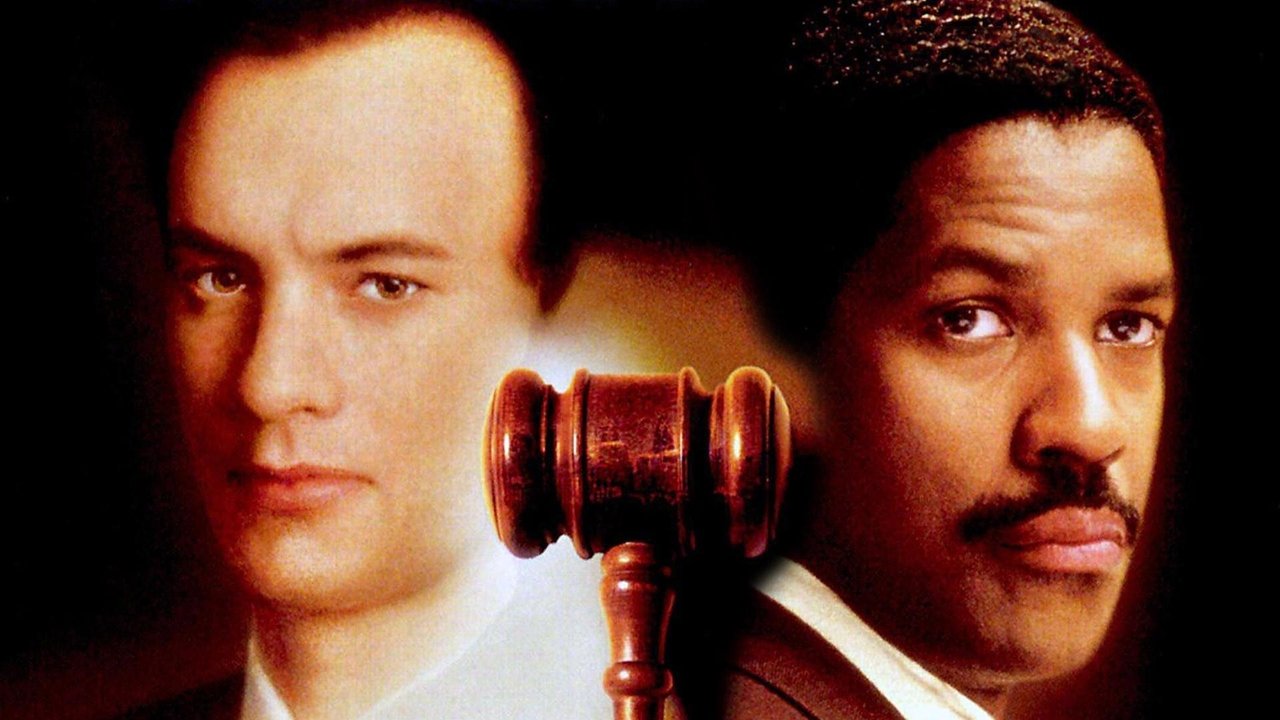
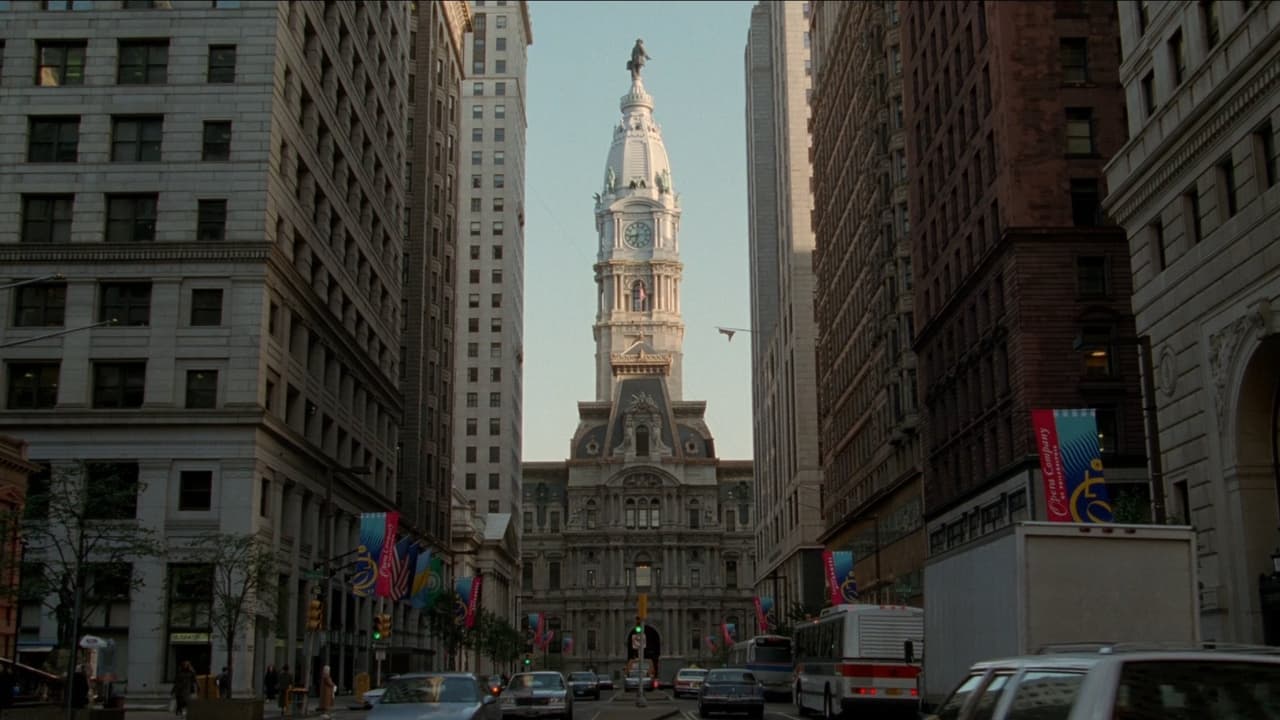
Jonathan Demme’s direction is masterful in its restraint and focus. Known for his expressive close-ups, he frequently fills the frame with his actors' faces, forcing us to confront their emotions directly. There’s an intimacy here that prevents the film from becoming overly clinical or didactic. He doesn't flinch from the ugliness of prejudice – the whispers, the averted gazes, the outright hostility – but he also finds moments of grace and connection.
One scene, in particular, remains indelibly etched in memory: Beckett, frail but filled with passion, describes Maria Callas singing the aria "La Mamma Morta." As the music swells, Demme lets the camera linger on Hanks' face, bathed in red light, lost in the music's tragic beauty. It’s a moment of pure cinematic transcendence, conveying more about Beckett’s inner life, his pain, and his appreciation for beauty in the face of death than pages of dialogue ever could. It reminds us that beneath the illness, beneath the legal battle, is a soul yearning for connection and understanding.
A Soundtrack That Spoke Volumes
You can’t discuss Philadelphia without mentioning the music. Howard Shore’s score is moving, but it was Bruce Springsteen’s haunting theme, "Streets of Philadelphia," that captured the zeitgeist. Winning the Academy Award for Best Original Song, it perfectly encapsulated the film’s melancholic yet resilient tone. Neil Young's closing track, "Philadelphia," added another layer of poignant reflection. These songs weren't just background noise; they were integral parts of the film's emotional impact, echoing long after the credits rolled and the tape was ejected.
Legacy in the Face of Fear
Watching Philadelphia today, some aspects might feel a little too neatly resolved, the courtroom scenes occasionally leaning into familiar tropes. Joe Miller’s transformation, while well-acted, happens perhaps a touch rapidly for pure realism. Yet, these are minor quibbles when considering the film's context and courage. In 1993, making a film like this – one that humanized victims of AIDS and directly confronted homophobia – was a significant risk for everyone involved. It grossed over $200 million worldwide against a $26 million budget, proving that audiences were ready, perhaps even desperate, for stories that tackled difficult subjects with compassion. It earned Hanks his first Best Actor Oscar, a testament to the power of his performance and the film's resonance.
It wasn’t the first film to address AIDS, but its mainstream reach and star power brought the conversation into living rooms in an unprecedented way. It encouraged empathy at a time when fear often dominated the discourse. Does it hold up? Absolutely. Its themes of justice, discrimination, and the search for human dignity remain painfully relevant.
Rating: 9/10
This score reflects the film's powerful performances, particularly from Hanks and Washington, Demme's sensitive direction, and its undeniable historical significance. While certain narrative elements follow familiar patterns, the emotional honesty and bravery in tackling such a difficult subject head-on in a major studio production make it a landmark film. Philadelphia wasn't just a movie; it was a cultural event, a necessary step forward in representation and understanding, and its power to move and provoke thought remains undiminished. It leaves you contemplating not just the legal battles, but the quiet, everyday battles for acceptance and dignity that continue long after the verdict is read.