Here we go, another spin on the VCR... or, well, another mental rewind back to the shelves of the video store. Some tapes practically jumped out with lurid covers, promising thrills or shocks. And then there were films like 1996’s The People vs. Larry Flynt – a movie whose subject matter might have seemed purely provocative on the surface, yet delivered something far more complex and, frankly, essential. It’s a film that doesn't just recount a life; it throws a gauntlet down about the very nature of freedom, asking us how far we're truly willing to go to defend it, especially when the person waving the flag is someone society readily despises.

### Beyond the Smut Peddler
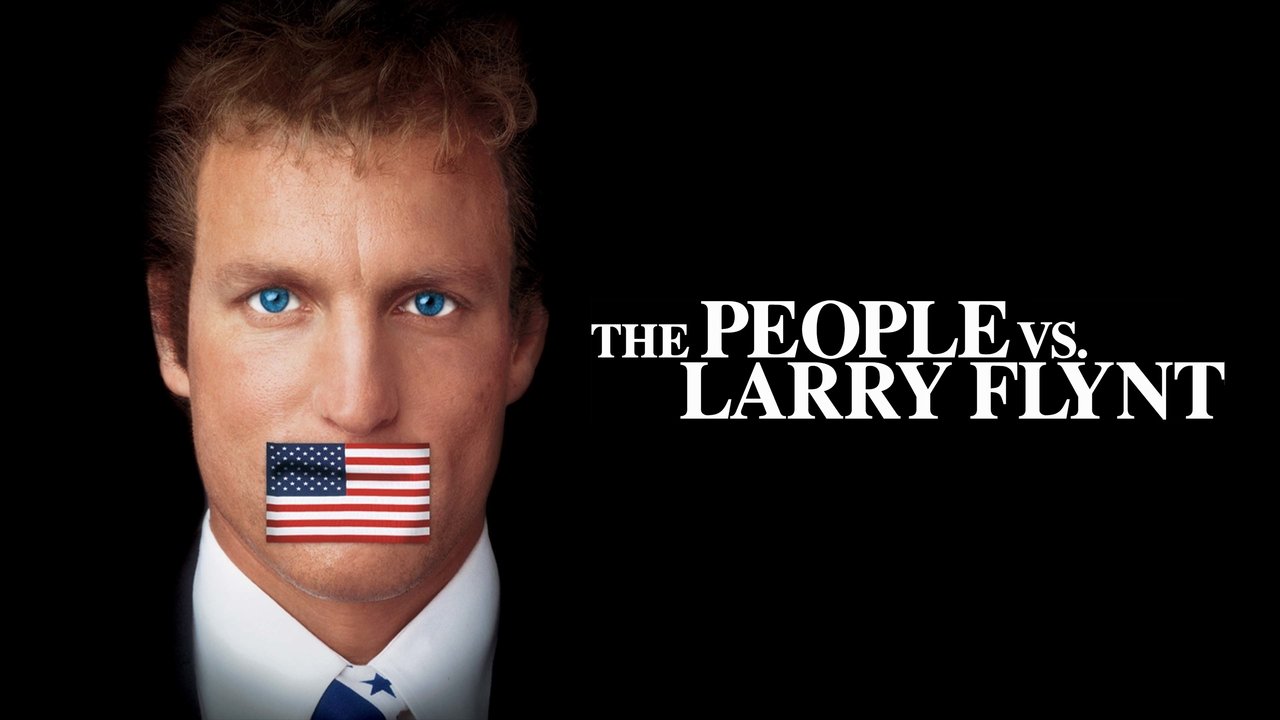
At its core, the film charts the improbable, often scandalous journey of Larry Flynt, portrayed with uncanny, transformative energy by Woody Harrelson. We see his rough-and-tumble beginnings, the launch of Hustler magazine, and the subsequent explosion of controversy and legal battles that defined his public life. But director Milos Forman, no stranger to championing the outsider against the system (One Flew Over the Cuckoo's Nest, Amadeus), elevates this beyond a simple biopic. Working from a sharp script by Scott Alexander and Larry Karaszewski (who practically cornered the market on fascinatingly flawed biographical subjects with films like Ed Wood), Forman frames Flynt’s story as a crucial, if deeply uncomfortable, battleground for the First Amendment. The film doesn't ask you to like Larry Flynt, but it demands you consider the implications of silencing him.
### A Career-Defining Turn and a Revelation
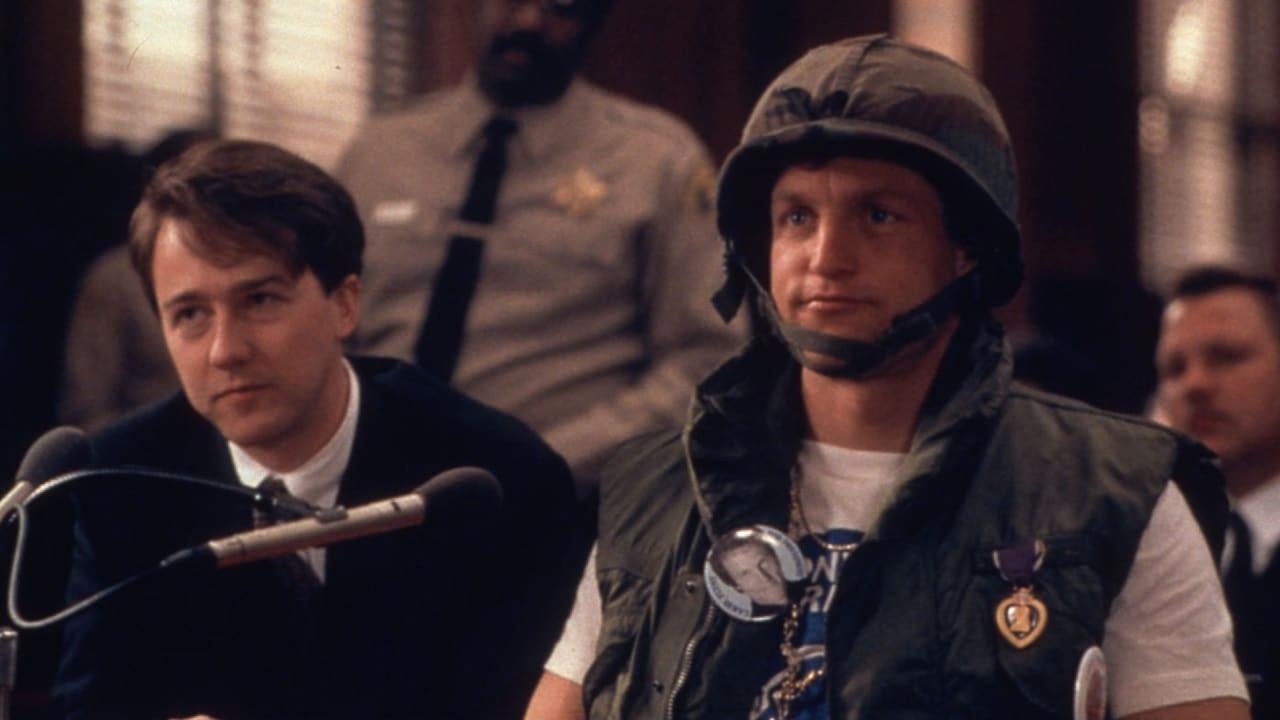
Let’s talk about Woody Harrelson. Before this, we knew him primarily from Cheers and films like White Men Can't Jump or the controversial Natural Born Killers. Reportedly, producer Oliver Stone initially envisioned Bill Murray for the role, a fascinating "what if," but Forman, struck by Harrelson's edgy performance in Killers, pushed for him. Harrelson himself apparently turned the role down several times. Watching the film, it's impossible to imagine anyone else. He doesn't just mimic Flynt; he embodies the man's abrasive charm, his crass opportunism, his surprising moments of vulnerability, and the sheer, stubborn defiance that fuels his legal crusades, even from the confines of his gold-plated wheelchair after a 1978 assassination attempt left him paralyzed. It’s a performance layered with contradiction, utterly convincing and earning Harrelson a well-deserved Oscar nomination.
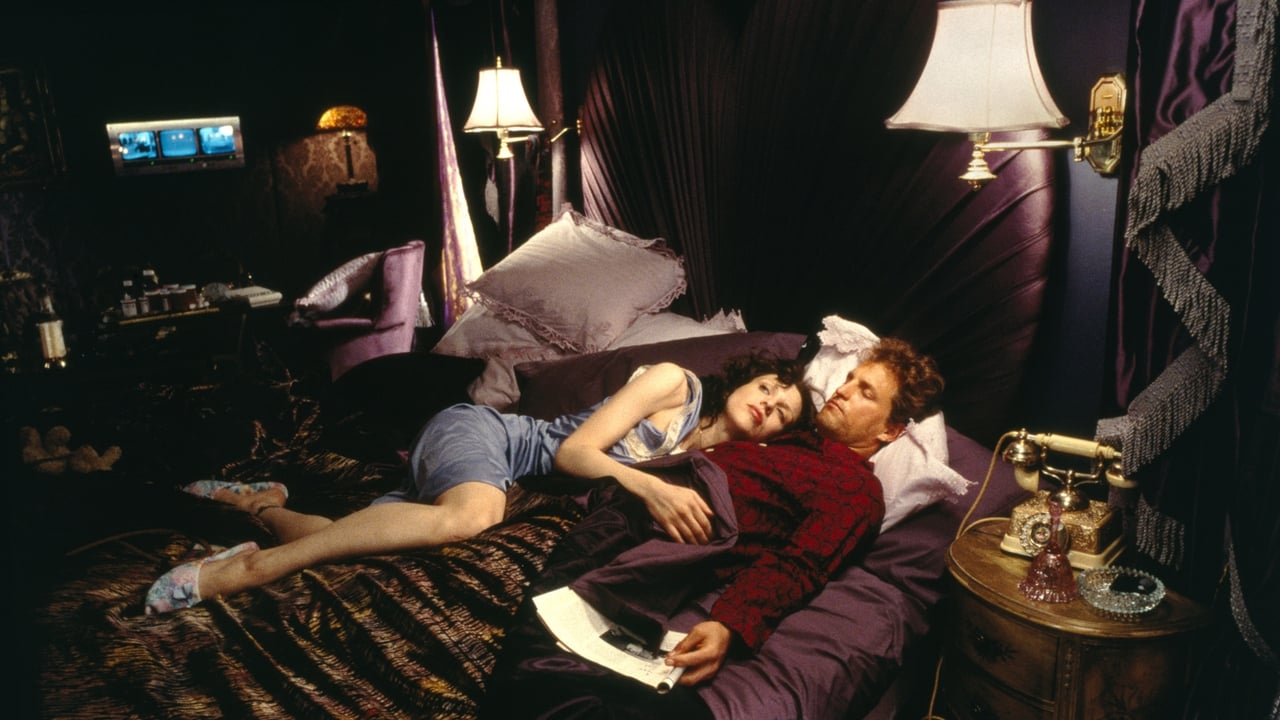
Equally revelatory is Courtney Love as Althea Leasure, Flynt's fourth wife and co-conspirator. In a role that could have easily become caricature, Love delivers a performance of raw, volatile honesty. Her Althea is fiercely loyal, deeply damaged, and tragically bound to Larry in a co-dependent storm of love and addiction. There's a desperate authenticity to her portrayal, perhaps informed by her own turbulent public persona, that is simply magnetic. She reportedly sent Forman an unsolicited audition tape, and her subsequent Golden Globe nomination felt entirely earned. Their relationship forms the messy, beating heart of the film – often uncomfortable, yet undeniably human. And rounding out the central trio is a young Edward Norton as Alan Isaacman, Flynt’s principled, initially reluctant lawyer. Norton provides the film's moral compass, grounding the outrageousness and representing the audience's own grappling with the complex legal and ethical questions at play.
### Wrestling with Uncomfortable Truths
Milos Forman directs with a steady, observant hand, refusing to shy away from the uglier aspects of Flynt's world or the often vulgar content of Hustler. Yet, he never sensationalizes for mere shock value. The courtroom scenes crackle with tension and absurdity, capturing the clash between Flynt's calculated provocations and the establishment's attempts to rein him in. One fascinating tidbit: Larry Flynt himself served as a consultant on the film and even made a cameo appearance as one of the judges presiding over his earlier cases – a surreal touch that adds another layer to the film's meta-commentary on image and reality.
The film wasn't without its real-world controversy, either. Prominent feminist Gloria Steinem, among others, criticized it for potentially glorifying Flynt and downplaying the harmful aspects of pornography, arguing that it sanitized his misogyny in service of the free speech narrative. It’s a valid point that deepens the conversation the film sparks: Where is the line between protected speech and harmful content? Can we defend the principle without endorsing the message? These aren't easy questions, and the film bravely forces us to confront them. Doesn't that discomfort signify a film doing something truly important?
Despite critical acclaim, including Oscar nominations for Harrelson and Forman, The People vs. Larry Flynt struggled at the box office, grossing around $20 million against a budget of approximately $35 million (that's roughly $37 million gross vs. $65 million budget today). Perhaps its challenging themes and controversial subject proved too much for mainstream audiences in '96. Yet, its power hasn't diminished. If anything, in today's landscape of online discourse, censorship debates, and cancel culture, its exploration of free speech feels startlingly relevant.
### The Verdict
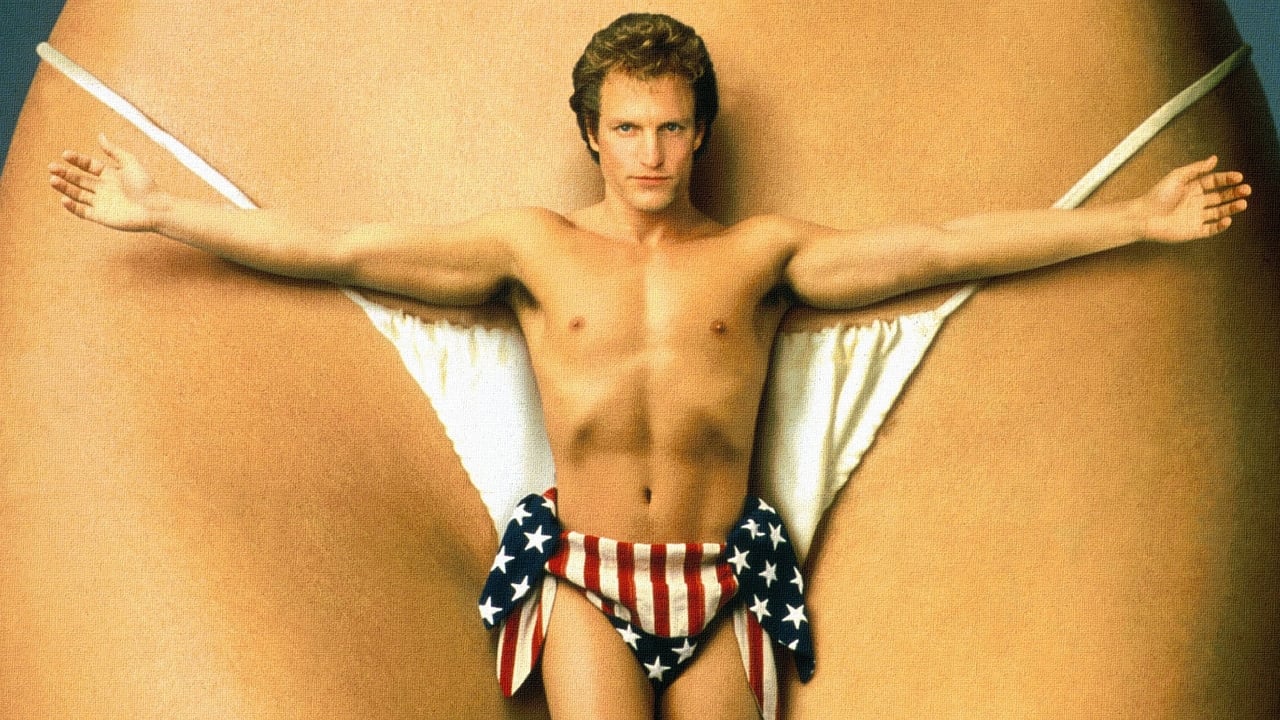
The People vs. Larry Flynt is more than just a biopic; it's a potent cocktail of courtroom drama, unconventional love story, and profound civic lesson, disguised in the lurid trappings of the pornography industry. Anchored by exceptional performances from Harrelson and Love, and guided by the humane intelligence of Milos Forman, it challenges, provokes, and ultimately defends a principle often taken for granted. It’s a film that reminds us that protecting freedom means protecting even the voices we find most objectionable. Rewatching it now, it feels less like a nostalgia trip and more like a necessary reflection.
Rating: 9/10
It’s a brilliant, complex film that uses a controversial figure to explore fundamental American values. The performances are outstanding, the direction is masterful, and its central questions linger long after the credits roll – a testament to filmmaking that dares to be difficult.