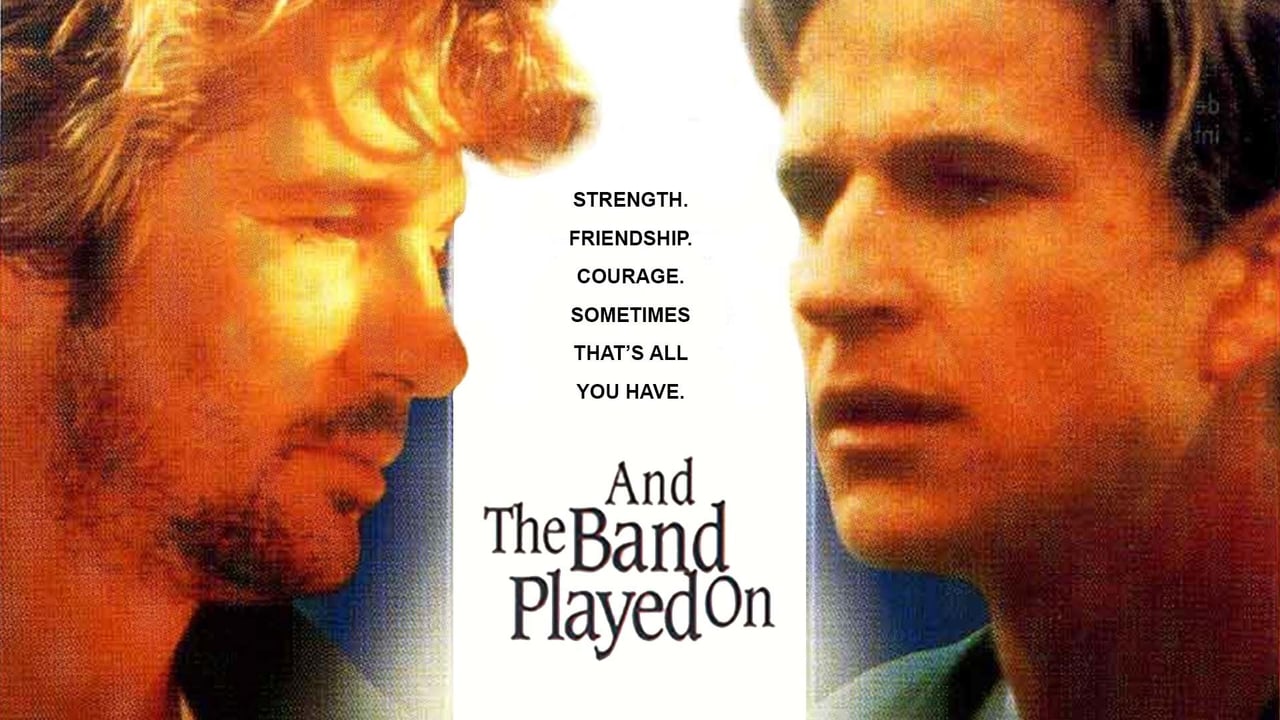
It's strange, isn't it, how some films lodge themselves not just in your memory, but somewhere deeper, resonating with a gravity that transcends mere entertainment? Watching Roger Spottiswoode’s And the Band Played On again after all these years – likely pulled from a shelf next to more escapist fare in the video store back in '93 or '94 – evokes exactly that feeling. This wasn't a blockbuster spectacle; its arrival on HBO felt more like a necessary, if sobering, public service announcement wrapped in the guise of a compelling drama. It tackled a subject many were still struggling to comprehend, let alone discuss openly: the terrifying emergence and initial handling (or mishandling) of the AIDS epidemic.
An Unfolding Nightmare, Recounted with Urgency
The film, based on the exhaustive non-fiction book by journalist Randy Shilts, doesn't flinch. It plunges us into the chaotic, confusing, and often infuriating early 1980s, following dedicated researchers at the CDC, like Dr. Don Francis (a driven, empathetic Matthew Modine), as they race against time, bureaucracy, and societal indifference to identify a mysterious killer. Spottiswoode, perhaps unexpectedly given his later work like Tomorrow Never Dies (1997), adopts a remarkably steady, almost journalistic approach. The narrative unfolds like a medical thriller, but the stakes are devastatingly real, the mounting death toll a constant, chilling presence in the background. There's an atmosphere of mounting dread, a sense that the characters are shouting into a void, their warnings lost amidst political maneuvering, budget cuts, and outright denial fueled by fear and prejudice.
A Constellation of Commitment
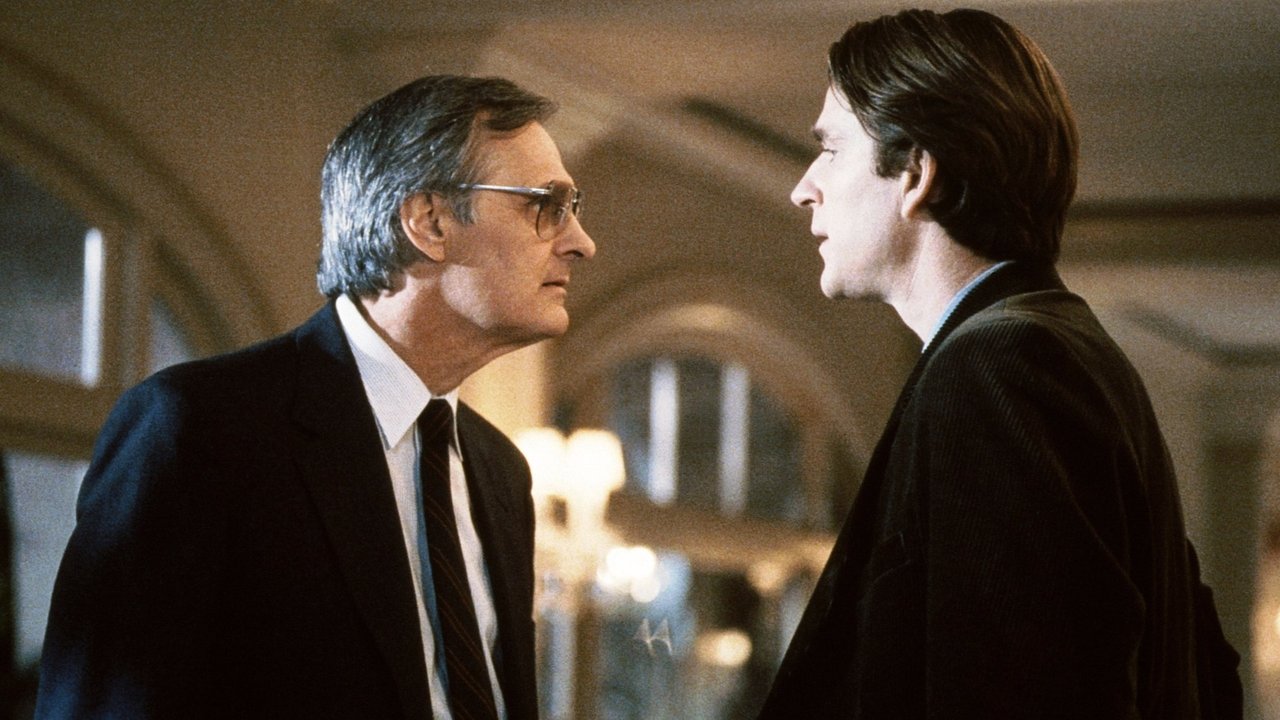
What truly elevates And the Band Played On beyond a mere historical recounting is its astonishing ensemble cast. It’s a veritable who's who of early 90s talent, and their collective presence speaks volumes. Modine anchors the film with his portrayal of Francis, capturing the frustration and determination of a scientist fighting institutional inertia. Opposite him, Alan Alda delivers a complex, perhaps controversial, turn as Dr. Robert Gallo, the ambitious virologist whose rivalry with French researchers becomes a significant subplot. Alda imbues Gallo with a prickly ego that makes the scientific competition feel intensely personal, adding another layer to the tragedy.
But the commitment extends throughout the cast. Ian McKellen, in a deeply moving performance, plays Bill Kraus, a gay rights activist grappling with the political and personal devastation unfolding within his community. Lily Tomlin, Richard Gere, Anjelica Huston, Phil Collins, Steve Martin, BD Wong, Saul Rubinek, Glenne Headly – the list goes on. Many of these prominent actors reportedly worked for union scale wages or donated their salaries to AIDS charities, a powerful behind-the-scenes testament to the importance they placed on telling this story. Their presence lends weight and humanity to the sprawling narrative, ensuring the individual stories aren't lost in the procedural detail.
Bringing a Difficult Truth to the Screen (Retro Fun Facts)
Getting And the Band Played On made was, itself, a protracted battle. Shilts's meticulously researched 1987 book was a landmark, but major Hollywood studios balked at adapting such a challenging and, at the time, still highly sensitive subject for the big screen. It took the backing of HBO to finally bring it to fruition, a move that felt significant in '93 – cable television tackling a story network TV likely wouldn't touch. Condensing Shilts's dense, 600+ page chronicle, which spanned years and continents, into a 140-minute film was a monumental task for screenwriter Arnold Schulman. While some complexities and nuances were inevitably streamlined (reportedly causing some friction with Shilts, who nonetheless ultimately supported the film's crucial message), the core urgency and the indictment of systemic failure remain powerfully intact. Tragically, Shilts himself succumbed to AIDS complications in February 1994, less than six months after the film premiered, making its existence feel even more vital.
More Than History, A Human Tragedy
This isn't just a docudrama meticulously ticking off dates and scientific breakthroughs. It’s a film about human fallibility: the deadly consequences of ego in the scientific community, the chilling effect of homophobia warping public health policy, the tendency of media and government to look away until a crisis is undeniable. It asks uncomfortable questions: What happens when fear trumps compassion? When political expediency outweighs saving lives? Doesn't the friction between Gallo's ambition and the collaborative spirit Francis champions reveal something fundamental about how progress (or its lack) occurs? The film’s quiet rage simmers beneath the surface, making its critique of the institutions and attitudes that allowed the epidemic to spiral all the more potent.
The decision to end the film with a photo montage of real individuals – famous and not – who were lost to AIDS, set to Elton John's "The Last Song," remains devastatingly effective. It transforms the preceding drama from a recounting of events into a poignant memorial, grounding the scientific and political struggles in the irreplaceable human cost.
The Verdict
And the Band Played On is not an easy watch, nor should it be. It's a demanding, intelligent, and deeply humane film that confronts a dark chapter with unflinching honesty. The stellar ensemble cast performs with conviction, embodying the dedication, frustration, and grief of those early years. While its TV movie origins might show in certain aspects of the production, its narrative power and historical importance are undeniable. It captured a specific, harrowing moment in time with clarity and compassion, serving as both an indictment and a necessary act of remembrance. Revisiting it now, it feels less like a retro artifact and more like a timeless cautionary tale about the crucial need for empathy, cooperation, and political will in the face of crisis.
Rating: 9/10 - A powerful, essential piece of filmmaking that tackles a difficult subject with intelligence and profound humanity, anchored by an incredible ensemble cast giving their all for a story that needed to be told. Its impact resonates long after the credits, and the faces in that final montage, fade. What lingers most, perhaps, is the chilling reminder of how easily indifference can become complicity.