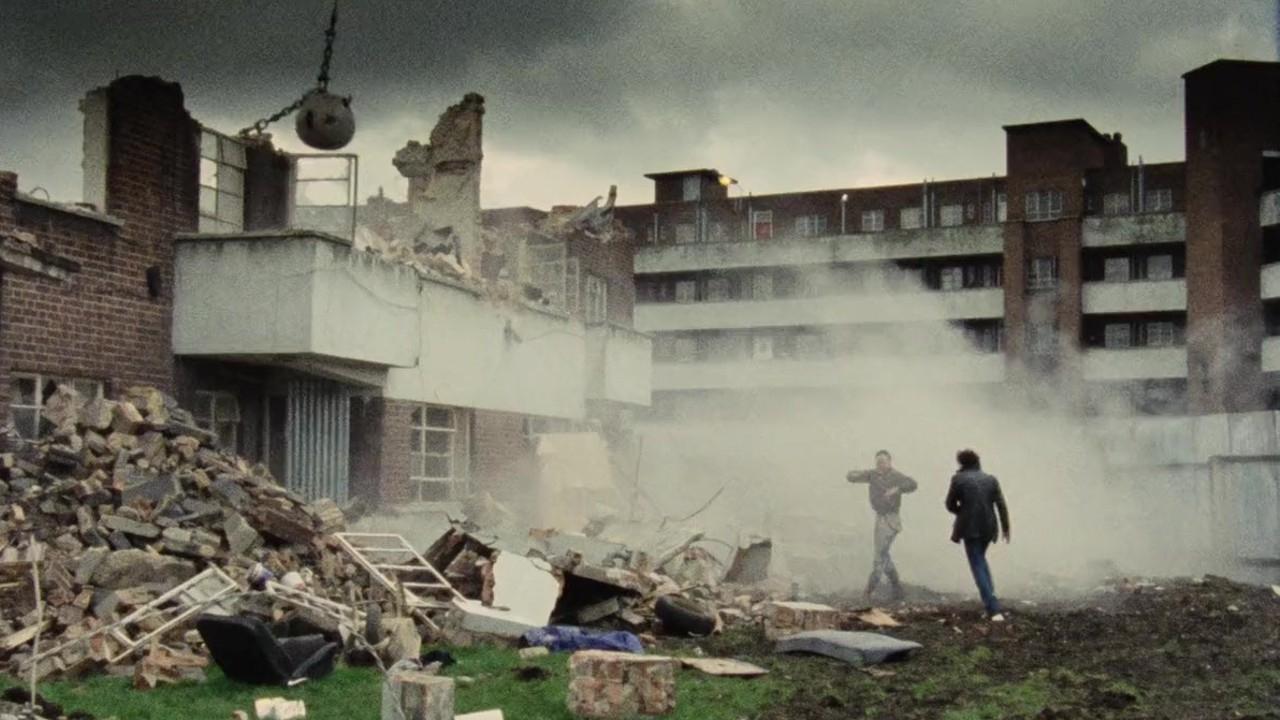
It begins not with a bang, but with the oppressive weight of stillness. Remember those grey, drizzly afternoons, flicking through channels, the feeling of time stretching out, thick and heavy? That's the space Mike Leigh's Meantime (1983) inhabits. Watching it again now, on a format far removed from its original Channel 4 broadcast or that worn rental VHS copy, the film conjures less a specific memory of first viewing, and more the feeling of that era – a certain damp, quiet desperation clinging to the edges of everything.
A Portrait of Waiting
Set against the backdrop of Thatcher's Britain, a landscape marked by shuttered factories and lengthening dole queues, Meantime drifts through the lives of the Pollock family in London's East End. There's Mark (Phil Daniels, already familiar from Quadrophenia (1979)), cynical and simmering with aimless frustration; his younger brother Colin (Tim Roth), painfully shy, possibly neurodivergent, navigating the world with a gentle bewilderment; their weary mum Mavis (Pam Ferris) and unemployed dad Frank (Jeff Robert). Their days are measured in visits to the unemployment office, listless hours spent in their cramped council flat, and awkward interactions with relatives who've managed to cling to a slightly higher rung on the social ladder – namely Mavis's sister Barbara (Marion Bailey) and her husband John (Alfred Molina). It's less a plot, more a meticulously observed study of inertia, of lives lived entirely in the 'meantime'.
The Leigh Touch: Finding Truth in the Mundane
What elevates Meantime beyond mere grim social commentary is Mike Leigh's signature process. This wasn't scripted in the traditional sense. Leigh famously develops his films through months of intensive improvisation with his actors, building characters from the ground up, discovering their histories, relationships, and modes of speech organically. You feel this method in every frame. The dialogue isn't exposition; it's the fumbling, repetitive, sometimes unintentionally cruel way real people talk when they have little to say but endless time to say it. It’s a testament to this process that the film, originally commissioned for television by Channel 4, possessed such raw power and authenticity that it secured a well-deserved theatrical release, eventually finding its way onto those video store shelves alongside very different 80s fare.
Sparks in the Grey: Unforgettable Early Turns
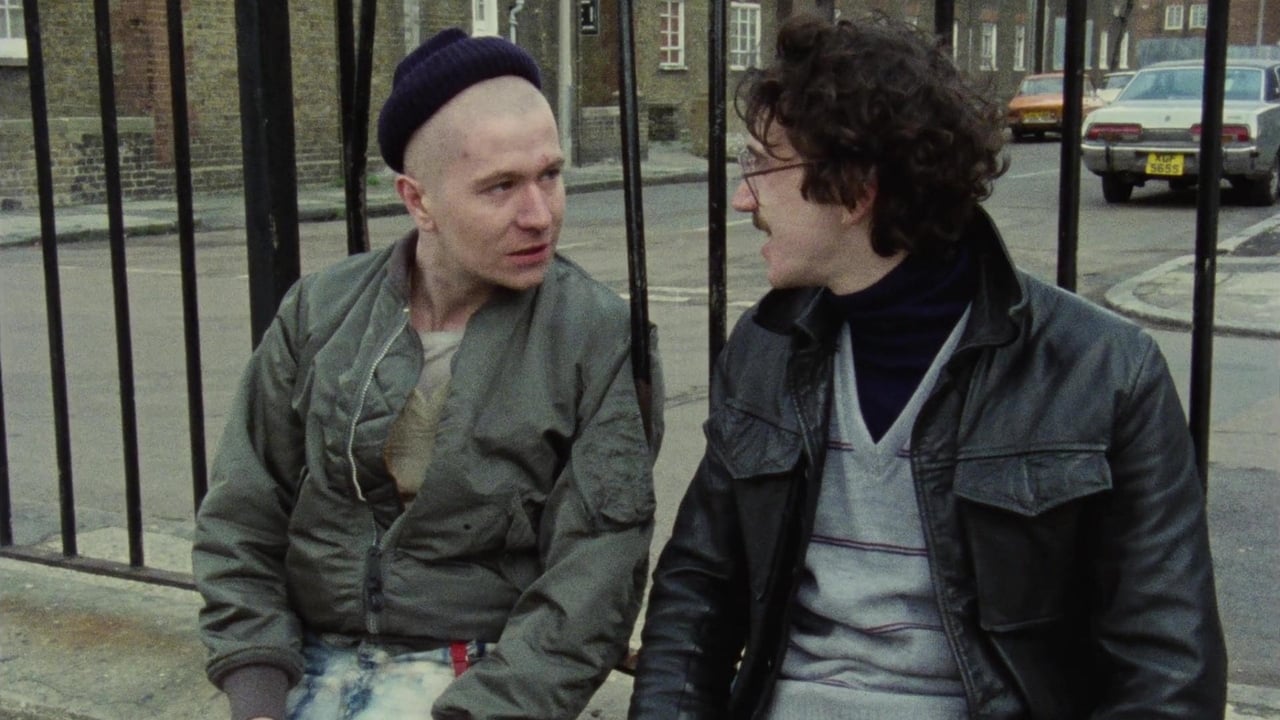
And the performances… oh, the performances. This film is an absolute treasure trove for spotting burgeoning talent. A young Tim Roth, in one of his very first screen roles, is simply astonishing as Colin. He embodies the character's vulnerability and quiet dignity with heartbreaking precision, never resorting to caricature. His hesitant movements, his struggle to articulate, his moments of almost unbearable social awkwardness – it’s a performance of profound empathy. Then there's Gary Oldman as Coxy, the volatile, swaggering skinhead who drifts in and out of the brothers' orbit. Even here, early in his career, Oldman crackles with that dangerous charisma, a tightly coiled spring of undirected energy and aggression. Seeing Roth and Oldman share scenes, these two future titans radiating such different, raw energies, feels like witnessing a seismic shift beginning in British acting. Phil Daniels provides the anchor of simmering resentment, while Pam Ferris and Marion Bailey expertly capture the complex dynamic between the sisters – a blend of familial obligation, pity, and barely concealed condescension.
Beyond the Kitchen Sink
While undeniably bleak, Meantime isn't just misery tourism. There are flashes of dark humour, born from the sheer absurdity of the situations, and moments of unexpected tenderness, particularly between the brothers. Leigh forces us to confront uncomfortable truths about class, aspiration (or lack thereof), and the quiet psychological toll of unemployment. The film doesn't offer easy answers or neat resolutions; it simply presents a slice of life, unvarnished and unflinching. The visual style reinforces this – the muted colour palette, the unglamorous East End locations (captured before widespread gentrification changed their character forever), the patient camerawork that allows scenes to unfold naturally. It feels less like watching a movie and more like observing neighbours through a slightly grimy window.
Remember renting this? It probably stood out on the shelf, didn't it? So different from the action blockbusters or colourful comedies. It was a different kind of commitment, a promise of something real, something that might stick with you long after the credits rolled. It certainly stuck with me. The authenticity achieved, likely on a modest TV budget, speaks volumes about the power of character-driven storytelling and Leigh's unique collaborative genius.
Rating: 9/10
Meantime is kitchen sink realism honed to a fine, sharp edge. It's a vital snapshot of a specific time and place, powered by Mike Leigh's singular method and elevated by extraordinary, career-launching performances. The film’s power lies in its refusal to look away, its insistence on finding the human drama within the crushing weight of enforced idleness. It doesn't just show unemployment; it makes you feel the slow erosion of spirit that comes with having nowhere to go and nothing to do, trapped perpetually in the meantime. It remains a profoundly moving, deeply unsettling, and utterly essential piece of British cinema.