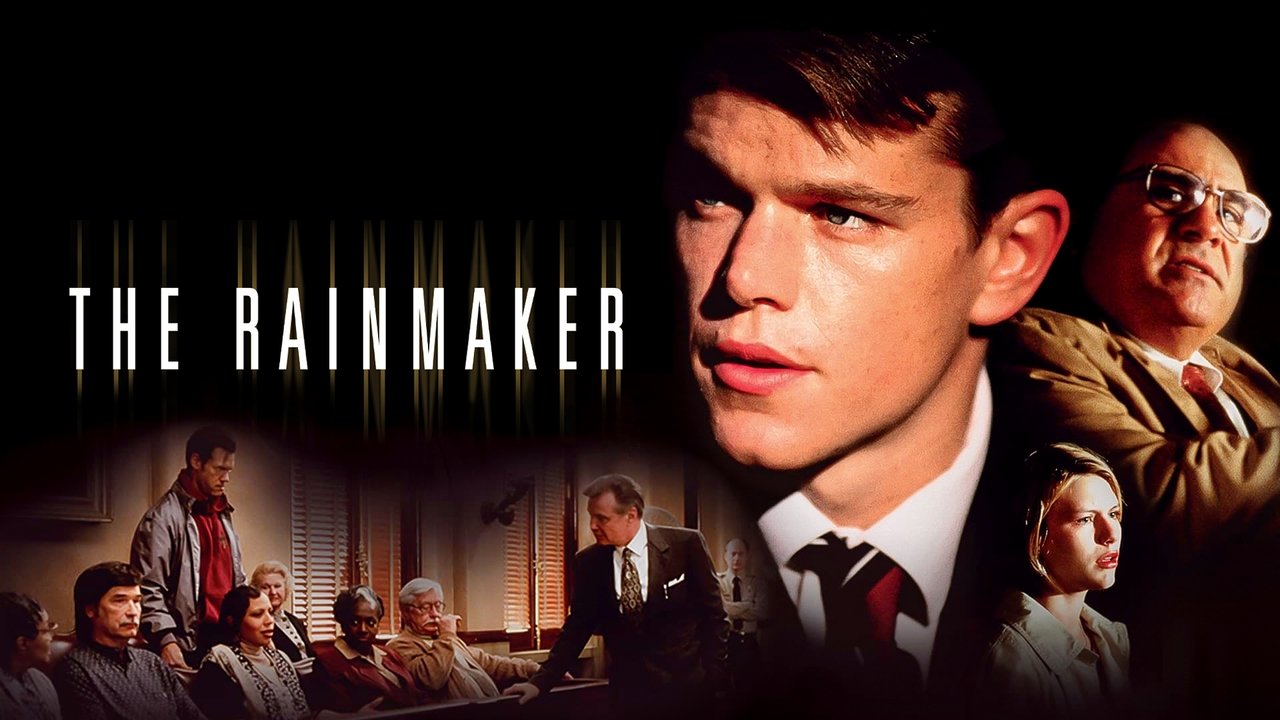
It's strange, isn't it, how certain genres seem to dominate an era? Back in the mid-to-late 90s, walking into Blockbuster or Hollywood Video often meant navigating a sea of legal thrillers, many bearing the name John Grisham. They were reliable rentals – slick, tense, often featuring big stars. But amidst the gloss of The Firm (1993) or The Pelican Brief (1993), one felt different. Quieter, perhaps. More grounded. The Rainmaker (1997), directed by none other than Francis Ford Coppola, carried a weight and sincerity that lingered long after the tape ejected.

A Different Kind of Legal Battle
We’re introduced to Rudy Baylor, played by a young, fresh-faced Matt Damon in what was technically his first leading role (filmed before Good Will Hunting (1997) catapulted him to superstardom later the same year, though released afterwards). Rudy isn’t a hotshot lawyer climbing the corporate ladder. He’s fresh out of law school, broke, idealistic, and desperate for work in Memphis. He lands a gig with J. Lyman "Bruiser" Stone (Mickey Rourke, wonderfully sleazy in a brief but memorable turn), a flamboyant ambulance chaser, and is partnered with Deck Shifflet (Danny DeVito), a cynical paralegal who failed the bar exam multiple times but possesses invaluable street smarts. It's DeVito, grounding the film with weary pragmatism and unexpected heart, who becomes Rudy's unlikely mentor. Remember DeVito from Twins (1988) or Batman Returns (1992)? Here, he brings a different kind of texture – less caricature, more lived-in resilience.
Their big case pits them against Great Benefit, a monolithic insurance company refusing to pay for a life-saving bone marrow transplant for a young man dying of leukemia. It’s the quintessential David vs. Goliath story, but Coppola, adapting Grisham's novel (and reportedly doing significant writing himself), imbues it with a palpable sense of frustration and empathy, avoiding the usual thriller pyrotechnics for something more character-driven.
Coppola's Grounded Approach
Seeing Coppola's name attached – the maestro behind The Godfather (1972) and Apocalypse Now (1979) – might have seemed surprising for a Grisham adaptation, especially after the fantastical detour of Jack (1996). Yet, his direction here is precise, observant, and deeply humanistic. He captures the sweaty, cluttered reality of storefront law offices and the sterile indifference of corporate boardrooms. The Memphis setting feels authentic, lived-in, thanks to Coppola's decision to shoot extensively on location. There's a deliberate lack of flashiness; the focus remains squarely on the people caught in the gears of the legal machine. It’s a testament to Coppola's versatility that he could shift from operatic grandeur to this kind of intimate, character-focused storytelling so effectively. It's said he took the project partly as a more straightforward assignment, but his craftsmanship elevates it beyond mere genre exercise.
The Emergence of a Star and a Stellar Ensemble
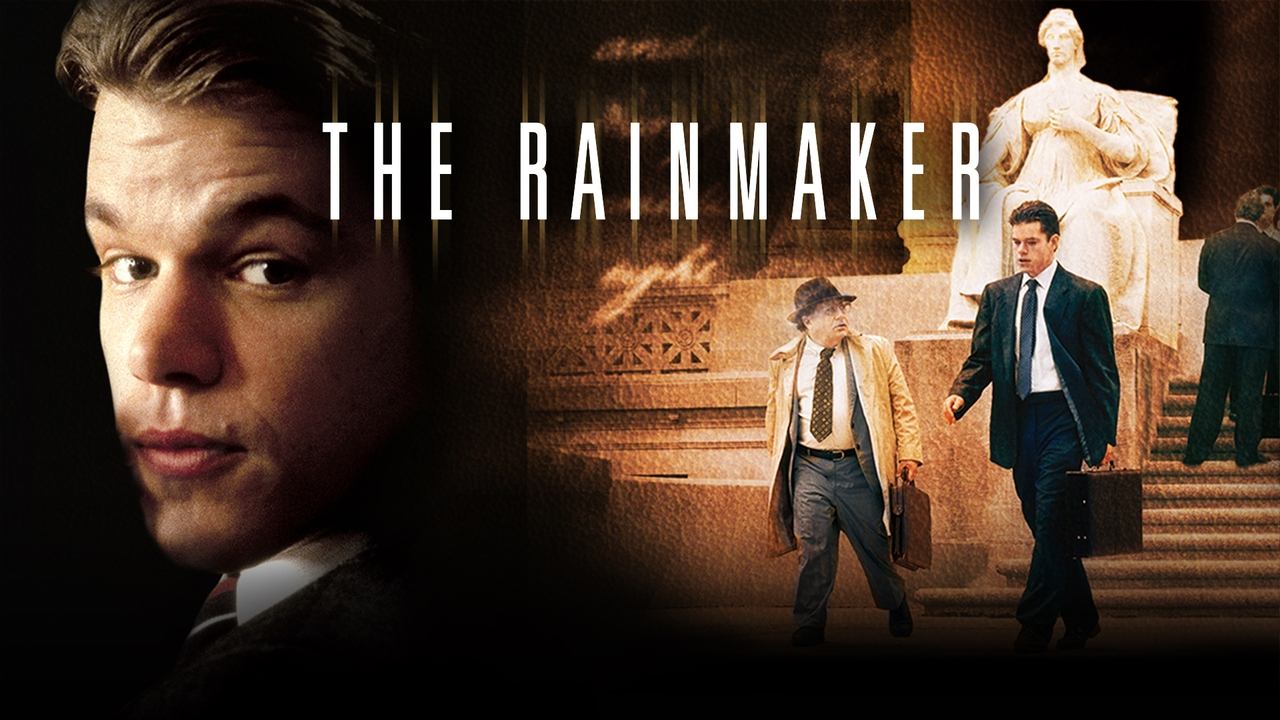
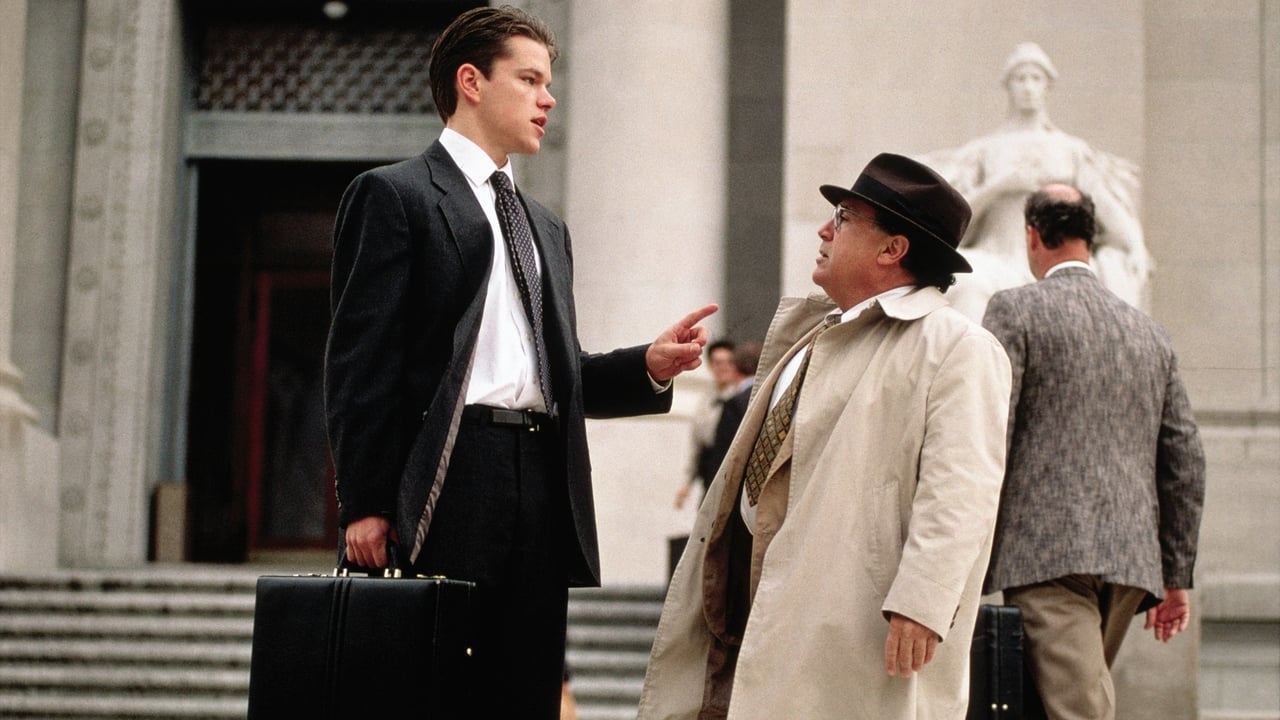
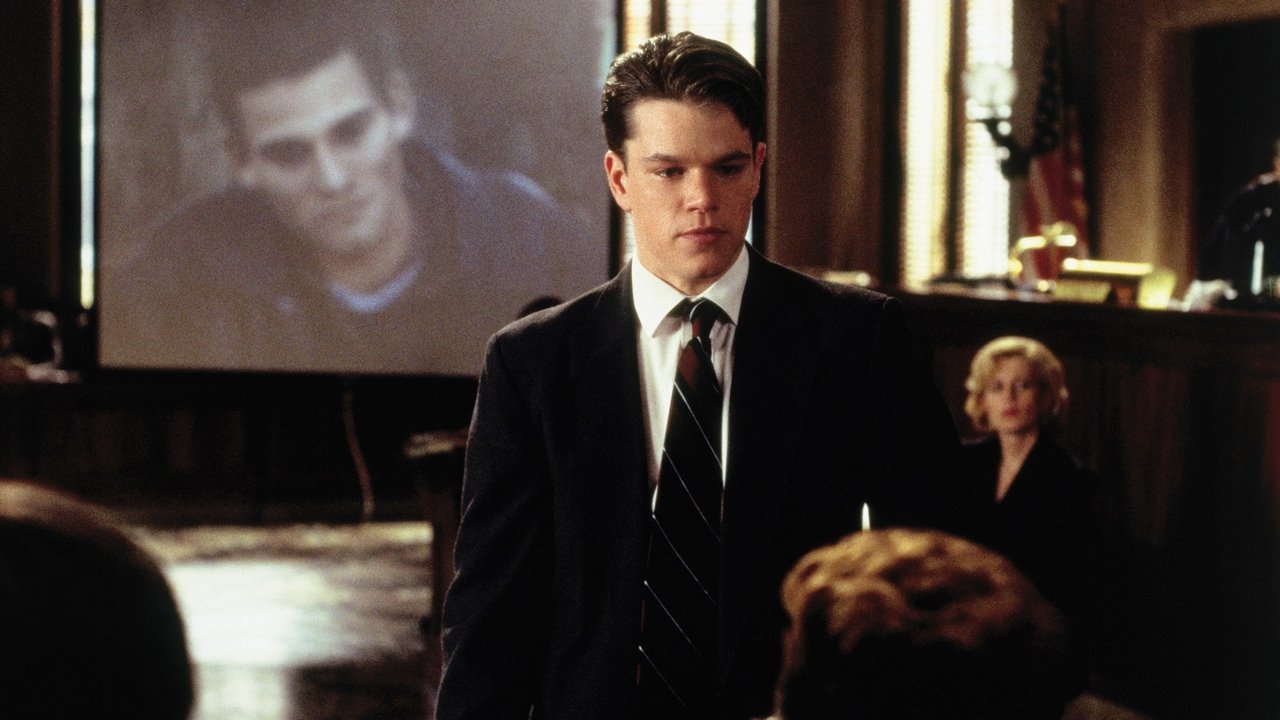
This film truly belongs to Matt Damon. His Rudy Baylor is all nervous energy, barely concealed idealism, and quiet determination. You see the weight of the world on his shoulders, the dawning realization of the system's inequities, and the burgeoning courage to fight back. It’s a performance built on subtlety rather than showboating, making Rudy incredibly relatable and sympathetic. Watching it now, knowing the massive career that followed, feels like witnessing the precise moment a star clicked into place. It’s fascinating to think that Edward Norton also auditioned for this breakthrough role.
The supporting cast is uniformly excellent. Jon Voight, decades after Midnight Cowboy (1969), sinks his teeth into the role of Leo F. Drummond, the smug, high-priced lead attorney for Great Benefit, oozing condescending charm and ruthless tactics. Claire Danes, fresh off Romeo + Juliet (1996), brings a fragile strength to Kelly Riker, a battered wife Rudy tries to help, adding another layer of human struggle to the narrative. And in her final film appearance, the legendary Teresa Wright (Shadow of a Doubt (1943), The Best Years of Our Lives (1946)) lends warmth and dignity as Miss Birdie, Rudy's eccentric landlady whose own legal troubles intersect with his journey. Each performance feels authentic, contributing to the film's lived-in quality.
More Than Just a Legal Thriller
While The Rainmaker delivers the expected courtroom tension and legal maneuvering, its heart lies in its exploration of justice, morality, and the soul-crushing cynicism bred by corporate greed. It asks profound questions: What is the cost of doing the right thing? Can one person truly make a difference against an entrenched system? The film doesn't offer easy answers, acknowledging the personal toll such battles take. The relatively modest budget (around $40 million) and subsequent box office (around $45 million worldwide) perhaps reflect its less commercial, more character-driven nature compared to its Grisham contemporaries, but its quality endures.
I remember renting this one, probably on a recommendation, expecting another competent legal drama but finding something richer. It lacked the overt slickness of The Firm but possessed a deeper resonance. It felt like a film made with care, focused on telling a human story within the framework of a legal battle. It’s the kind of solid, well-acted, thoughtfully directed drama that became a staple of a good movie night back in the VHS days – reliable, engaging, and leaving you with something to think about.
Rating: 8/10
This rating reflects the film's exceptional performances, particularly Damon's star-making turn and DeVito's grounding presence, Coppola's assured and humanistic direction, and its compelling, character-driven take on the legal drama formula. It skillfully blends suspense with genuine emotional weight, making it one of the standout John Grisham adaptations and a truly satisfying piece of 90s cinema.
What lingers most, perhaps, isn't just the courtroom victory, but the quiet integrity of its protagonist and the unsettling realization that sometimes, even winning feels like a kind of loss. A truly rewarding gem from the shelves of VHS Heaven.