The reflection shatters, not with a crash, but with a sickening squelch. That's the promise, perhaps the threat, of Lucio Fulci's 1988 descent into domestic depravity, Touch of Death (originally Quando Alice ruppe lo specchio - When Alice Broke the Mirror). Forget the gothic grandeur or supernatural dread that marked classics like The Beyond (1981); this is horror scraped from the bottom of the barrel, filmed under the flat glare of fluorescent lights, reeking of cheap cologne and something far, far worse. It’s a grimy little artifact from the later days of the VHS boom, the kind of tape you might have rented on a dare, its lurid cover art whispering promises of forbidden sights.

A Portrait of Decay
At the heart of this sordid affair is Lester Parson, played with a chillingly mundane monstrosity by the veteran Brett Halsey. Halsey, a familiar face from countless European genre films and even Fulci's own slightly more polished giallo The Devil's Honey (1986), embodies a particular kind of middle-aged monster. Lester isn't a cackling maniac; he's a balding, paunchy psychopath who finances his gambling addiction by murdering lonely, wealthy women. He’s fastidious in his gruesome work, meticulous in his disposal methods, yet utterly consumed by his own pathetic desires. Halsey commits fully, never shying away from the character's inherent repulsiveness, making Lester feel disturbingly grounded even amidst the film's escalating absurdity. Doesn't that banal evil somehow feel more unsettling than a supernatural phantom?
The Maestro's Late-Career Carnage
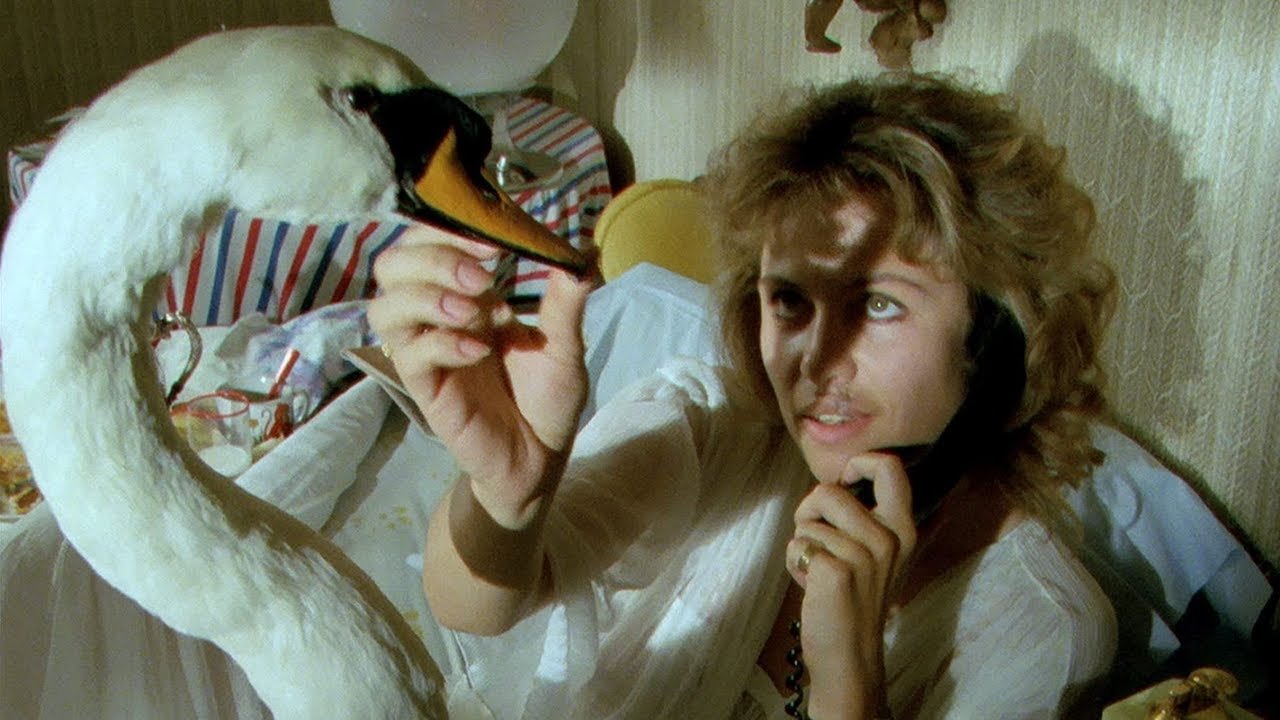
By 1988, Lucio Fulci, the Italian 'Godfather of Gore', was operating far from the resources he had in his heyday. Touch of Death was part of the I maestri del thriller ("Masters of Thrills") series, a collection of films produced rapidly and cheaply, intended for the Italian television and burgeoning home video market. This context is crucial. The seams show: the flat lighting, the often uninspired locations, the sometimes distractingly dubbed dialogue (a standard practice, but noticeable). Yet, even with limitations that would cripple lesser directors, Fulci's grim preoccupations remain stubbornly intact. There's a palpable sense of weariness, perhaps mirroring Fulci's own reported frustrations during this period, but also an undeniable, almost defiant commitment to visceral horror. He seems determined to prove that even on a shoestring budget, he could still make your stomach churn.
Grue and Grindhouse Glare
And churn it does. Let's be blunt: Touch of Death is infamous for its gore. Forget subtlety; Fulci piles on the viscera with an almost gleeful abandon. This wasn't sophisticated cinematic suggestion; it was a direct, messy assault, often achieved with practical effects that range from the surprisingly effective to the charmingly crude. Remember the shock of seeing such explicit carnage on a fuzzy CRT screen back in the day? This film delivers that in spades. There's a notorious sequence involving a chainsaw and a bathtub that feels designed purely to test the limits of the viewer's endurance. Another victim meets a particularly nasty end involving boiling water and dissolving flesh.
Perhaps most legendary (or infamous) is the dinner sequence, where Lester prepares a truly unspeakable meal. It's grotesque, darkly comedic in the most uncomfortable way possible, and feels like Fulci sticking a middle finger up at good taste and cinematic convention. It's the kind of scene that cemented Fulci's reputation among gorehounds, demonstrating his unique ability to blend the utterly repellent with a strange, almost operatic intensity. Reportedly, the effects, often handled by Franco Casagni during this period, were achieved through sheer, bloody-minded ingenuity, stretching minimal resources to maximum repulsive effect.
Sleaze, Synthesizers, and Lingering Unease
Beyond the explicit gore, the film cultivates an atmosphere of pervasive sleaze. The world Lester inhabits feels cheap, transient, and morally bankrupt. The score, often a generic late-80s synth affair, occasionally hits a note of genuine unease but mostly serves as functional background noise. The film lacks the visual poetry of Fulci's best work, trading haunting atmosphere for a more direct, almost documentary-style depiction of suburban horror. It’s ugly, and intentionally so. It doesn't aim for scares in the traditional sense, but rather a lingering feeling of discomfort, of witnessing something profoundly unpleasant unfold.
Final Reckoning: A Minor Work for Major Stomachs
Touch of Death is undeniably minor Fulci. It's rough around the edges, hampered by its budget, and features supporting performances that are… functional at best. It lacks the narrative drive or thematic depth of his earlier masterpieces. However, for dedicated Fulci completists and connoisseurs of extreme Italian horror from the VHS era, it holds a certain grubby fascination. It's an unflinching look at a repellent character, punctuated by moments of truly outrageous gore that still have the power to shock. It’s a testament to Fulci’s singular, uncompromising vision, even when filtered through severe limitations. You don't watch Touch of Death for nuanced storytelling; you watch it for the spectacle of decay, served up raw and bloody.
Rating: 4/10
(Justification: While Brett Halsey delivers a committed performance and the gore effects achieve a certain notorious impact true to Lucio Fulci's style, the film is severely hampered by its low budget, uneven pacing, flat visuals, and generally weak production values. It’s a marginal recommendation, primarily of interest to hardcore Fulci fans and gore aficionados prepared for its specific brand of unpleasantness.)
Final Thought: It might not be Fulci's finest hour, but Touch of Death remains a potent, grimy reminder of just how nasty mainstream horror could get when the Maestro was let off the leash, even a very short, cheap one.