The screen flickers, the tracking lines shimmer for a second, and then… chaos. Not the creeping dread of a haunted house, nor the sleek tension of a stalker thriller. No, what assaults the senses is something else entirely: the frantic, blood-drenched psyche of a filmmaker drowning in his own horrific creations. Lucio Fulci’s A Cat in the Brain (1990, also known as Nightmare Concert) isn’t just a horror film; it feels like a raw, desperate confession smeared directly onto celluloid, a movie that claws its way into your memory with jagged edges.
### The Maestro's Descent
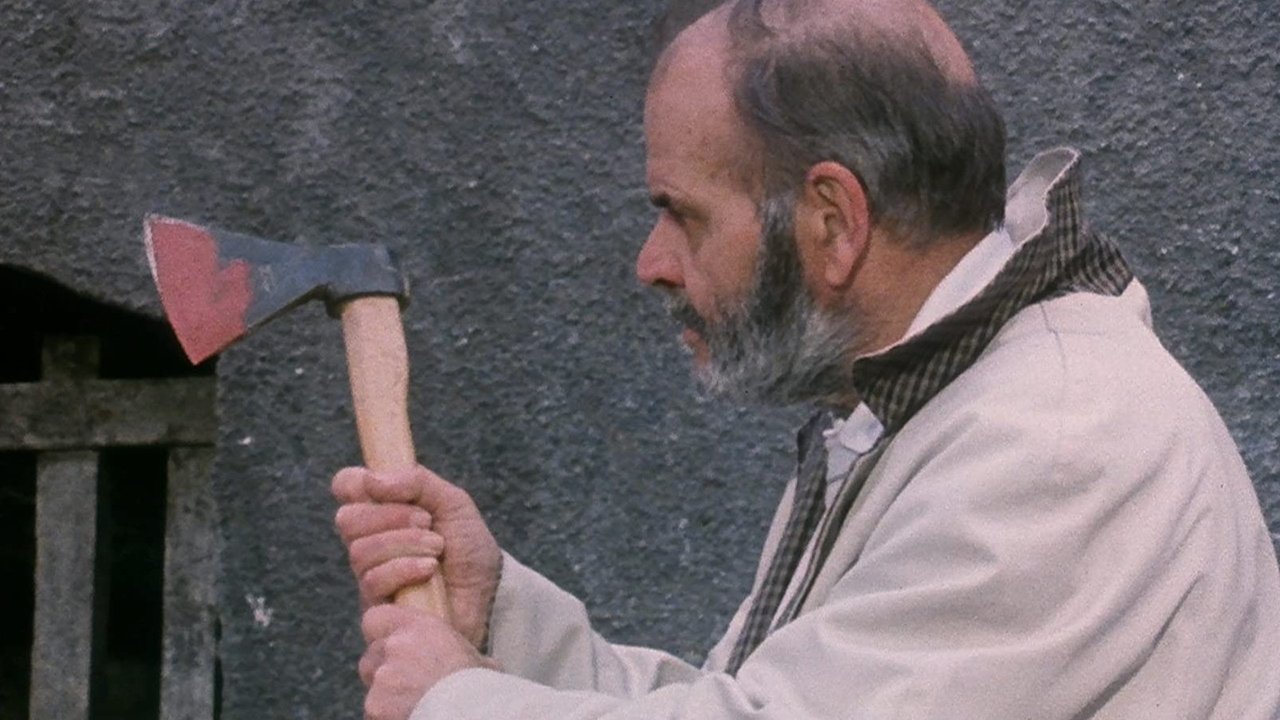
Imagine being the 'Godfather of Gore', a director whose name is synonymous with some of the most outrageously graphic sequences ever committed to film – think the eye-gouging in Zombi 2 (1979) or the spider onslaught in The Beyond (1981). Now imagine those very images bleeding into your reality, the staged carnage echoing in your mind until you can no longer distinguish cinematic illusion from homicidal impulse. This is the nightmare inhabited by Lucio Fulci, playing a fictionalized, tormented version of himself. Plagued by violent hallucinations mirroring the gore he orchestrates on set, Fulci becomes convinced he's turning into a real-life serial killer. His quest for sanity leads him to the seemingly sympathetic psychiatrist Professor Egon Schwarz (David L. Thompson), a decision that, in true Fulci fashion, only deepens the spiral into madness and murder.
### A Symphony of Slaughter (and Stock Footage)
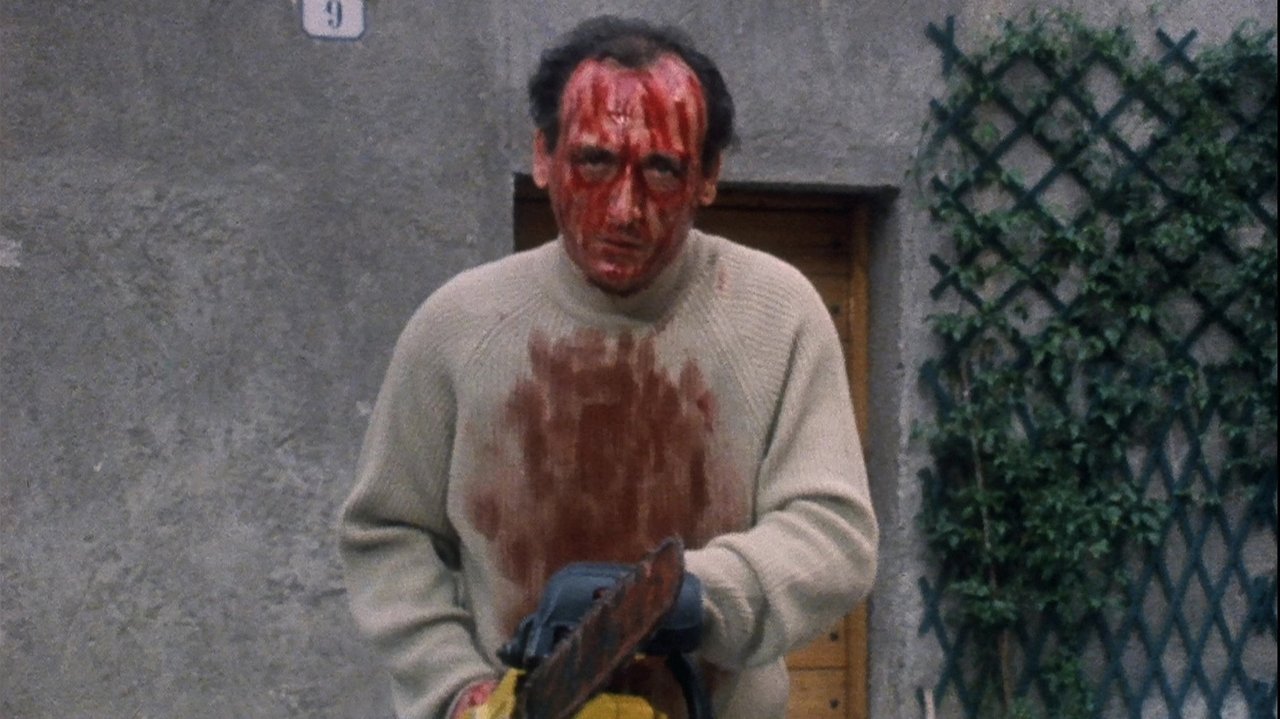
Let's be blunt: A Cat in the Brain is infamous for its gore, and rightfully so. The film unleashes a relentless barrage of stabbings, decapitations, chainsaw eviscerations, and general bodily destruction that pushes the limits of even the most hardened gorehound. What makes it uniquely fascinating, however, is how much of this carnage was achieved. Facing severe budget limitations late in his career, Fulci and his producers made the audacious decision to heavily incorporate graphic footage from several unreleased or obscure horror films Fulci had recently worked on, primarily the shot-on-video shockers Touch of Death (1988) and Ghosts of Sodom (1988), along with snippets from other projects like Massacre (1989).
Rather than feeling like a cheap cheat, this cinematic cannibalism lends the film a strangely disjointed, almost dreamlike quality. The shifts in film stock and visual style between Fulci's newly shot framing narrative and the visceral inserts enhance the sense of his fracturing psyche. It’s as if his past cinematic sins are literally bubbling up to contaminate his present reality. Some might call it lazy filmmaking; I prefer to see it as a bizarrely effective, budget-conscious stroke of meta-genius, turning production constraints into a thematic statement. It’s a technique that feels uniquely suited to the anything-goes world of late-80s/early-90s Italian horror often discovered on those murky VHS tapes.
### Fulci Plays Fulci: Art Imitating Strife?
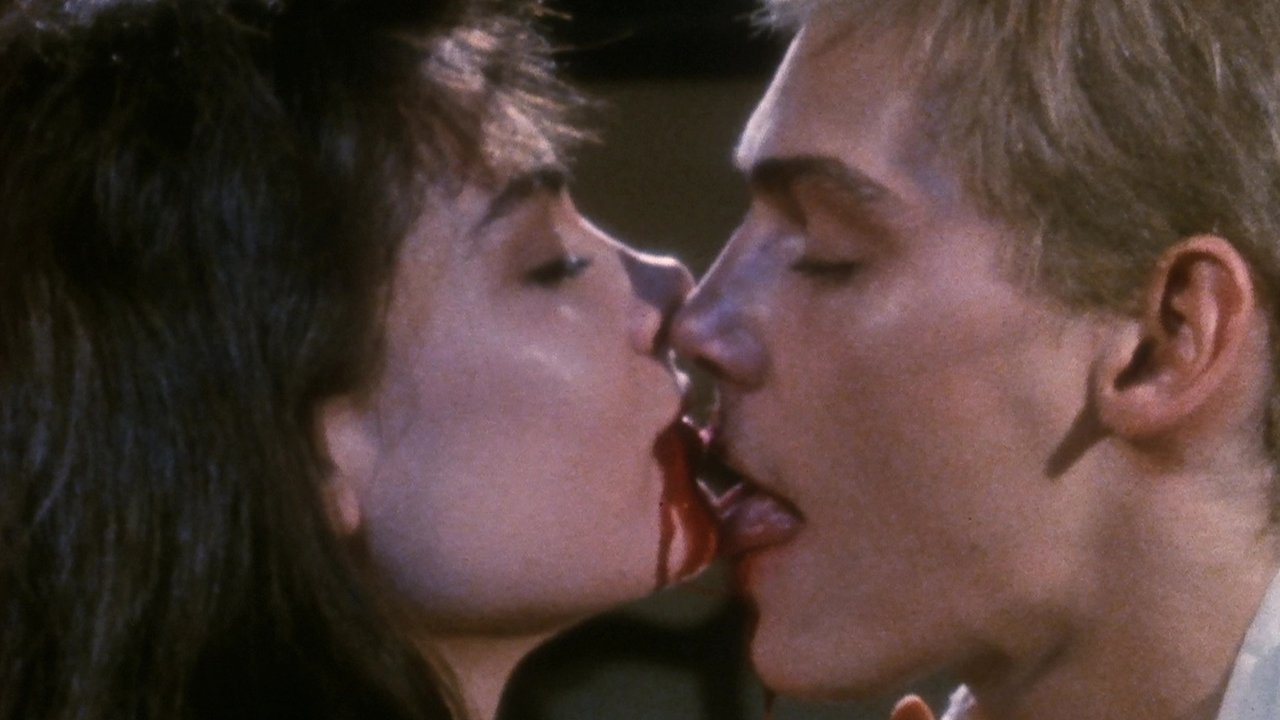
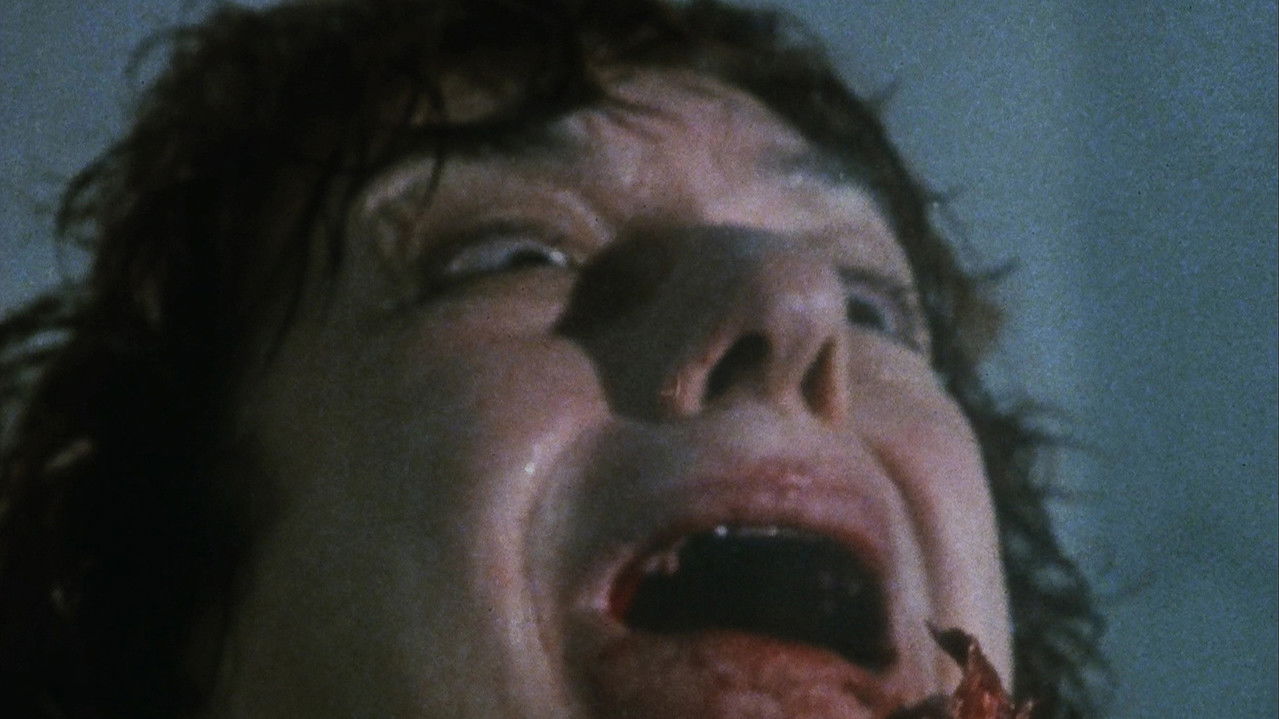
Seeing Lucio Fulci himself shuffling through these scenes, looking genuinely weary and haunted, adds a profound layer of uneasy reality. He’s not delivering a powerhouse acting performance in the traditional sense, but his physical presence, his tormented expressions – they feel chillingly authentic. Knowing that Fulci was battling serious health problems and financial difficulties during this period makes his portrayal of a man overwhelmed by darkness resonate even deeper. Is this just a role, or are we glimpsing the genuine anxieties of a filmmaker grappling with his legacy and the toll of his gruesome craft? The lines blur beautifully, disturbingly. David L. Thompson provides a perfectly oily counterpoint as the sinister psychiatrist, his performance managing to be both subtly menacing and deliciously over-the-top, while Malisa Longo appears as herself, adding another layer to the meta-textual puzzle.
### More Than Just Gore?
Beneath the geysers of blood, A Cat in the Brain touches upon fascinating themes: the psychological burden of creating horror, the desensitizing nature of violence in media, and the thin veil between artistic expression and dangerous obsession. The film doesn't explore these ideas with profound subtlety – this is Fulci, after all – but their presence elevates it beyond mere splatter. The score by Stefano Mainetti, while not having the iconic resonance of frequent Fulci collaborator Fabio Frizzi, effectively underscores the mounting paranoia and hallucinatory horror with its pulsating synths and jarring cues. The entire production feels steeped in that specific late-80s/early-90s Italian horror aesthetic – lurid colours, slightly awkward dubbing (in the English version), and an atmosphere thick with impending doom, even amidst the recycled mayhem. Remember trying to track down these imports back in the day, often relying on grainy nth-generation copies? This film feels like one of those forbidden discoveries.
### Final Cut
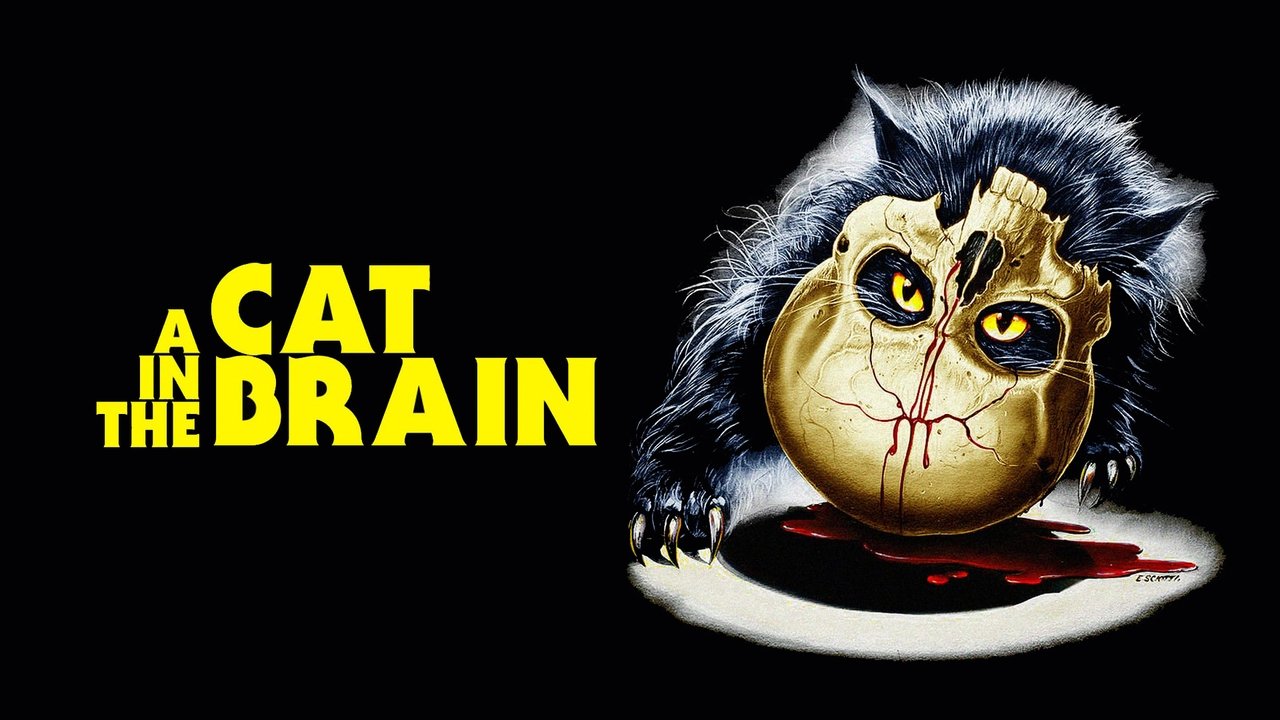
A Cat in the Brain is undeniably a challenging watch. It's repetitive, structurally messy, and arguably pushes gore beyond narrative necessity into pure spectacle. Yet, it's also one of Lucio Fulci's most personal, audacious, and strangely compelling films. It's a meta-horror experiment that feels both like a cynical cash-grab built from spare parts and a heartfelt cry from a master filmmaker confronting his own demons. It’s the kind of movie that could only have emerged from the wild landscape of Italian genre cinema in that era, a perfect artifact for the dusty shelves of VHS Heaven. Did it genuinely shock you back then, or just leave you numb?
Rating: 7/10
This score reflects the film's undeniable impact as a unique meta-horror statement and a showcase of extreme practical gore (even recycled), acknowledging Lucio Fulci's brave self-portrayal. Its narrative messiness, reliance on stock footage, and potential to alienate viewers pull it back from higher ranks, but its sheer audacity and cult status make it a must-see for dedicated fans of the Maestro and extreme Italian horror. It’s a grimy, unforgettable howl from the id of horror cinema.