Sometimes, amidst the neon glow and explosive spectacle that defined so much of 80s cinema found on trusty VHS tapes, a quieter magic flickered onto the screen. It wasn't loud, it didn't feature car chases or synth-heavy soundtracks, but its power was profound, lingering long after the tracking adjusted and the tape rewound. I'm thinking, of course, of Frédéric Back's sublime animated short, The Man Who Planted Trees (1987), a film that feels less like a cartoon and more like a whispered legend brought beautifully, painstakingly to life.

A Landscape Painted with Patience
Based on the deceptively simple 1953 story by French author Jean Giono, the film follows an unnamed narrator recounting his encounters, spanning decades, with a solitary shepherd named Elzéard Bouffier. In the desolate, wind-swept highlands of Provence, where villages lay abandoned and the earth itself seemed weary, Bouffier undertook a quiet, monumental task: planting acorns, thousands upon thousands, with unwavering dedication. He sought no recognition, no reward, only the slow, steady resurrection of a barren land.
The narrative unfolds gently, carried by the wonderfully measured narration – either the warm, resonant voice of Philippe Noiret in the original French version or the equally captivating tones of Christopher Plummer in the widely seen English dub. It's a story told like a cherished memory, full of admiration and a quiet awe for Bouffier's resilience against not just the harsh landscape, but the distant rumbles of world wars and human folly.
The Art of Growth
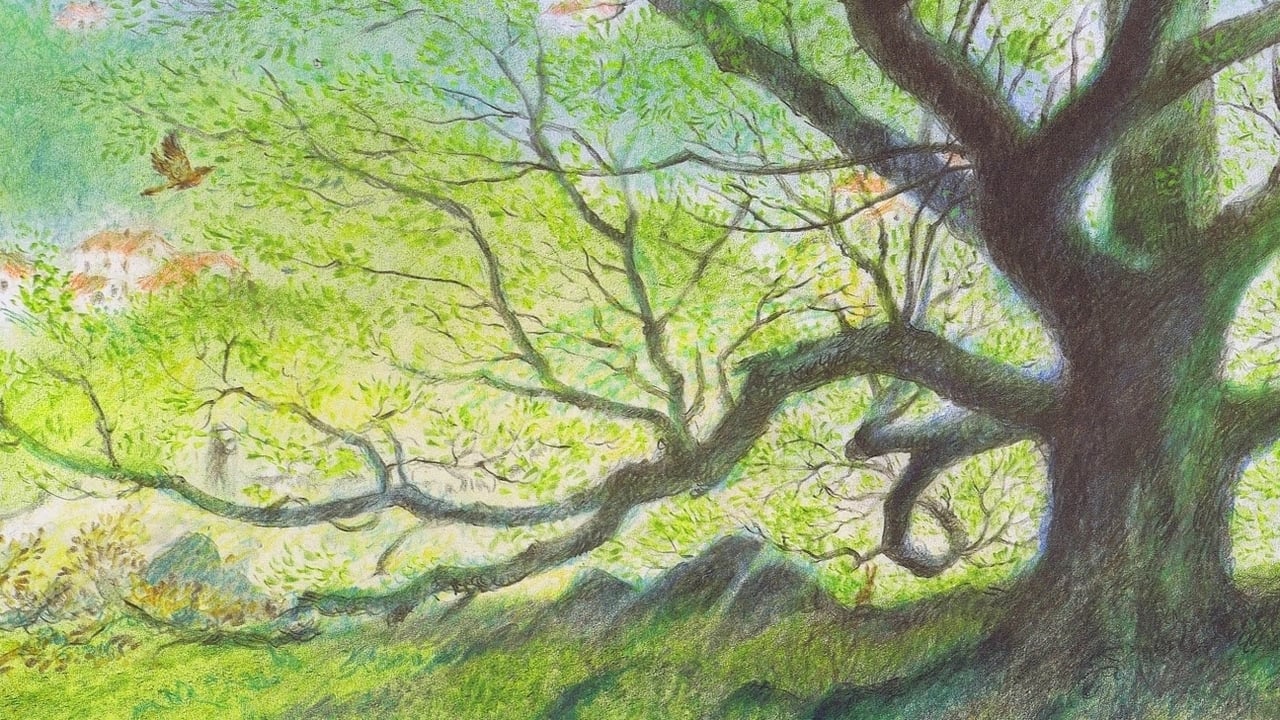
What truly elevates The Man Who Planted Trees beyond its poignant story is Frédéric Back's breathtaking animation. Forget slick cel animation; this is artistry born from patience mirroring its subject matter. Back and his small team laboured for over five years, creating a distinct visual language using coloured pencils and pastels on frosted cels. The result is a shimmering, impressionistic style where lines breathe, colours shift like light through leaves, and the very landscape feels alive. Watching the barren earth slowly transform into burgeoning forest under Back's hand is an experience in itself – you feel the texture of the bark, the whisper of the wind through newly grown leaves. This wasn't animation churned out for Saturday morning consumption; this was fine art in motion, a perfect marriage of medium and message. Each frame feels deliberate, imbued with the same care Bouffier gave his seedlings.
A Myth Born of Hope
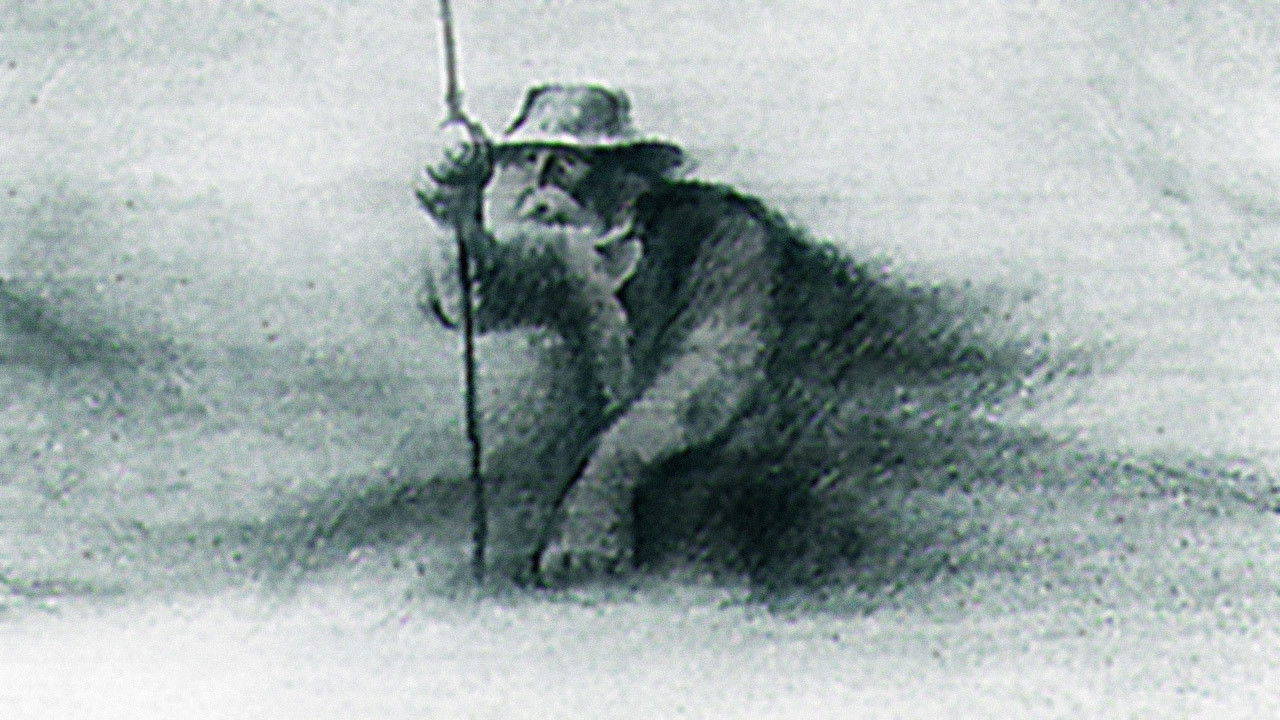
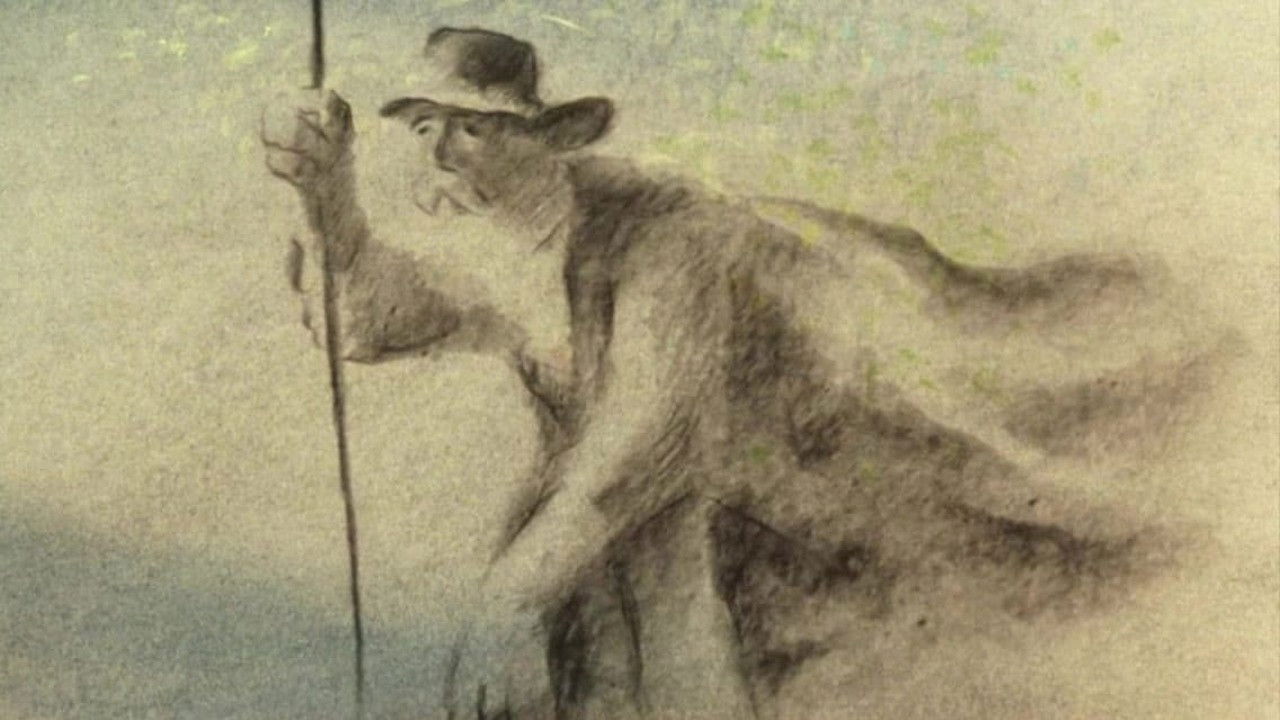
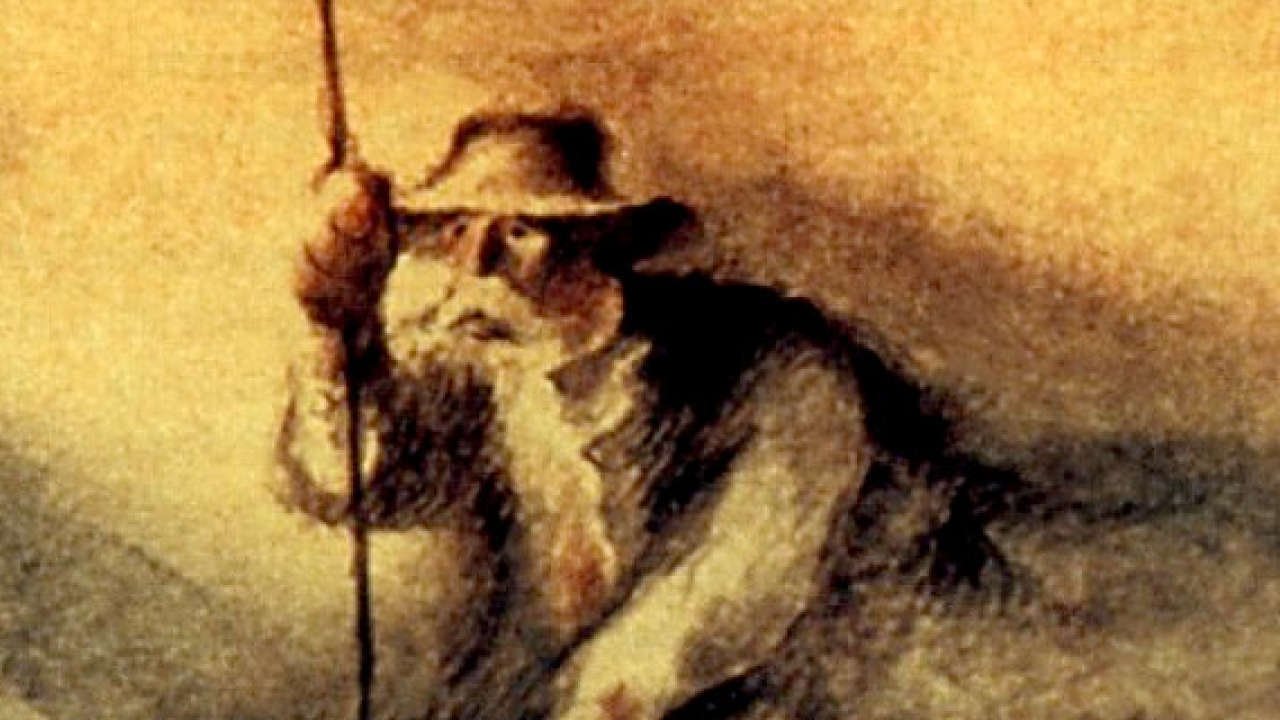
Part of the enduring mystique of the story, both Giono's original text and Back's film, lies in the figure of Elzéard Bouffier himself. For years, many believed him to be a real historical figure, a testament to the power and plausibility of his depicted actions. Jean Giono eventually clarified that Bouffier was fictional, created to inspire a love for trees and planting. Does knowing he wasn't "real" diminish the story's impact? I'd argue not in the slightest. Bouffier represents an ideal, a potent symbol of what one determined, selfless individual can achieve through quiet persistence. His anonymity underscores the universality of the message: that profound change often begins with small, consistent actions, unseen and uncelebrated. Doesn't his quiet dedication offer a powerful counterpoint to our often noisy, validation-seeking world?
Finding the Forest in the Static
Now, The Man Who Planted Trees likely wasn't the tape you and your buddies grabbed alongside Predator or Ferris Bueller's Day Off down at the local Video King. Its thirty minutes of reflective beauty wasn't exactly prime Friday night rental fare for most. Finding it back then often felt like uncovering a hidden channel late at night, perhaps on PBS, or maybe nestled within a special compilation of award-winning animation on a slightly rarer VHS or Laserdisc. I distinctly recall seeing it broadcast, feeling almost startled by its gentle artistry amidst the usual television noise. It felt like a secret, something precious precisely because it wasn't ubiquitous. Its discovery felt personal, mirroring the narrator's own quiet discovery of Bouffier's work. That rarity in the VHS era perhaps cemented its status as a true gem for those who encountered it.
Its quiet arrival didn't go unnoticed by those who appreciate artistry, however. The film deservedly won the Academy Award for Best Animated Short Film in 1988, a recognition of its unique power and beauty. It has since become a touchstone for environmental movements and a beloved classic of animation history.
Rating: 10/10
Assigning a perfect score feels entirely appropriate here. The Man Who Planted Trees is a masterclass in storytelling, animation artistry, and thematic depth. Its gentle pacing allows the profound message to sink in, while Frédéric Back's visuals are simply unforgettable, shimmering with life and painstaking care. The narration provides warmth and weight, guiding us through a story that feels both timeless and, sadly, increasingly relevant. It achieves precisely what it sets out to do, creating a deeply moving and inspirational experience without a single wasted frame or false note.
It's a film that doesn't shout; it whispers, and its message echoes long after the credits roll. In a world often overwhelmed by noise and haste, the quiet determination of Elzéard Bouffier, brought to life so beautifully on screen, remains a powerful reminder of the enduring strength found in patience, purpose, and the simple act of planting a seed. What seeds of hope, one wonders, might we still plant today?