Okay, pull up a chair, maybe grab something stronger than soda for this one. Because today on VHS Heaven, we're not revisiting a comforting blockbuster or a cheesy action flick. We’re talking about a tape that, once you slid it into the VCR, left an indelible mark. We're talking about Barefoot Gen (Hadashi no Gen), the 1983 anime film adaptation of Keiji Nakazawa's harrowing, essential manga. This isn't just a movie; it feels more like bearing witness.
More Than Ink and Paint: A Survivor's Testimony
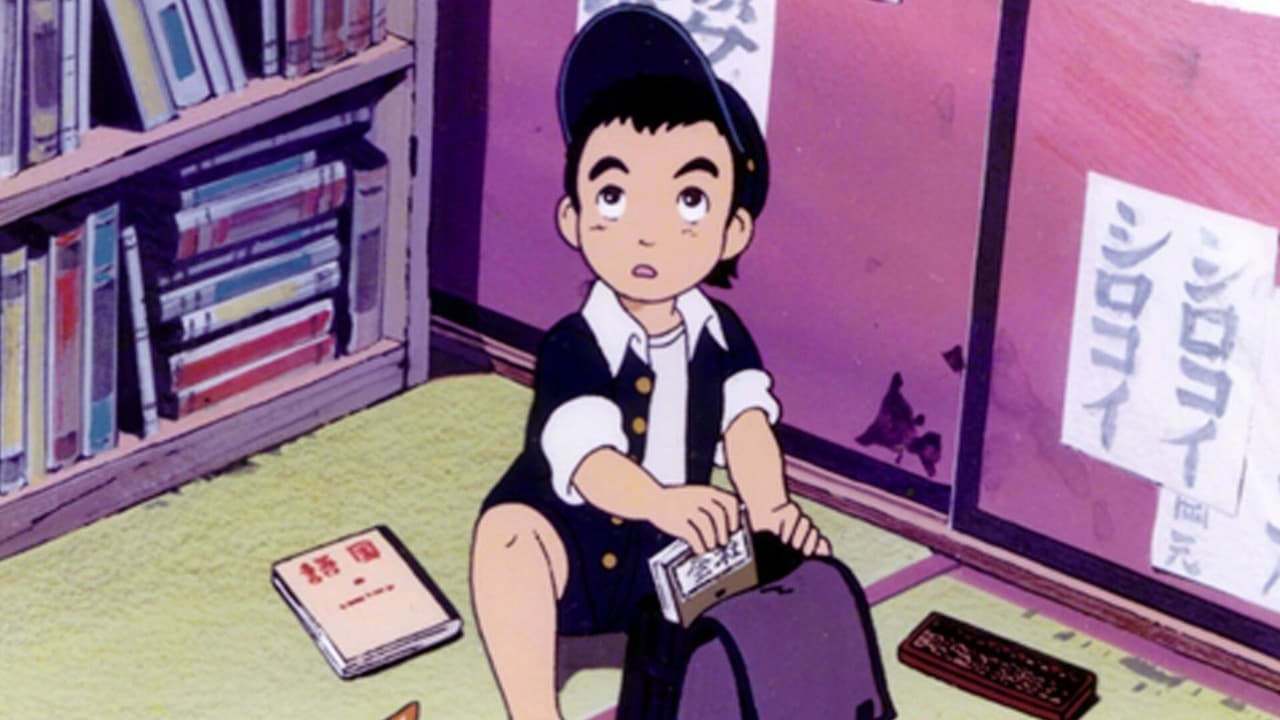
The first thing that strikes you, perhaps even before the notorious central event, is the grounding in reality. This film doesn't start with the mushroom cloud; it starts with life. We meet Gen Nakaoka (Issei Miyazaki providing a voice full of youthful energy and later, shocking resilience) and his family struggling through the final, desperate days of World War II in Hiroshima. Food is scarce, patriotism borders on fanaticism, and suspicion falls on anyone deemed unsupportive of the war effort, including Gen's pacifist father (voiced with quiet dignity by Takao Inoue).
This grounding is crucial because Barefoot Gen stems directly from Keiji Nakazawa's own life. He was a young boy in Hiroshima when the bomb fell, losing most of his family in an instant. The manga, and subsequently this film directed by Mori Masaki, isn't just fiction; it’s Nakazawa processing unspeakable trauma, transforming his memories into a narrative of survival and a blazing anti-war statement. Knowing this elevates the film beyond simple animation; it becomes a vessel for intensely personal, historical testimony. I remember first encountering this film, likely on a copied tape passed between friends who collected more obscure anime, and being utterly unprepared for its power precisely because it felt so deeply real, drawn from lived horror.
The Unflinching Gaze
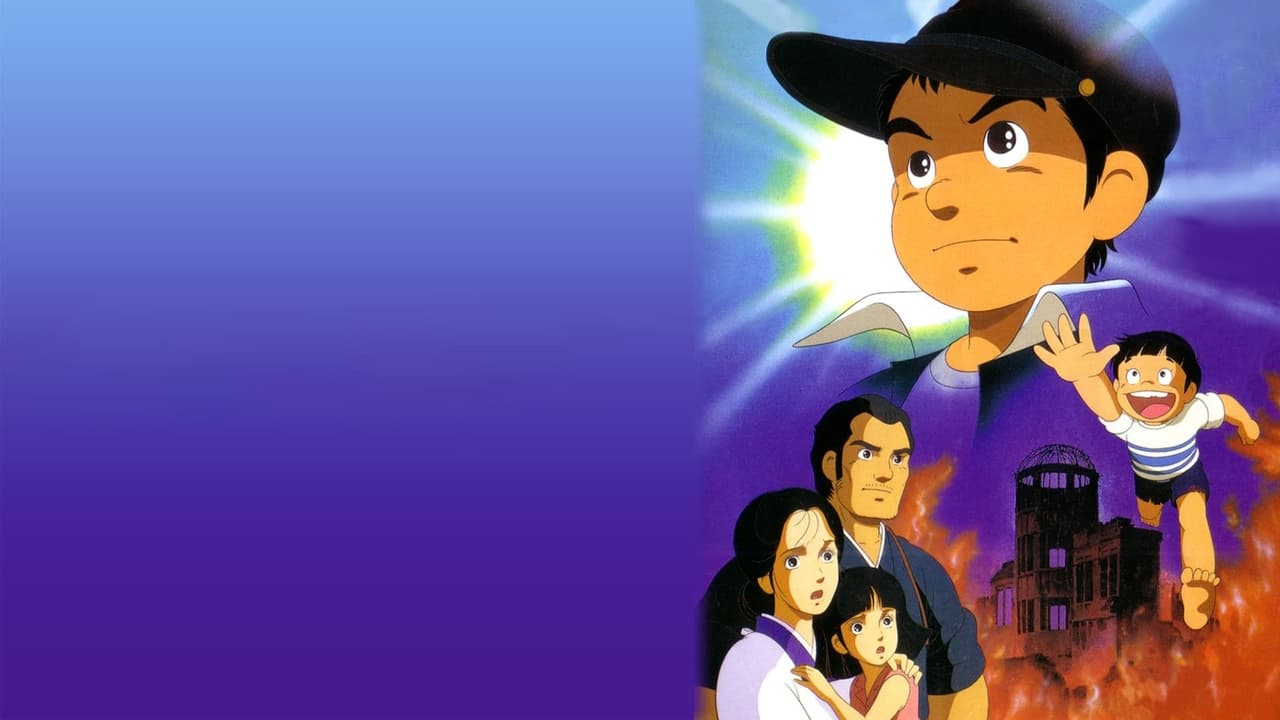
And then, it happens. The bombing sequence in Barefoot Gen is one of the most horrifying and unforgettable depictions of the atomic blast ever put to film. The animation style, often simple and almost childlike in depicting the characters, makes the sudden shift to visceral, graphic horror even more shocking. Masaki and his animation team do not shy away. We see the flash, the heat, the grotesque effects on human bodies. It’s brutal, stomach-churning, and deeply upsetting.
There’s no attempt to aestheticize the destruction, no Hollywood gloss. It’s presented with a stark, almost documentary-like rawness, despite being animated. This unflinching honesty is the film’s greatest strength and its most challenging aspect. Watching it on a fuzzy CRT back in the day, the raw power still cut through the low resolution. Did the slightly degraded quality of a well-loved VHS tape somehow make it feel even more like a forbidden, unearthed document? Perhaps.
Beyond the Ashes: Resilience and Rage
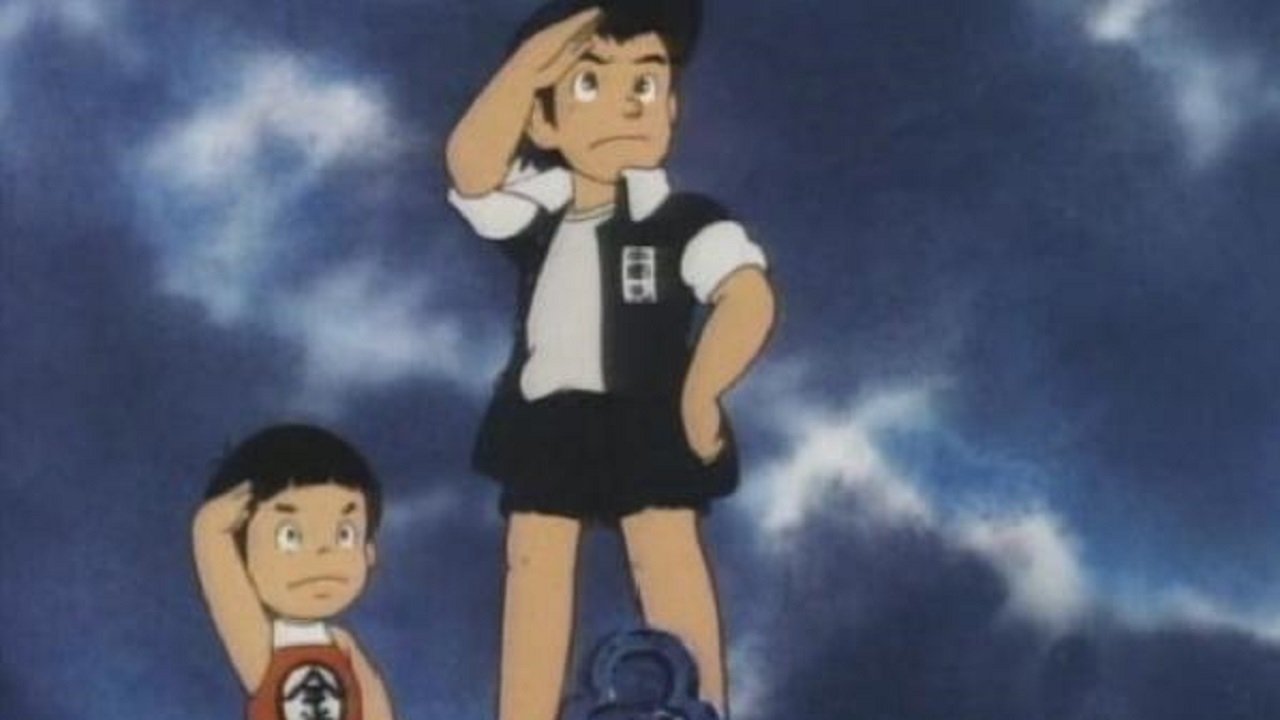
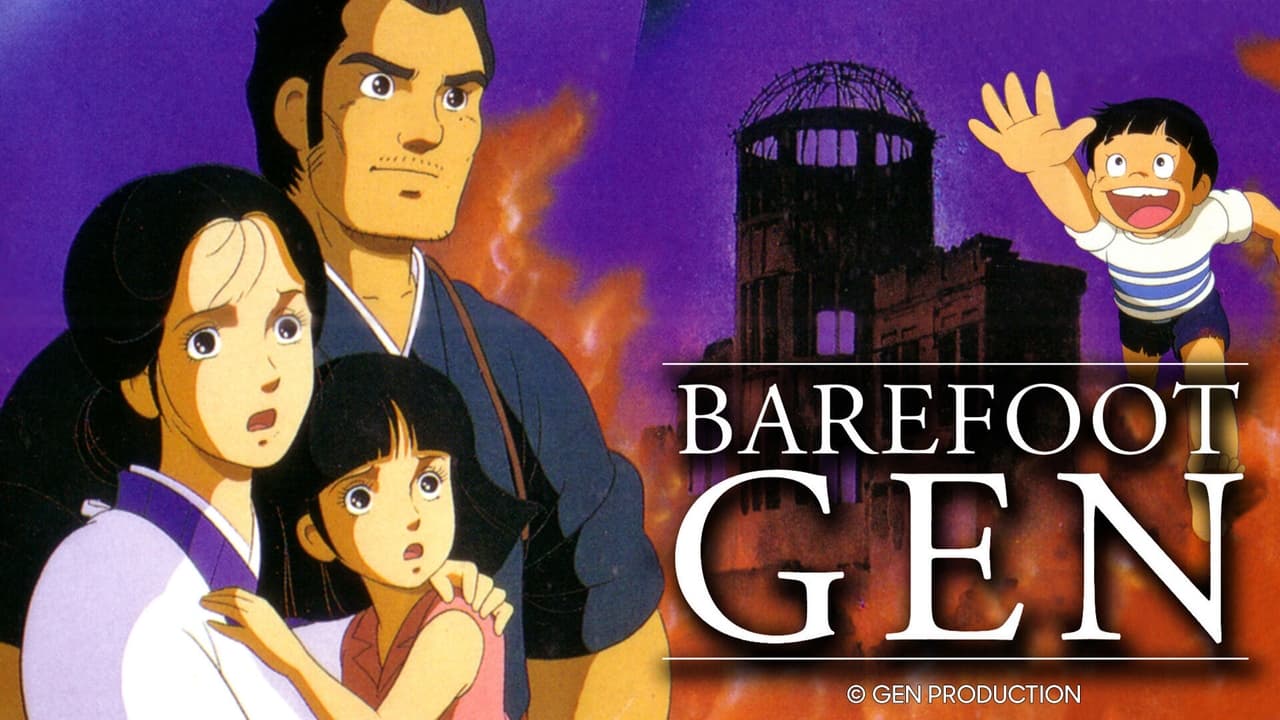
Yet, Barefoot Gen is not solely about victimhood. It’s about what comes after. Gen, his mother Kimie (Yoshie Shimamura), and a few other survivors navigate a hellscape of radiation sickness, starvation, societal breakdown, and overwhelming grief. Gen’s spirit, though battered, remains fiercely alive. He scavenges, he fights, he comforts his grieving mother, he rails against the injustice and stupidity that led to this catastrophe. Issei Miyazaki’s voice acting here is phenomenal, capturing the swings from childhood innocence to hardened survivor, fueled by a righteous anger that feels entirely earned.
The film doesn't offer easy answers or sentimental platitudes. It acknowledges the lingering physical and psychological scars. It shows the desperation and occasional cruelty of fellow survivors alongside moments of unexpected kindness. What resonates most powerfully is Gen's sheer will to live, embodied in the image of wheat sprouting stubbornly through the irradiated soil – a potent symbol Nakazawa employed throughout his work.
A Necessary Relic of the VHS Era
Finding Barefoot Gen in a video store was likely a rarity. It wasn't the kind of film prominently displayed alongside The Terminator or Ghostbusters. Often tucked away in an "Imports" or "Animation" section (distinct from "Cartoons"), discovering it felt like uncovering something significant, something important. It stood in stark contrast to much of the anime reaching Western shores at the time, offering a history lesson wrapped in a deeply personal narrative, rather than sci-fi fantasy. Its influence can be felt in later, equally powerful anti-war anime like Grave of the Fireflies (1988). While a sequel, Barefoot Gen 2, followed in 1986, continuing Gen's story, the raw impact of this first film remains unique.
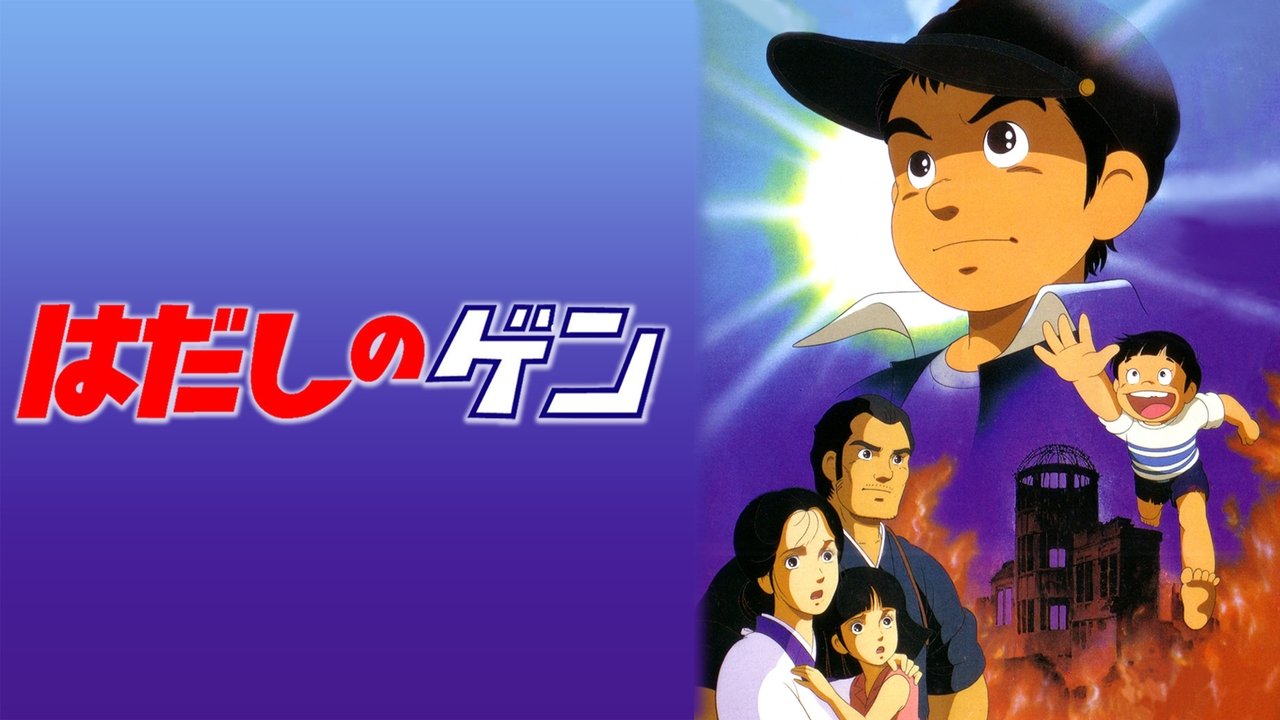
Does the animation look dated by today’s standards? In some ways, yes. But its power isn't derived from slickness; it comes from its raw emotional honesty and the courage to depict the unimaginable. It leverages the medium of animation not for escapism, but for confronting a historical horror with clarity and unflinching detail, forever preserving Keiji Nakazawa's vital testimony.
Rating: 9.5/10
This rating reflects the film's undeniable power, historical significance, and courageous filmmaking. It's a near-perfect execution of its creator's intent, translating intensely personal trauma into a universally resonant anti-war statement. The slight deduction acknowledges that the sheer graphic intensity makes it an incredibly difficult, albeit necessary, viewing experience that isn't for everyone. Barefoot Gen isn't entertainment in the conventional sense; it’s a profound, harrowing, and ultimately essential piece of cinematic history that demands to be seen, remembered, and discussed. What does it say about humanity that we needed – and perhaps still need – reminders this stark about the consequences of war?