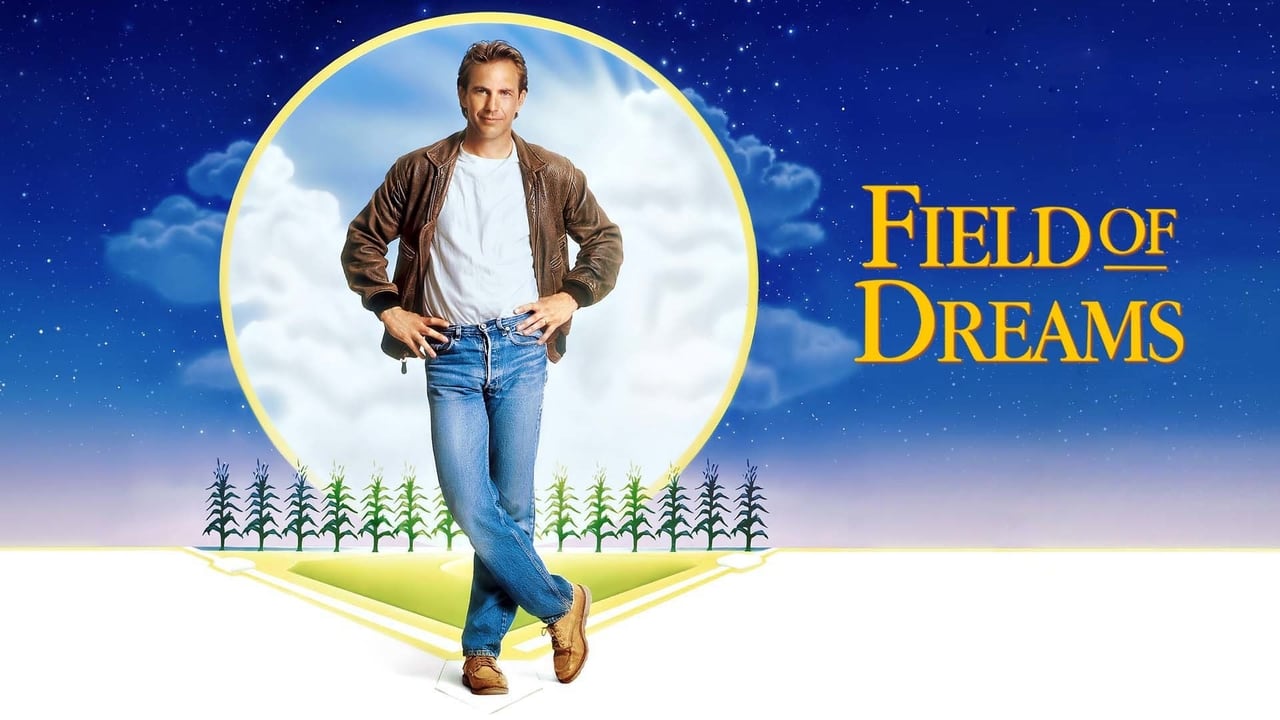
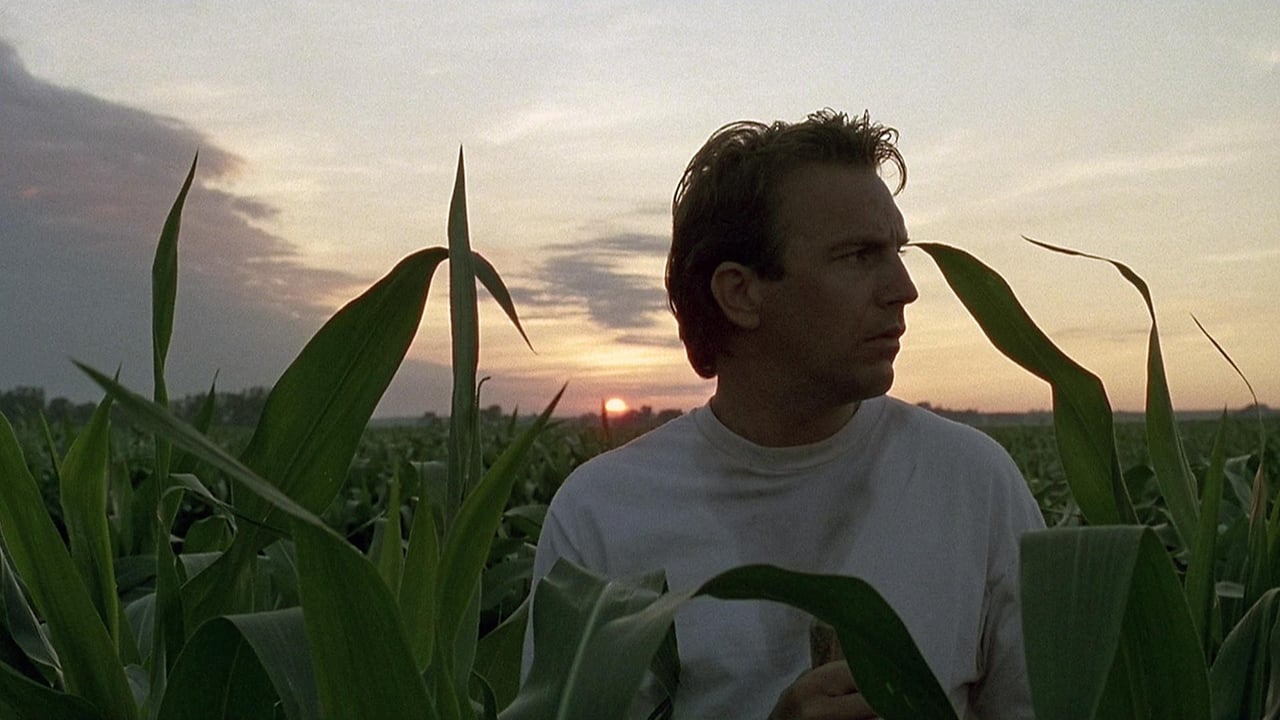
It begins with a whisper, carried on the Iowa breeze across endless rows of corn: "If you build it, he will come." For Ray Kinsella, an ordinary farmer wrestling with regrets and a strained memory of his late father, this ethereal instruction marks the start of an extraordinary journey. Released in 1989, Phil Alden Robinson’s Field of Dreams wasn't your typical late-80s fare. It wasn't an action blockbuster or a teen comedy; instead, it offered something rarer – a gentle, heartfelt blend of fantasy, baseball lore, and soul-searching drama that tapped into a vein of pure American nostalgia and wonder. Watching it back then felt like stumbling upon a hidden truth, a cinematic miracle blooming right there in the heartland.
### More Than Just a Ball Game
At its core, the premise sounds almost absurd: Kevin Costner, cementing his everyman charm after hits like The Untouchables (1987) and Bull Durham (1988), plays Ray, who plows under his vital corn crop to build a baseball diamond on the conviction of that mysterious voice. His wife, Annie, played with fiery spirit and unwavering support by Amy Madigan, somehow understands. Maybe it was the sheer conviction in Ray's eyes, or maybe the magic of the premise simply swept us all along. The film unfolds not with frantic pacing, but with the deliberate rhythm of seasons changing, allowing the weight of Ray's quest – and the ghosts it summons – to settle in.
Based on W. P. Kinsella's lovely novel Shoeless Joe (a title the studio, Universal Pictures, reportedly worried audiences wouldn't understand), Robinson (who both adapted the screenplay and directed) crafted a narrative that’s less about baseball itself and more about what it represents: connection, lost innocence, and the chance for reconciliation. When Shoeless Joe Jackson and other disgraced players from the 1919 Black Sox scandal appear, ready to play ball on Ray's field, it’s magical, sure, but it’s the human stories that truly resonate.
### Ghosts of the Past, Voices of Wisdom
The casting here feels like kismet. Costner is perfect as the man driven by faith he doesn't fully comprehend. But it’s the supporting players who elevate the film into something truly special. Enter James Earl Jones as Terrance Mann, a reclusive, radical writer from the 60s (a fictional stand-in for J.D. Salinger from the novel). Jones, whose iconic voice could command galaxies in Star Wars (1977), brings profound warmth and weary wisdom to Mann. His famous "People will come, Ray" speech remains one of cinema's great monologues, a stirring ode to the enduring power of dreams and nostalgia – perfectly capturing the film's essence. It's a piece of trivia gold that Jones initially found the script 'schmaltzy' but was eventually won over. Thank goodness he was!
And then there’s Burt Lancaster as Archibald "Moonlight" Graham. In what would be his final feature film role, the screen legend embodies the bittersweet ache of unfulfilled dreams. His scenes, portraying a man who played only one major league game before becoming a beloved small-town doctor, are imbued with a poignant grace. Securing Lancaster was apparently a coup; Robinson reportedly wrote him a heartfelt letter, unsure if the aging star would even consider the part. His presence lends the film an almost elegiac quality, a link to a bygone era of Hollywood and baseball alike.
### Building the Dream (Retro Fun Facts)
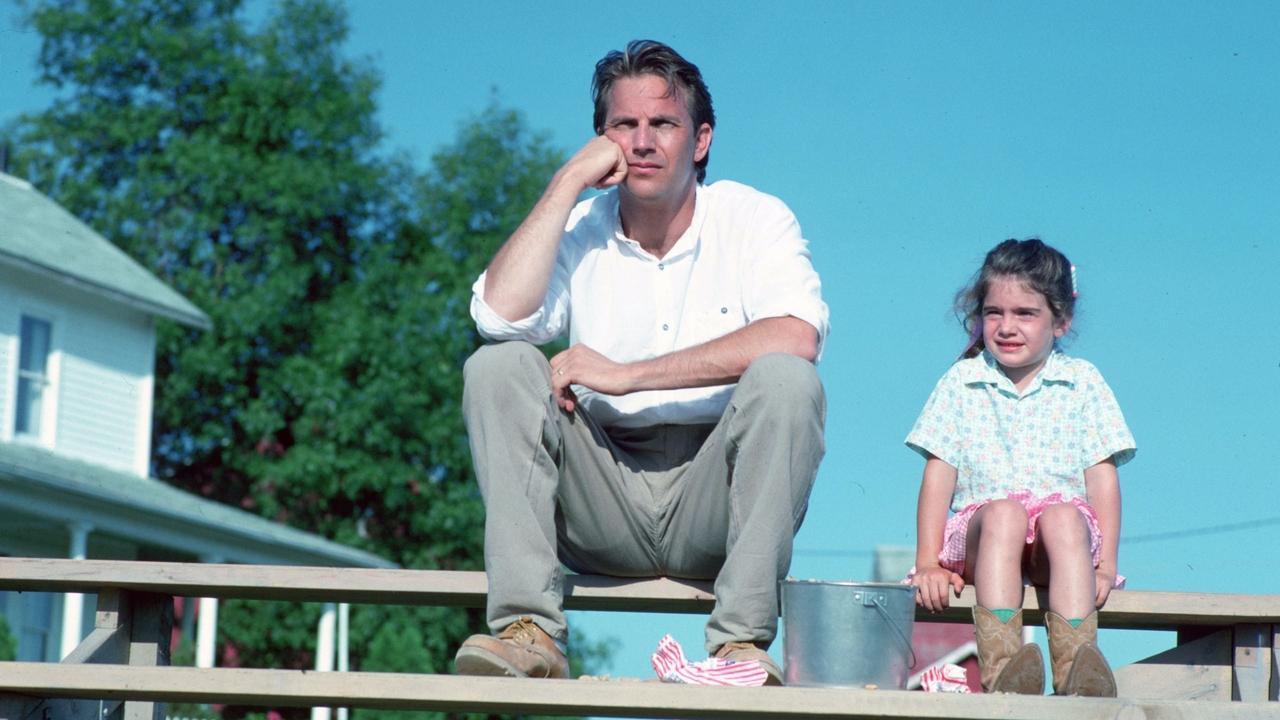
Bringing this vision to life wasn't without its challenges. Filming occurred on location in Dyersville, Iowa, where the crew built the actual field on two separate farms. One logistical headache? Keeping the corn at the right height for filming across different seasons. They apparently had to carefully manage irrigation and planting schedules to maintain the illusion of a consistent summer! The production itself was relatively modest, budgeted around $15 million, but it struck a chord, grossing over $84 million worldwide and earning three Academy Award nominations, including Best Picture, Best Adapted Screenplay for Robinson, and Best Original Score for the legendary James Horner. Horner's score, by the way, is inseparable from the film's magic – hopeful, ethereal, and deeply moving, it perfectly complements the on-screen wonder.
The film's central phrase, "If you build it, he will come," became instantly iconic, though interestingly, the script reportedly played with variations before settling on that perfect, slightly mysterious imperative. And that field? It wasn't torn down after filming. It became, and remains, a beloved tourist destination, a testament to the film's enduring appeal – people did come, Ray.
### Easing the Pain
Field of Dreams isn't afraid to wear its heart on its sleeve. Some might find its sentimentality a bit thick, its earnestness perhaps out of step with more cynical times. But that's precisely its strength. It dares to be hopeful, to believe in second chances and the healing power of forgiveness. The film’s emotional climax (Spoiler Alert for the uninitiated!) – Ray finally playing catch with the young ghost of his estranged father – is a moment of pure, unadulterated catharsis. I remember watching it for the first time on a rented VHS tape, the glow of the CRT screen illuminating a dusty living room, and feeling that lump form in my throat. It’s a feeling that hasn't diminished over the years. It tapped into something universal about fathers and sons, about unspoken words and the desire to mend fences before it's too late.
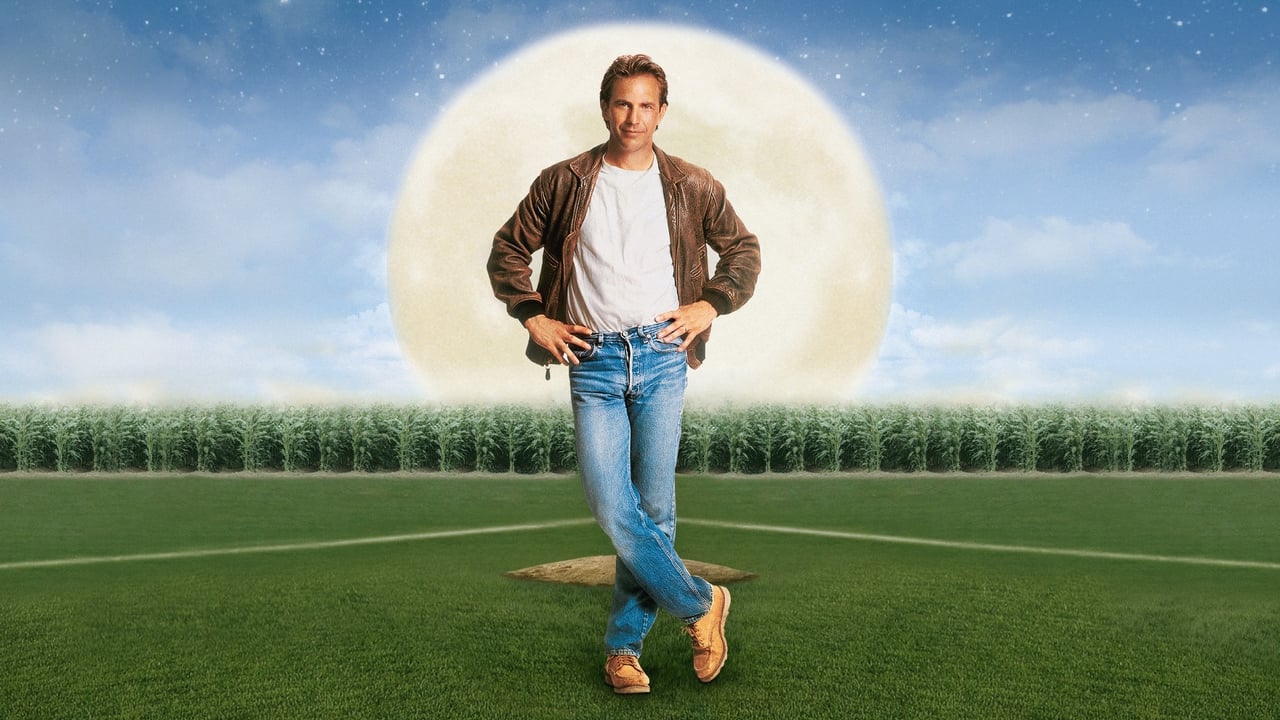
Rating: 9/10
This rating reflects the film's unique blend of fantasy and heartfelt drama, its superb performances (Costner, Jones, Lancaster, Madigan), James Horner's unforgettable score, and its enduring emotional resonance. While its earnestness might not appeal to everyone today, its masterful storytelling, beautiful cinematography capturing the Iowa landscape, and profound exploration of universal themes make it a near-perfect piece of cinematic magic. It’s a film that earns its sentimentality through genuine character arcs and a narrative grounded in relatable human desires, even amidst the fantastical elements.
Field of Dreams remains a beautiful anomaly from the late 80s, a reminder that sometimes the quietest whispers carry the most powerful messages. It’s more than just a movie; it’s a feeling, a belief in the impossible, perfectly preserved on those cherished magnetic tapes – proof that if you build something with heart, people really will come.