Okay, let's dim the lights, maybe grab a bowl of microwave popcorn, and settle in. Remember that feeling? Slotting a hefty VHS tape into the VCR, the satisfying clunk, the whirring sound… and then, the magic began. Today, we're journeying back to 1986, a time when animation was undergoing a fascinating shift, and popping into our players is Don Bluth's ambitious, heart-wrenching, and ultimately hopeful classic: An American Tail.
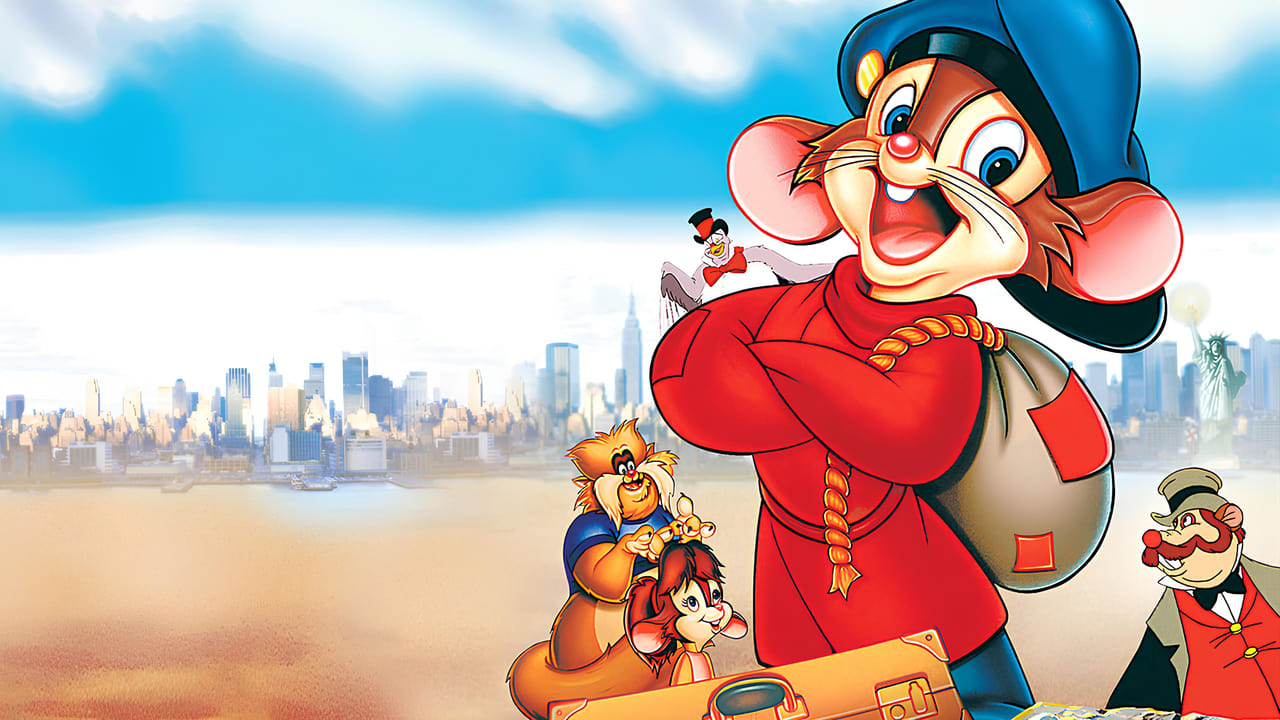
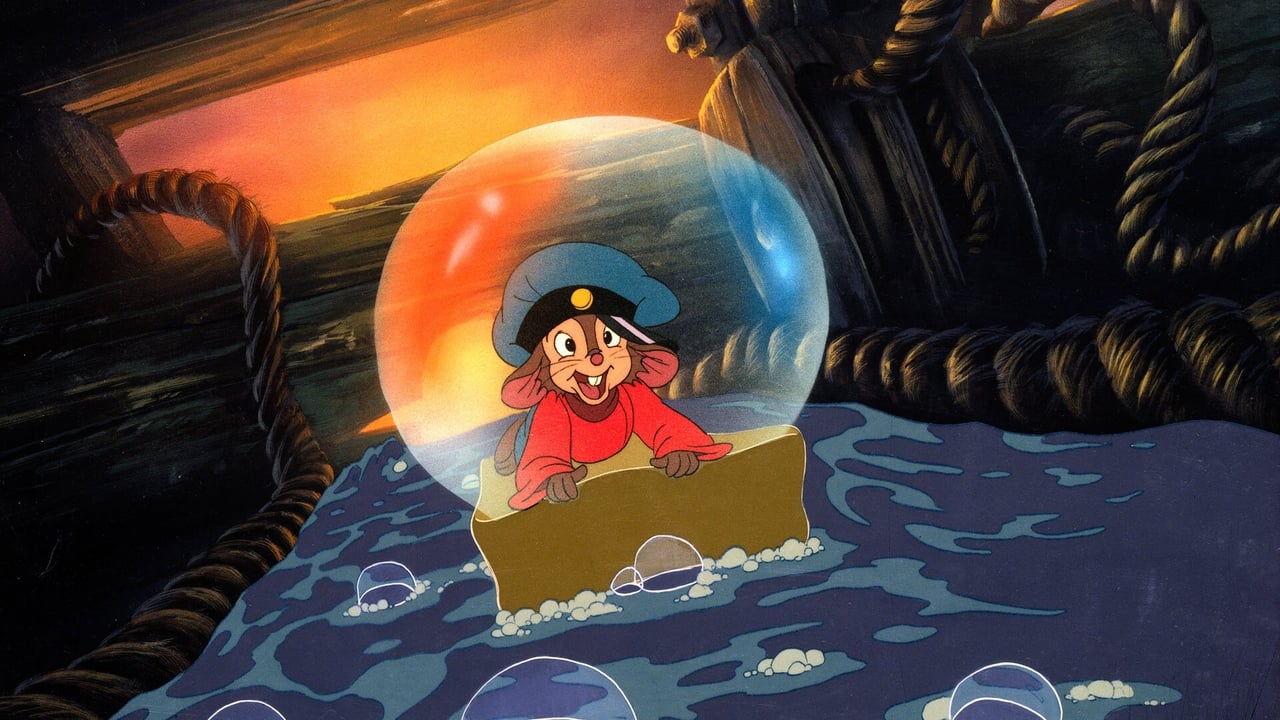
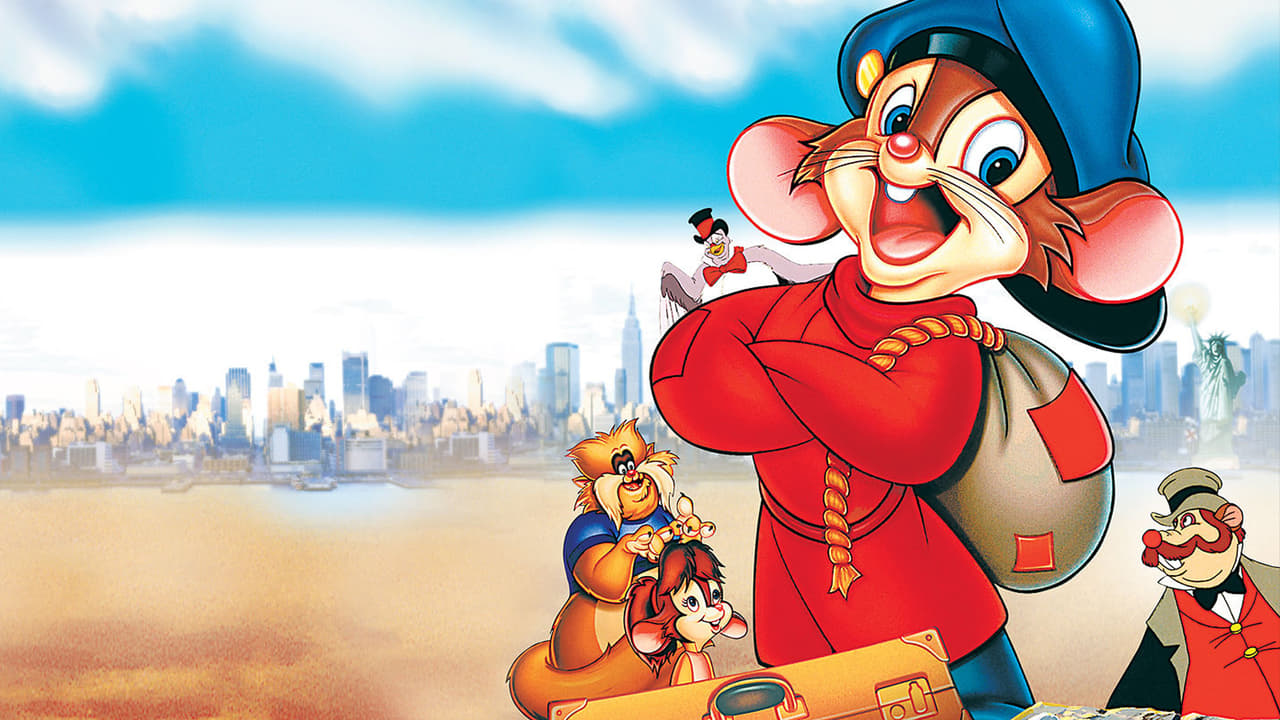
This wasn't just another cartoon mouse adventure. From its rain-soaked, perilous opening aboard a ship tossed on stormy seas, An American Tail announced itself as something different. It carried a weight, a sense of history, presented through the wide, innocent eyes of Fievel Mousekewitz (Phillip Glasser), a tiny Russian-Jewish mouse emigrating with his family to America – a land where, legend has it, "there are no cats, and the streets are paved with cheese."
### A Mouse-Sized Epic
The sheer scale of Fievel's journey is what grabs you immediately. Separated from his family during the treacherous sea voyage, he washes ashore in New York Harbor, alone and adrift in a massive, overwhelming new world. This is where the film truly becomes an adventure, albeit one tinged with palpable loneliness and danger. The quest isn't for treasure or glory, but for family, for belonging. The stakes feel incredibly high because Fievel is so small, so vulnerable. Remember hiding behind the sofa cushion when Warren T. Rat (John Finnegan) and his feline gang appeared? Or the genuine fear during the sewer chase? Bluth, famously having departed Disney seeking creative freedom (along with several fellow animators, forming his own studio), wasn't afraid to show the shadows alongside the light. He understood that true adventure requires real peril.
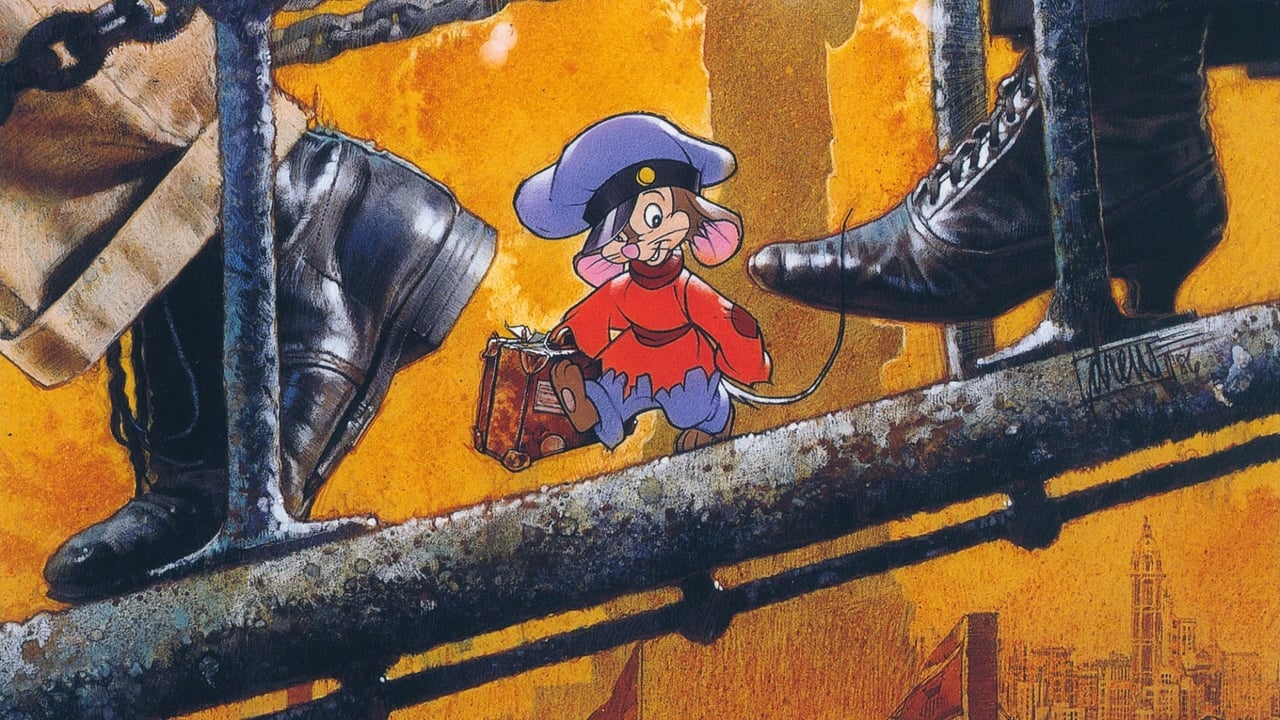
The world Fievel navigates is rendered with a richness and detail that was simply breathtaking back then, and honestly, still holds up remarkably well. Bluth's signature style – the expressive character animation, the complex backgrounds often bathed in dramatic lighting, the use of rotoscoping for realistic movement – set his work apart. This wasn't the clean, bright world typically associated with Disney at the time; it was grittier, moodier, reflecting the harsh realities faced by immigrants arriving in late 19th-century New York. Seeing the Statue of Liberty under construction through Fievel's eyes felt monumental, a shared experience of arriving somewhere vast and unknown.
### Voices That Bring Hope and Heartbreak
The voice acting is superb, anchoring the emotional journey. Phillip Glasser gives Fievel such earnestness and vulnerability; you feel every ounce of his fear and determination. Amy Green as the street-smart Tanya, Fievel's sister, adds warmth and hope. And who could forget Nehemiah Persoff as Papa Mousekewitz, his comforting voice and violin playing representing the cultural heart of the family? The supporting cast, including Dom DeLuise as the boisterous (and surprisingly brave) Tiger, adds necessary levity and friendship to Fievel's lonely quest. Tiger, the supposedly fearsome cat who turns out to be a vegetarian sweetheart, is a classic Bluth creation – complex, humorous, and endearing.
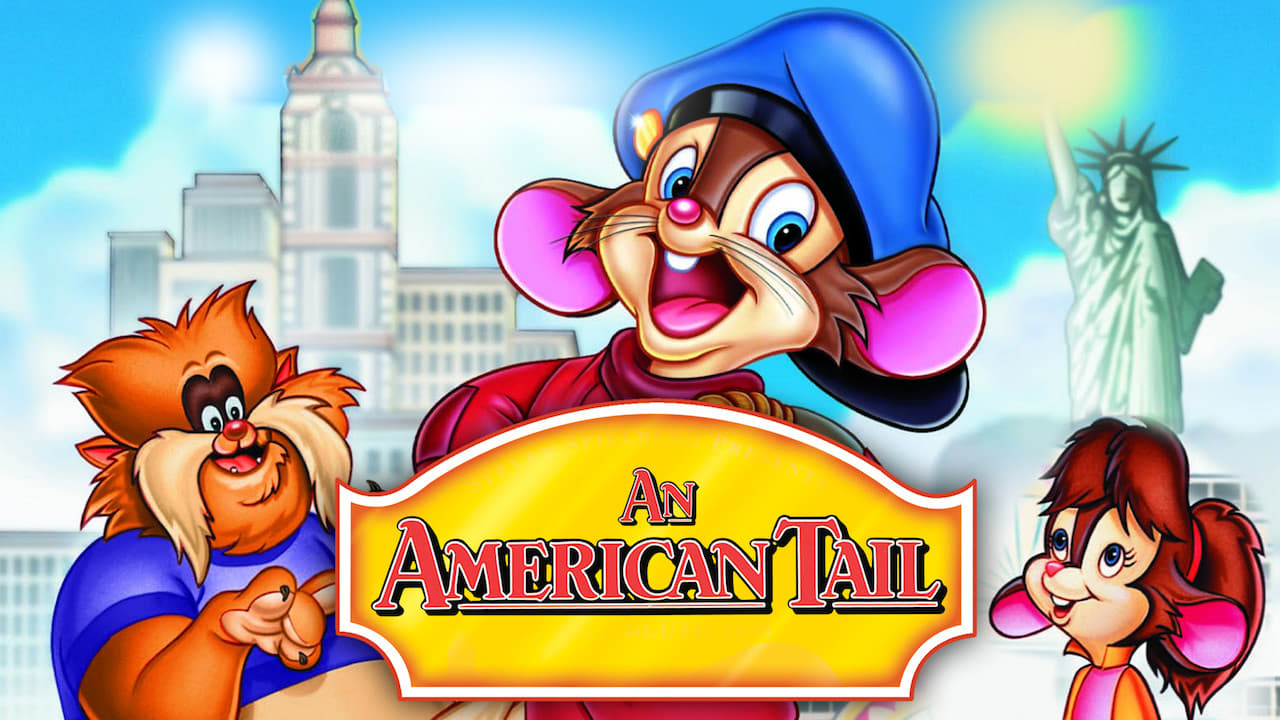
Of course, we can't talk about An American Tail without mentioning the music. James Horner's score is magnificent, sweeping and emotional, perfectly capturing the epic scope and intimate moments. And then there's "Somewhere Out There." Penned by Horner, Barry Mann, and Cynthia Weil, this duet between Fievel and Tanya became an instant classic, a pop culture phenomenon that transcended the film itself. Winning two Grammys (Song of the Year and Best Song Written Specifically for a Motion Picture or Television) and nominated for an Oscar, it perfectly encapsulates the film's core themes of hope, longing, and the enduring power of family connection across any distance. Hearing Linda Ronstadt and James Ingram's version on the radio was practically inescapable in '86 and '87!
### Retro Fun Facts & Enduring Appeal
It's fascinating to remember that An American Tail was executive produced by Steven Spielberg, marking Amblin Entertainment's first foray into animation. Spielberg's involvement brought significant clout and resources. Reportedly, it was Spielberg who suggested toning down some of Bluth's initially darker concepts to make the film more family-friendly, though Bluth's signature melancholy still permeates the final product.
The film was a massive gamble – a non-Disney animated feature with a substantial (for animation at the time) $9 million budget. The gamble paid off spectacularly, grossing over $84 million worldwide and becoming the highest-grossing non-Disney animated film upon its release. It proved there was a huge audience hungry for animation that offered a different flavor, perhaps something a little more complex emotionally. Its success arguably revitalized the animation industry, paving the way for the Disney Renaissance and Bluth's continued work like The Land Before Time (1988).
Did you know Fievel's name was inspired by Spielberg's own maternal grandfather, Philip Posner, whose Yiddish name was Fievel? It's little details like that, woven into the fabric of the story, that give it such resonance. The film doesn't shy away from its allegorical roots, subtly portraying the challenges, prejudices (the cats representing anti-immigrant sentiment), and dreams of those seeking a better life in America.
So, Does It Hold Up?
Absolutely. Watching An American Tail today is like revisiting a cherished storybook. The animation might occasionally show its age compared to modern CGI, but its artistry and heart are timeless. The emotional core remains incredibly potent – Fievel's plight is genuinely moving, his small victories feel triumphant, and the reunion… well, if you didn't get a little misty-eyed, you might be related to Warren T. Rat. It tackles mature themes with sensitivity, wrapped in an adventure that captivated us as kids and still resonates with adult understanding.
Rating: 8.5/10
This rating reflects the film's stunning animation for its time, its powerful emotional core, unforgettable music, and its significant place in animation history as a bold departure from the norm. It captures the hardship and hope of the immigrant experience through a unique lens, creating characters and moments that stick with you long after the credits roll. While perhaps a touch melancholic for the very youngest viewers even back then, its artistry and heart are undeniable.
An American Tail isn't just a cartoon; it's a beautifully crafted piece of animated history, a reminder that even the smallest voice, singing out in the darkness, can carry the biggest hope. Now, who else suddenly has "Somewhere Out There" stuck in their head?