Step into a world bathed in the soft glow of a Yorkshire summer, where the line between reality and wonder blurs like watercolour paint. That's the gentle invitation offered by FairyTale: A True Story, a film that drifted into video stores in 1997, perhaps overshadowed by the year's cinematic titans (Titanic, anyone?) but possessing a quiet magic all its own. Based on the fascinating, real-life case of the Cottingley Fairies, this wasn't your typical late-90s blockbuster. Instead, it felt like uncovering a half-forgotten photograph, imbued with a sense of innocent belief that feels both nostalgic and strangely poignant today.
Whispers in the Woods
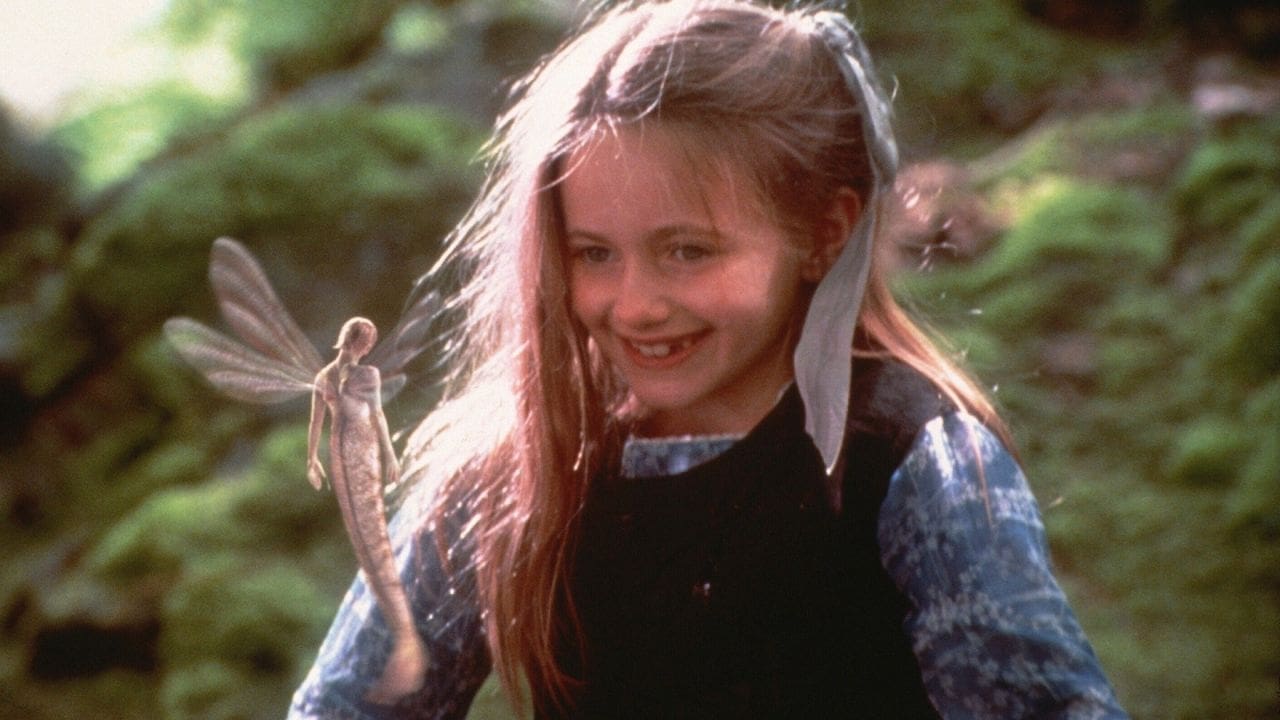
At its heart, the film recounts the story of young cousins Elsie Wright (Florence Hoath) and Frances Griffiths (Elizabeth Earl), who, amidst the sombre backdrop of World War I England, claimed to have photographed actual fairies in the woods near their home. Hoath and Earl deliver performances of remarkable naturalism and charm, perfectly capturing the wide-eyed conviction of childhood imagination – or perhaps, something more? Their shared moments, giggling secrets whispered amongst the ferns and streams, form the film's warm, beating core. You watch them, utterly convinced of their sincerity, and a part of you – the part that maybe once searched for pixie rings in the garden – desperately wants to believe alongside them.
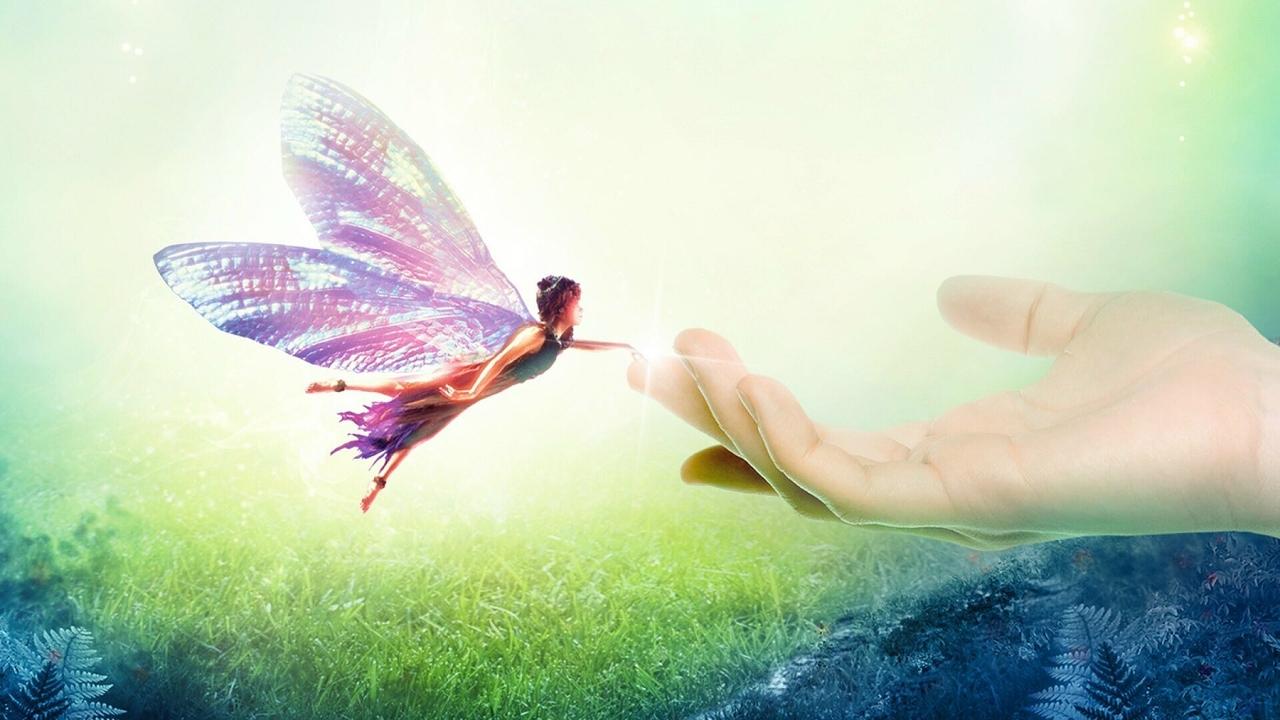
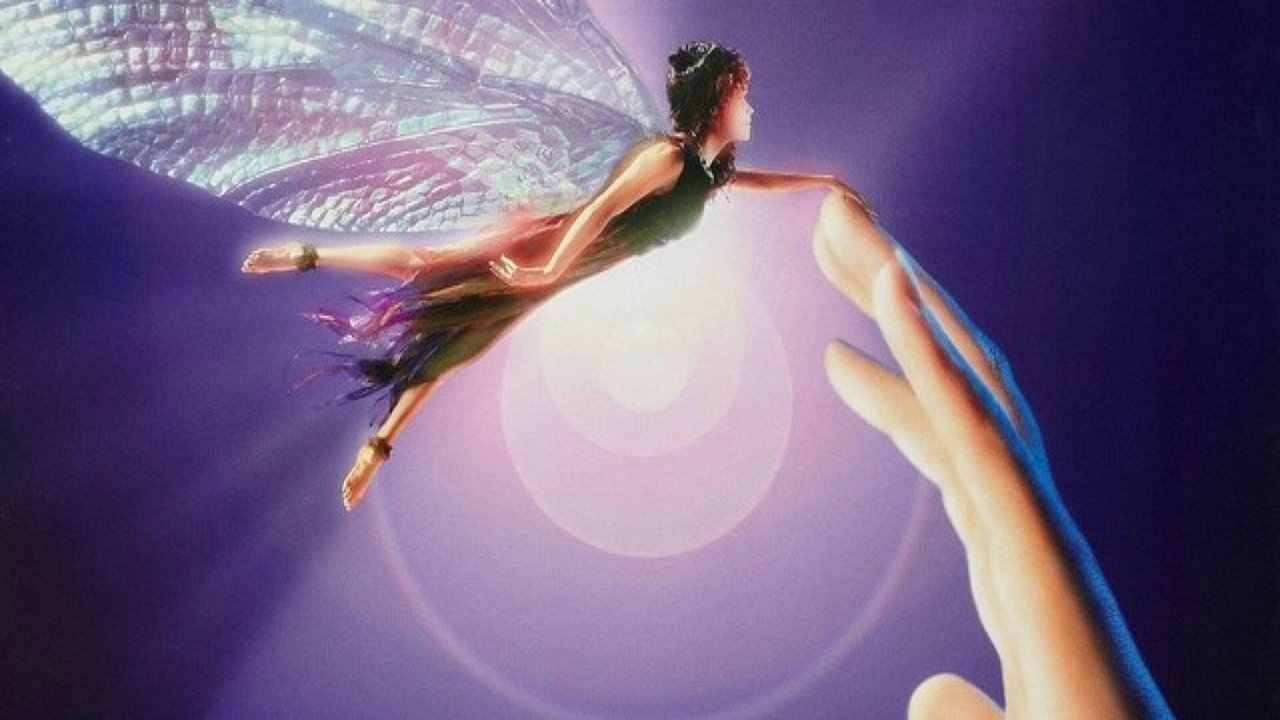
Director Charles Sturridge, already acclaimed for bringing the lavish Brideshead Revisited (1981) to the screen, approaches the material with a delicate touch. He doesn’t aim for overt fantasy spectacle but rather for a grounded sense of magical realism. The Yorkshire dales are filmed beautifully, becoming a character in themselves – a place where the mundane might just brush shoulders with the mystical. The depiction of the fairies, achieved through a blend of practical effects and early CGI that might seem quaint by today's standards, possesses a certain ethereal charm perfectly suited to the era and the subject matter. There's an artistry in their slightly translucent, fluttering forms that feels fittingly elusive.
Believers and Sceptics
The girls' fantastical claims soon capture the attention of the wider world, drawing in two figures who couldn't be more different: Sir Arthur Conan Doyle, the celebrated creator of Sherlock Holmes, played with booming, heartfelt conviction by the legendary Peter O'Toole, and the master illusionist Harry Houdini, portrayed with sharp, sceptical energy by Harvey Keitel. Doyle, grieving the loss of his son in the war, desperately wants the fairies to be real, seeing them as proof of a spiritual world beyond our own. Houdini, the ultimate debunker of fraudulent mediums and trickery, remains firmly unconvinced. Their scenes together crackle with the tension between faith and reason, hope and empirical evidence. It’s fascinating to see these two historical titans orbit the simple claims of two young girls. Adding another layer is Paul McGann (who many would recognize as the Eighth Doctor from the Doctor Who TV movie just a year prior) as Elsie’s father, a man caught between supporting his daughter and navigating the growing public frenzy.
A Touch of Retro Reality
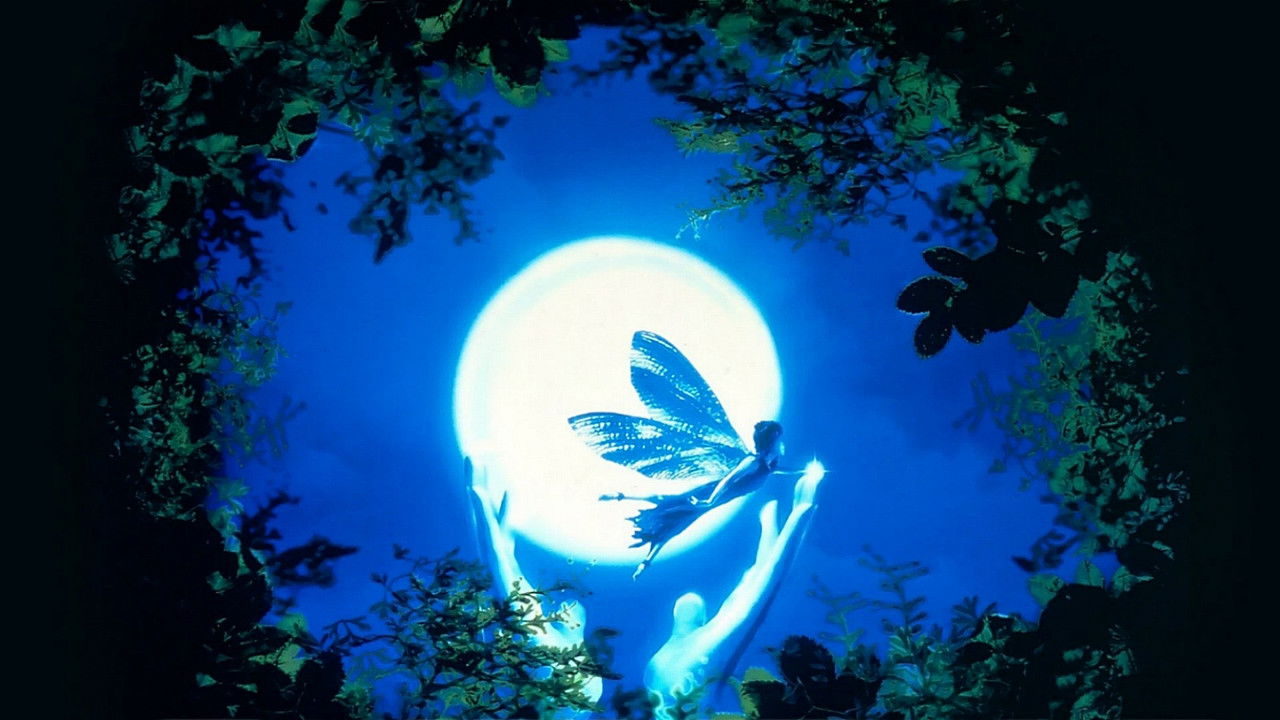
It’s easy to forget that FairyTale is indeed based on a "True Story," albeit one steeped in ambiguity. The actual Cottingley Fairies photographs, taken between 1917 and 1920, caused a sensation, convincing many, including Doyle. It wasn't until decades later, in the early 80s, that Elsie and Frances admitted the photos were faked using cardboard cut-outs (though Frances maintained the fifth photo, "The Fairy Bower," was genuine). The film gently acknowledges this ambiguity, focusing more on the feeling of wonder and the possibility of magic than on definitively solving the mystery.
Interestingly, despite its pedigree and enchanting premise, FairyTale: A True Story didn't quite capture the box office magic it depicted. Made on a reported budget somewhere north of $20 million, it earned only around $10 million worldwide. Perhaps its gentle, observational pace felt out of step with the louder cinematic trends of 1997. Yet, watching it now on a cozy evening, that quietness feels like a strength. It allows the story's charm and the performances to breathe, creating an atmosphere that lingers long after the credits roll. It’s the kind of film that might have been a cherished rental, discovered by chance and watched repeatedly, its soft edges a welcome contrast to the often brasher fare of the era.
A Glimmer of Enduring Wonder
FairyTale: A True Story might not be the most famous film from the late 90s, nor the most technically dazzling. It's a gentle, beautifully performed piece that explores themes of childhood innocence, belief, grief, and the clash between wonder and scepticism. It captures a specific kind of enchantment, rooted in a real historical oddity, and does so with warmth and respect. For those who remember encountering it on VHS, or for anyone seeking a dose of quiet charm, it remains a lovely, slightly melancholic cinematic daydream.

Rating: 7/10
This rating reflects the film's undeniable charm, strong performances (especially from the young leads and O'Toole), and its unique blend of historical curiosity and gentle fantasy. It’s held back slightly by a sometimes leisurely pace and effects that show their age, but its heart is firmly in the right place, earning it a fond spot in the annals of 90s family filmmaking.
It’s a reminder that sometimes, the most magical stories are the ones whispered just beyond the edge of certainty, waiting for us to decide whether or not to believe.