There’s a certain kind of magic that rarely graces the screen anymore, a magic woven not from spells or spectacle, but from the quiet, persistent power of the earth waking up. Watching Agnieszka Holland’s 1993 adaptation of The Secret Garden again, decades after first sliding that worn rental tape into the VCR, feels less like revisiting a simple children’s story and more like uncovering a surprisingly complex meditation on grief, healing, and the untamed corners of the human heart – mirrored perfectly by the wild, neglected beauty of its central sanctuary. It’s a film that understood, perhaps better than many aimed at younger audiences, that childhood isn't always sunshine and smiles; sometimes, it's shadowed by loss and loneliness.
A Gothic Welcome to Misselthwaite
The film wastes no time establishing its mood. We begin not in lush Yorkshire, but in the stark reality of colonial India, where young Mary Lennox (Kate Maberly) is orphaned by an earthquake and cholera outbreak, events depicted with a haunting abruptness. Shipped off to the imposing, shadowed halls of Misselthwaite Manor to live with her elusive Uncle Craven (John Lynch), Mary arrives thoroughly disagreeable – spoiled, sullen, and seemingly incapable of empathy. The house itself feels like a character: vast, cold, filled with echoes and secrets, presided over by the stern, watchful Mrs. Medlock (Maggie Smith). It’s a far cry from the often saccharine depictions of childhood in cinema; Holland, perhaps drawing on her background in more intense European dramas like Europa Europa (1990), isn’t afraid to let the darkness linger. This initial bleakness, this palpable sense of isolation, makes the eventual blossoming of the garden, and Mary herself, all the more resonant.
Where Light Creeps In

What truly elevates this adaptation beyond mere faithfulness is its breathtaking visual poetry. This is, after all, a film shot by the legendary Roger Deakins (Blade Runner 2049, No Country for Old Men). His cinematography doesn't just capture the Yorkshire moors and the eventual explosion of life within the garden walls; it feels them. The way light filters through dusty windows, the textures of stone and soil, the gradual shift from muted, melancholic blues and greys to vibrant, life-affirming greens and florals – it’s all rendered with an artist’s eye. The production design, too, is meticulous, making Misselthwaite Manor both austere and intriguing. Finding the key, pushing open that hidden door… who among us didn’t feel a thrill seeing that neglected space for the first time? I recall the almost painterly quality of those garden scenes, even on a fuzzy CRT screen back in the day, a testament to Deakins' masterful work. Reportedly, the incredible time-lapse sequences of plants blooming required painstaking effort, capturing the magic frame by frame long before digital effects made such things commonplace.
Children of the Manor
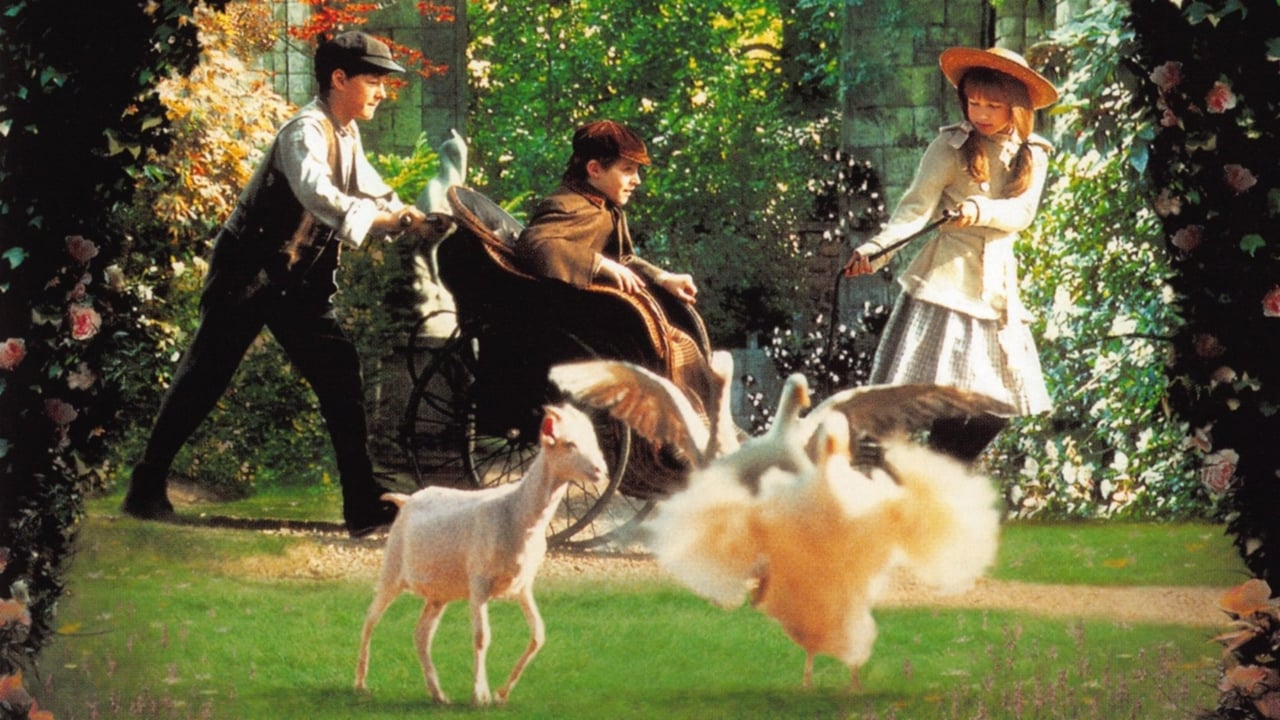
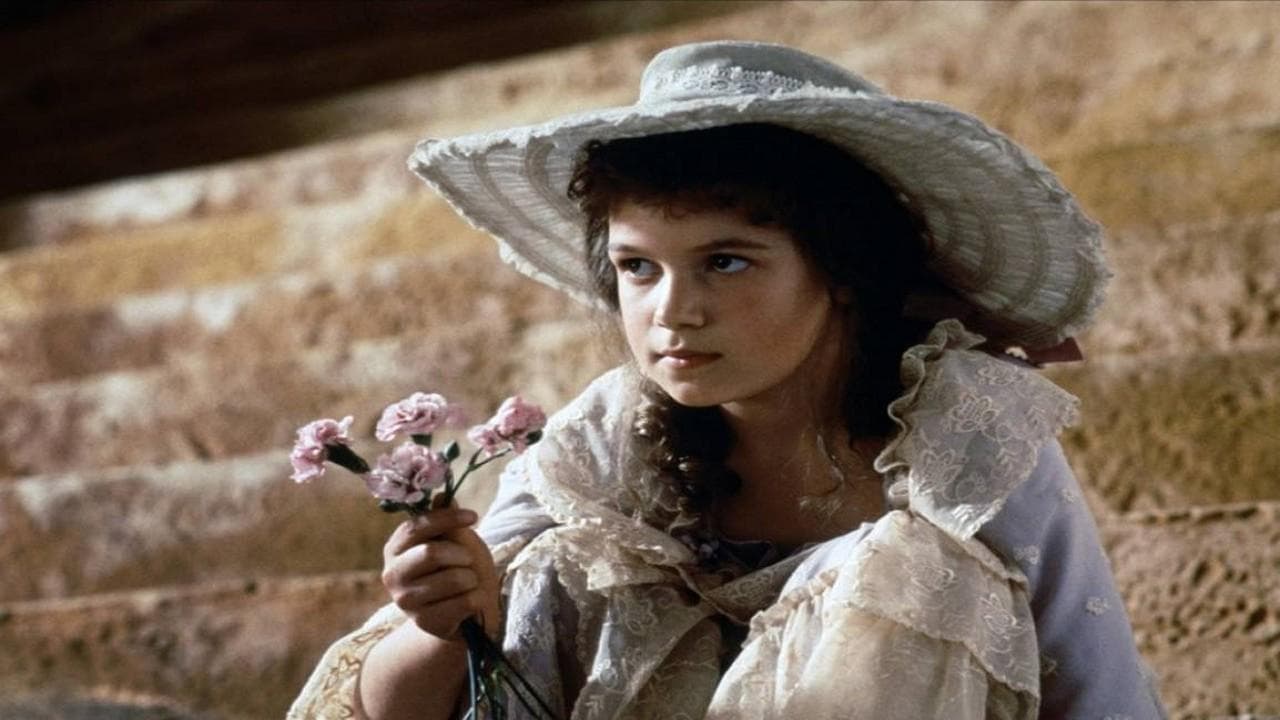
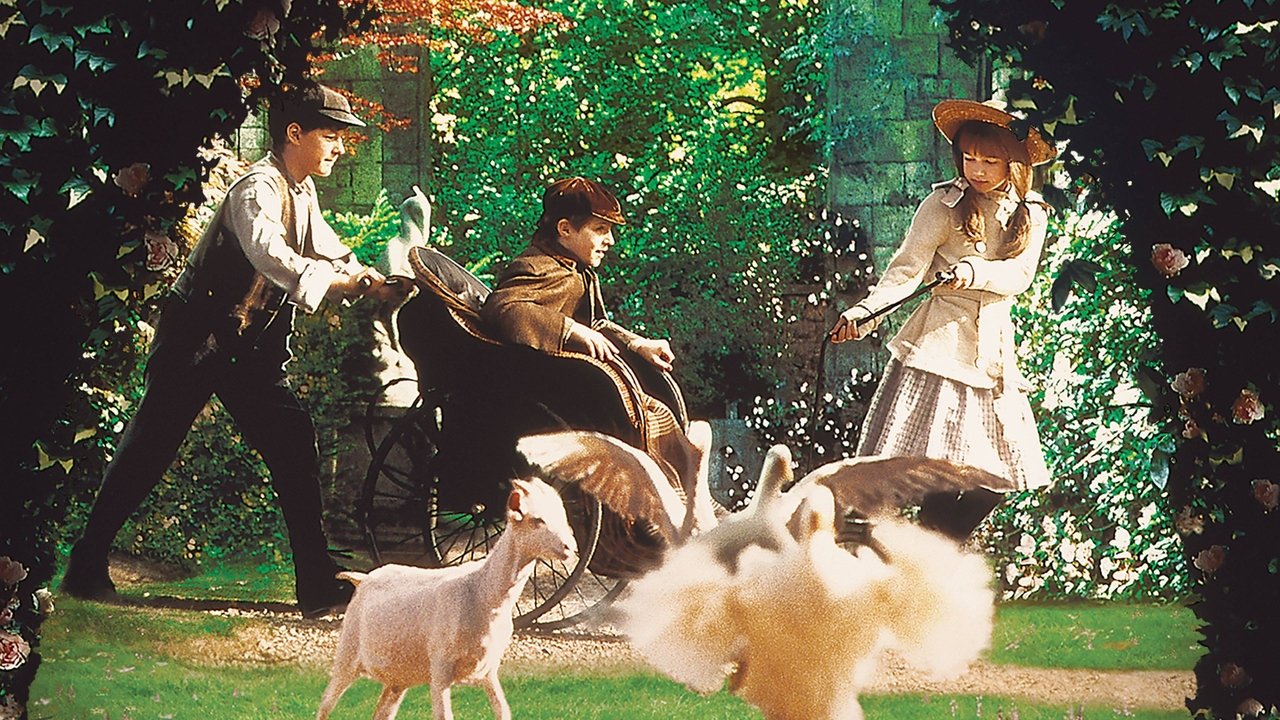
At the heart of the story are three remarkable young performances. Kate Maberly, chosen from thousands of hopefuls, is simply perfect as Mary. She completely embodies the initial sourness without making Mary entirely unsympathetic; we see the flicker of curiosity, the slow thaw of her defenses. Her transformation feels earned, driven by her discovery of the garden and her burgeoning, often prickly, friendships. Andrew Knott brings a gentle, earthy wisdom to Dickon Sowerby, the boy who seems more attuned to nature than to people. His quiet confidence and connection with the animals (real, trained animals, adding to the film's grounded feel) provide a vital contrast to the manor's stuffiness. And then there’s Heydon Prowse as Colin Craven, the boy hidden away, convinced he’s destined to die. Prowse navigates the challenging role of a demanding, fearful invalid with surprising depth, making Colin’s eventual emergence into the sunlit garden a moment of genuine triumph. The chemistry between these three young actors feels authentic, their shared secrets and discoveries forming the film's emotional core.
Secrets Behind the Walls
The adult cast provides sturdy support. Maggie Smith, long before becoming Professor McGonagall, lends Mrs. Medlock a formidable presence, hinting at layers beneath the stern exterior. John Lynch portrays Lord Craven’s grief as a palpable weight, his own healing subtly mirroring the children's journey. Screenwriter Caroline Thompson, who had already proven her knack for atmospheric, slightly gothic storytelling with Edward Scissorhands (1990), adapted Frances Hodgson Burnett’s novel with a focus on the psychological underpinnings of the children’s isolation and recovery. It’s interesting to note that director Agnieszka Holland herself connected deeply with the story's themes of healing from trauma, which perhaps explains the film's emotional gravity. This wasn't just a children's film assignment for her; it resonated personally. Even the haunting, evocative score by Zbigniew Preisner (a frequent collaborator with Krzysztof Kieślowski) adds to the film’s unique, almost European art-house sensibility, setting it apart from typical Hollywood family fare. Filmed largely on location at stunning sites like Fountains Abbey and Helmsley Walled Garden in the UK, the authenticity of the setting is undeniable – you can practically smell the damp earth and blooming roses.
A Garden That Endures
While perhaps lacking the overt whimsicality of some other adaptations, Holland’s The Secret Garden possesses a rare, quiet power. It treats children’s emotions – grief, anger, fear, joy – with respect and seriousness. It understands that finding connection, both with nature and with each other, is fundamental to healing. Its modest $31 million US box office take (from an ~$18 million budget) perhaps didn't set the world alight initially, but its reputation as a beautifully crafted, emotionally resonant film has only grown over the years. It stands as a touchstone 90s family classic, a period drama on VHS that many of us likely wore out. It doesn’t talk down to its audience; it invites them into a world rich with atmosphere and feeling.
Rating: 9/10
This score reflects the film's exceptional craft, particularly Roger Deakins' cinematography and the pitch-perfect performances from the young leads, anchored by Agnieszka Holland's sensitive direction. It masterfully balances darkness and light, capturing the book's essence while creating a distinct cinematic experience. The pacing is deliberate, letting the atmosphere breathe, and the emotional journey feels deeply earned. It falls just shy of a perfect score perhaps only because its very restraint might leave some viewers wishing for slightly more overt narrative drive in places, but its profound beauty and emotional depth make it a near-masterpiece of its kind.
What lingers most after revisiting The Secret Garden isn't just the visual splendor, but the quiet affirmation that even the most neglected places – within the earth, and within ourselves – hold the potential for new life. Isn't that a message that still resonates?