Okay, settle into that comfy armchair, maybe imagine the satisfying clunk of a VHS tape slotting into the VCR. Remember those afternoons when the right movie could feel less like watching a story and more like discovering a secret world hidden just beyond your own backyard? That’s the feeling Nick Castle’s gentle 1986 fantasy, The Boy Who Could Fly, captures so beautifully – a quiet wonder blooming amidst the ordinary backdrop of suburban life. It wasn't a flashy blockbuster, maybe not even the tape you reached for every single weekend, but it possessed a unique, heartfelt magic that lingers long after the credits roll.
### A Whisper of Wings in Suburbia
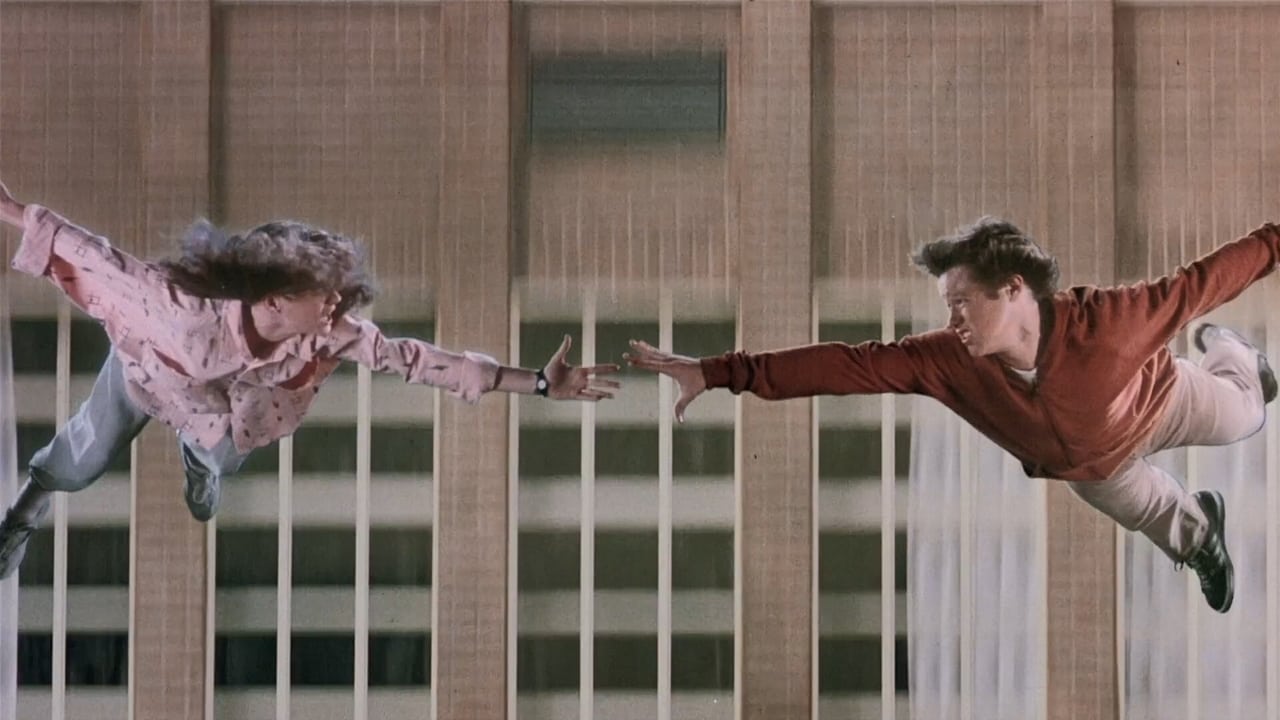
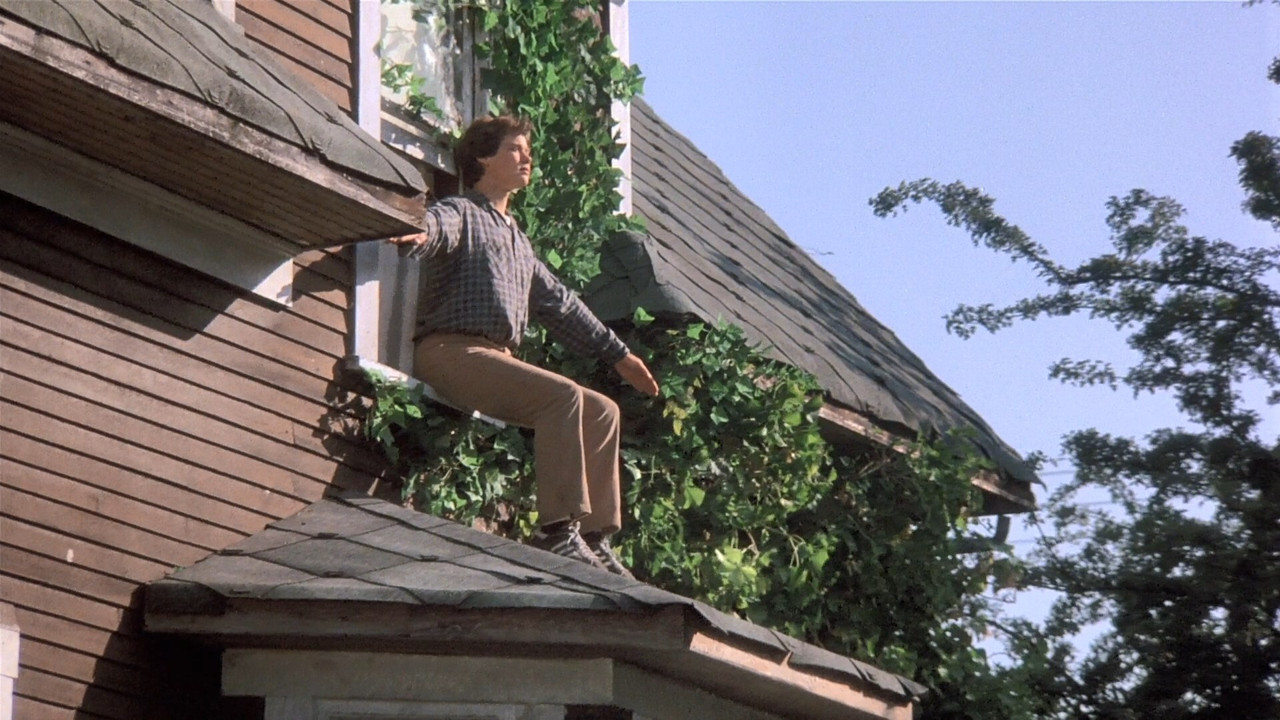
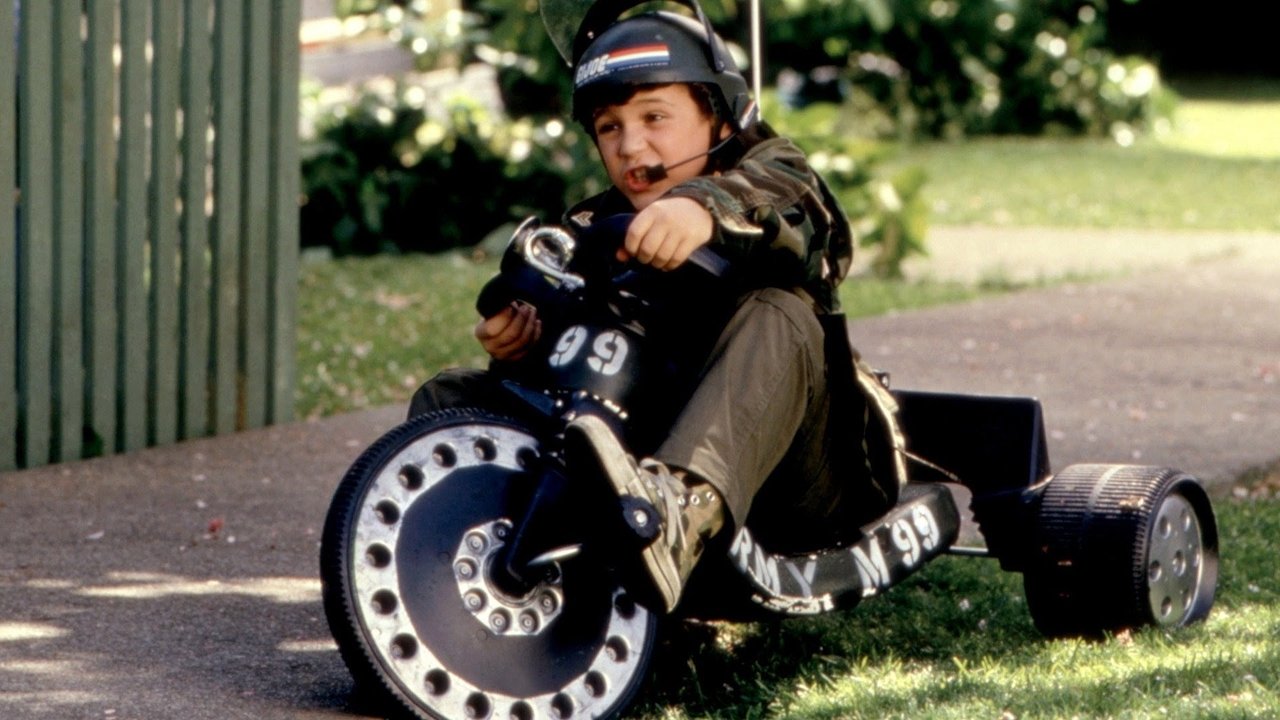
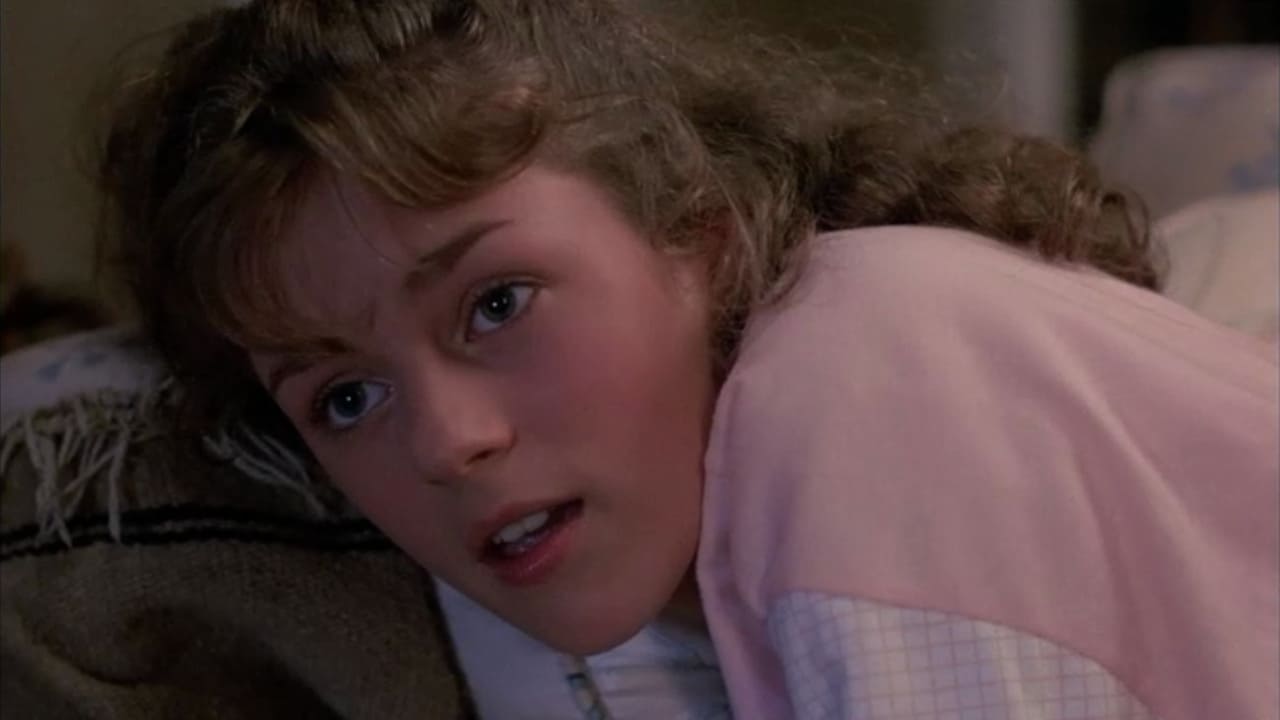
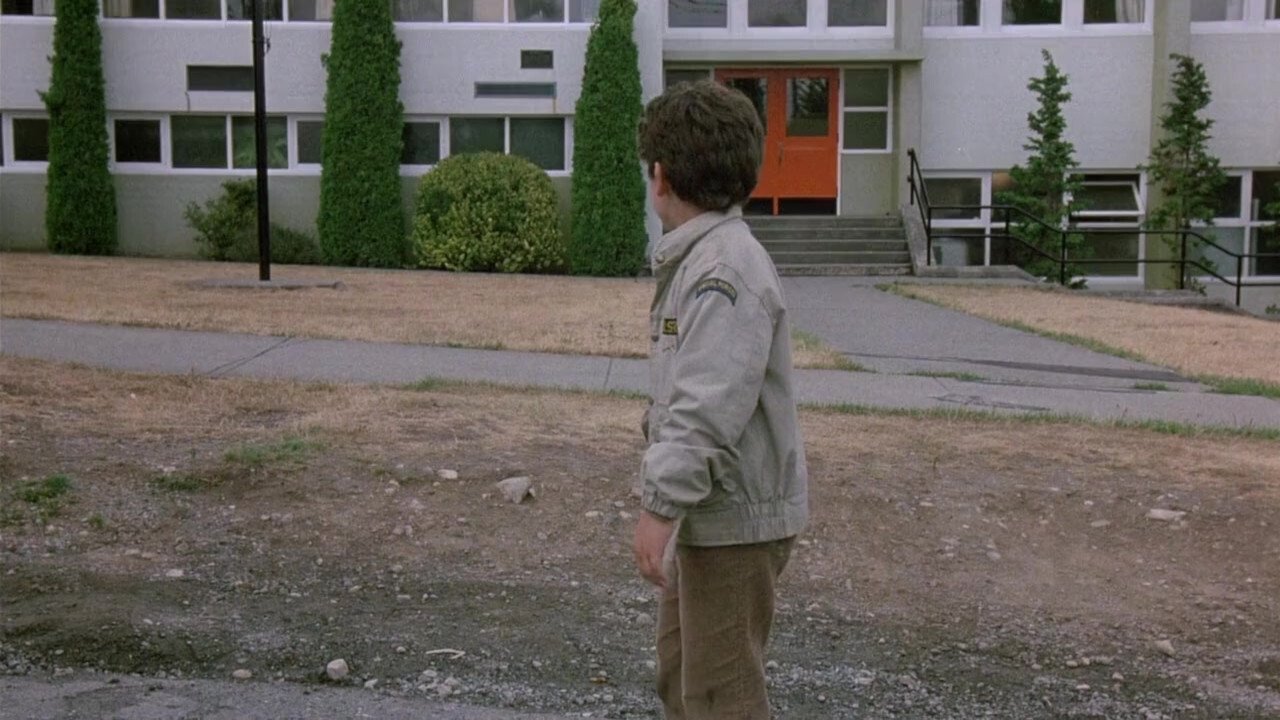
The film introduces us to Milly Michaelson (Lucy Deakins), a bright teenager trying to navigate the world after her father's tragic death. Her family, including her pragmatic mother Charlene (Bonnie Bedelia, bringing her characteristic warmth and strength just a couple of years before facing terrorists in Nakatomi Plaza) and her endearingly persistent younger brother Louis (a very young Fred Savage, already showing the charm that would make him a star in The Wonder Years), moves into a new house, hoping for a fresh start. It’s next door, however, that the real story unfolds. There lives Eric Gibb (Jay Underwood), a boy who hasn't spoken a word since his own parents died in a plane crash, and who spends his days perched precariously on rooftops and window ledges, utterly convinced he can fly.
What makes The Boy Who Could Fly special isn't grand spectacle, but its grounded emotional core. Castle, who, in a delightful twist of Hollywood fate, also chilled us to the bone as the original Michael Myers in Halloween (1978) and directed the beloved sci-fi adventure The Last Starfighter (1984), crafts a story less about superpowers and more about healing, connection, and the power of believing in the impossible, especially when faced with grief. Milly's journey isn't just about helping Eric; it's about finding her own way to process loss and open herself up to wonder again.
### Taking Flight with Heart (and Wires)
The performances are key to the film’s charm. Deakins portrays Milly with a relatable blend of teenage skepticism and yearning hope. Her bond with Eric feels earned, developing slowly through shared moments of quiet understanding. Underwood, tasked with conveying a complex inner world without dialogue, does so admirably through expressive physicality and those intense, focused eyes. He makes you believe in Eric's unwavering conviction. And let's not forget the wonderful Fred Gwynne (forever Herman Munster to many of us) in a lovely supporting role as Uncle Hugo, adding a touch of gentle eccentricity.
Of course, the central question is: can Eric actually fly? Castle wisely keeps the magic ambiguous for much of the film, letting us see Eric’s rooftop vigils through Milly’s initially doubtful eyes. When the flying sequences do arrive, they possess a certain analog grace that feels perfectly suited to the era. Forget slick CGI; this was the age of intricate practical effects. Achieving Eric's flights involved complex wire rigs and cranes, meticulously choreographed to look less like a superhero soaring and more like… well, a boy tentatively defying gravity. Reportedly, the harness wasn't the most comfortable contraption for Jay Underwood, but the result on screen is a delicate, almost dreamlike quality that feels far more magical than effortless digital flight ever could. There's a tangible sense of effort and wonder that resonates with the film's themes.
Retro Fun Fact: While not a box office juggernaut (earning a modest $8.7 million on an approximate $8 million budget), The Boy Who Could Fly found a dedicated audience on home video and television, becoming one of those cherished rentals that families discovered together. Its sensitive portrayal of Eric, who today might be understood through the lens of autism or selective mutism following trauma, was quite progressive for its time, focusing on empathy and connection rather than diagnosis.
### More Than Just Whimsy
Beneath the fantasy layer, the film tackles weighty themes with a surprisingly delicate touch. Grief hangs over both Milly's and Eric's families, and the adults around them grapple with how to help these children navigate immense loss. Bonnie Bedelia's Charlene, in particular, represents the struggle of a parent trying to remain strong and practical while acknowledging her children's emotional needs and Milly's growing belief in Eric's abilities. The score by Bruce Broughton (who also scored classics like Silverado and Young Sherlock Holmes) perfectly complements this blend of melancholy and hope, swelling not just for the moments of flight, but for the quiet emotional breakthroughs too.
The film isn’t without its 80s quirks – some synth-heavy musical cues, the familiar suburban aesthetic – but these elements now mostly add to its nostalgic charm. It speaks to a time when family films could be gentle, patient, and focused on character without needing constant action or jokes. It encourages empathy and dares to suggest that sometimes, the most extraordinary things can happen in the most ordinary places, fueled by belief and human connection.
***
VHS Heaven Rating: 7/10
The Boy Who Could Fly is a tender, heartfelt film that might feel a little slow or overly sentimental by today's standards, but its emotional honesty and gentle sense of wonder are undeniable. The performances are sincere, the practical flying effects possess a unique charm, and its core message about healing through connection and belief still resonates. It doesn't soar with the spectacle of other 80s fantasy classics, but its quiet magic earns it a solid 7, rewarding viewers seeking warmth and sincerity over bombast.
It remains a lovely reminder that sometimes, the greatest adventures aren't across galaxies, but in learning to understand the quiet boy next door and maybe, just maybe, believing he can touch the sky. A true gem from the heart of the video store era.