Some films don't just end; they seep into you, leaving a stain long after the credits roll. Angel Heart is one such stain, a noir so drenched in sweat, sulphur, and foreboding it feels less like a movie and more like a humid, inescapable nightmare viewed through the flickering haze of a late-night CRT screen. It’s the kind of tape you might have rented on a whim back in '87, drawn by the moody cover art and the promise of Mickey Rourke brooding his way through a mystery, only to find yourself plunged into something far deeper and more unsettling than you bargained for.
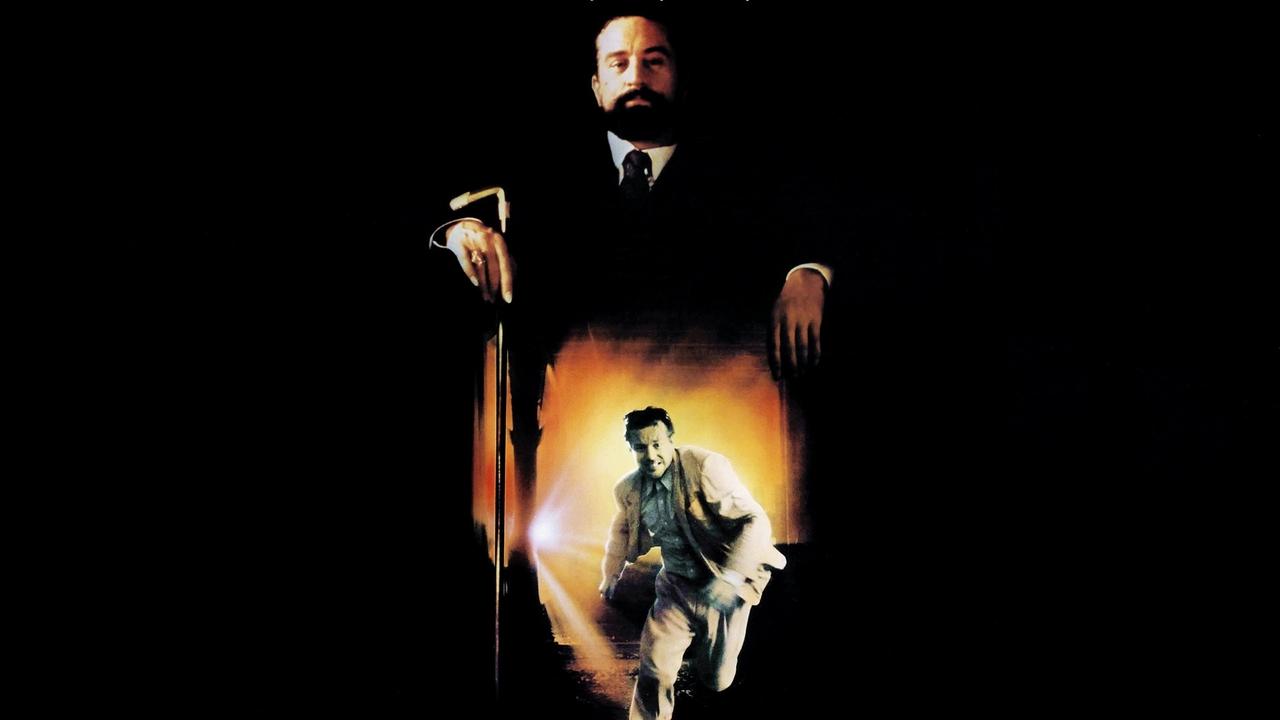
Down the Spiral Staircase
The setup feels classic noir: 1955, Brooklyn. Gumshoe Harry Angel (Mickey Rourke, radiating a weary charisma just before his star truly exploded and then imploded) takes a seemingly simple case from the enigmatic Louis Cyphre (Robert De Niro). Find a missing crooner named Johnny Favorite, who vanished after World War II owing Cyphre a significant debt. The trail leads Harry from the grimy streets of New York to the sweltering, superstitious heart of Louisiana, a landscape thick with secrets, jazz, and voodoo. Director Alan Parker, who previously navigated dark territories with Midnight Express (1978) and Pink Floyd – The Wall (1982), uses this geographical shift to crank up the atmosphere from gritty realism to suffocating supernatural dread. You can almost feel the damp heat clinging to Angel, mirroring the inescapable nature of his investigation.
Atmosphere as Character
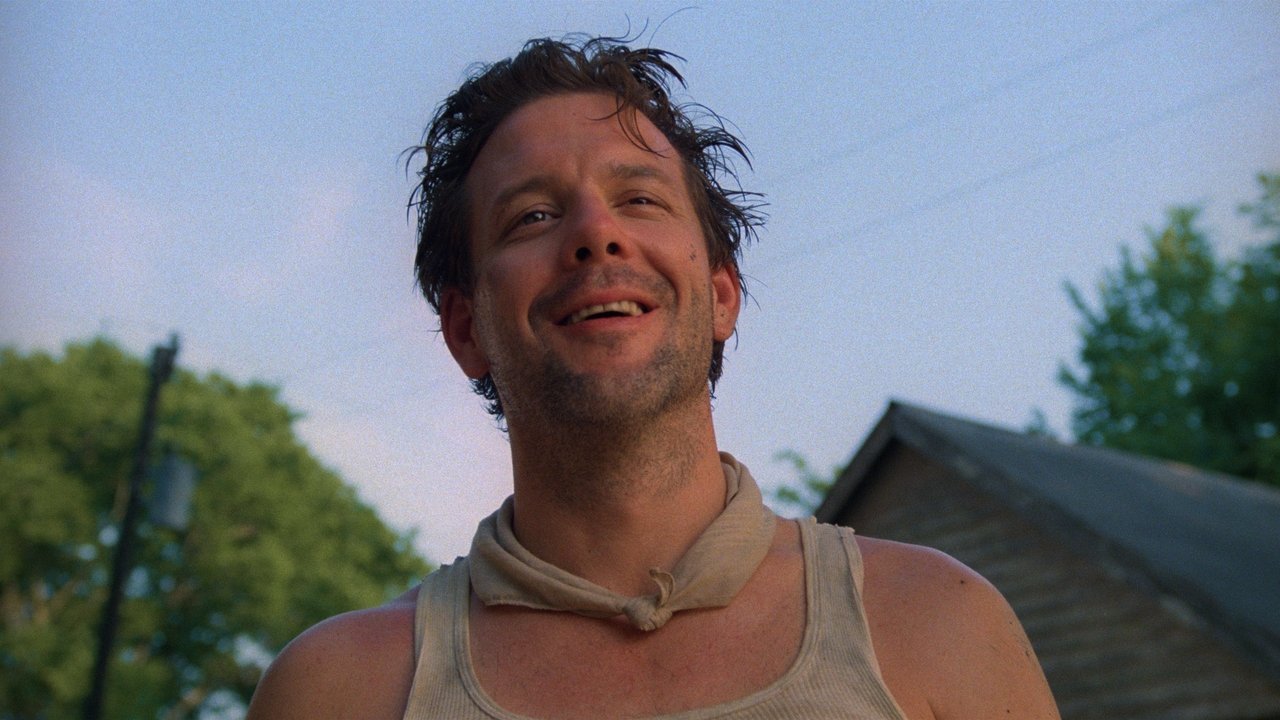
Parker masterfully crafts a world dripping with decay and menace. The colour palette is muted, favoring sickly greens, oppressive browns, and sudden bursts of blood-red. Fans turn endlessly in stuffy rooms, slicing the heavy air but offering no relief – a recurring visual motif hinting at a cyclical, inescapable fate. Trevor Jones’s score is a masterpiece of unease, blending mournful saxophone solos with dissonant whispers and pounding, primal rhythms that burrow under your skin. It’s the sound of a soul fraying at the edges. The production design is impeccable, capturing both the post-war grime of Harlem and the unique, potent blend of Catholicism and voodoo simmering in the Louisiana bayous. I distinctly remember the texture of this film on VHS; the slightly degraded image quality somehow enhanced the grime, making Angel's descent feel even more tactile and sordid.
Performances Forged in Fire
Mickey Rourke is magnetic as Harry Angel. He embodies the hard-boiled detective archetype but layers it with a growing vulnerability and confusion that becomes palpable terror. You watch him shed his initial cocky swagger layer by layer as the case unravels him. It's a raw, committed performance from an actor then at the peak of his powers.
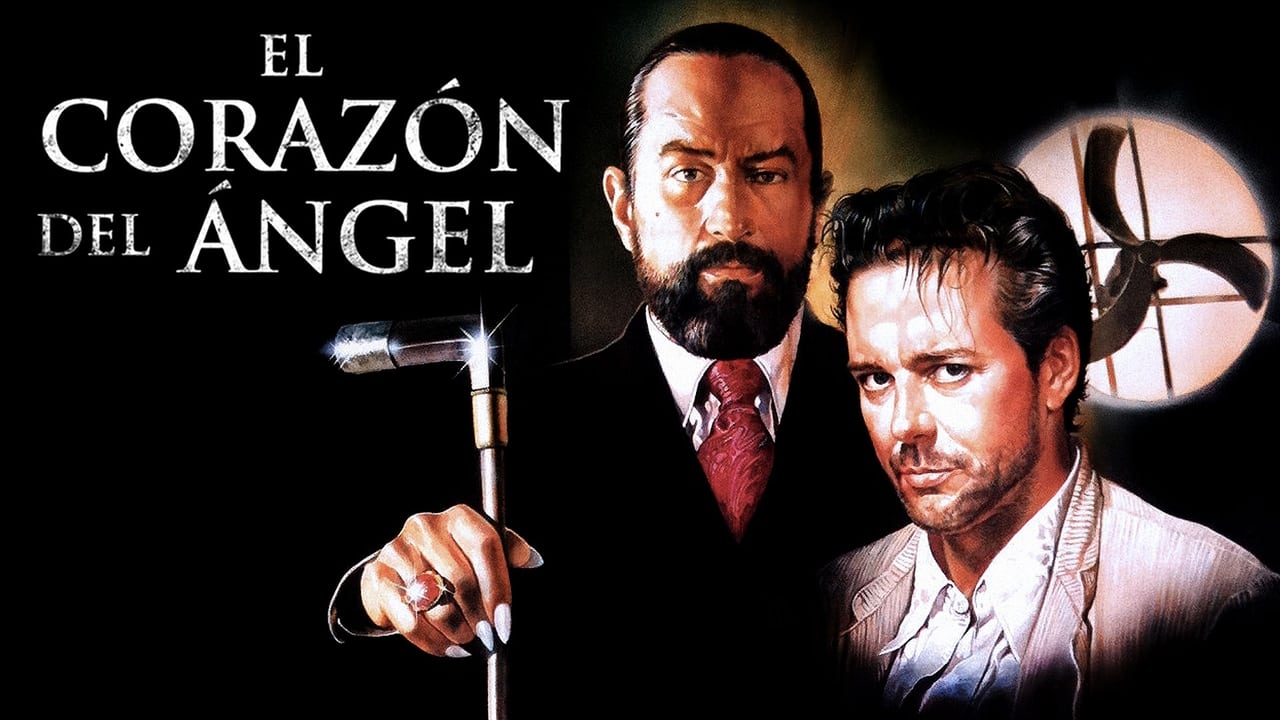
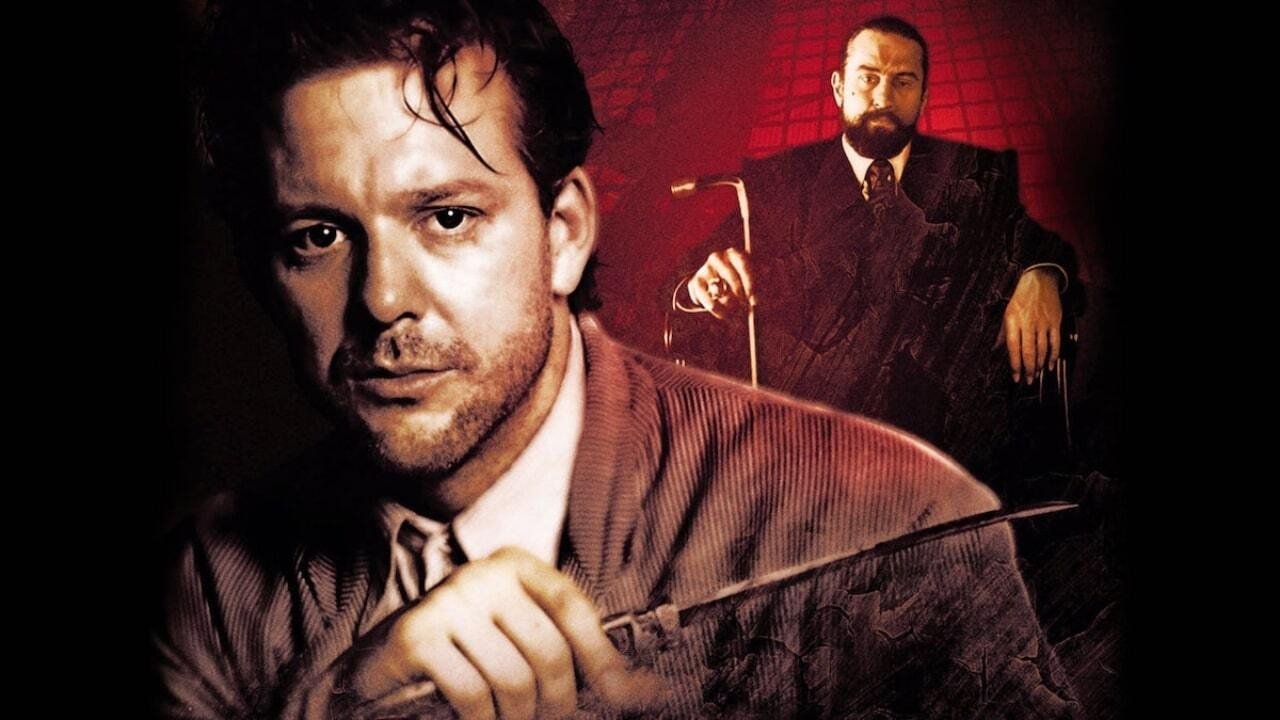
Then there's Robert De Niro as Louis Cyphre. Though his screen time is limited, his presence looms large. Calm, impeccably dressed, with unnervingly long fingernails (a detail De Niro reportedly suggested himself), Cyphre radiates a chilling blend of sophistication and pure evil. Every line delivery is measured, polite, yet dripping with menace. Forget subtle hints; his very name is practically a spoiler screamed through a megaphone, yet De Niro's performance is so controlled, so mesmerizingly sinister, you almost overlook it. It’s said Alan Parker also considered Marlon Brando and Jack Nicholson for the role, but it's hard to imagine anyone capturing Cyphre's specific brand of terrifying elegance quite like De Niro.
And Lisa Bonet, stepping dramatically away from her wholesome image as Denise Huxtable on The Cosby Show, is unforgettable as Epiphany Proudfoot, a young Voodoo priestess entangled in the mystery. It was a brave, controversial role. Her scenes with Rourke, particularly that infamous sequence drenched in rain and blood, possess a raw, primal energy that led to a highly publicized ratings battle with the MPAA. Parker ultimately had to trim mere seconds (reportedly around 10 seconds) to secure an R rating instead of the commercially challenging X, but the scene still retains its shocking power.
Dark Legends and Studio Battles
Based on William Hjortsberg's novel Falling Angel, Parker's adaptation dives headfirst into the book's bleakest corners. The journey wasn't smooth. Beyond the ratings controversy, the film wasn't a huge box office success initially (grossing roughly $17.2 million against an $18 million budget – a disappointment at the time). Yet, like so many challenging films of the era, it found its audience on home video, becoming a quintessential cult classic whispered about in dimly lit video stores. Doesn't that unsettling feeling it leaves – that mix of noir fatalism and supernatural horror – still feel potent today? The film’s power lies in its gradual reveal, the way clues are seeded (eggs, religious iconography, names) that only click into place during its devastating climax.
(Spoiler Alert!) The final revelation – that Harry Angel is Johnny Favorite, having sold his soul to Cyphre (Lucifer, naturally) and tried to renege on the deal via amnesia – reframes the entire narrative. Angel hasn't been solving a mystery; he's been uncovering his own damnation, unknowingly eliminating anyone who could remind him of his past sins. It’s a gut-punch ending that felt genuinely shocking back then, cementing the film's status as a truly dark piece of 80s cinema.
The Verdict
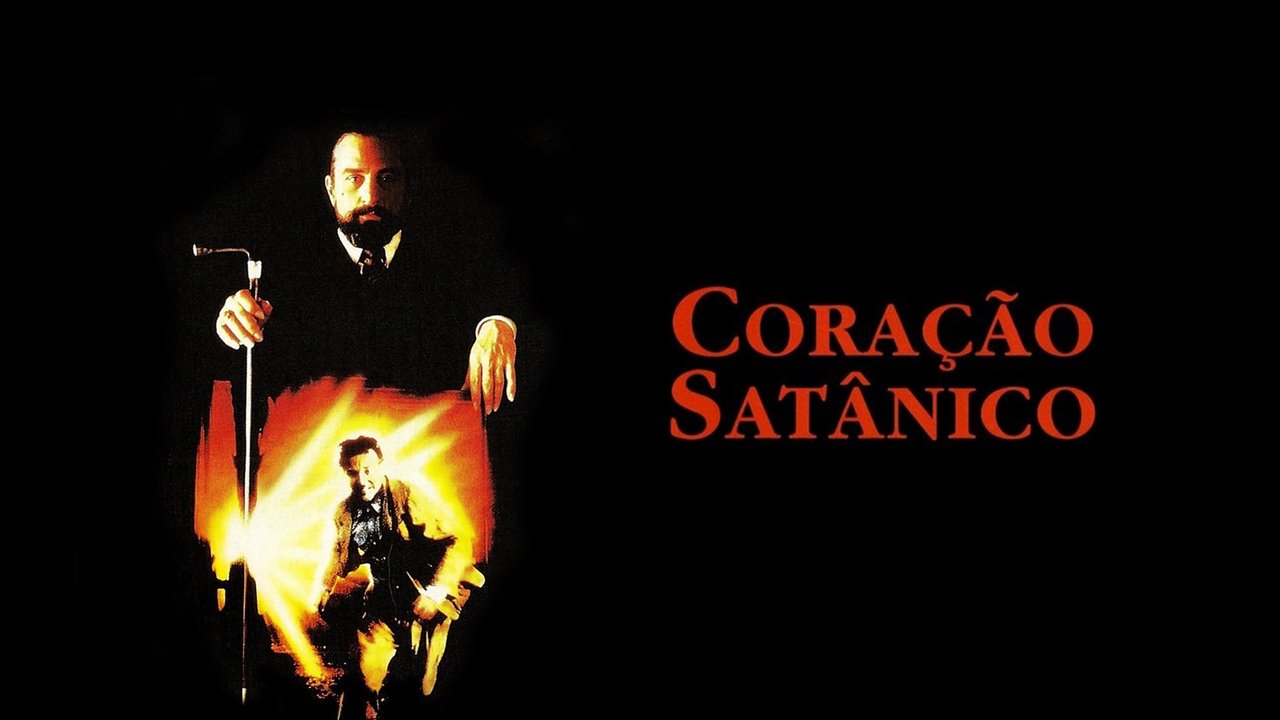
Angel Heart remains a potent, deeply atmospheric plunge into darkness. It blends detective noir, Southern Gothic, and supernatural horror into a uniquely disturbing concoction. The performances are stellar, particularly Rourke's descent and De Niro's iconic portrayal of sophisticated evil. Its deliberate pacing might test some viewers, and its bleakness is unrelenting, but the oppressive mood Parker crafts is undeniable and lingers long after the tape stops whirring. It’s a film that truly understood how to weaponize atmosphere.
Rating: 8/10
This score reflects its masterful control of tone, unforgettable performances, and genuinely chilling narrative arc. It’s a near-perfect execution of supernatural noir, held back only slightly by a pace that occasionally feels as thick and slow as Louisiana mud. It’s a film that doesn't just ask you to look into the abyss; it drags you down with its doomed protagonist, leaving you haunted by the cloying scent of brimstone and cheap cologne. A true gem from the darker corners of the VHS shelf.