Okay, fellow travelers through the flickering static of VHS tapes, let's dim the lights. Forget the overblown jump-scare fests that clogged multiplexes later in the decade. Tonight, we descend into Georgetown, seventeen years after the nightmare that gripped the MacNeil family, and find something perhaps even more chilling: the insidious quiet of evil taking root once more. We're talking about William Peter Blatty's return to his haunted territory with The Exorcist III (1990), a film that feels less like a direct sequel and more like a cold, creeping dread settling into your bones.
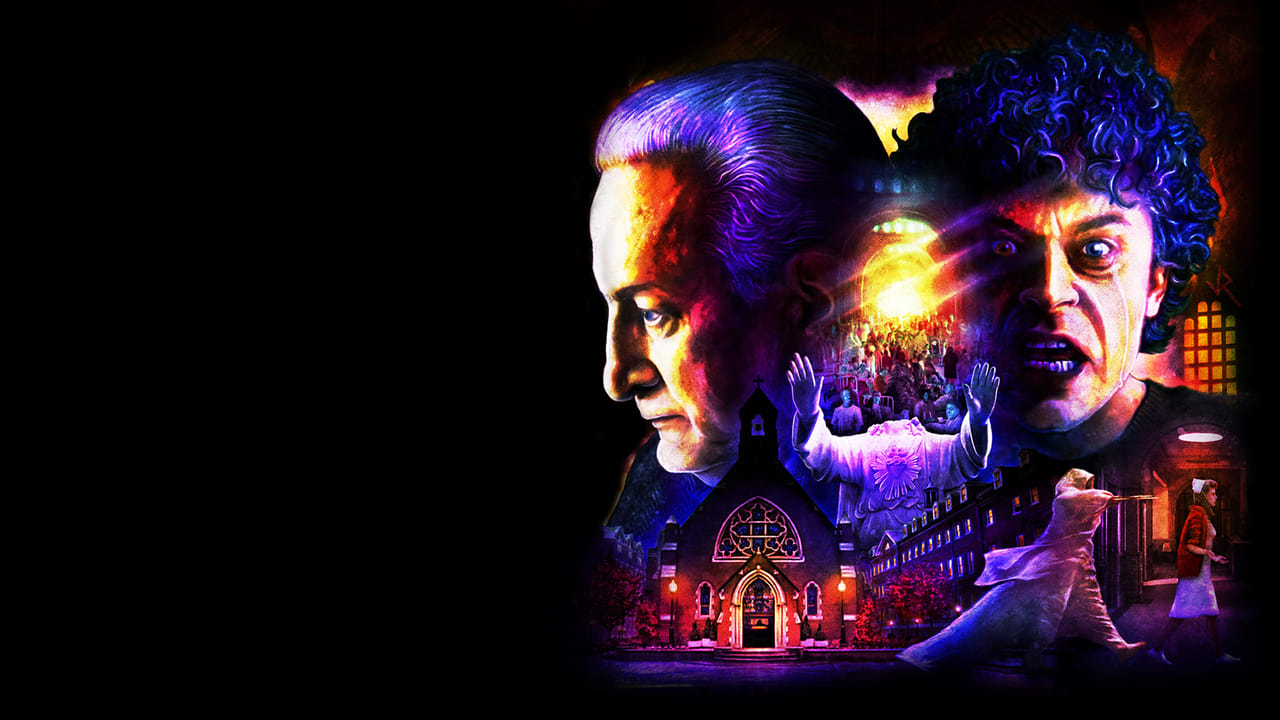
This isn't the visceral shock of pea soup and spinning heads from the 1973 original, directed by the legendary William Friedkin. Instead, Blatty, adapting his own novel Legion, crafts a film steeped in existential weariness, philosophical despair, and sudden, brutal violence that erupts from suffocating stillness. The air hangs heavy from the opening frames, doesn't it? That distinct feeling of something fundamentally wrong, lurking just beyond the periphery.
A Detective Walks Into Hell
Our guide through this encroaching darkness is Lieutenant William F. Kinderman, played with magnificent, world-weary gravitas by the inimitable George C. Scott. This is the same Kinderman from the first film (originally played by Lee J. Cobb), now older, haunted by the unsolved death of his friend Father Damien Karras, and investigating a new string of gruesome murders bearing the unmistakable signature of the Gemini Killer – a serial killer executed fifteen years prior. Scott’s performance is the bedrock of the film; his gruff warmth, particularly in scenes with his dear friend Father Dyer (Ed Flanders, radiating gentle melancholy), makes the encroaching horror feel deeply personal. Their conversations, full of movie trivia and quiet companionship, are islands of light in an ocean of encroaching blackness – making the shadows feel even darker when they inevitably fall. I always found their rapport so genuine; it felt like listening in on two old friends, unaware of the abyss opening beneath them.
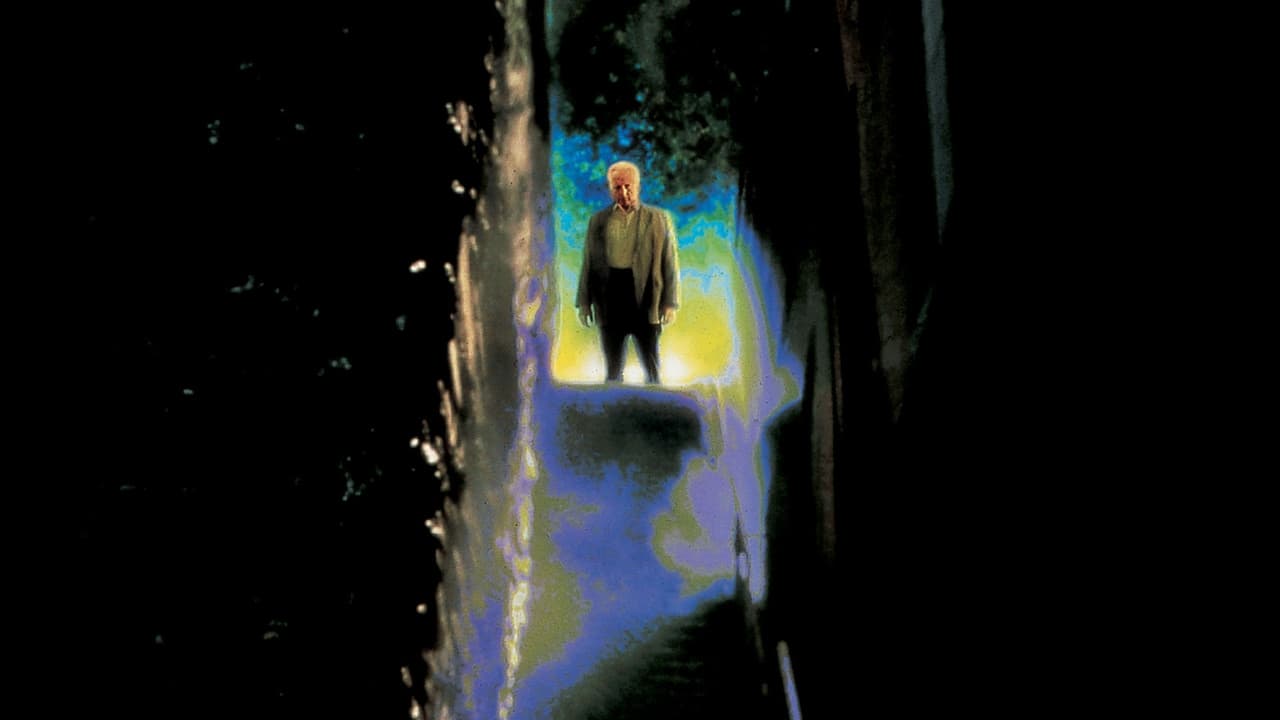
The investigation leads Kinderman down a rabbit hole lined with religious iconography and psychological torment, centering on a psychiatric ward where the darkness seems to coalesce. The production design here is masterful – sterile corridors, dimly lit rooms, the oppressive sense of confinement mirroring the spiritual imprisonment at the film's core. Remember those long, static shots down the hospital hallways? Pure, distilled atmosphere. Blatty knew exactly how to use stillness and silence to build unbearable tension, a skill often lost in modern horror's relentless pace.
The Patient in Cell 11
And then there's the heart of the mystery: Patient X. Here's where the film's troubled production history becomes part of its fascinating, somewhat fractured narrative. Blatty originally envisioned the film, titled Legion like his novel, without an explicit exorcism. The entity tormenting the hospital was the spirit of the Gemini Killer, using the decaying body of Damien Karras as its vessel. Initially, Jason Miller (the original Karras) wasn't available or deemed suitable for the demanding dialogue scenes, leading to the casting of the mesmerizing Brad Dourif (whose chilling voice work in Child's Play (1988) already cemented his horror cred) as the Gemini Killer aspect of the possessed patient. Dourif delivers monologues dripping with malevolent intelligence and theatrical cruelty, truly embodying the calculating evil of the killer. His performance is electrifying, a coiled serpent ready to strike from the shadows of the cell.
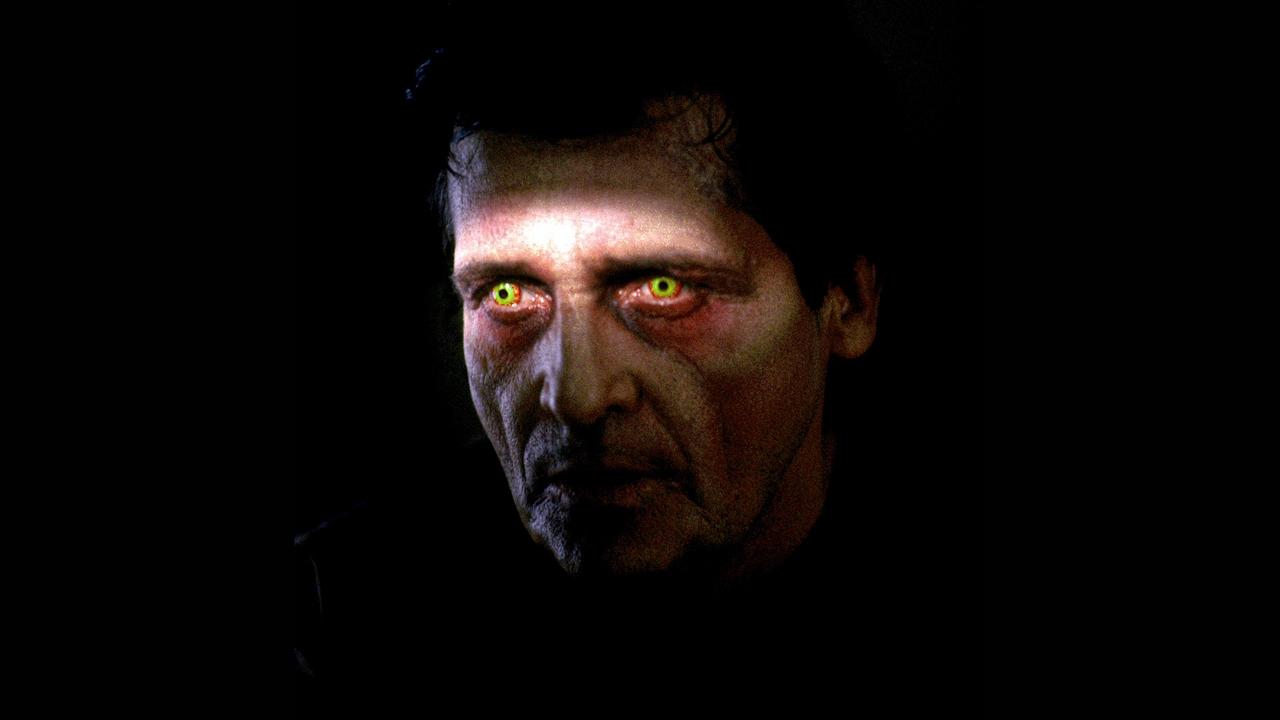
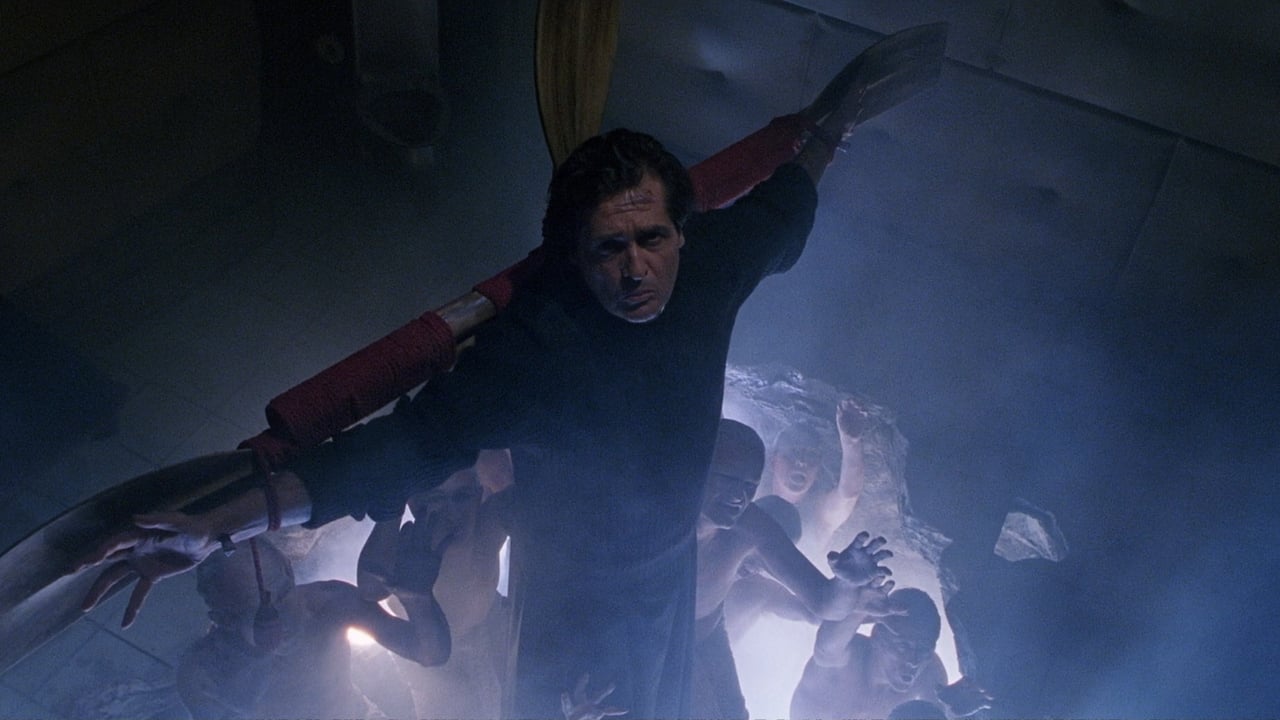
However, studio Morgan Creek Productions, reportedly nervous about a Exorcist sequel lacking an actual exorcism, demanded extensive reshoots. This led to Miller's return to physically embody Karras in certain shots and the insertion of a bombastic, effects-laden climax featuring Father Morning (Nicol Williamson). This tacked-on ending feels jarringly out of sync with the preceding film's slow-burn, psychological dread. It's a fascinating "what if?" scenario – Blatty's preferred director's cut, restoring his original vision, surfaced years later, offering a more cohesive, albeit less commercially palatable, experience.
Moments That Linger Like Cold Sweat
Despite the studio meddling, The Exorcist III boasts sequences of sheer, unadulterated terror that stand among the best of the era. The infamous "Nurse Station" sequence is a masterclass in tension and release – that long, agonizing take down the corridor, the mounting unease, culminating in a perfectly timed shock that likely made more than a few of us jump clear off the sofa back in the day. It wasn't just loud; it was earned. There’s also the chilling confession scene, shot in a suffocatingly tight close-up, where the evil spills out in a torrent of horrifying detail. And who could forget the dream sequence involving heaven depicted as a bustling Grand Central Station? It's surreal, haunting, and speaks volumes about Kinderman's psyche.
Let's talk practical effects for a moment. While the reshot exorcism leans into slightly more dated '90s visuals, the subtle makeup on Patient X, the glimpses of the Gemini's victims – these carry a weight and unpleasantness that digital effects often struggle to replicate. There's a tactile quality to the horror, a sense of violation that feels disturbingly real.
Legacy in the Shadow of a Masterpiece

The Exorcist III occupies a strange space. It's undeniably flawed, scarred by compromises that pull it in conflicting directions during its final act. Yet, for roughly two-thirds of its runtime, it's a remarkably effective, intelligent, and deeply atmospheric horror film – arguably the only truly worthy successor to the original phenomenon. It ditches imitation for its own distinct brand of theological terror, blending police procedural grit with supernatural dread in a way few films attempt, let alone achieve with such unnerving style. Did it recapture the cultural earthquake of the original? Of course not. But judged on its own terms, it's a potent piece of filmmaking that understood fear is often found not in the bang, but in the agonizing silence that precedes it. I distinctly remember renting this from the local video store, the stark cover art promising something intense, and it delivered a specific kind of unease that stuck with me long after the tape was returned.
Rating: 8/10
The score reflects a film that is largely brilliant – masterful in its atmosphere, tension-building, and driven by powerhouse performances, particularly from Scott and Dourif. It loses points primarily for the studio-mandated climax which, while offering some visceral moments, clashes tonally with Blatty's more insidious and psychological original vision. Despite this, The Exorcist III remains a potent and chilling horror experience, a standout sequel that dared to be different and mostly succeeded, leaving a far more lasting chill than many of its flashier contemporaries. It’s a film that rewards patience, settling under your skin and reminding you that sometimes, the greatest horrors are whispered, not screamed.