The flickering static clears, the tracking adjusts, and a title card appears – stark, perhaps a little cheap, but undeniably lurid: The Dorm That Dripped Blood. It wasn't always called that, you know. Originally shot under the more benign title Pranks, the distributors knew exactly what kind of market they were chasing in 1982. They needed blood, they needed suggestive menace, and they slapped a title on this gritty little student film that promised exactly that, landing it squarely on the radar of gorehounds and, infamously, the UK's Director of Public Prosecutions.
Closing Down for the Holidays
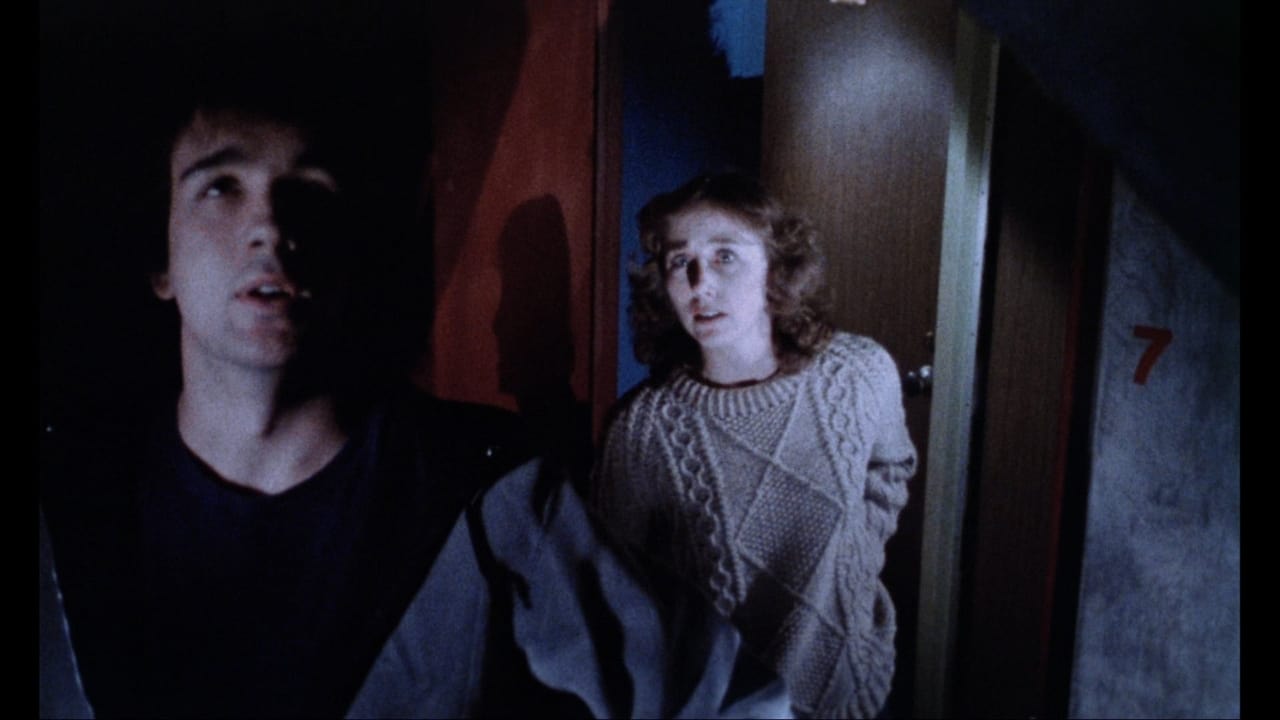
The setup is pure slasher 101: a college campus, specifically Alpert Hall at UCLA (where directors Stephen Carpenter and Jeffrey Obrow were students), is shutting down for Christmas break. A skeleton crew of students – Joanne (Laurie Lapinski), Brian (Stephen Sachs), Patty (Pamela Holland), Craig (David Snow), and Debbie (Daphne Zuniga in a blink-and-you'll-miss-it, ultimately near-excised early role) – stays behind to help clear out one of the dorms slated for renovation or demolition. Isolation? Check. Creepy, soon-to-be-empty building? Check. A barely sketched-in motive involving disgruntled locals or maybe something darker lurking within the walls? Check and check. What starts as tedious packing and inventory quickly descends into a grim fight for survival as an unseen killer begins picking them off with tools readily available from the maintenance shed.
From Pranks to Panic
What sets Dorm apart, if anything, isn't narrative ingenuity. The plot treads familiar ground, populated by characters who make the usual questionable decisions slasher victims are prone to. No, its lingering notoriety stems from its raw, almost grimy aesthetic and the sheer nastiness of its violence, even in the heavily truncated versions most audiences saw. This film, born as a UCLA student project on a shoestring budget (reportedly around $180,000), carries an air of bleak realism often missing from glossier productions. The dorm feels genuinely rundown, the atmosphere is cold and unwelcoming, and the practical effects, while perhaps crude by today's standards, aimed for visceral impact.
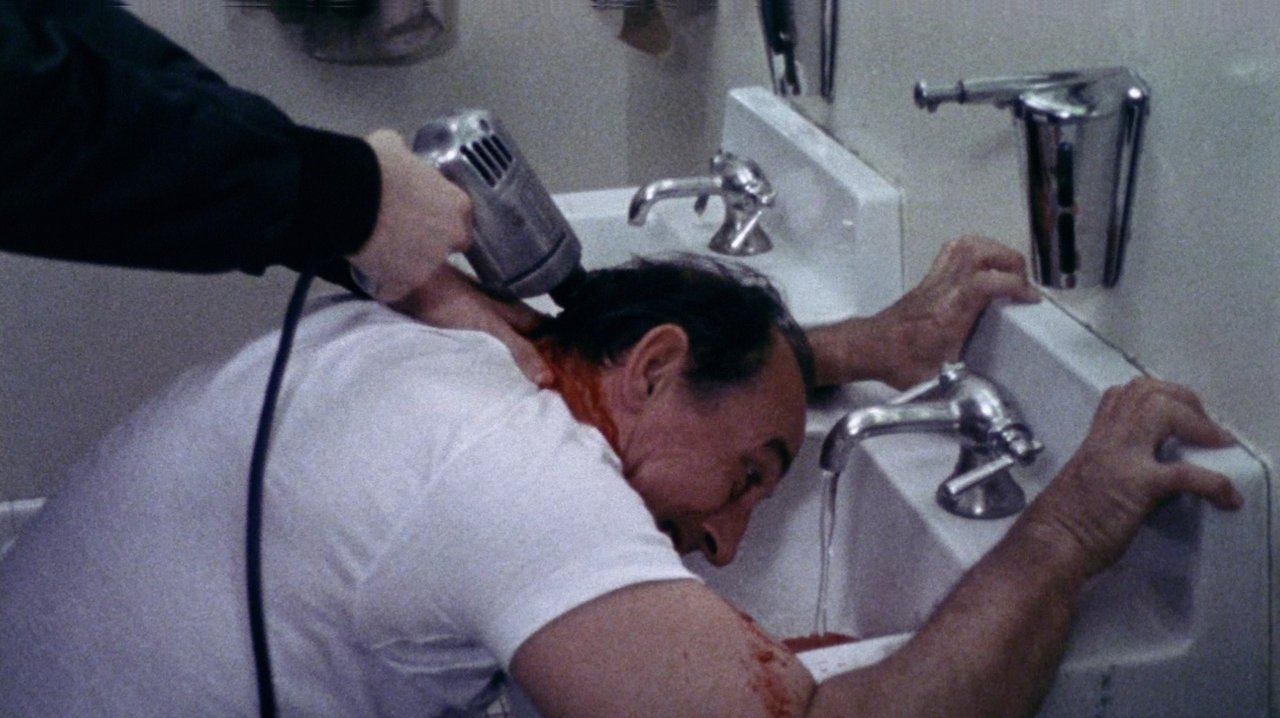
The MPAA certainly thought so, demanding significant cuts to avoid an X rating. We lost extended shots of a spiked baseball bat bludgeoning, gruesome close-ups of a pressure cooker kill (yes, really), and the film's most infamous sequence: a graphic encounter with a power drill. These cuts, often clumsy, leave noticeable jumps and rob the scenes of their intended gruesome payoffs, ironically making some moments feel even more jarring. This wasn't sleek Hollywood horror; it felt like something rougher, something dredged up from the anxieties of its time, which probably contributed to its inclusion on the UK's notorious "Video Nasty" list. Watching it now, you can almost feel the phantom limbs of those excised frames.
A Certain Grimy Charm
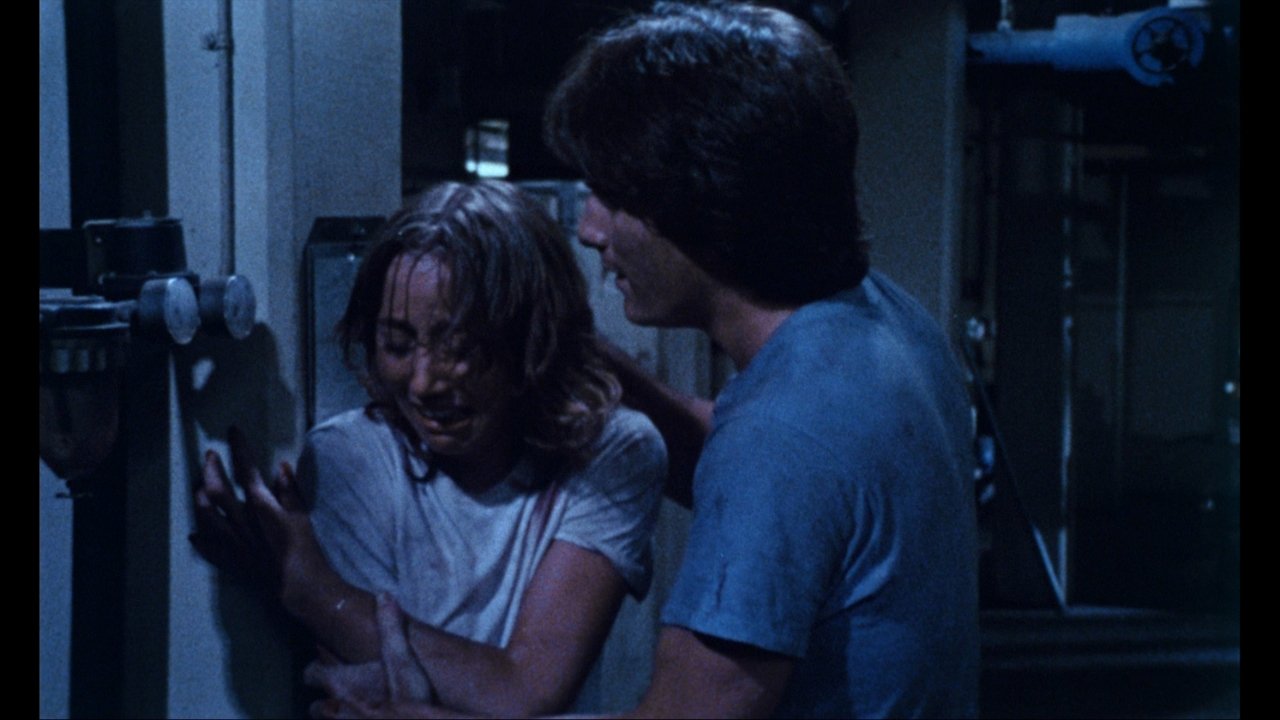
The performances are about what you'd expect from a low-budget, non-professional cast-heavy production. Laurie Lapinski makes for a reasonably resourceful final girl, but the dialogue often feels stilted, the reactions occasionally unnatural. Yet, somehow, this doesn't entirely detract. It adds to the film's peculiar texture, a feeling that you're watching something slightly unpolished, maybe even real in its awkwardness. The direction by Carpenter and Obrow (who would later give us the slightly more polished creature feature The Kindred (1987)) shows flashes of competence, particularly in building suspense within the echoing, empty halls of the dorm, but pacing can be uneven.
One fascinating bit of trivia often surfaces regarding the film's score. While credited to Christopher Young (who would go on to score genre giants like Hellraiser (1987) and Drag Me to Hell (2009)), it's rumored that parts of the score might have been recycled or adapted from existing libraries due to budget constraints, a common practice in ultra-low-budget filmmaking back then. Whether entirely original or partially sourced, the score does manage some effectively unnerving stings and atmospheric dread.
Doesn't that low-budget feel, the slightly grainy image on the tape, almost enhance the sense of dread? It felt less like a movie and more like found evidence sometimes, didn't it? I distinctly remember renting this from a small, independent video store, the cover art promising pure mayhem. It delivered, albeit in a choppy, censored form that left you wondering just how much worse the original cut truly was.
The Stain Remains?
The Dorm That Dripped Blood is far from a masterpiece. It's derivative, technically rough around the edges, and its characters are thin. Yet, it possesses a certain undeniable quality – a griminess, a commitment to its unpleasantness, that resonates with the grubby aesthetic of early 80s exploitation. Its history, tangled with censorship and title changes, makes it a fascinating artifact of the era. It’s a testament to how student filmmakers, armed with limited resources but plenty of grim ambition, could tap into the slasher zeitgeist and create something that, despite its flaws, left a mark.
Rating: 4/10
Justification: While historically interesting as a "Video Nasty" and possessing a raw, low-budget grittiness, the film is hampered by significant censorship cuts, uneven pacing, weak characters, and derivative plotting. Its few moments of effective atmosphere and brutal (implied) violence aren't quite enough to overcome its shortcomings, but its notorious reputation and student-film origins give it a unique, albeit minor, place in slasher history.
It might not have dripped that much blood by the time the censors were done, but the chill of that empty dorm and the shadow of what might have been still lingers, a faint, grubby echo from the heyday of VHS horror.