Alright, rewind your minds with me. Picture this: you're browsing the horror aisle at the local video store, fluorescent lights humming overhead, the smell of plastic cases and maybe slightly stale popcorn in the air. You stumble across a box, probably a bit worn at the corners, featuring the intense stare of Joe Spinell and the undeniable glamour of Caroline Munro. The title? The Last Horror Film (1982). You might vaguely remember Spinell from the notorious Maniac (1980), and Munro? A Bond girl, a Hammer Horror icon. Curiosity piqued, you grab the tape. What you got wasn't just another slasher; it was something weirder, seedier, and strangely fascinating – a perfect slice of early 80s meta-madness captured on glorious, grainy videotape.
### Cannes Chaos and Cab Driver Creepiness
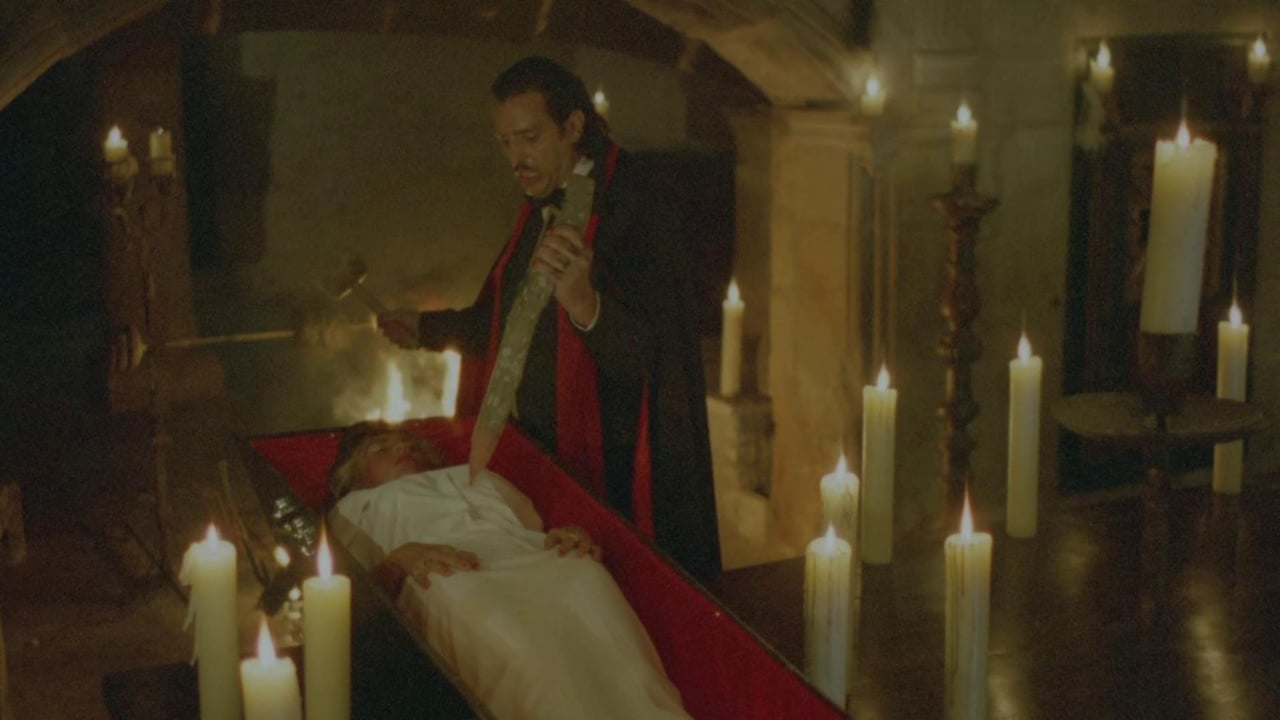
The setup is wonderfully unhinged: Vinny Durand (Joe Spinell), a New York cabbie utterly convinced of his own cinematic genius, flies to the prestigious Cannes Film Festival. His mission? To persuade scream queen Jana Bates (Caroline Munro, playing a version of herself, essentially) to star in his magnum opus. He’s awkward, sweaty, intensely earnest, and more than a little terrifying. Spinell, reprising the kind of obsessive character he embodied so chillingly in Maniac, is magnetic here. He’s not just playing a character; he is Vinny, this desperate, potentially dangerous dreamer lost in the glitz he desperately wants to conquer. You can almost feel the nervous energy radiating off the screen, that palpable sense of a man perpetually on the edge.
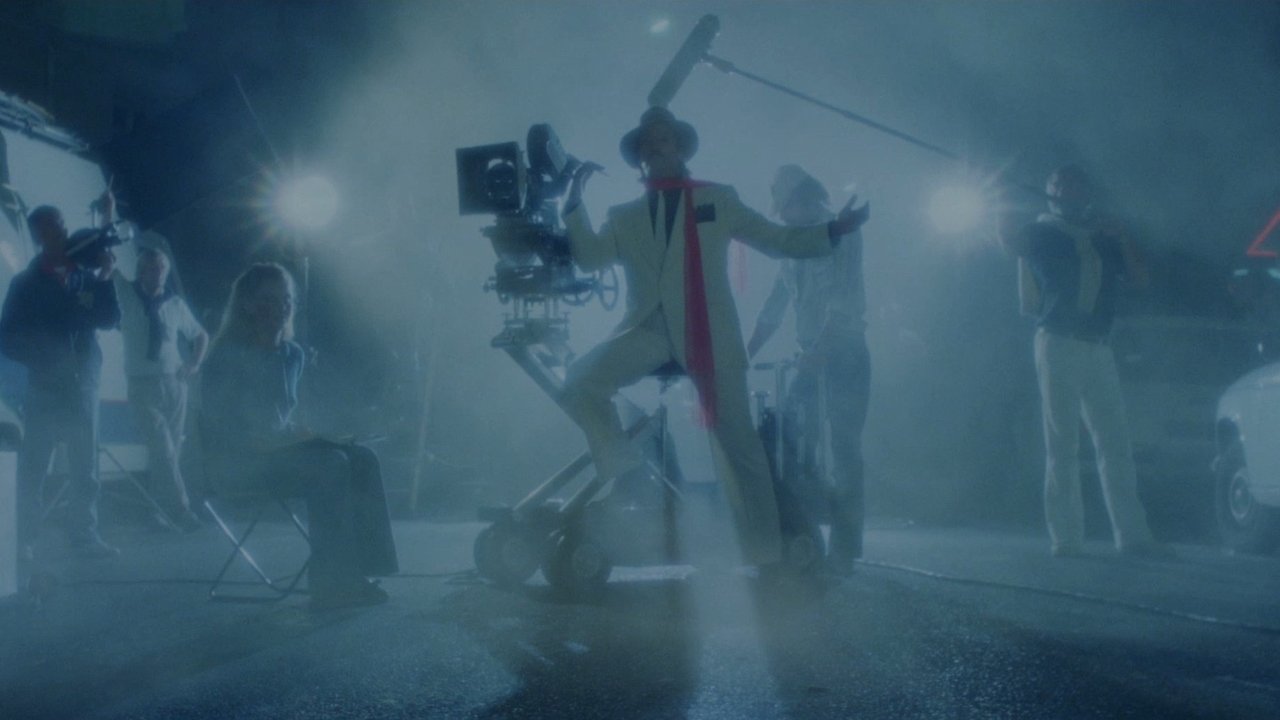
What makes The Last Horror Film immediately stand out is its audacious setting. Forget carefully controlled studio backlots. Director David Winters (a choreographer and actor who also directed Alice Cooper's Welcome to My Nightmare concert film) and his crew, including co-writers Judd Hamilton (who also plays Jana's manager/ex-husband) and Tom Klassen, literally crashed the 1981 Cannes Film Festival. Much of what you see – the crowds, the flashing bulbs, the chaotic energy – is real. They filmed guerrilla-style, often without permits, inserting their fictional narrative right into the heart of the world's most glamorous film gathering. This wasn't just a low-budget choice; it gives the film an incredible, almost documentary-like texture. Seeing Spinell, in character, awkwardly navigating the real festival chaos adds a layer of unsettling realism that manufactured sets could never replicate. Imagine the sheer nerve required to stage horror sequences amidst that real-world backdrop!
### Stalking the Scream Queen
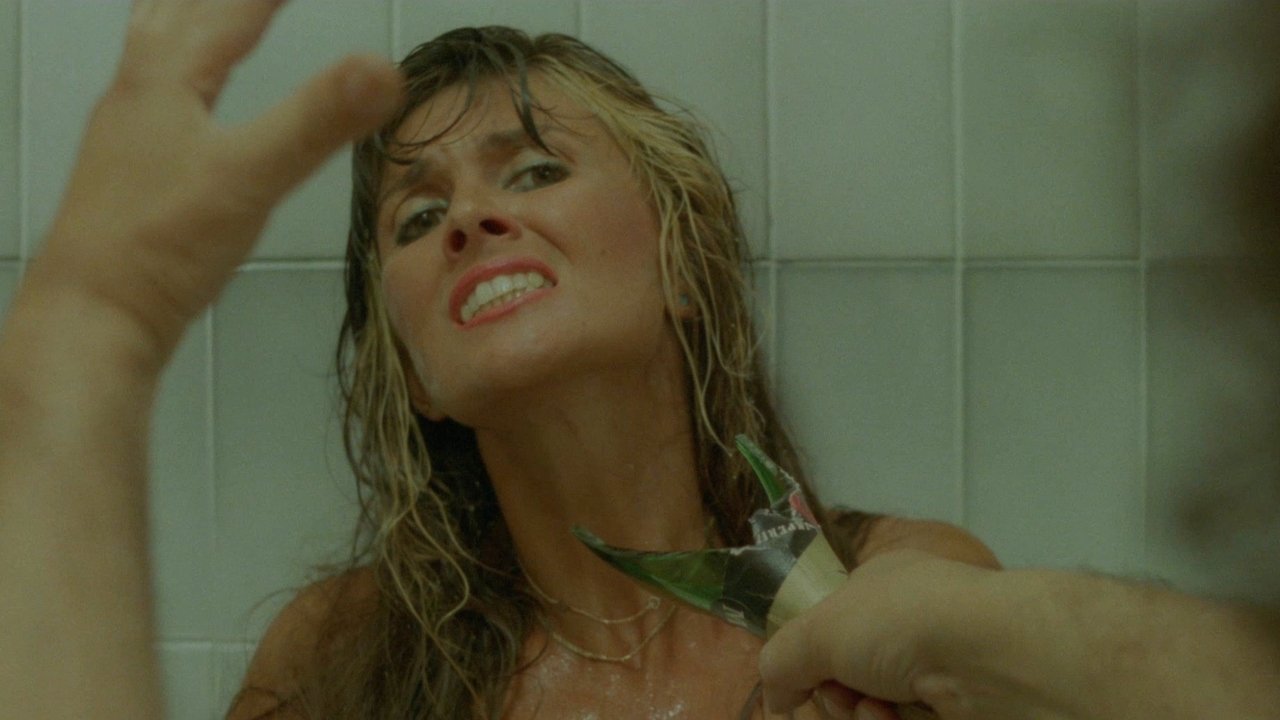
At the centre of Vinny’s obsession is Caroline Munro. Playing Jana Bates, she embodies the horror icon archetype – beautiful, sought-after, and increasingly unnerved by the strange cab driver dogging her steps. Munro, always a compelling presence, brings a necessary vulnerability and weariness to the role. She’s the object of desire, but also the audience's anchor in the escalating weirdness. The chemistry between Spinell and Munro, established in Maniac, takes on a different, meta-textual flavour here. It’s less predator-victim and more obsessed fan-uncomfortable star, reflecting the very real dynamics that can exist within fandom, albeit taken to a disturbing extreme.
As Vinny’s attempts to woo Jana become more desperate, people connected to her start meeting gruesome ends. Is Vinny just an overzealous fan, or is he the psycho killer stalking the Croisette? The film plays with this ambiguity, using the backdrop of horror filmmaking itself as a theme. Vinny wants to make a horror film, and suddenly, a real one seems to be unfolding around him. It’s a commentary, however grimy and low-budget, on the nature of horror, fame, and obsession, years before Scream made meta-horror mainstream.
### That Grainy Grindhouse Charm
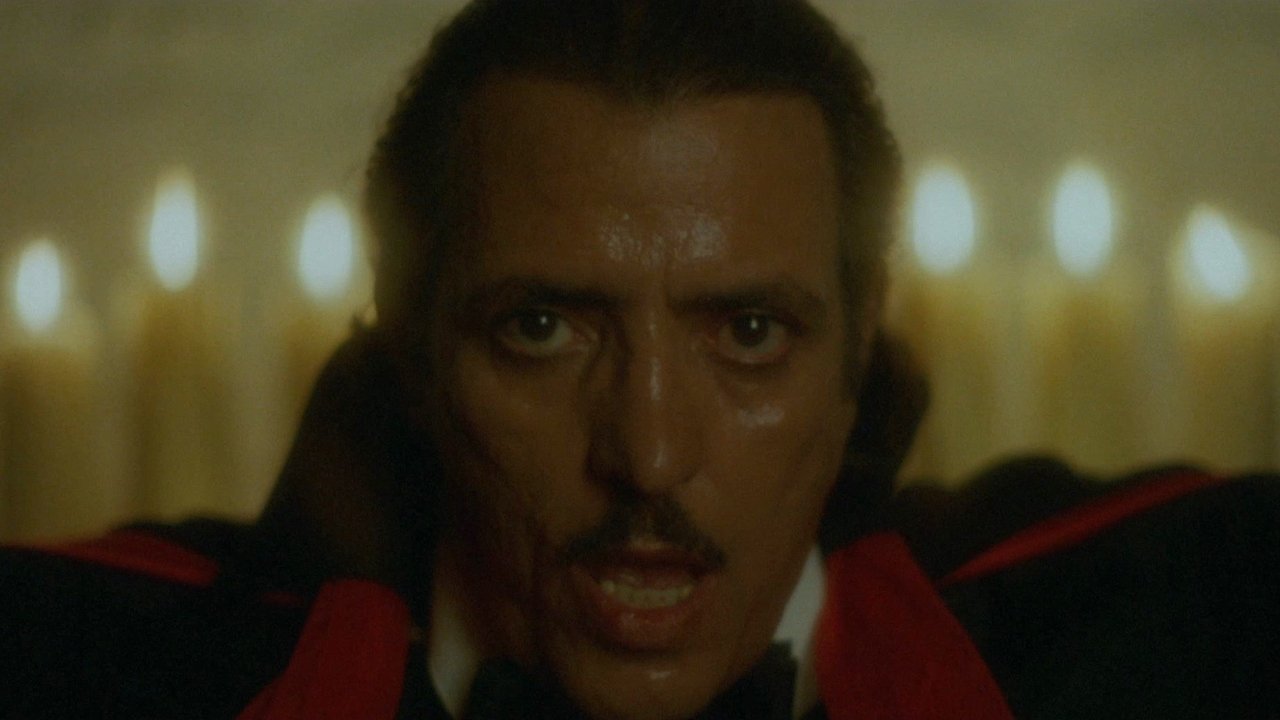
Let's be honest, this isn't polished Hollywood fare. It’s got that distinct early 80s video nasty vibe – slightly murky cinematography, occasionally clunky editing, and practical effects that feel visceral precisely because they aren't seamless digital creations. Remember how those squib hits or moments of gore felt startlingly real on a fuzzy CRT screen late at night? The Last Horror Film has that raw quality. The effects aren't always sophisticated, but they have a tactile, unpleasant reality that perfectly matches Spinell’s sweaty intensity and the film's overall sleazy atmosphere. It feels like a movie made on the fringes, fuelled by passion and maybe a few fumes, which is exactly what makes it such a compelling artifact of its time. It reportedly cost around $1.5 million, peanuts even then, especially considering the logistical nightmare of filming semi-legally at Cannes.
The score, too, has that quintessential early 80s synth-driven dread, punctuating the tension effectively. It might sound dated now, but plugged into the film’s context, it works, adding another layer to that specific time-capsule feeling. It wasn't a box office smash, nor was it critically lauded upon release, often dismissed as a Maniac cash-in. But like many films from the era, it found its audience on VHS, becoming a cult favourite among those who appreciated its bizarre energy and Spinell's committed performance.
***
VHS Heaven Rating: 6.5/10
Justification: The Last Horror Film is undeniably rough around the edges. The pacing sometimes lags, and the plot takes some predictable turns. However, its strengths are unique and considerable: Joe Spinell delivers another mesmerizingly uncomfortable performance, the audacious guerrilla filmmaking at the actual Cannes Film Festival lends it an incredible gritty realism, and its meta-commentary on horror and obsession feels ahead of its time. It captures a specific, slightly grimy corner of early 80s exploitation cinema perfectly. It earns points for sheer audacity and cult appeal, even if it's not conventionally "good."
Final Take: A fascinating, flawed gem that feels like finding a weird bootleg tape recorded straight from the fringes of Cannes. It’s Joe Spinell unleashed amidst the glitterati, a meta-horror curio powered by genuine grit and VHS-era charm that still unnerves and intrigues today.